

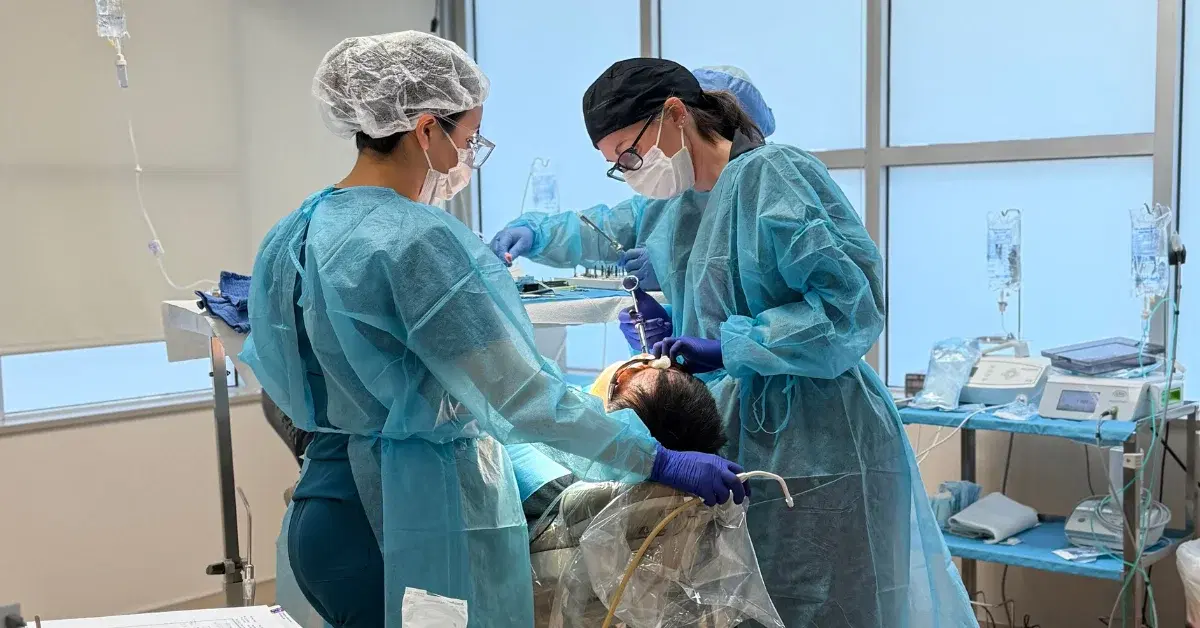
Discover the best sedation options for dental implants to ease anxiety and enhance comfort during your procedure. From local anesthesia to deeper sedation, knowing what each option does can help you choose a plan that matches your comfort level, medical history, and treatment complexity. Dental implants can be a life-changing solution for missing teeth, but it’s completely normal to feel anxious about surgery. The good news is that modern dentistry offers multiple sedation options for dental implants—from staying fully awake with a numb area to being deeply relaxed during treatment. Below, we’ll walk through the common sedation types, who they’re for, and how to decide. Key Takeaways
- Sedation options range from local anesthesia to nitrous oxide, oral sedation, IV sedation, and (in select cases) general anesthesia.
- The right choice depends on anxiety level, procedure complexity, medical history, and personal preference.
- A consultation helps determine the safest approach and the appropriate level of monitoring. 
Understanding Sedation in Dentistry
Sedation dentistry uses medication to reduce anxiety and improve comfort during dental procedures. Sedation can be “minimal” (relaxed but fully awake), “moderate” (drowsy and less aware), or “deep” (very relaxed with limited memory). Even when sedation is used, local anesthesia is typically still applied to ensure the treatment area is numb.
Types of Sedation Options for Dental Implants
Local Anesthesia
Local anesthesia numbs the specific area where the implant work will occur. You remain awake and aware, but you should not feel pain—only pressure or vibration. This is commonly used for straightforward implant placements and for patients who are comfortable in the chair.
Nitrous Oxide (Laughing Gas)
Nitrous oxide is inhaled through a mask and helps you feel calm and relaxed while staying awake. It works quickly and wears off fast once the mask is removed. In many cases, patients can typically drive themselves home afterward, but always follow your dentist’s guidance for your specific situation.
Oral Sedation
Oral sedation involves taking a prescribed sedative before the appointment. You’ll feel drowsy and relaxed, but you’ll still be able to respond. Because the effects can linger, you’ll usually need someone to drive you home and stay with you afterward.
IV Sedation
IV sedation is delivered through a vein and can provide a deeper level of relaxation. Many patients have limited memory of the procedure. Your vital signs are monitored throughout, and you’ll need a responsible adult to take you home.
General Anesthesia
General anesthesia renders you fully unconscious and is typically reserved for extensive surgery, complex medical/anxiety considerations, or select cases where deeper anesthesia is required. It involves the most monitoring and the strictest pre- and post-op instructions. 
How to Choose the Right Sedation Option
Level of Anxiety
If you’re mildly nervous, local anesthesia or nitrous oxide may be enough. For moderate to severe anxiety—or if you’ve avoided dentistry due to fear—oral or IV sedation may be more comfortable.
Procedure Complexity
Simple implant placement may be completed comfortably with local anesthesia. Longer appointments, multiple implants, or procedures combined with grafting can make deeper sedation more appealing for comfort and cooperation.
Medical History
Your health history matters. Conditions such as sleep apnea, heart or lung disease, and certain medications can affect which sedation methods are safest. Share your full history and all medications/supplements with your dental team.
Personal Preference
Some patients prefer to be awake and aware; others prefer to remember as little as possible. Your dentist can usually tailor a plan that balances comfort and safety.
Benefits of Sedation for Dental Implants
- Anxiety reduction: Helps you feel calm and in control.
- Comfort: Can make longer procedures feel easier.
- Improved cooperation: Helps patients stay still and relaxed during treatment.
- Reduced memory: Certain methods (oral/IV) may reduce recollection for patients who are fearful.
Planning Your Implant Treatment
The best way to choose among sedation options for dental implants is a consultation. Your dentist will review your health history, the treatment plan, and your comfort goals to recommend an approach. If you’re considering a more comprehensive solution, you can also explore full-arch restoration options as part of your long-term plan. 
Your Questions Answered
1. How do I know if I need sedation for my dental implant?
If you feel very nervous, have a strong gag reflex, struggle with longer appointments, or have had difficulty getting numb, sedation may help. Discuss your concerns with your dentist so they can recommend a safe and comfortable plan.
2. Are there side effects associated with dental sedation?
Some patients may experience nausea, dizziness, dry mouth, or grogginess. These effects usually wear off, but deeper sedation can last longer depending on the medication and your individual response.
3. Can I drive myself home after sedation?
Local anesthesia and nitrous oxide often allow you to drive, but oral and IV sedation usually require a responsible adult to drive you home. Always confirm instructions with your dental team.
4. How long will the sedation last?
Local anesthesia can last a few hours, nitrous oxide wears off quickly, and oral/IV sedation can linger for several hours. Your dentist will advise you on recovery time and restrictions.
5. Is sedation safe for everyone?
Sedation is generally safe but may not be appropriate for everyone. A full medical history review helps determine the safest option and the right level of monitoring.
6. What should I do to prepare for sedation?
Preparation depends on the type of sedation. Oral and IV sedation may require fasting and arranging a ride home. Follow your dentist’s pre-op instructions carefully.
Conclusion
Choosing the right sedation options for dental implants can make your procedure significantly more comfortable and reduce anxiety. Whether you choose local anesthesia, nitrous oxide, oral sedation, IV sedation, or general anesthesia, the safest choice depends on your health history, comfort needs, and the complexity of your implant plan. A consultation with your dental provider is the best way to decide on the approach that supports a smooth, confident experience. Interested in a fixed, long-term implant solution? Learn more about full-arch restoration and implant treatment planning.
Key Definitions
TERM: Sedation Dentistry
DEFINITION: The use of medication to help patients relax during dental procedures, ranging from mild relaxation to deep sedation depending on needs and safety considerations. TERM: IV Sedation
DEFINITION: A sedation method delivered through a vein that provides a deeper level of relaxation and often reduces memory of the procedure, with continuous monitoring. TERM: Local Anesthesia
DEFINITION: Medication that numbs a specific area so a procedure can be performed without pain while the patient remains awake and aware.