
Are Dental Implants Covered by Insurance in California?
Are Dental Implants Covered by Insurance in California?
One of the first questions patients ask when considering dental implants is: "Will my insurance cover this?" The answer in California is nuanced. Some insurance plans cover portions of implant treatment, while others exclude implants entirely. Understanding your coverage options can save you thousands of dollars and help you plan effectively.
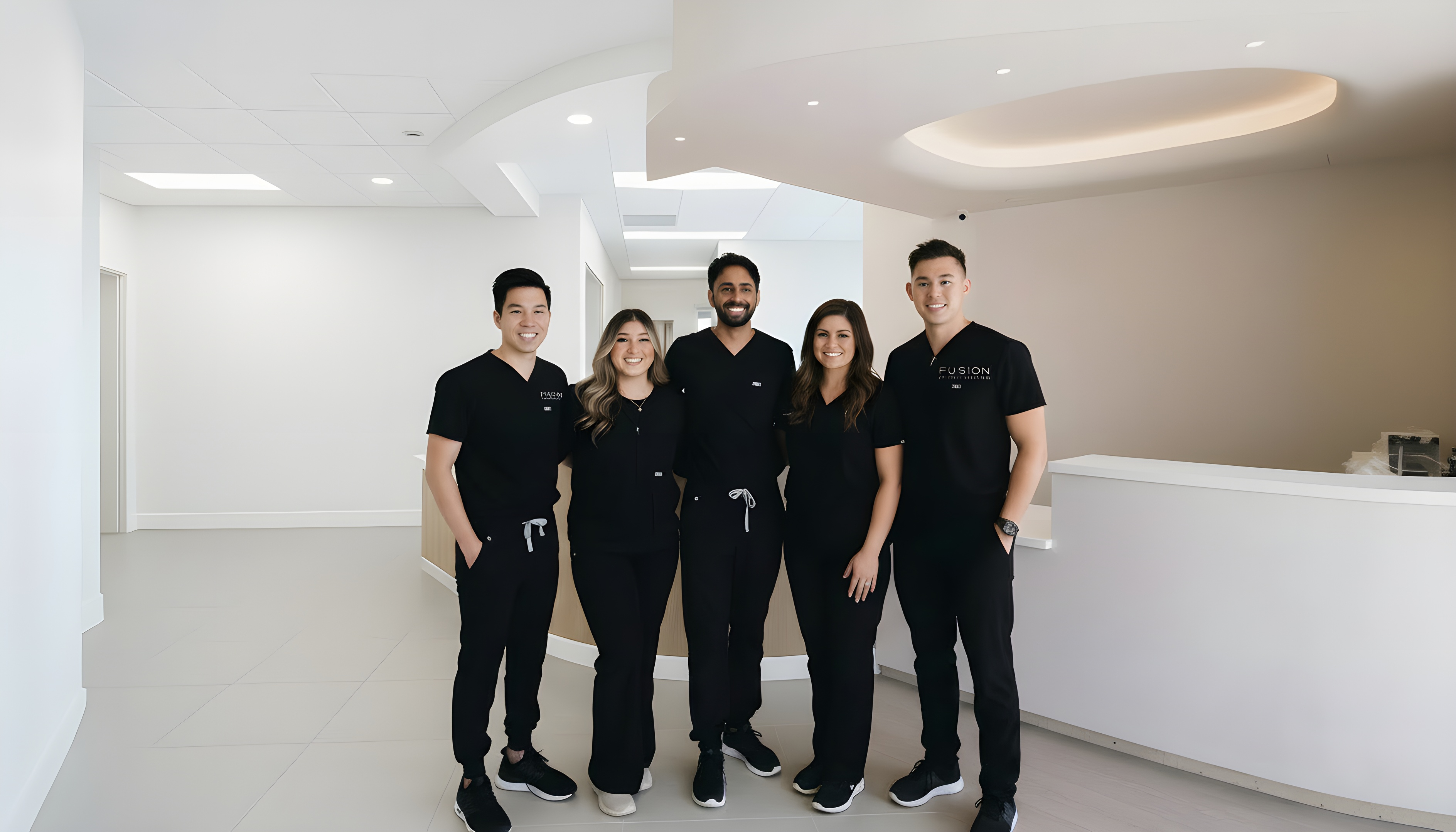
At Fusion Dental Implants, we help patients navigate insurance benefits, Medi-Cal coverage, and financing options every day. This guide breaks down what California residents need to know about paying for dental implants in 2026.
The Short Answer
Most dental insurance plans in California provide partial coverage for dental implants, but very few cover the full cost. Coverage typically depends on:
- Your specific insurance plan and its terms
- Whether implants are classified as "medically necessary"
- Annual maximums and waiting periods
- Whether the plan covers the implant, the abutment, the crown, or some combination
The average dental insurance plan covers $1,000–$2,500 per year toward dental work, which may apply to a portion of your implant treatment.
How Dental Insurance Typically Covers Implants
Dental implant treatment involves multiple components, and insurance may cover some but not all of them:
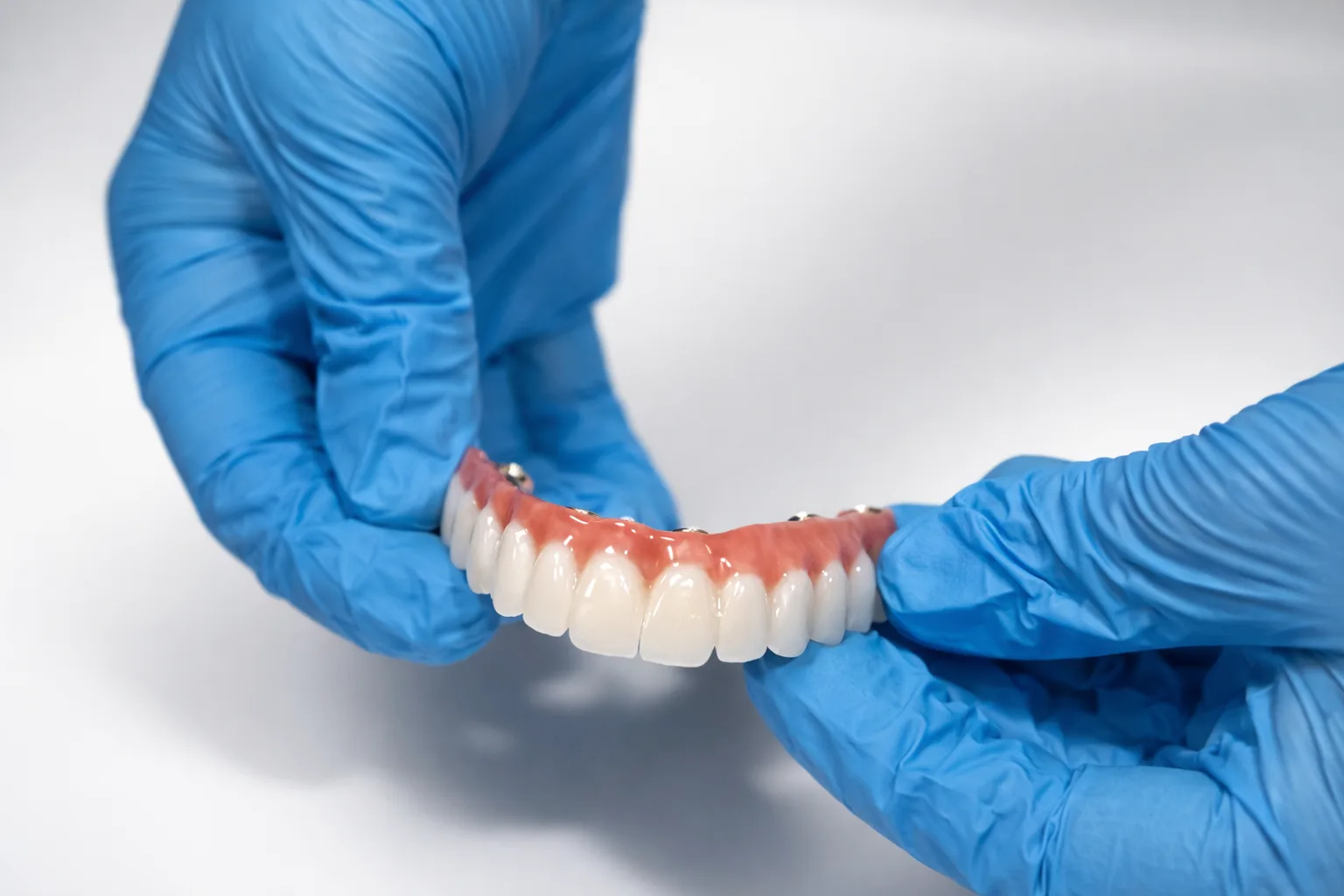
The implant itself (the titanium post)
This is the surgical component placed in the jawbone. Some plans classify implants as a "major" procedure and cover 50% of the cost after deductibles. Others exclude implant placement entirely but may cover the restoration that goes on top.
The abutment
The connector piece between the implant and the crown. Coverage for the abutment varies—some plans bundle it with the implant, others with the crown.
The crown or prosthesis
The visible tooth replacement. Many plans that exclude implants still cover crowns or bridges at 50–80%. If your plan covers crowns, you may be able to apply that benefit to the implant crown even if the surgical component isn't covered.
Bone grafting and related procedures
Pre-surgical procedures like bone grafting, sinus lifts, or extractions are sometimes covered under your plan's surgical benefits. These can represent a significant portion of total treatment cost.
Types of Insurance Plans in California
PPO Dental Plans
PPO (Preferred Provider Organization) plans are the most common type of dental insurance in California and generally offer the best implant coverage. Key characteristics:
- Annual maximums typically range from $1,500 to $3,000
- Implant coverage varies by plan—check your specific benefits
- Out-of-network providers may still be partially covered
- Waiting periods of 6–12 months are common for major procedures
- No referral needed to see a specialist
Many PPO plans cover 50% of implant costs after deductibles, up to the annual maximum. Some newer plans are increasing annual maximums to $5,000 or more, providing more meaningful implant coverage.
HMO (DHMO) Dental Plans
HMO dental plans in California typically have lower premiums but more restrictive coverage:
- Must use in-network providers
- Implants may not be covered or may require copayments
- No annual maximum—but copay schedules may limit benefits
- Referral may be required for implant specialists
Dental Discount Plans
These aren't insurance but can reduce implant costs by 15–30%:
- Pay an annual membership fee
- Receive discounted rates from participating providers
- No annual maximums or waiting periods
- No claims to file
Medi-Cal Dental Coverage for Implants
California's Medicaid program, Medi-Cal, provides dental benefits through the Denti-Cal program. Historically, Denti-Cal has had very limited coverage for dental implants, but the landscape is evolving.
Current Medi-Cal implant coverage:
- Medi-Cal covers dental implants in limited circumstances when deemed medically necessary
- Coverage may be available for patients who cannot wear conventional dentures due to anatomical reasons
- Prior authorization is required, and approval is not guaranteed
- Coverage is typically limited to the implant and basic restoration
- Complex cases like full-arch restorations may not be fully covered
How to pursue Medi-Cal implant coverage:
- Get a referral from your Denti-Cal provider
- Your implant surgeon submits a prior authorization request
- Include documentation of medical necessity (failed denture attempts, anatomical limitations)
- Wait for approval (processing can take several weeks)
- If denied, an appeal process is available
Important: Even when Medi-Cal covers implants, the reimbursement rates may be significantly lower than typical fees. Many implant specialists do not accept Medi-Cal. At Fusion Dental Implants, we can discuss your specific Medi-Cal situation during a consultation.
Medicare and Dental Implants
Traditional Medicare (Parts A and B) does not cover dental implants or most dental procedures. However, there are exceptions and alternative options:
Medicare Advantage (Part C)
Many Medicare Advantage plans sold in California include dental benefits:
- Coverage varies widely between plans
- Some include $1,000–$3,000 in annual dental benefits
- Implant coverage depends on the specific plan
- Network restrictions may apply
If you have Medicare Advantage, review your plan's dental benefits carefully. Some plans specifically list implants as covered procedures, while others limit coverage to preventive and basic care.
Medical insurance for implant-related procedures
In some cases, medical insurance (including Medicare) may cover procedures related to implant treatment:
- Extractions due to infection or disease
- CT scans for diagnostic purposes
- Bone grafting if related to a medical condition (trauma, tumor removal)
- Anesthesia services
Your implant team can help identify which components might qualify for medical insurance billing.
Maximizing Your Insurance Benefits
Here are strategies California patients use to get the most from their insurance coverage:
1. Use your annual maximum strategically
If your plan has a $2,000 annual maximum, consider timing your treatment across two calendar years. For example:
- Year 1: Extractions, bone grafting, implant placement
- Year 2: Final restoration (crown or prosthesis)
This approach lets you use two years of benefits toward your treatment.
2. Stack dental and medical benefits
Some treatment components may be billable to medical insurance rather than dental:
- CT scans and diagnostic imaging
- Anesthesia and sedation services
- Surgical procedures related to trauma or pathology
3. Submit pre-authorization before treatment
Request a pre-treatment estimate from your insurance company before starting. This tells you exactly what they'll cover and prevents surprises.
4. Appeal denied claims
If your insurance denies implant coverage, you have the right to appeal. Include:
- Clinical documentation showing medical necessity
- Evidence that alternative treatments (dentures, bridges) are not viable
- Supporting literature on implant effectiveness
- Letters from your treating doctor and primary care physician
5. Check for missing tooth clauses
Some plans have "missing tooth clauses" that exclude coverage for replacing teeth that were lost before the policy started. If your plan has this clause, it may limit your coverage. Plans purchased through Covered California (the state exchange) are less likely to have these exclusions.
6. Consider supplemental dental insurance
If your primary plan has limited implant coverage, a supplemental dental plan can provide additional benefits. Look for plans with:
- Higher annual maximums ($3,000–$5,000)
- Explicit implant coverage
- Shorter waiting periods
Keep in mind that supplemental plans have their own premiums, deductibles, and waiting periods. Calculate the total cost to ensure the additional plan provides net savings.
Employer-Sponsored Plans vs. Individual Plans
Employer plans
Large employer dental plans in California often provide better implant coverage than individual plans. If you have the option to select your dental plan during open enrollment, look for:
- Plans that specifically list "implants" as a covered benefit
- Higher annual maximums ($2,500+)
- Lower waiting periods for major procedures
- Plans from carriers known for good implant coverage (Delta Dental PPO, MetLife, Guardian)
Individual and family plans
Plans purchased on the individual market or through Covered California have varying dental benefits. California's Essential Health Benefits require pediatric dental coverage but do not mandate adult dental coverage.
If purchasing an individual plan, compare:
- Annual maximums
- Implant-specific coverage language
- Network of implant specialists
- Waiting periods for major services
The True Cost of Dental Implants in California
Understanding what implants cost in California helps you evaluate how much insurance actually offsets:
Typical cost ranges in Northern California:
- Single tooth implant (implant + abutment + crown): $3,500–$6,500
- Implant-supported bridge (2 implants + bridge): $6,000–$15,000
- All-on-4 full arch: $20,000–$35,000 per arch
- All-on-6 full arch: $25,000–$45,000 per arch
- Implant overdenture (2–4 implants + denture): $8,000–$20,000 per arch
- Bone grafting: $500–$3,000 per site
- Sinus lift: $1,500–$3,000 per side
These ranges reflect fees in the Sacramento, Roseville, and El Dorado Hills areas. Costs in the Bay Area and Southern California may be higher.
Financing Options When Insurance Falls Short
Since insurance rarely covers the full cost of implants, most patients use some form of financing:
In-office payment plans
At Fusion Dental Implants, we offer flexible payment plans that allow you to spread costs over time. Many patients find monthly payments more manageable than a single large payment.
Third-party financing
Companies like CareCredit and LendingClub offer healthcare-specific financing:
- 0% interest promotional periods (6–24 months)
- Extended payment plans with competitive rates
- Quick approval process
- Can be combined with insurance benefits
Health Savings Accounts (HSA) and Flexible Spending Accounts (FSA)
If you have an HSA or FSA through your employer, dental implants are a qualified medical expense:
- HSA funds roll over year to year—you can save over time
- FSA funds typically must be used within the plan year
- Both use pre-tax dollars, effectively reducing your cost by your tax rate
- Contribution limits for 2026: HSA ($4,300 individual / $8,550 family), FSA ($3,300)
Dental school clinics
UC San Francisco, UCLA, and other California dental schools offer implant treatment at reduced fees. Treatment is performed by residents under faculty supervision. Wait times can be longer, but savings of 30–50% are common.
Questions to Ask Your Insurance Company
Before scheduling implant treatment, call your insurance company and ask:
- Does my plan cover dental implants? If so, what percentage?
- What is my annual maximum, and how much have I used this year?
- Is there a waiting period for implant coverage?
- Does my plan have a missing tooth clause?
- Are bone grafting and related surgical procedures covered?
- Do I need pre-authorization for implant treatment?
- Is my implant surgeon in-network?
- Can I apply crown or bridge benefits to an implant-supported restoration?
How Fusion Dental Implants Helps with Insurance
Navigating insurance for dental implants can be confusing. Our team at Fusion Dental Implants helps by:
- Verifying your insurance benefits before treatment
- Submitting pre-authorization requests
- Filing claims on your behalf
- Identifying which components may be billable to medical insurance
- Providing detailed treatment plans with cost breakdowns
- Offering financing options for uncovered balances
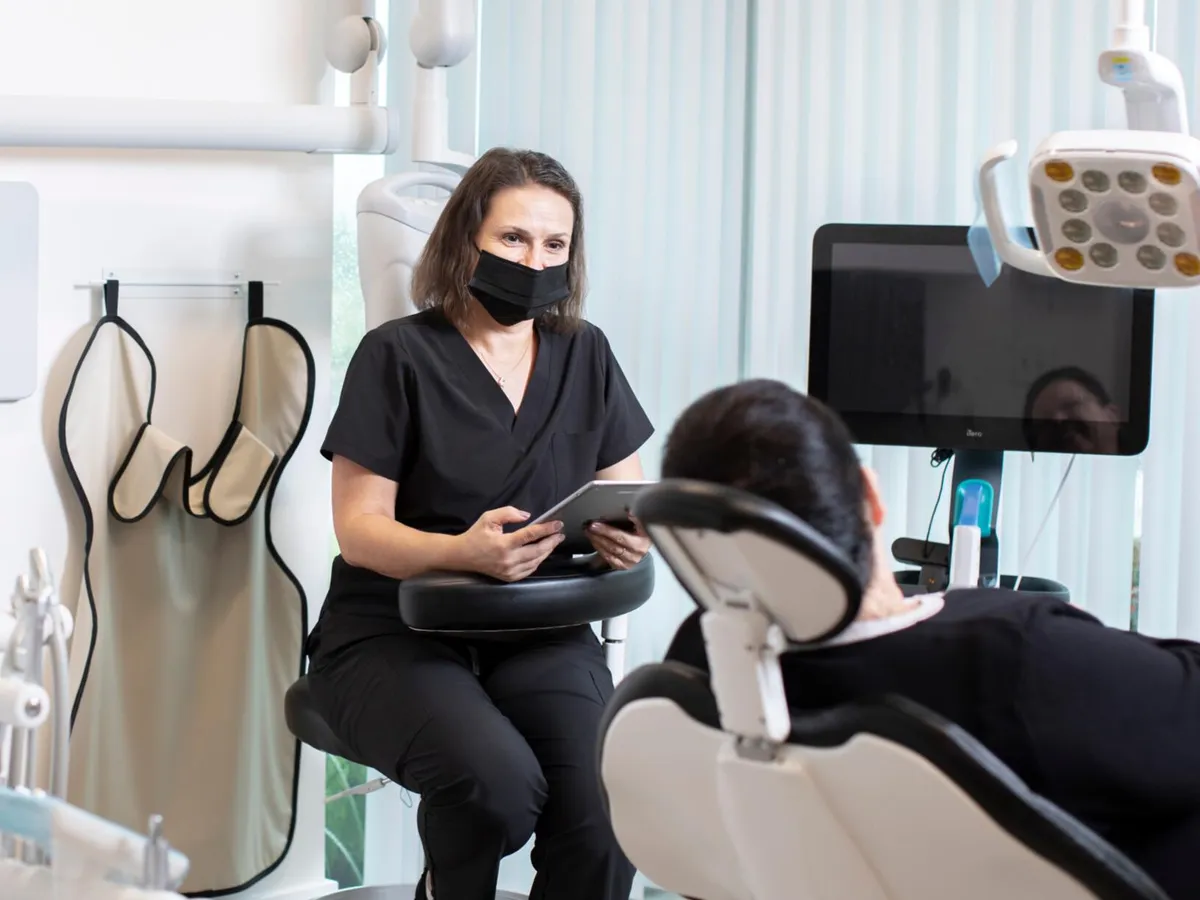
We believe cost should not prevent you from getting the dental care you need. During your free consultation, we'll review your insurance benefits and create a financial plan that works for your budget.
Take the Next Step
Understanding your insurance coverage is an important part of planning for dental implants. But don't let insurance limitations stop you from exploring your options. Many patients find that the combination of partial insurance coverage, financing, and HSA/FSA funds makes implant treatment more affordable than they expected.
Schedule a free consultation at our Roseville or El Dorado Hills location. We'll verify your insurance, discuss your treatment options, and provide a clear financial plan—all at no cost.
Explore our cost and financing page for more details on pricing and payment options.
About Fusion Dental Implants: Dental implant specialists serving Sacramento, Roseville, El Dorado Hills, and Northern California. We accept most PPO dental insurance plans and offer flexible financing.
Ready to Transform Your Smile?
Schedule your free consultation today and discover how dental implants can change your life.