

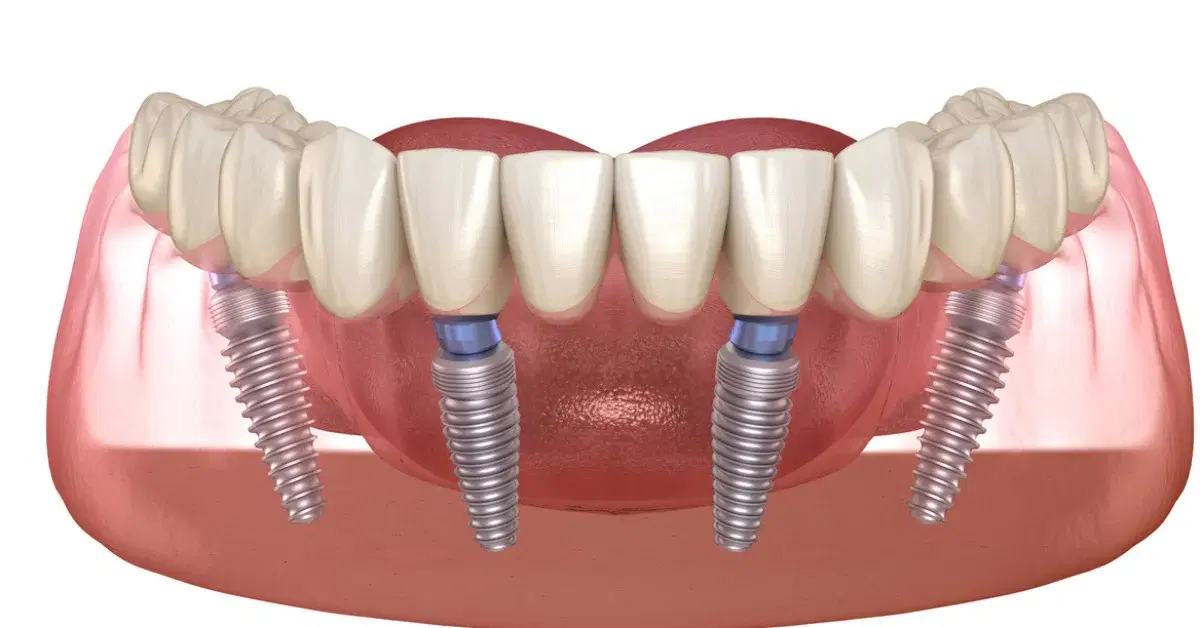
When considering full arch dental implants, many patients find themselves evaluating the All-on-4 and All-on-6 procedures. Both options aim to restore the function and aesthetics of a smile for individuals missing multiple teeth, but their differences can affect outcomes and suitability. This guide breaks down the all-on-4 vs all-on-6 comparison so you can make a more informed decision.
Key Takeaways
-
Implant count: All-on-4 uses four implants; All-on-6 uses six.
-
Stability: All-on-6 can provide added support, especially when bone density is limited.
-
Planning matters: Your anatomy, bite forces, and goals determine the best option.
Understanding All-on-4 and All-on-6 Dental Implants
What Are All-on-4 Implants?
All-on-4 is a full-arch solution that uses four strategically positioned implants—typically two in the front and two angled toward the back—to support a fixed prosthesis. The angled placement is designed to maximize existing bone and may reduce the need for grafting in some cases.
What Are All-on-6 Implants?
All-on-6 uses six implants to support a full arch restoration. The additional implants can enhance stability and distribute bite forces more evenly, which can be especially helpful for patients with reduced bone density or higher functional demands.
Key Differences Between All-on-4 and All-on-6
Implant Placement and Support
A major difference in the all-on-4 vs all-on-6 discussion is the number of implants supporting the arch. All-on-6 adds two more anchoring points, which can increase overall support for the final prosthesis.
Bone Density Considerations
Patients with adequate bone density may be good candidates for All-on-4. If bone density is lower—or if your clinician expects higher stress on the prosthesis—All-on-6 may be recommended to help spread forces across more implants.
Cost Considerations
All-on-6 is typically more expensive than All-on-4 because it uses more implants and may involve additional surgical and restorative steps. Your consultation will help clarify what’s included in the treatment plan and what affects the final cost.
Recovery Time
Recovery experiences vary, but both options often provide a faster path back to function compared to traditional removable dentures. Some patients find All-on-4 slightly quicker to adjust to, while All-on-6 can require a bit more initial healing due to the extra implants.
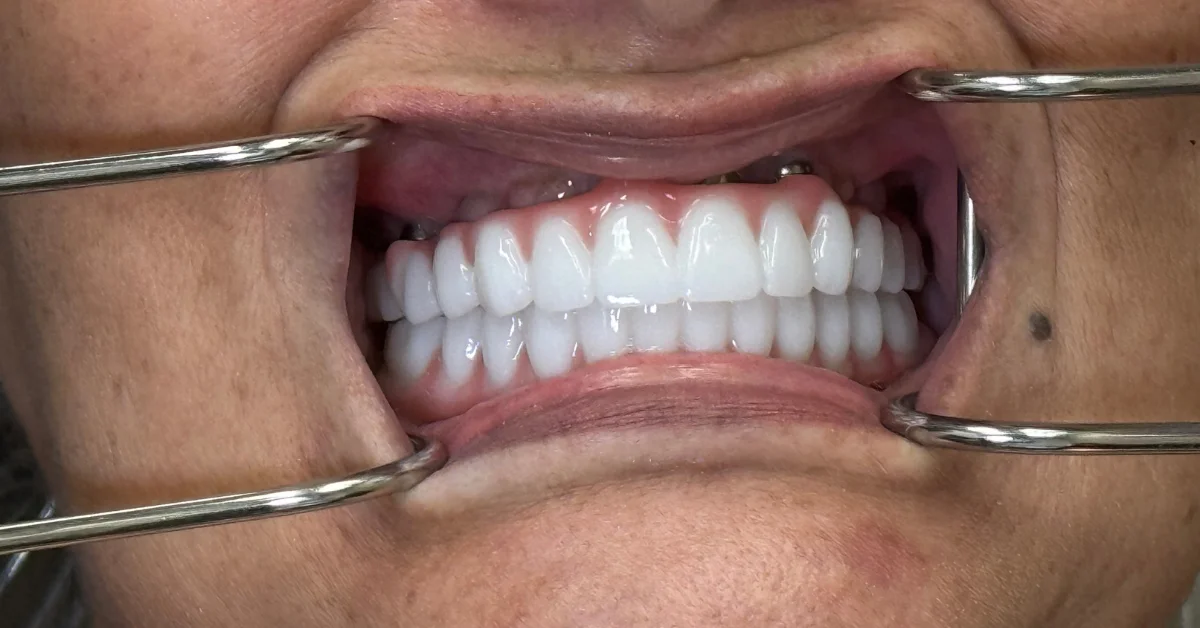
Benefits of All-on-4
-
Less invasive approach: Fewer implants can mean less surgical manipulation.
-
Efficient treatment: Often shorter surgical time due to fewer implant sites.
-
May reduce grafting: The angled posterior implants can help utilize available bone in some cases.
Benefits of All-on-6
-
Enhanced stability: Two additional implants can provide a more secure foundation for some patients.
-
Improved bite force distribution: More support points can spread load more evenly.
-
Strong long-term support: Especially helpful in complex cases where added stability is a priority.
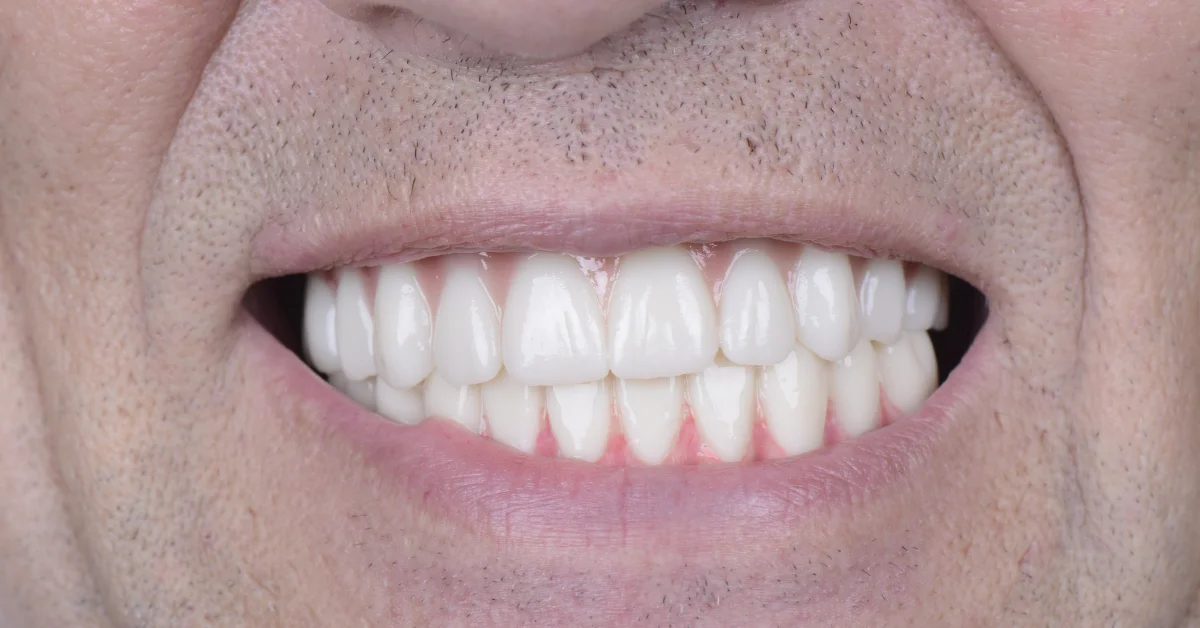
Which Option Is Right for You?
Choosing between All-on-4 and All-on-6 depends on your bone quality, anatomy, bite forces, medical history, and budget. A clinical exam and 3D imaging can confirm what’s realistic and safest for your specific case.
If you’re exploring a fixed full-arch solution, learn more about full-arch restoration and what a personalized treatment plan can look like.
Your Questions Answered
1. What is the main difference between All-on-4 and All-on-6 implants?
The primary difference is the number of implants used. All-on-4 uses four implants, while All-on-6 uses six, which can affect stability and support for the final prosthesis.
2. Are All-on-4 implants cheaper than All-on-6?
Generally, All-on-4 is less expensive because fewer implants are used and the procedure is often less complex.
3. Can I get All-on-4 implants if I have low bone density?
All-on-4 can be suitable for many patients, but those with low bone density may benefit more from All-on-6, which offers added stability.
4. How long does recovery take for both procedures?
Recovery times vary, but All-on-4 often allows for quicker healing. All-on-6 may require a slightly longer adjustment period due to the additional implants.
5. Do both options require bone grafting?
All-on-4 is designed to minimize the need for bone grafting in some cases by effectively using available bone. All-on-6 may also avoid grafting, but it may be preferred if bone loss is significant.
6. Which procedure offers better long-term success?
Both can be successful long term. All-on-6 may offer added stability for some patients, particularly when bone density is limited, because forces can be distributed across more implants.
Conclusion
In the all-on-4 vs all-on-6 comparison, both options can be excellent full-arch solutions—what’s “better” depends on your specific anatomy, goals, and clinical factors. The best next step is a consultation with imaging and a personalized plan so you can choose the option that delivers the most predictable comfort, function, and long-term stability.
Key Definitions
TERM: All-on-4
DEFINITION: A full-arch implant method that uses four strategically placed implants (often including angled posterior implants) to support a fixed prosthesis.
TERM: All-on-6
DEFINITION: A full-arch implant method that uses six implants to support a fixed prosthesis, often increasing stability and improving force distribution.
TERM: Full-arch restoration
DEFINITION: A treatment approach that replaces a full upper or lower arch of teeth, often using dental implants to support a fixed bridge.