


Key Takeaways
• The right questions help you understand your options and reduce surprises.
• A good consultation covers candidacy, treatment steps, comfort, recovery, and total costs.
• Preparation improves communication and often leads to smoother treatment planning.
In this article, you’ll find the most important questions to ask, what to expect during the visit, and how to choose the right implant provider.
Understanding Dental Implants: Core Concepts and Definitions
What Are Dental Implants?
Dental implants are artificial tooth roots placed into the jawbone to support a replacement tooth (crown), bridge, or denture. Most implants are made from titanium or titanium alloys because they are durable and biocompatible.
Types of Dental Implants
Most patients hear about these two categories:
• Endosteal implants: Placed directly into the jawbone, the most common option.
• Subperiosteal implants: Placed under the gum but above the jawbone, used in specific cases when bone anatomy limits other options.
Your dentist may also discuss different implant shapes, sizes, and connection types, depending on your bite, bone, and restoration plan.
The Dental Implant Procedure Overview
While every case is different, the process usually includes:
Consultation and planning: Exam, imaging, and treatment plan.
Implant placement: The implant is placed in the jawbone under anesthesia.
Healing period: The implant integrates with bone, this can take weeks to months.
Abutment and restoration: An abutment connects the implant to the crown or bridge.
Final crown placement and follow-up: Bite is adjusted and care plan is confirmed.
A strong consultation makes these steps feel clear and predictable.
Essential Questions to Ask at Your Dental Implant Consultation
This section is the practical heart of the article, use it like a checklist and bring it with you.
Questions About Your Candidacy
• Am I a good candidate for implants right now, and why?
• Do I have gum disease or infection that needs treatment first?
• Do I have enough bone for an implant, or would I need bone grafting?
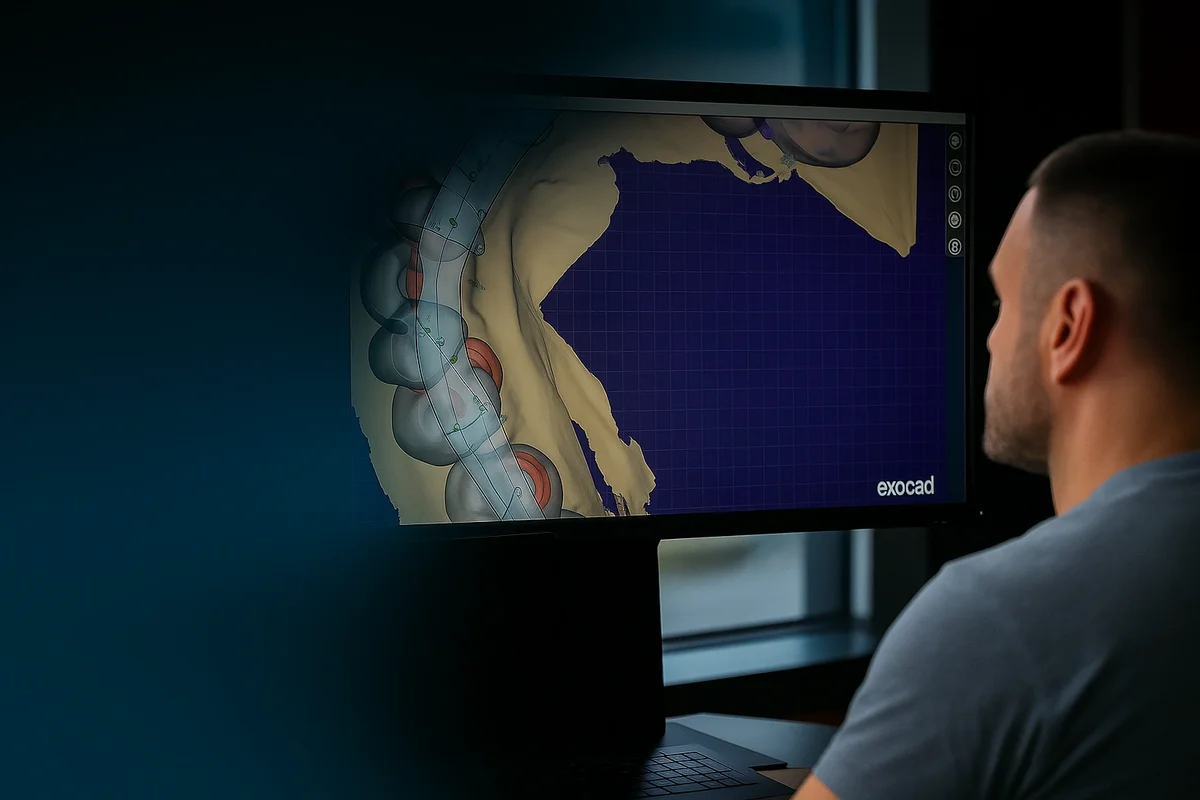
• Will you recommend a 3D scan (CBCT), and what will it show in my case?
• Are there medical factors that affect healing, such as diabetes, smoking, or medications?
Questions About the Step-by-Step Treatment Plan
• What is the exact step-by-step plan for my case?
• Will the implant be placed the same day as extraction, or later?
• How many visits should I expect from start to finish?
• What is the estimated timeline for healing and final crown placement?
• What could change the plan once you start, and how often does that happen?
A helpful follow-up question: “Can you summarize my plan in writing, including alternatives?”
Questions About Comfort, Anesthesia, and Anxiety
• What anesthesia options do you offer: local, oral sedation, IV sedation?
• What will I feel during the procedure, and what is typical after?
• How will pain be managed in the first few days?
• If I’m anxious, what can we do to make this easier?
If you’ve had bad dental experiences, mention it early. A good team will adjust pacing, explain more, and offer comfort options.
Questions About Implant Materials and Restoration Details
• What implant system or brand do you use, and why do you prefer it?
• What materials will the crown and abutment be made from?
• Will my crown be screw-retained or cement-retained, and what are the pros and cons?
• How do you match color and shape for a natural look?
Questions About Experience and Outcomes
• Who places the implant, and what training do they have?
• How many implant cases like mine have you treated?
• What complications do you see most often, and how do you handle them?
• Can I see before-and-after examples similar to my situation?
You’re not being difficult by asking these, you’re being responsible.
Questions About Recovery and Aftercare
• What should I expect in the first 24 to 72 hours?
• What foods should I avoid, and for how long?
• When can I return to work, exercise, and normal routines?
• What signs should make me call you right away?
• How often do you want follow-up visits after the crown is placed?
Questions About Cost, Insurance, and Financing
• What is the total cost for my case, including imaging, surgery, abutment, crown, and follow-ups?
• What is included, and what is not included?
• What are common add-on costs in cases like mine, for example grafting or extractions?
• Do you offer payment plans or financing options?
• Will you help with insurance verification or pre-authorization?
Ask for an itemized estimate. Clarity here prevents frustration later.
Benefits of Dental Implants and Why Consultation Matters
Long-Term Advantages of Dental Implants
Dental implants can provide strong stability and function. Unlike traditional dentures, implants help support biting and chewing with less movement. They can also help preserve jawbone by providing stimulation through function.
Quality of Life Improvements
Many patients report:
• More confidence when smiling and speaking
• More comfort eating a wider range of foods
• Less worry about shifting or slipping restorations
Your consultation is where you find out which benefits apply to your specific situation.
Why the Consultation Is Crucial for Success
A consultation sets the foundation for outcomes. It is where your provider checks:
• Bone and gum health
• Bite forces and spacing
• Aesthetic goals, especially for front teeth
• Risk factors and how to reduce them
• A realistic timeline and maintenance plan
This is exactly why using a dental implant consultation questions guide is useful, it keeps the conversation complete and focused.
How to Prepare for Your Dental Implant Consultation
Gather Your Medical and Dental Information
Bring a list of:
• Current medications and supplements
• Allergies
• Past surgeries or conditions that affect healing
• Any previous dental records if available, X-rays, periodontal history, prior extractions
Prepare Your Personal Goals
Write down:
• What you want to improve, function, appearance, comfort, all three
• Your timeline, for example upcoming travel, events, work schedule
• Budget expectations and financing preferences
Bring a Written Question List
Use a printed list, or a note on your phone. Even confident people forget questions in the moment. That’s the practical value of this dental implant consultation questions guide.
Best Practices for Choosing a Dental Implant Specialist
Credentials and Experience to Look For
Look for:
• Clear implant training and continuing education
• Transparent explanations of imaging and planning
• A track record with cases similar to yours
• A team approach, surgical and restorative planning aligned
Reviews and Patient Testimonials
Patient feedback can be helpful when you look for patterns:
• Comments about communication and clarity
• Experiences with comfort and follow-up care
• Consistency in results and service
Questions to Ask When Comparing Providers
• Who does the surgery and who does the crown, the same clinician or a team?
• What technology is used for planning, such as guided surgery or 3D imaging?
• What is your emergency contact process after surgery?
• What does long-term maintenance look like at your office?
Common Challenges and Solutions in the Dental Implant Process
Potential Risks and How They’re Managed
Possible challenges include infection, delayed healing, nerve irritation, and implant failure. Risk is influenced by factors like oral hygiene, smoking, uncontrolled medical conditions, and bite forces.
A good clinic reduces risk by:
• Treating gum disease first
• Planning implant position carefully with imaging
• Providing clear aftercare instructions
• Scheduling follow-ups that catch problems early
Solutions for Dental Anxiety
If you feel nervous:
• Ask about sedation options
• Request a step-by-step explanation before starting
• Use a stop signal so you feel in control
• Consider shorter appointments when possible
Some practices, including Fusion Dental Implants, emphasize comfort planning and patient pacing as part of the overall experience.
Handling Complications After Surgery
Ask what’s normal versus what’s not. For example:
• Mild swelling and soreness can be normal
• Severe pain, persistent bleeding, fever, or foul taste should be reported quickly
Clear instructions and fast communication matter more than toughing it out.
Tools and Resources for Dental Implant Patients
Cost Estimation Tools
Online cost calculators can help you understand ranges, but your final estimate depends on imaging and the exact plan.
Educational Sources
Use reputable dental education sources and ask your clinic for recommended reading based on your case.
Support and Community
Some patients find it helpful to talk to others who’ve had implants, especially if they’re choosing between a single implant, bridge, or full-arch options.
Real-World Examples: What Prepared Patients Do Differently
Example 1: The Patient Who Wants Speed
A patient wants a fast solution and asks:
• Am I a candidate for same-day extraction and implant placement?
• What would make you recommend staging treatment instead?
They leave with a realistic timeline, not just a hopeful one.
Example 2: The Patient With Bone Loss
A patient is told bone may be limited and asks:
• Do I need grafting, and what type?
• Are there alternatives that reduce grafting needs?
• How do timeline and cost change with each option?
They get choices, not confusion.
Example 3: The Anxious Patient
A patient feels nervous and asks:
• What comfort options do you offer?
• Can we talk through each step before you begin?
They feel more in control and tend to have a better experience.
Your Questions Answered
What is a dental implant consultation questions guide?
A dental implant consultation questions guide is a checklist of questions that helps you cover the most important topics during your implant appointment, candidacy, procedure steps, recovery, costs, and maintenance.
How does this guide help?
It organizes your appointment so you don’t miss important details. It also helps you compare providers fairly because you’re asking the same questions each time.
When should I use it?
Review it before the consultation, then bring it with you. Add your personal concerns so your questions match your case.
Can it help with insurance questions?
Yes. It helps you ask about what’s included, what’s excluded, and what paperwork support the office provides.
Should I bring the list to the appointment?
Absolutely. It keeps the visit efficient and helps you leave with clear next steps.
Conclusion
Being prepared for your consultation can make the entire implant process smoother, clearer, and less stressful. Use this dental implant consultation questions guide to ask the right questions, understand your options, and choose a provider who communicates clearly.
Next step: write down your top questions, schedule your consultation, and ask the clinic to explain your plan, timeline, and total costs in a way that feels straightforward and complete.