

Dental Implant Failure: Causes, Warning Signs, and Prevention
Dental implants have high success rates, but failure still occurs. Most failures are not random and not material-related. They are the result of identifiable biological, mechanical, or planning errors.
Understanding why implants fail is essential for prevention, early detection, and long-term success.
Early vs Late Implant Failure
Implant failure is classified by timing.
- Early failure occurs before osseointegration is complete
- Late failure occurs months or years after initial success
Each has different causes and warning signs.
Causes of Early Implant Failure
Failure of Osseointegration
Osseointegration fails when bone does not bond to the implant surface.
Common causes include:
- Inadequate primary stability
- Poor bone quality
- Excessive micromovement during healing
- Infection at the surgical site
When osseointegration fails, the implant becomes mobile and must be removed.
Surgical Technique Errors
Errors during placement significantly increase failure risk:
- Overheating bone during drilling
- Incorrect implant angulation
- Inadequate depth or positioning
- Contaminated implant surfaces
These failures are procedural, not patient-related.
Patient-Related Risk Factors
Certain patient behaviors interfere with healing:
- Smoking or nicotine use
- Poor post-operative compliance
- Uncontrolled systemic disease
These factors compromise blood flow and bone regeneration.
Causes of Late Implant Failure
Peri-Implantitis
Peri-implantitis is an inflammatory condition characterized by:
- Infection of tissues around the implant
- Progressive bone loss
- Bleeding, swelling, or pus
Unlike gingivitis, peri-implantitis does not resolve without intervention.
Mechanical Overload
Implants are rigidly fixed in bone and lack the shock-absorbing ligament of natural teeth.
Excessive forces from:
- Bruxism
- Poor bite design
- Inadequate implant number
can lead to bone loss, implant fracture, or prosthetic failure.
Prosthetic Design Errors
Poorly designed restorations create uneven force distribution.
Common issues include:
- Cantilevers that are too long
- Improper occlusion
- Weak prosthetic materials
Late failures are often prosthetic failures that compromise the implant.
Warning Signs of Implant Failure
Early detection improves salvage rates.
Warning signs include:
- Persistent pain after healing
- Mobility of the implant or prosthesis
- Swelling or drainage
- Bleeding during cleaning
- Changes in bite or function
Ignoring these signs allows minor issues to become irreversible failures.
How Implant Failure Is Prevented
Prevention is based on planning and maintenance:
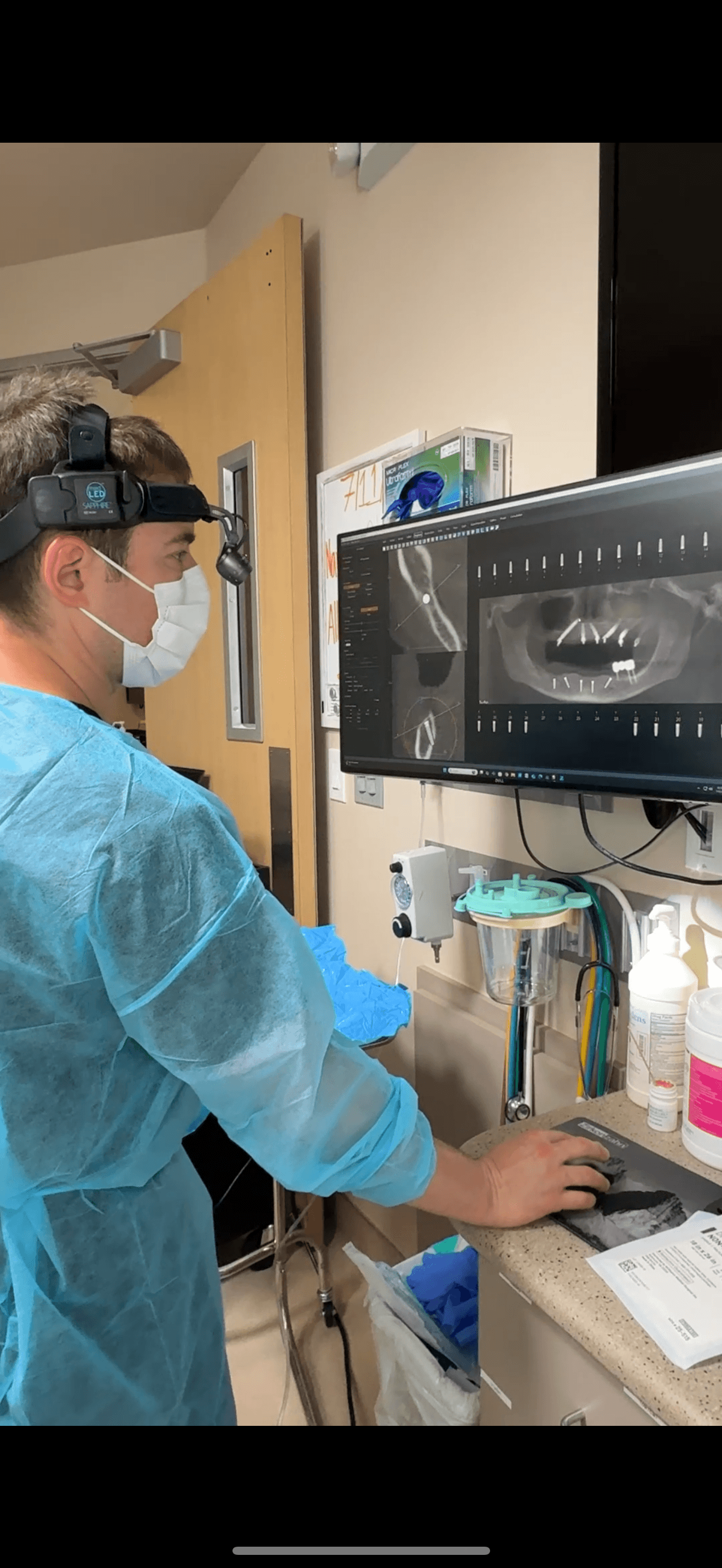
- Proper diagnostics using 3D imaging
- Appropriate implant selection
- Controlled loading protocols
- Regular professional maintenance
- Patient education and compliance
Most implant failures are preventable.
Expert Care in Sacramento
At Fusion Dental Implants, we use advanced diagnostics and proven protocols to minimize failure risk. Our specialists monitor every case from planning through long-term maintenance.
About Fusion Dental Implants: Comprehensive implant care in Roseville and El Dorado Hills.