

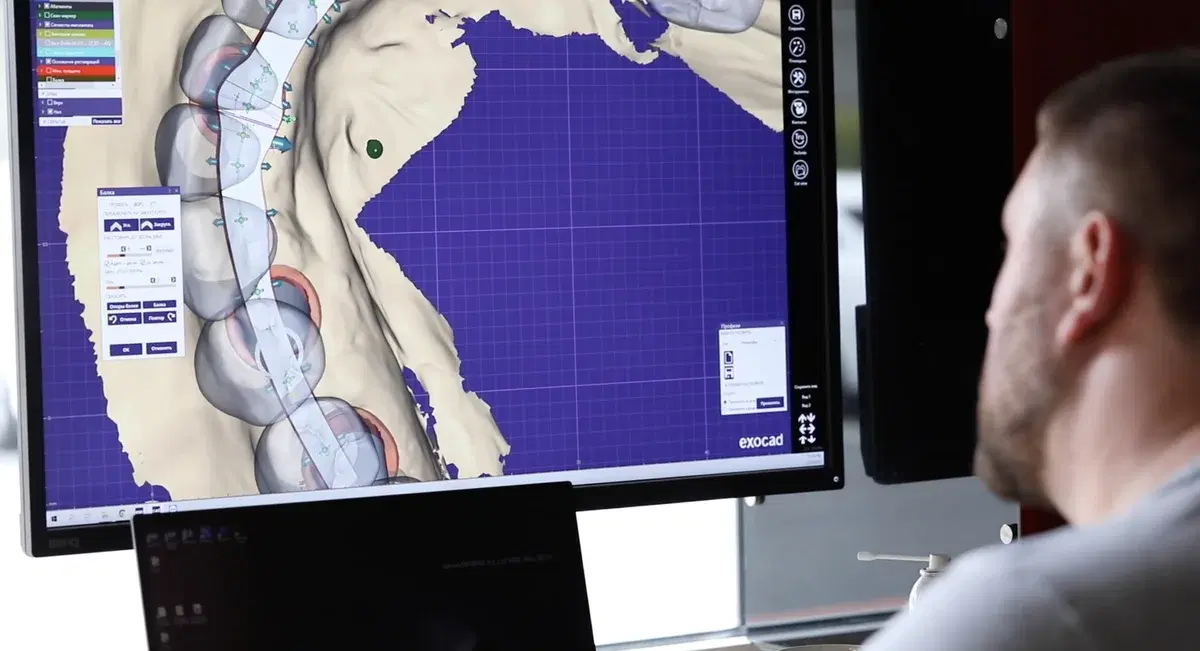
Guided Dental Implant Surgery: How 3D Planning Improves Accuracy
Overview
Modern implant dentistry has changed dramatically in the last decade, and guided dental implant surgery is one of the biggest upgrades. Instead of relying only on freehand placement, guided surgery uses 3D imaging and digital planning to map the safest, most precise implant position before your procedure even starts.
This approach is especially valuable for complex cases like full-arch restoration, where multiple implants must be placed at ideal angles to support a secure, natural-looking set of teeth.
Key Takeaways
Guided dental implant surgery uses 3D scans and digital planning to place implants more accurately.
Surgical guides can reduce guesswork, improve safety near nerves and sinuses, and support prosthetically driven planning.
Many patients experience smaller incisions, shorter surgery time, and a smoother recovery compared to traditional approaches.
Guided planning can be especially helpful for full-arch cases, where implant positions impact bite, strength, and smile design.
What Is Guided Dental Implant Surgery?
Guided dental implant surgery is a technique where implant placement is planned digitally using 3D imaging, then transferred to the mouth using a custom surgical guide. The guide acts like a precise template, helping the clinician place implants in the exact position, depth, and angle that were planned on the computer.
Traditional implant placement can be done freehand, and many experienced clinicians achieve excellent outcomes that way. Guided surgery adds another layer of precision by connecting the treatment plan to a physical guide, so the surgical execution closely matches the digital plan.
The Role of 3D Imaging and Digital Planning
Guided planning typically combines:
CBCT scans (3D X-ray imaging): Shows bone volume, density patterns, nerve pathways, and sinus anatomy.
Intraoral scans or digital impressions: Captures the exact shape of your teeth and gums.
Virtual planning software: Aligns the scan data so implant placement is based on bone anatomy and the final tooth design.
This matters because implant success is not just about “putting a post in bone.” It’s about placing implants where they can support the final teeth comfortably, look natural, and handle chewing forces long term.
What Makes Guided Surgery More Accurate?
Guided surgery helps improve accuracy in three key ways:
1) Prosthetically driven planning
Implants are planned based on where the final teeth need to be, not only where bone is easiest. This is critical for full-arch cases because the bite, smile line, and strength of the bridge all depend on implant positioning.
2) Safer navigation around anatomy
3D planning helps avoid sensitive areas like:
the inferior alveolar nerve in the lower jaw
sinuses in the upper jaw
thin bone zones where stability may be harder to achieve
3) Controlled depth and angulation
A surgical guide limits drift. That means the drill path and implant angle are more consistent with the plan, especially when multiple implants must work together for a single prosthesis.
Guided vs Partially Guided: What’s the Difference?
Not every “guided” case is guided the same way. Your dentist may explain one of these approaches:
Fully guided: The guide controls the drilling sequence and implant placement depth and angle.
Pilot-guided: The guide helps start the position accurately, then the rest is completed with careful clinical control.
Hybrid approach: Used when a case needs both guided precision and flexibility, for example when bone reduction or soft tissue adjustments are needed.
The right choice depends on your anatomy, bone conditions, and whether you are restoring a single tooth or a full arch.
Why Guided Dental Implant Surgery Can Be Ideal for Full-Arch Restoration
Full-arch restoration often involves placing multiple implants in positions that allow a strong, stable, natural-looking bridge. Guided planning can help because:
implants must be aligned for even bite force distribution
the final teeth must sit in a natural position for speech and aesthetics
prosthesis fit depends heavily on accurate implant placement
same-day temporary teeth, when appropriate, benefit from precise positioning
If you are exploring full-arch solutions in Roseville, you can review options here: https://fusiondentalimplants.com/roseville/full-arch-restoration
Step-by-Step: How Guided Dental Implant Surgery Works
Step 1: Consultation and clinical evaluation
Your dentist evaluates your gum health, bite, medical history, and goals. This is also when you discuss whether you want a single implant, multiple implants, or a full-arch solution.
Step 2: CBCT scan and digital impressions
A CBCT scan captures a 3D view of your jawbone and surrounding anatomy. Digital impressions or intraoral scans capture the surface shape of your gums and existing teeth.
Step 3: Virtual treatment planning
The dental team plans:
implant number and positions
angles and depths
prosthesis design and bite relationship
spacing for cleaning and long-term maintenance
Step 4: Surgical guide design and fabrication
A custom guide is created based on your plan. Depending on the case, guides can be tooth-supported, gum-supported, or bone-supported.
Step 5: Implant placement procedure
During surgery, the guide is secured in place and used to direct the drilling sequence and implant placement. Many guided cases can be less invasive because the plan is precise and the access can be more controlled.
Step 6: Temporary teeth and follow-up
In some cases, especially full-arch treatment, a temporary fixed bridge may be placed the same day or shortly after. Your dentist then monitors healing and confirms that the implants integrate well before placing the final restoration.
What to Expect During Recovery
Recovery varies by case complexity, number of implants, and whether extra steps are involved (extractions, grafting, bone reduction). Many patients experience:
mild to moderate soreness for a few days
swelling that peaks early and then improves
a short-term soft food period
follow-up visits to monitor healing and hygiene
A key advantage of guided planning is that it can reduce surgical surprises, which often means a smoother overall experience.
Are There Risks With Guided Dental Implant Surgery?
Guided surgery can reduce certain risks by improving accuracy, but it does not eliminate risk completely. Potential risks still include:
infection
bleeding or swelling
implant integration failure
nerve or sinus complications, especially in challenging anatomy
mechanical issues later, such as screw loosening or wear of restorations
The goal of guided planning is to lower the likelihood of placement-related complications and improve predictability, especially when multiple implants must support one prosthesis.
Who Is a Good Candidate?
Many people are candidates for guided dental implant surgery, including those needing single-tooth implants and those considering full-arch restoration. A clinician will evaluate:
bone volume and bone quality
gum health and inflammation
bite forces and grinding habits
medical factors that impact healing
whether the case benefits from guided precision, especially for multi-implant work
If bone support is limited, your plan may include grafting or staged treatment, and guided planning still helps map the safest approach.
Frequently Asked Questions
What imaging is used in guided dental implant surgery?
Most guided cases use CBCT imaging for 3D planning. Digital scans of the teeth and gums are also commonly used so the surgical plan matches the final tooth design.
How long does guided dental implant surgery take?
The surgical portion can vary widely. Some single-implant cases may be completed quickly, while full-arch cases take longer due to multiple implants and additional steps. The planning phase happens before surgery, and that is a big part of what improves accuracy and predictability.
Is guided dental implant surgery painful?
The procedure is typically done under local anesthesia, and sedation options may be available depending on your comfort needs. Most patients describe pressure during treatment and mild to moderate soreness afterward, which is usually manageable with recommended medications and aftercare.
Can guided surgery support same-day teeth for full-arch cases?
In many full-arch cases, guided planning can help support a same-day temporary fixed bridge when clinical conditions allow. Eligibility depends on implant stability, bite forces, and your overall plan. Your dentist should explain whether immediate loading is appropriate and what restrictions you’ll follow during healing.
Is guided dental implant surgery safer than freehand placement?
Guided planning can improve safety in many cases because it helps the clinician avoid nerves and sinuses and place implants where they best support the final teeth. Freehand placement can also be very successful, especially with experienced clinicians. The best approach depends on your anatomy, complexity, and treatment goals.
Does guided surgery reduce recovery time?
It can, especially when guided placement allows smaller incisions or more efficient surgery. Recovery still depends on the number of implants, extractions, grafting, and individual healing factors.
Does guided dental implant surgery cost more?
Sometimes guided cases have additional planning and guide fabrication costs. Many patients find the added precision and predictability worth it, especially for full-arch treatment where accurate positioning affects the long-term fit and performance of the prosthesis.
What if I need bone grafting or extractions?
Guided planning can still be used alongside extractions or grafting, depending on timing and case design. Your dentist may recommend staged steps to improve stability, especially if infection or bone loss is present.
Conclusion
Guided dental implant surgery combines 3D imaging, digital planning, and custom surgical guides to improve precision and predictability. For many patients, this means better implant positioning, fewer surprises during surgery, and more confidence in the final result. It can be especially helpful for full-arch restoration, where implant alignment directly impacts strength, bite comfort, and aesthetics.
If you are exploring full-arch implant options in Roseville, learn more here: https://fusiondentalimplants.com/roseville/full-arch-restoration
Key Term Definitions
TERM: Guided Dental Implant Surgery
DEFINITION: Guided dental implant surgery is implant placement planned digitally and performed using a custom surgical guide. The guide helps control implant position, angle, and depth for higher precision.
TERM: CBCT Scan
DEFINITION: A CBCT scan is a 3D dental imaging scan that shows jawbone anatomy, nerve pathways, and sinus location. It supports safer planning by allowing clinicians to evaluate bone volume and critical structures.
TERM: Intraoral Scan
DEFINITION: An intraoral scan is a digital impression of your teeth and gums taken with a handheld scanner. It helps match implant planning to the shape of your mouth and the final restoration design.
TERM: Surgical Guide
DEFINITION: A surgical guide is a custom-made template that fits over teeth, gums, or bone during implant placement. It directs drilling and placement so the surgery follows the digital plan closely.
TERM: Prosthetically Driven Planning
DEFINITION: Prosthetically driven planning means placing implants based on the ideal position of the final teeth, not only the easiest bone location. This helps improve bite function, aesthetics, and long-term maintenance.
TERM: Full-Arch Restoration
DEFINITION: Full-arch restoration replaces all teeth in the upper or lower arch using an implant-supported bridge or prosthesis. It typically relies on multiple implants for stability and strong chewing function.
TERM: Immediate Loading
DEFINITION: Immediate loading is placing a temporary fixed set of teeth on implants soon after surgery, sometimes the same day. It requires sufficient implant stability and careful bite control during healing.
TERM: Osseointegration
DEFINITION: Osseointegration is the process where bone bonds to the implant surface after placement. This bonding creates long-term stability and usually takes several months.
TERM: Implant Stability
DEFINITION: Implant stability is how firmly an implant is held in bone, first at placement and later after healing. Higher stability reduces micromovement and supports successful integration.
TERM: All-on-4
DEFINITION: All-on-4 is a full-arch treatment concept that uses four implants to support a fixed bridge in many cases. Implant angles and positions are planned carefully, and guided planning is often used to improve accuracy.