

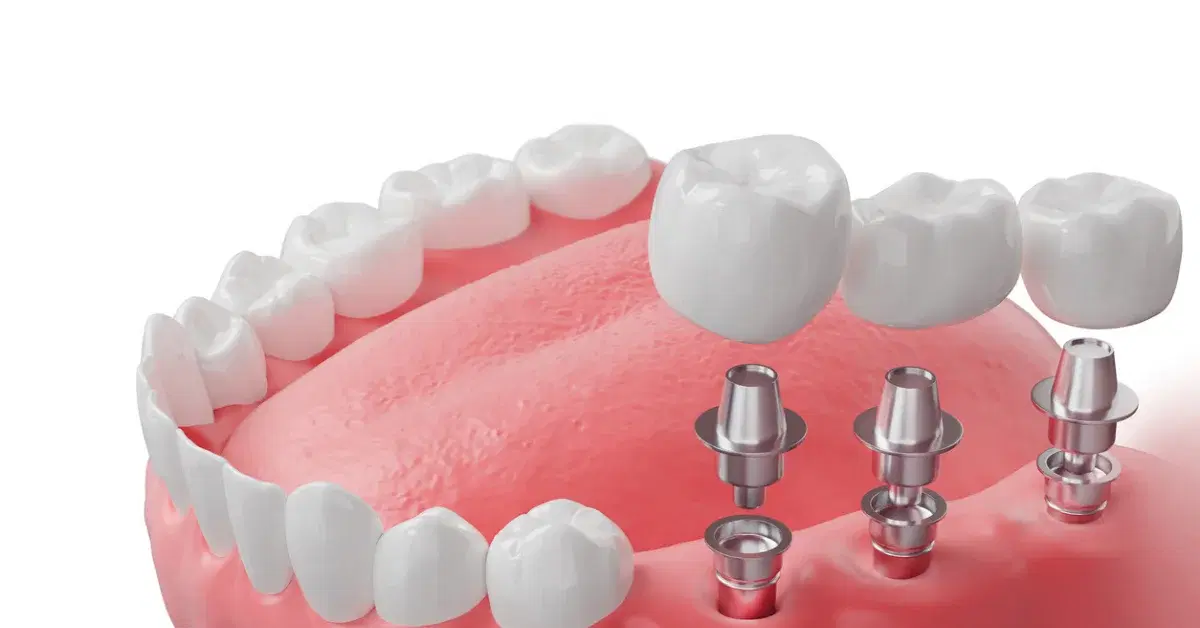
Discover the pros and cons of zirconia dental implants, a growing alternative to traditional titanium options. While they offer aesthetic appeal and biocompatibility, it's essential to weigh their potential brittleness and limited research before making a decision.
When exploring dental implant options, many individuals are curious about zirconia dental implants. This innovative type of implant has gained popularity due to its aesthetic advantages and potential health benefits. However, like any dental procedure, there are both benefits and drawbacks to consider. Below, we break down the zirconia dental implants pros and cons to help you make an informed decision.
Key Takeaways
-
Zirconia dental implants are a biocompatible, aesthetically pleasing alternative to titanium implants.
-
Key drawbacks include potential brittleness and limited long-term research compared to titanium.
-
The “best” choice depends on your anatomy, bite forces, health history, and treatment goals.
What Are Zirconia Dental Implants?
Zirconia dental implants are crafted from zirconium dioxide, a ceramic material known for its strength and durability. Unlike conventional titanium implants, zirconia implants are metal-free, which can be appealing for patients with metal allergies or sensitivities. Their white color also more closely resembles natural tooth enamel, which may improve aesthetics in certain cases.
Advantages of Zirconia Dental Implants
1. Aesthetic Appeal
One of the most notable benefits of zirconia implants is their natural-looking color. This can be especially valuable in highly visible areas or if gum recession is a concern, since zirconia is less likely to show a grayish tone through thin gum tissue.
2. Biocompatibility
Zirconia is highly biocompatible, which may reduce the risk of adverse reactions. This is particularly relevant for individuals who are sensitive to metals or prefer a metal-free implant option.
3. Reduced Risk of Corrosion
Because zirconia is ceramic rather than metal, it does not corrode like metal materials can. This helps maintain the material’s integrity over time.
4. Less Thermal Conductivity
Zirconia has lower thermal conductivity than metal, which may feel more comfortable for some patients during hot/cold temperature changes in food and beverages.
5. Easy to Clean
Zirconia surfaces can be less prone to plaque retention in certain contexts, which may support better hygiene around the implant—though daily home care remains essential regardless of material.
Disadvantages of Zirconia Dental Implants
1. Potential Brittleness
While zirconia is strong, it can be more brittle than titanium. This may increase the risk of fracture in high-stress situations, such as heavy grinding (bruxism) or significant bite forces.
2. Limited Long-Term Research
Zirconia implants have less long-term outcome data compared to titanium, which has decades of research behind it. That doesn’t mean zirconia is “bad”—but it does mean evidence is still developing.
3. Higher Cost
Zirconia implants can be more expensive due to materials and manufacturing. For some patients, cost may be a deciding factor.
4. Availability and Provider Experience
Not every clinic offers zirconia implants, and experience levels can vary. If you’re considering zirconia, it’s important to choose a provider familiar with the material and indications.
5. Limited Implant Options
Depending on the system and clinic, zirconia may have fewer design options compared with titanium, which can influence planning in complex cases.
Comparing Zirconia and Titanium Implants
When evaluating the zirconia dental implants pros and cons, it helps to compare them directly with titanium:
-
Aesthetics: Zirconia is tooth-colored; titanium is metallic and may be visible if gums recede.
-
Strength: Titanium has an extensive record for strength and durability; zirconia is strong but may be more brittle under extreme forces.
-
Biocompatibility: Both are generally well-tolerated, but zirconia may be preferred for patients with metal sensitivities.
-
Evidence base: Titanium has more long-term research; zirconia has growing but more limited long-term data.
-
Cost/availability: Zirconia may be more expensive and less widely offered depending on the provider.
Making the Right Decision
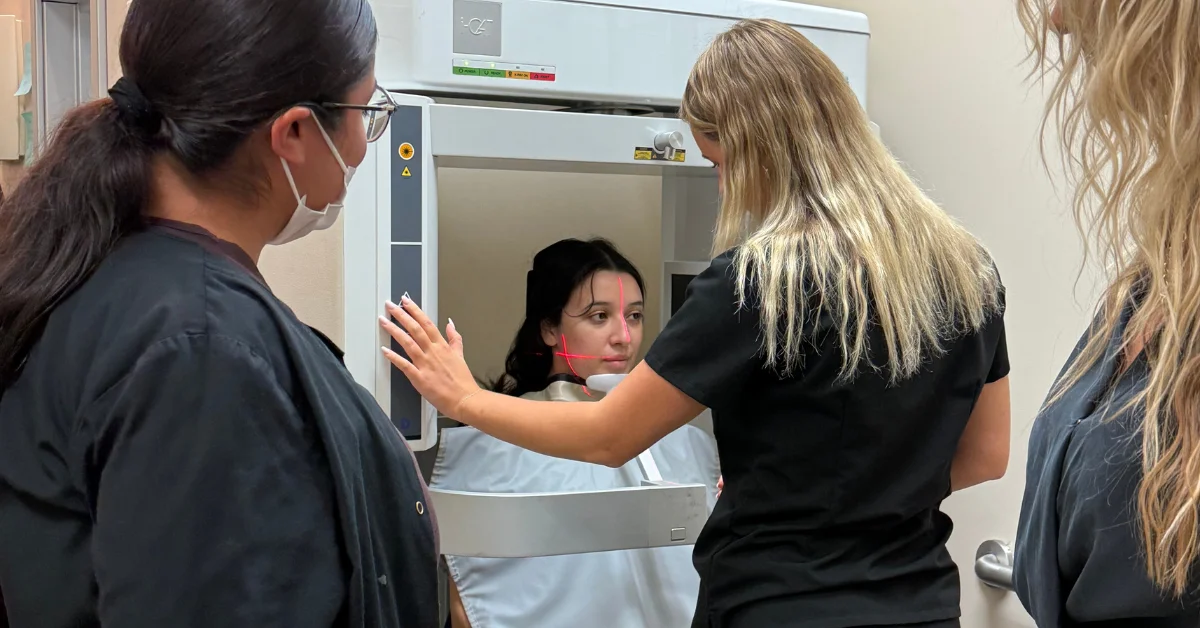
Choosing an implant material isn’t just about “zirconia vs titanium”—it’s about your specific clinical situation. Bone levels, gum thickness, bite forces, and your restorative plan all matter. If you’re considering a full-mouth or fixed solution, it’s worth discussing how implant material fits into your overall plan for full-arch restoration and long-term stability.
Factors to Consider
-
Allergies/sensitivities: If you have metal concerns, zirconia may be appealing.
-
Location: Aesthetics may matter more in front teeth; function and load management matter everywhere.
-
Budget: Consider total treatment cost, not only implant material.
-
Provider experience: Choose a team that routinely plans and restores the implant type you prefer.
Your Questions Answered
Q1: Are zirconia dental implants as strong as titanium implants?
A1: Zirconia implants are strong, but they can be more brittle than titanium, making them more susceptible to fracture in high-stress situations.
Q2: How long do zirconia dental implants last?
A2: Longevity varies. Zirconia is durable, but long-term research is more limited compared to titanium. Many patients report satisfaction with their results.
Q3: Can I get zirconia implants if I have a metal allergy?
A3: Yes. Zirconia implants are metal-free and highly biocompatible, making them a common option for patients with metal sensitivities.
Q4: What is the recovery time for zirconia dental implants?
A4: Healing timelines vary, but many patients should expect several months before the final restoration is placed, depending on bone healing and treatment plan.
Q5: Are zirconia implants more expensive than titanium implants?
A5: Often, yes. Zirconia may cost more due to materials and manufacturing processes.
Q6: Do zirconia implants require special care?
A6: No special care beyond excellent oral hygiene—brush, clean between teeth/implants daily, and attend routine check-ups to protect gum and bone health.
Conclusion
Zirconia dental implants can be an attractive option for patients who want a metal-free, tooth-colored alternative. The main trade-offs are potential brittleness under extreme forces, higher cost, and a smaller long-term evidence base compared with titanium. The best next step is a professional evaluation to confirm candidacy and discuss the most predictable solution for your goals, including options for full-arch restoration if you’re considering a fixed, full-smile approach.
Key Definitions
TERM: Zirconia Dental Implants
DEFINITION: Dental implants made from zirconium dioxide (a ceramic). They are metal-free and tooth-colored, often chosen for aesthetics or metal sensitivity concerns.
TERM: Biocompatibility
DEFINITION: How well a material is tolerated by the body without triggering adverse reactions or inflammation.
TERM: Aesthetic Appeal
DEFINITION: How natural an implant and restoration look relative to surrounding teeth and gum tissue.