
Discover essential tips for dental implant maintenance to ensure longevity and a healthy smile. Learn effective cleaning methods and routines today!
Why dental implant maintenance matters
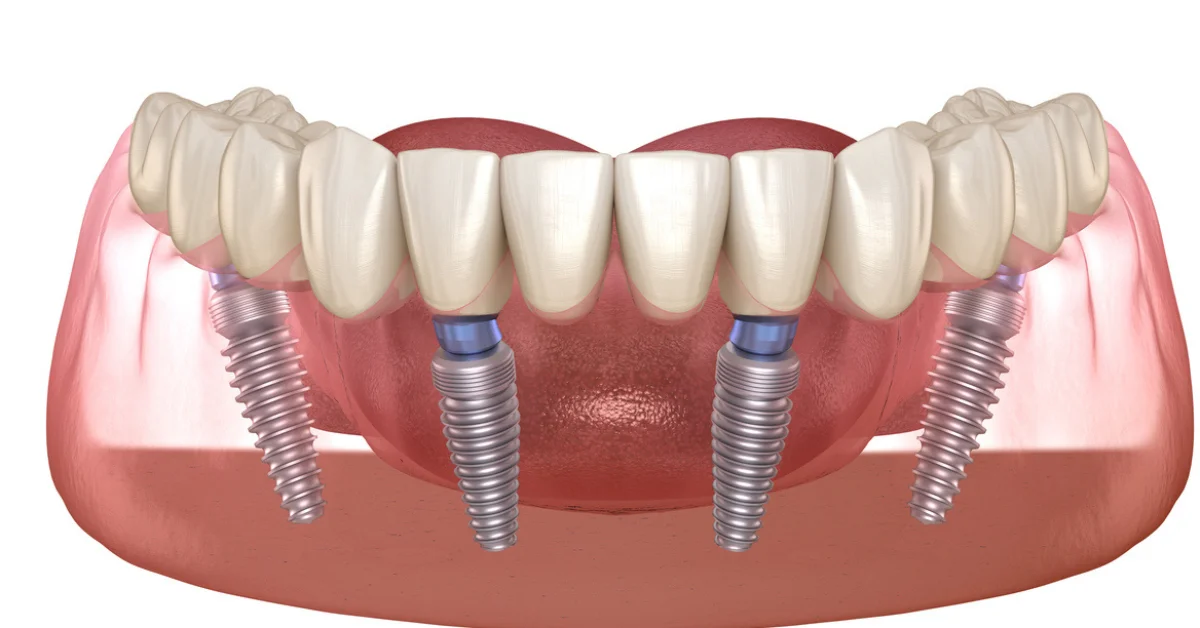
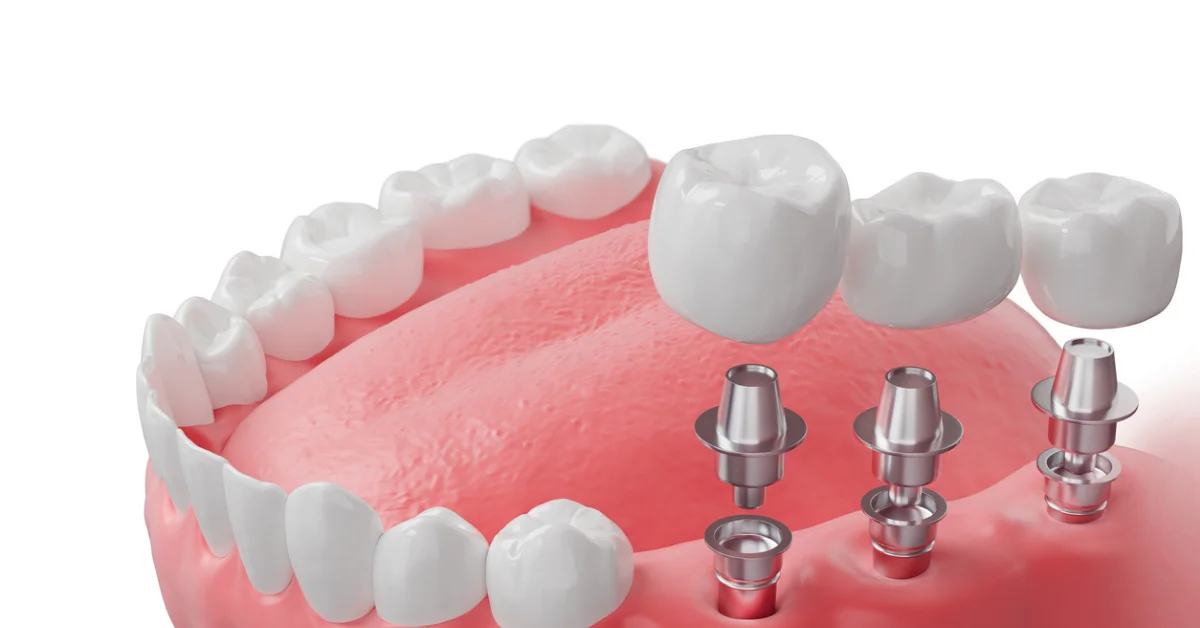
Dental implants are built to last, but long-term success depends on keeping the gums and supporting bone healthy. Implants don’t get cavities, yet plaque can still build up around the gumline and trigger inflammation. A consistent dental implant maintenance routine helps reduce the risk of gum irritation and protects the stability of your implant crown, bridge, or full-arch restoration.
Key takeaways
-
Clean implants daily (brushing + interdental cleaning) to protect the gumline.
-
Use the right tools for your restoration type (single crowns vs bridges vs full arch).
-
Keep regular professional checkups to spot early inflammation and protect longevity.
Your daily dental implant maintenance routine
Brush twice daily
Use a soft-bristle toothbrush (manual or electric) and clean carefully along the gumline. Gentle, thorough brushing is more important than scrubbing hard.
Clean between teeth and around implants every day
Interdental cleaning is essential because plaque tends to collect where brushes don’t reach. Depending on your implant restoration, your dentist may recommend floss, floss threaders, or interdental brushes.
Consider a water flosser
Water flossers can be especially helpful for bridges and full-arch restorations where cleaning under the prosthesis is more complex. They’re a great add-on, but not a full replacement for brushing.
Choose low-abrasive toothpaste
Low-abrasive toothpaste is generally recommended to reduce unnecessary wear on restorations and support gum comfort.
Mouthwash: alcohol-free is usually best
If you use mouthwash, alcohol-free options are often preferred. Your dentist may recommend an antimicrobial rinse for short-term use if inflammation is present.
Best tools for dental implant maintenance
-
Soft toothbrush or electric toothbrush for everyday plaque removal
-
Interdental brushes (correct size matters—too large can irritate tissues)
-
Floss threaders / implant-friendly floss for bridges and hard-to-reach areas
-
Water flosser for cleaning around full-arch restorations
-
Mirror + good lighting to check areas you tend to miss
Maintenance by restoration type
Single implant crown
Clean it like a natural tooth: brush twice daily and clean between teeth once per day. Focus on the gumline where inflammation often starts.
Implant bridge
Bridges often require floss threaders or special bridge floss to clean under the pontic area. A water flosser can help flush debris under the bridge.
Full-arch fixed restoration
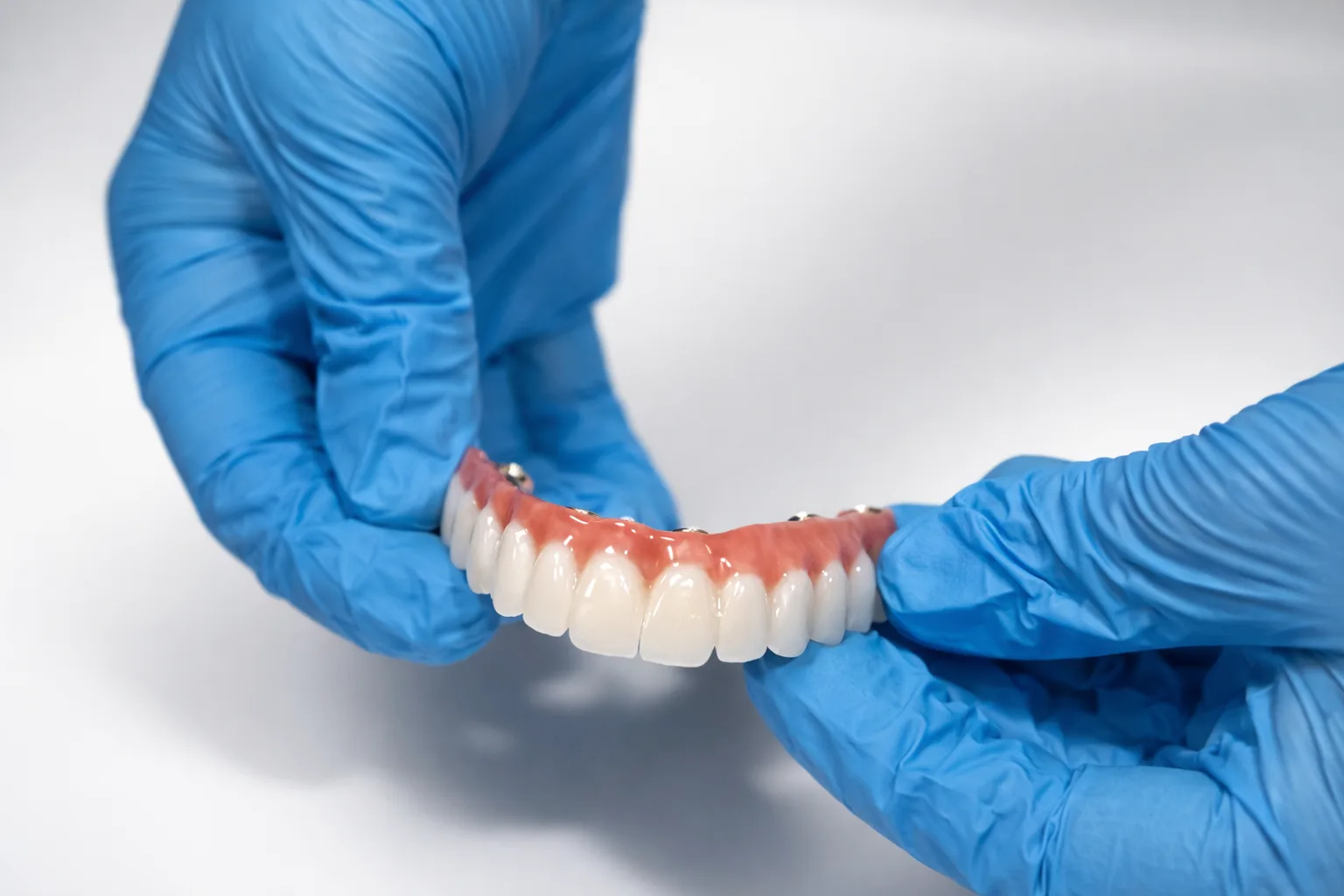
Full-arch restorations require consistent cleaning under the prosthesis. Many patients do best with a combination of brushing, water flossing, and the interdental tools recommended by their dentist.
Professional maintenance and checkups
Most patients benefit from professional cleaning and implant checks every 6 months. If you have a history of gum disease, smoke, or have a complex full-arch restoration, your dentist may recommend more frequent maintenance.
Foods and habits to avoid
After healing, you can usually eat most foods, but it’s smart to avoid extreme forces that can damage restorations—like chewing ice or biting very hard foods with your front teeth. If you grind your teeth, ask about a night guard to protect implants and natural teeth.
Warning signs to watch for
-
Bleeding when brushing around implants
-
Redness, swelling, tenderness, or bad taste
-
Discharge/pus or fever
-
A change in your bite or a “high spot” feeling
-
Any looseness of an implant crown, bridge, or full arch
Your questions answered
1. How often should I clean my dental implants?
You should clean your dental implants at least twice daily, just like natural teeth. Additionally, floss or use interdental cleaning once a day to support gum health.
2. Can I use regular toothpaste on my dental implants?
Using a low-abrasive (non-scratching) toothpaste is recommended, as overly abrasive pastes can wear or scratch some restorations and irritate the gumline.
3. What should I do if I notice swelling around my implant?
If you experience swelling, redness, bleeding, or pain around your implant, contact your dentist promptly. These can be signs of inflammation or infection that needs professional care.
4. Are there any foods I should avoid with dental implants?
You can eat most foods with dental implants, but it’s wise to avoid very hard foods (like ice or hard candies) that can damage restorations. Follow your dentist’s guidance, especially early on.
5. How can I tell if my implant is failing?
Common warning signs include persistent pain, swelling, bleeding, discharge/bad taste, or any looseness in the implant crown/bridge. If you notice these, book an evaluation quickly.
6. Can I use a mouthwash with alcohol for my dental implants?
Alcohol-free mouthwash is generally preferred because alcohol can dry or irritate the gums. If you need an antimicrobial rinse, follow your dentist’s recommendation.
Conclusion
Dental implant maintenance is straightforward when you stick to a daily routine and keep regular professional checkups. Brush gently, clean between teeth and around implants every day, use the tools that match your restoration, and don’t ignore early warning signs. With consistent care, implants can stay comfortable, functional, and healthy for many years.
Key definitions
TERM: Dental implant maintenance
DEFINITION: Daily and professional care routines (brushing, interdental cleaning, checkups) that protect the gums, bone, and restorations around dental implants.
TERM: Peri-implant inflammation
DEFINITION: Gum and tissue inflammation around an implant, often triggered by plaque buildup; early treatment helps prevent progression.
TERM: Full-arch restoration
DEFINITION: A fixed implant-supported bridge that replaces an entire arch of teeth and requires cleaning under the prosthesis.
Ready to Transform Your Smile?
Schedule your free consultation today and discover how dental implants can change your life.