Dental Implant Failure Symptoms Guide
Discover essential insights in the Dental Implant Failure Symptoms Guide, which highlights key signs like pain and swelling that could indicate issues with your dental implants. Early detection and professional consultation are crucial for maintaining your dental health.
Dental implants are a popular solution for replacing missing teeth. While many people enjoy successful outcomes, some may experience complications. Understanding the dental implant failure symptoms guide will help you recognize potential issues early and take appropriate action.
Key Takeaways:
-
Common symptoms of dental implant failure include pain, swelling, and mobility of the implant.
-
Early detection of these symptoms can help prevent further complications.
-
Consulting with a dental professional is essential if you experience any concerning signs.
What Are Dental Implants?
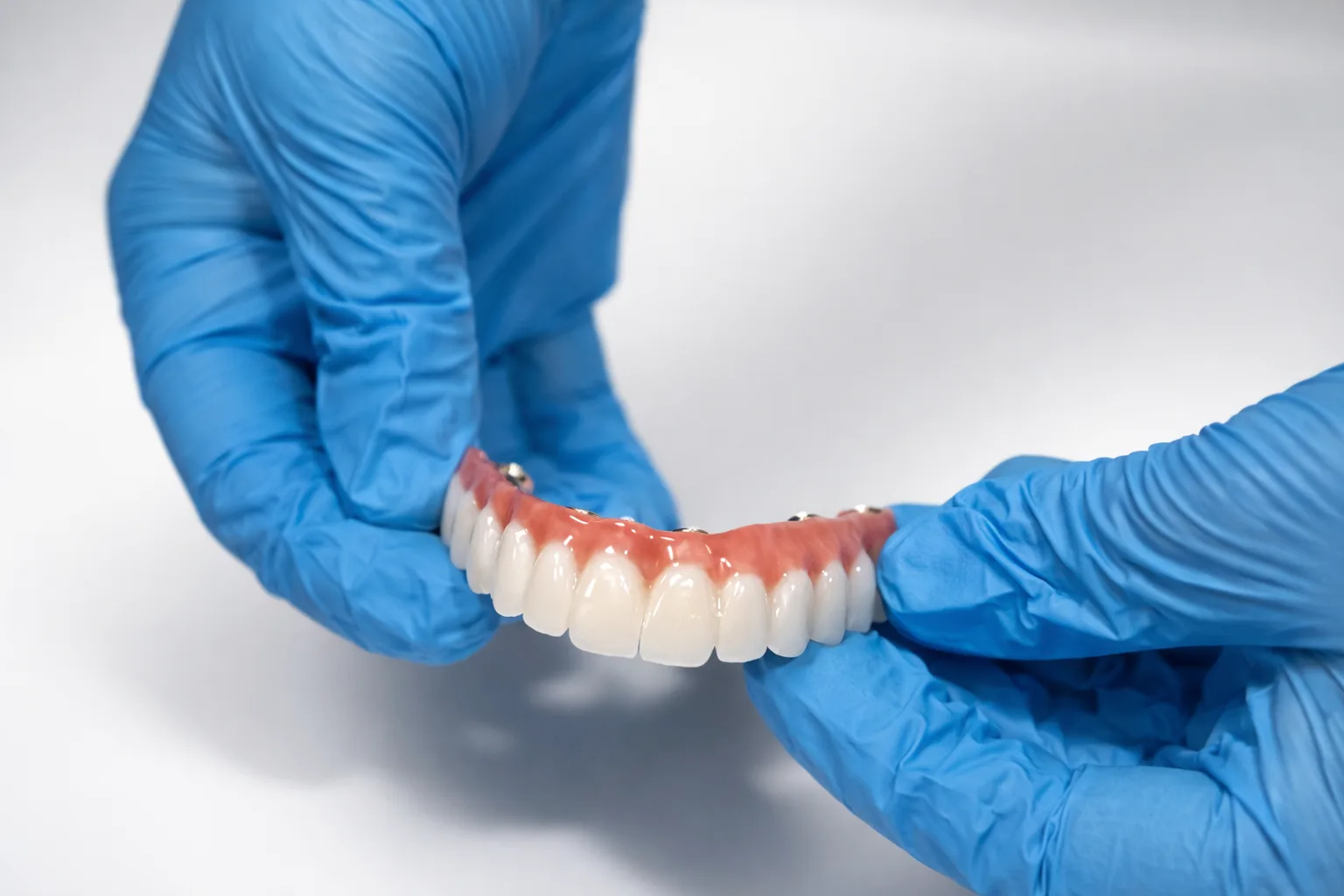
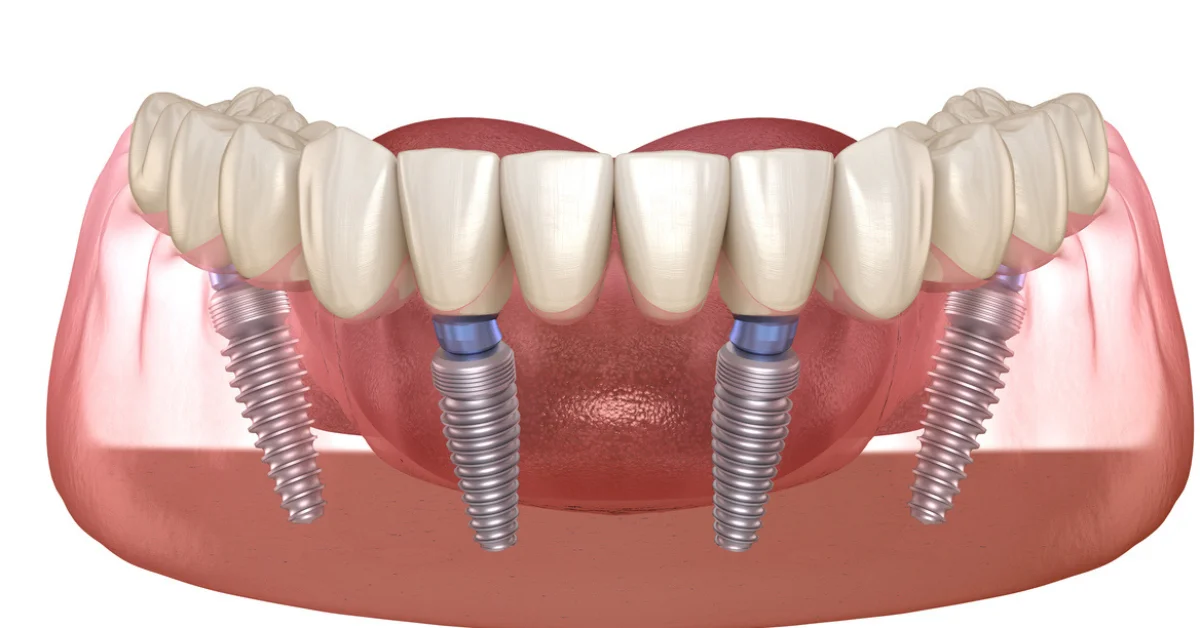
Dental implants are artificial tooth roots made of biocompatible materials, typically titanium, that are surgically placed into the jawbone. They provide a stable foundation for fixed or removable replacement teeth, known as crowns or dentures. Dental implants mimic the function of natural teeth and can last many years with proper care.
Understanding Dental Implant Failure
While dental implants are designed to be durable, various factors can lead to failure. Understanding what constitutes failure can help you recognize symptoms early. Common causes of failure include:
-
Poor osseointegration: If the implant does not fuse properly with the jawbone, it may become loose.
-
Infection (peri-implantitis): Infection around the implant can cause inflammation and bone loss.
-
Excessive stress: Teeth grinding or bite issues can overload the implant and compromise stability.
-
Medical conditions: Conditions like uncontrolled diabetes or autoimmune issues can affect healing.
Common Dental Implant Failure Symptoms
Recognizing the signs of potential implant failure is crucial for timely intervention. Here are some typical symptoms to watch for:
1. Persistent Pain or Discomfort
While some discomfort is normal after surgery, persistent pain that does not diminish over time can be a warning sign. This pain may indicate infection or other complications.
2. Swelling and Inflammation
Swelling around the implant site that continues beyond the initial healing period may suggest infection or issues with osseointegration. Healthy tissue should not remain swollen long-term.
3. Mobility of the Implant
If you notice that your dental implant feels loose or shifts when biting down, it could indicate that osseointegration has failed. This symptom requires immediate attention from a dental professional.
4. Gum Recession
The gums around the implant should remain stable. If you see signs of recession, such as exposure of the implant or increased sensitivity, this could signal a problem.
5. Bad Breath or Unpleasant Taste
Chronic bad breath or a foul taste in the mouth can be signs of infection. If these symptoms persist, it's essential to consult your dentist.
6. Bone Loss
In some cases, dental X-rays may reveal bone loss around the implant. If you experience any of the above symptoms, your dentist may recommend imaging to evaluate the situation.
What to Do If You Experience Symptoms
If you notice any dental implant failure symptoms, it is crucial to act promptly. Here are steps to take:
Step 1: Contact Your Dentist
The first action should always be to reach out to your dental professional. If you’re unsure what you’re feeling is normal, it’s better to be evaluated early than to wait.
Step 2: Get a Professional Evaluation
Your dentist may recommend X-rays, a gum assessment, and a bite check to identify the underlying issue. If you need a specialist consult, you can learn more about dental implant evaluation and full-arch options.
Step 3: Consider Treatment Options
Treatment will depend on the cause of the symptoms. Options may include:
-
Antibiotics: If infection is present, medication may be used to control bacteria and inflammation.
-
Deep cleaning/implant maintenance: In early peri-implantitis cases, professional cleaning can stabilize the area.
-
Surgical intervention: In more advanced cases, surgery may be needed to remove infected tissue or stabilize the implant.
-
Bone grafting: If bone loss is significant, grafting may be recommended before re-treatment.
Prevention of Dental Implant Failure
Preventing dental implant failure starts with proper care and maintenance. Consider the following tips:
-
Oral hygiene: Brush and floss daily and keep up with professional cleanings.
-
Avoid smoking: Smoking slows healing and increases infection risk.
-
Manage health conditions: Keep chronic conditions under control to support healing.
-
Follow post-op instructions: Stick closely to what your dentist recommends after placement.

Long-Term Care for Dental Implants
Once your dental implant is successfully integrated, ongoing care will help ensure its longevity. Here are some long-term care tips:
-
Regular dental visits: Schedule check-ups to monitor implant health.
-
Avoid hard foods: Don’t overload implants with very hard foods or habits like chewing ice.
-
Use a night guard: If you grind your teeth, protect your implants with a night guard.
Your Questions Answered
1. What is the most common symptom of dental implant failure?
The most common symptom is persistent pain or discomfort around the implant site, especially if it does not improve over time.
2. How long does it take for dental implants to fail?
Failure can occur at any time, but it is most common within the first few months after placement when osseointegration is not successful.
3. Can I prevent dental implant failure?
Yes, by maintaining good oral hygiene, avoiding smoking, and managing health conditions, you can help reduce the risk of failure.
4. What should I do if my implant feels loose?
If you notice any mobility in your implant, contact your dentist immediately for an evaluation.
5. Are infections common after dental implant placement?
Infections can occur but are not common if proper care is taken. Prompt treatment can often resolve any issues.
6. How can I ensure the long-term success of my dental implants?
Regular dental visits, maintaining oral hygiene, and avoiding hard foods will help ensure the longevity of your dental implants.
Conclusion
Understanding the dental implant failure symptoms guide is essential for anyone considering or currently undergoing dental implant procedures. Being aware of the signs of complications and knowing what to do next can make a significant difference in preserving your oral health. If you experience any concerning symptoms, don't hesitate to reach out to your dental professional for advice and support. Your smile deserves the best care possible.
Need a specialist to check your implant? Learn more about options for full-arch restoration and implant care at Fusion Dental Implants Roseville.
Ready to Transform Your Smile?
Schedule your free consultation today and discover how dental implants can change your life.