Dental implants offer a long-lasting solution for missing teeth, and many patients keep their implants for decades. While there’s no single answer for everyone, most implants last 10 to 30+ years with proper care. The biggest factors that influence longevity are oral hygiene, overall health, bite forces, and the experience of the dental team—making regular check-ups an essential part of long-term success.
Dental implants have transformed restorative dentistry by providing a stable, natural-feeling replacement for missing teeth. A common question patients ask is: how long do dental implants last and why do some last longer than others? The good news is that implants are designed to be durable, but their lifespan depends on how well they integrate with the bone and how consistently they’re maintained afterward.
Key Takeaways:
-
Dental implants can often last 10 to 30+ years with proper care.
-
Oral hygiene, lifestyle choices, and professional expertise strongly influence implant longevity.
-
Regular dental check-ups help protect both the implant and the surrounding gum and bone.
What Are Dental Implants?
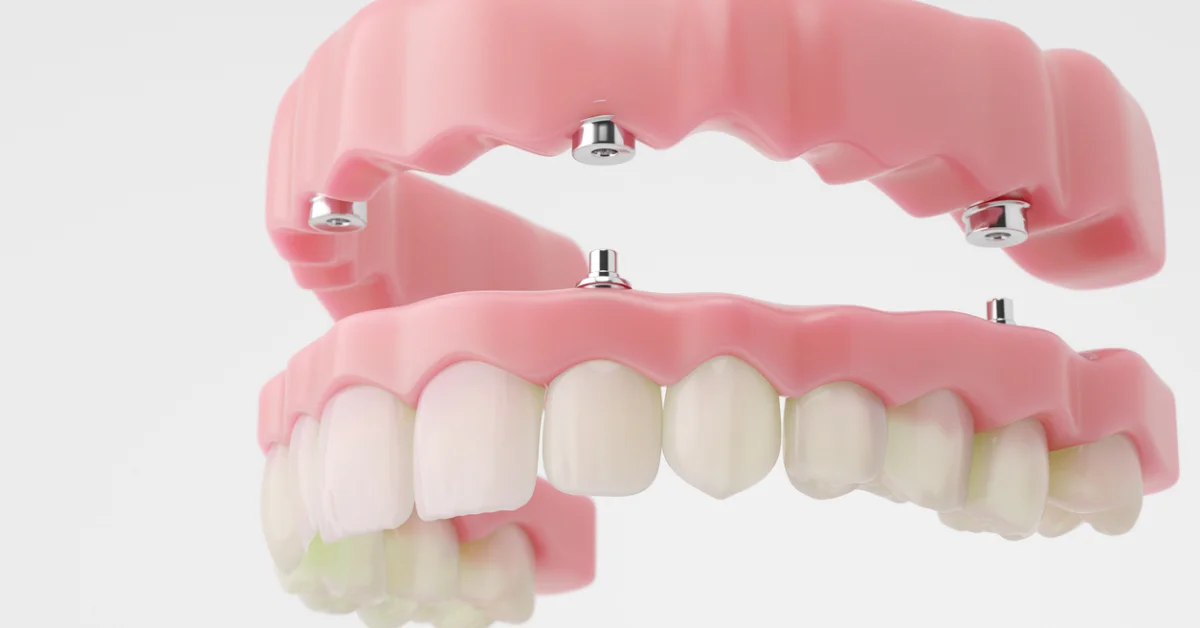
Before discussing lifespan, it helps to understand what a dental implant is. Dental implants are made up of three main components:
-
Implant screw: A titanium post placed in the jawbone that acts like an artificial tooth root.
-
Abutment: A connector that attaches to the implant and supports the restoration.
-
Crown (or bridge/denture): The visible tooth replacement designed to look and function like a natural tooth.
Because implants replace the root structure (not just the tooth), they offer stability and help support healthy bone levels over time.
How Long Do Dental Implants Typically Last?
On average, dental implants can last 10 to 30 years or longer. Many patients keep their implants for life, especially when gum health remains stable and daily care is consistent. When people ask how long do dental implants last and why, the “why” usually comes down to maintenance and risk factors—some of which are fully controllable.
Factors That Influence Implant Longevity
Oral Hygiene
Excellent oral hygiene is one of the biggest predictors of long-term success. Plaque and bacteria can inflame gum tissue and lead to peri-implantitis (an infection around the implant), which can compromise bone support.
Lifestyle Choices
Smoking and heavy alcohol use can slow healing and increase infection risk, which may shorten implant lifespan. Teeth grinding (bruxism) can also overload implants over time.
Bone Density and Gum Health
Implants rely on strong bone support. If bone density is low, additional procedures (like grafting) may be needed to create a stable foundation. Healthy gums matter too—because gums protect the bone and create a seal around the implant.
Type of Restoration
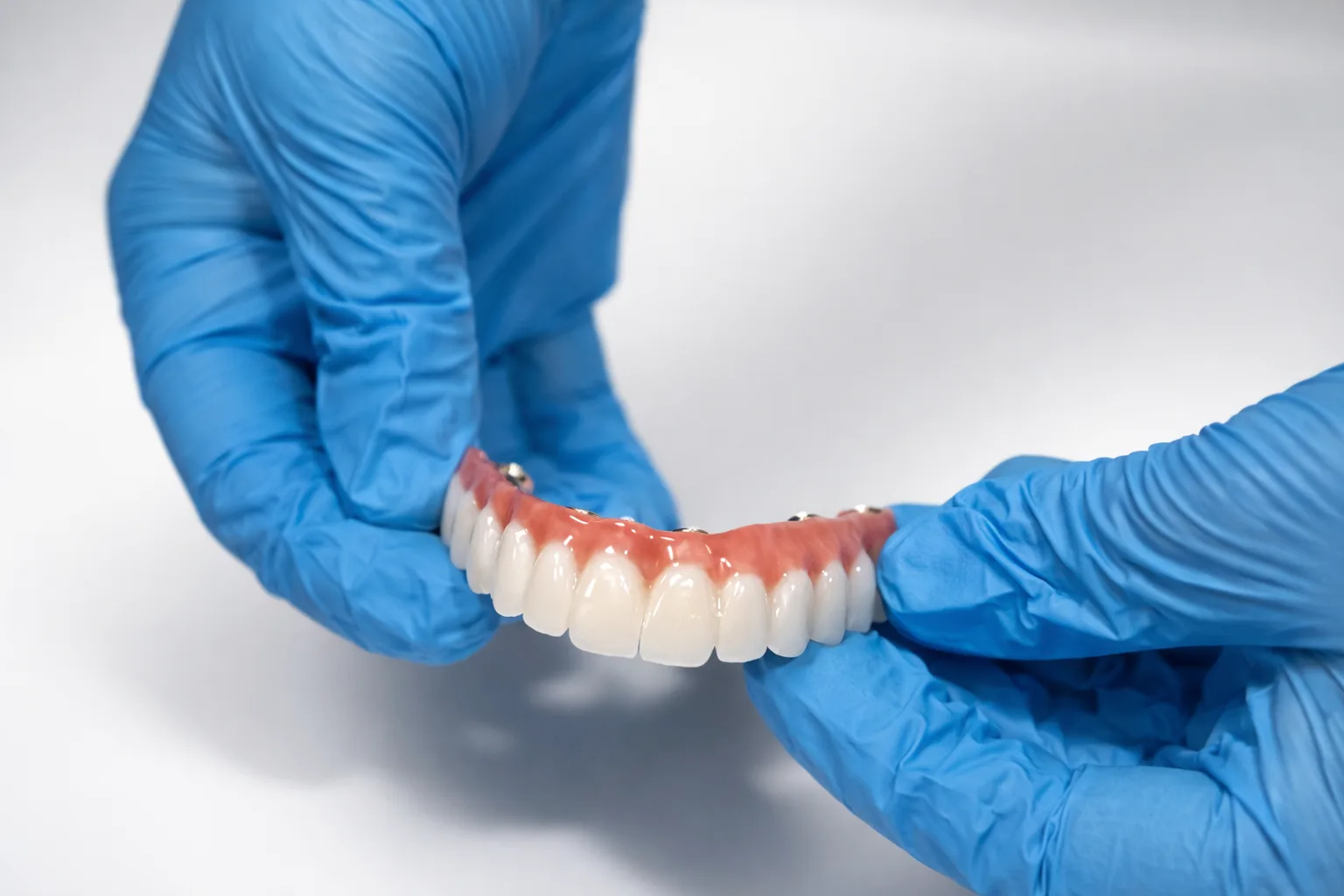
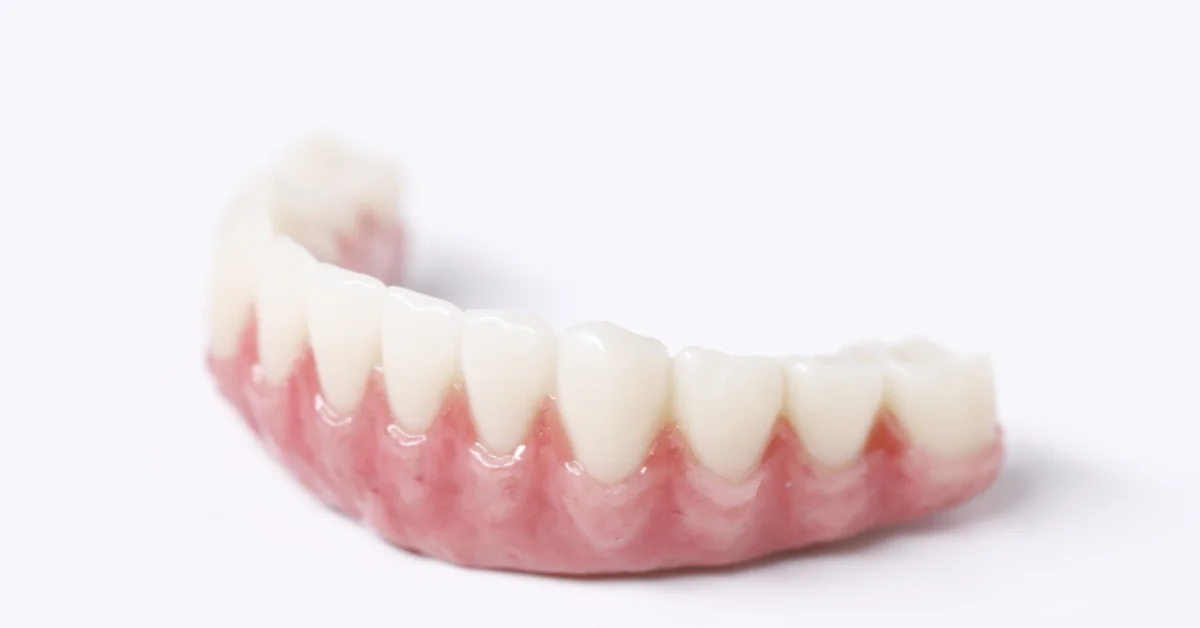
A single implant crown, an implant bridge, and a full-arch implant solution place different forces on the implants. Your dentist will choose the best design for your bite and long-term function.
Professional Expertise
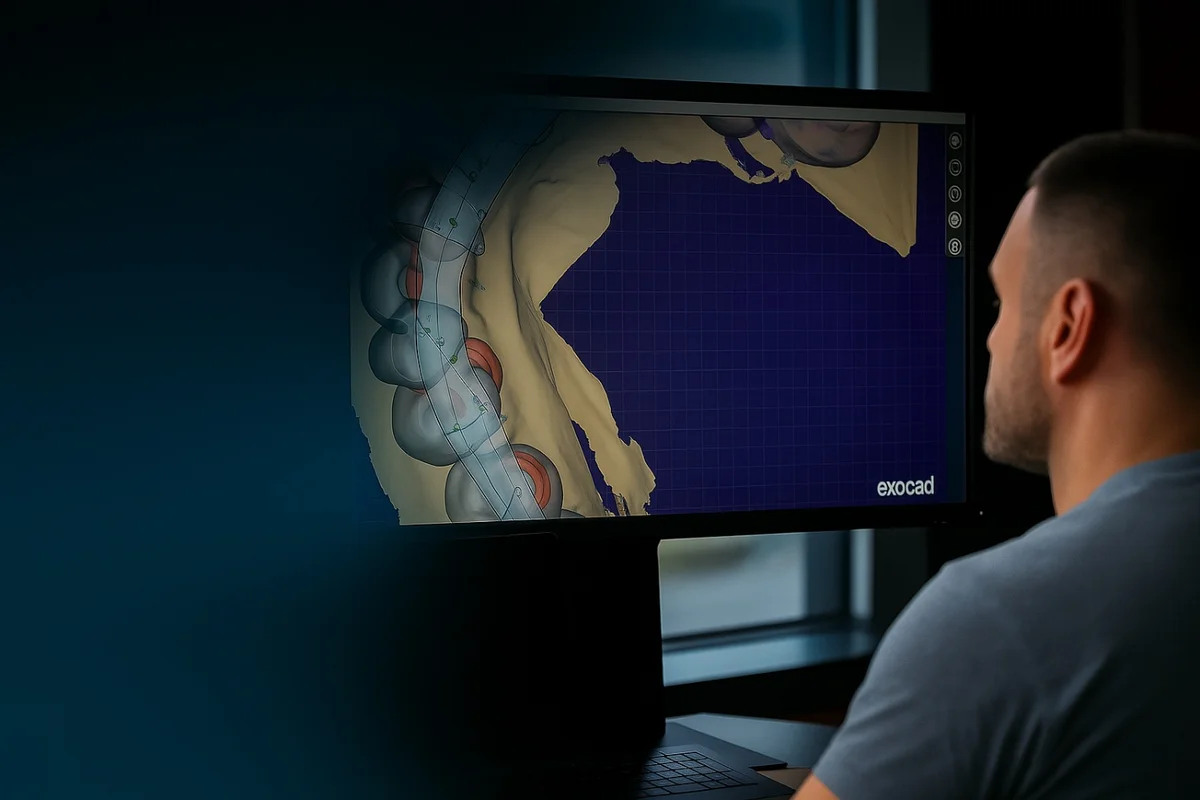
Implant placement is precision work. Proper planning, accurate positioning, and high-quality materials all support long-term success.
The Importance of Aftercare
Aftercare is where long-term success is protected. Even the best implant can run into problems if daily hygiene and regular check-ups are neglected. If you want to maximize how long your implants last, think of maintenance as part of the treatment—just like it is with natural teeth.
Best Practices for Maintenance
-
Regular dental visits: Schedule check-ups and cleanings (often every 6 months) so your dentist can monitor implant stability and gum health.
-
Daily hygiene routine: Brush twice daily and clean between teeth/implants using floss, interdental brushes, or a water flosser.
-
Diet and habits: Avoid biting directly on very hard foods (ice, hard candy). If you grind your teeth, consider a night guard.
Signs Your Implant May Need Attention
Dental implants are highly successful, but it’s important to recognize warning signs early. Early intervention often prevents bigger problems.
Symptoms to Watch For
-
Pain or discomfort: Persistent pain around an implant isn’t normal and should be evaluated.
-
Loosening: Any movement of the implant or restoration can indicate a problem.
-
Swelling or bleeding: Redness, swelling, or bleeding around the implant may signal inflammation or infection.
-
Bad taste or odor: Can be a sign of infection that needs professional care.
How Implants Compare to Other Tooth Replacement Options
Compared to dentures and bridges, implants are often the longest-lasting option because they replace the tooth root and help preserve bone.
-
Longevity: Implants can last significantly longer than traditional bridges or removable dentures.
-
Bone preservation: Implants stimulate bone and can help prevent bone loss.
-
Natural function: Implants feel stable, improving chewing confidence and speech.
Conclusion
So, how long do dental implants last and why does longevity vary? In most cases, implants last 10 to 30+ years, and many last a lifetime—especially when patients maintain strong daily hygiene, avoid high-risk habits like smoking, and keep consistent professional follow-ups. If you’re considering implants or want a long-term plan for your existing implants, consult a qualified dental professional to evaluate your bone health, gums, and bite.
To explore advanced implant solutions and long-term care options, learn more about full-arch restoration and implant treatment planning.
Your Questions Answered
Q1: How long can I expect my dental implants to last?
A1: Dental implants typically last between 10 to 30 years, depending on oral hygiene, bite forces, health conditions, and lifestyle choices.
Q2: Do dental implants require special care?
A2: They don’t require special products, but they do require consistent care: brushing, cleaning between teeth/implants daily, and regular dental visits.
Q3: Can dental implants fail?
A3: Yes—although uncommon, implants can fail due to infection, poor bone support, uncontrolled medical conditions, smoking, or excessive bite forces.
Q4: Are dental implants painful to get?
A4: Implant placement is usually done under local anesthesia (and sedation if needed), so patients typically feel minimal discomfort during surgery. Post-op soreness is usually manageable.
Q5: How do I know if my dental implant is failing?
A5: Warning signs include persistent pain, swelling, bleeding around the implant, bad taste or odor, and any looseness. Contact your dentist promptly if these occur.
Q6: Can I smoke after getting dental implants?
A6: It’s best to avoid smoking, especially during healing, because it increases infection risk and reduces long-term implant success.
E-E-A-T Authority Signals
-
According to a study published in the Journal of Dental Research, dental implants have a success rate of approximately 95% after ten years, highlighting their reliability as a long-term solution for tooth replacement.
-
Board-certified oral surgeons commonly emphasize that excellent oral hygiene and regular follow-ups are critical for maximizing implant lifespan.
-
The American Academy of Implant Dentistry notes that many implants can last 30 years or more with proper care and maintenance.
-
Clinical research in implant dentistry consistently shows that provider experience and proper planning significantly influence long-term outcomes.
Key Definitions
TERM: Dental Implants
DEFINITION: Dental implants are artificial tooth roots (usually titanium) placed in the jawbone to support a crown, bridge, or denture. They are designed to mimic natural tooth function and provide long-term stability.
TERM: Implant Screw
DEFINITION: The implant screw is the titanium post placed into the jawbone that functions as the artificial root and anchors the restoration.
TERM: Abutment
DEFINITION: The abutment is the connector that attaches to the implant screw and supports the final crown or prosthesis.
Ready to Transform Your Smile?
Schedule your free consultation today and discover how dental implants can change your life.