Dry Socket Treatment Options and Recovery Time
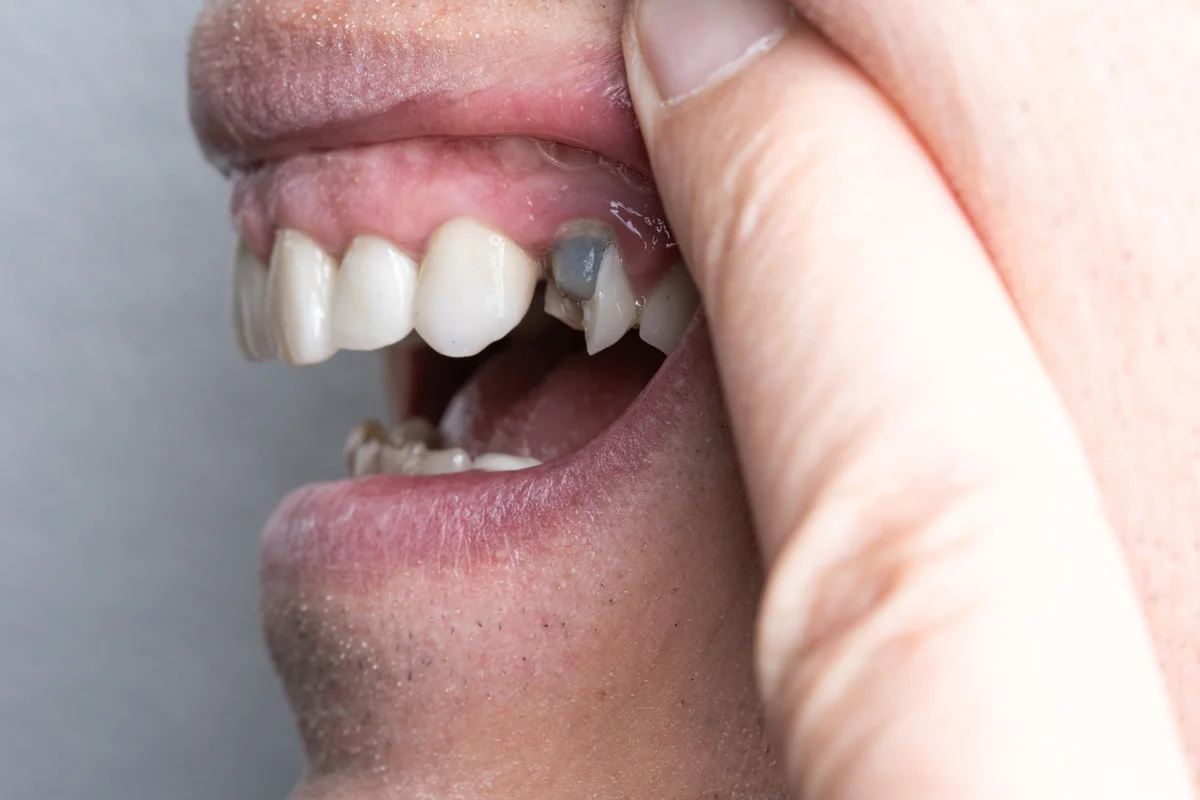
Treating Dry Socket: What Happens at the Office
Dry socket is one of the most painful post-extraction complications — and one of the most rewarding to treat. Most patients walk into our office in significant discomfort and walk out with dramatic relief, often within 15 minutes.
Here's exactly what to expect.
Step 1: Diagnosis
Your oral surgeon will:
- Ask about your pain pattern and timing
- Numb the area with topical anesthetic if needed
- Visually examine the socket — exposed whitish bone confirms the diagnosis
- Rule out infection (fever, pus, significant swelling)
Diagnosis takes 1–2 minutes. No imaging is usually needed.
Step 2: Irrigation
The socket is gently flushed with sterile saline to remove food debris, bacteria, and any necrotic tissue. This step alone provides immediate relief for many patients because it eliminates the irritants compounding the pain.
Step 3: Medicated Dressing
The cornerstone of dry socket treatment is a medicated dressing — a small piece of gauze or paste placed directly into the socket.
Most dressings contain a combination of:
- Eugenol (clove oil) — natural anesthetic and anti-inflammatory
- Zinc oxide — soothes the wound surface
- Iodoform — antimicrobial
- A topical anesthetic such as benzocaine or lidocaine
The pain relief is often immediate. Many patients describe a sensation of cool numbness within minutes.
Step 4: Pain Management Plan
Even with the dressing in place, you'll continue with a structured pain plan:
- Ibuprofen 400–600 mg every 6 hours with food (anti-inflammatory)
- Acetaminophen 500–1000 mg between ibuprofen doses (additive effect)
- Stronger prescription pain medication only if needed and only short-term
Alternating ibuprofen and acetaminophen is more effective than either alone — and avoids opioids when possible.
Step 5: Dressing Changes
Most dry sockets need dressing changes every 24–72 hours until the bone re-epithelializes (covers with new tissue) and pain resolves. This usually means 2–4 follow-up visits over a week.
Each dressing change takes 5–10 minutes.
Step 6: Antibiotics — Only If Needed
Dry socket itself is not an infection, so antibiotics aren't routinely needed. They're prescribed only if there's evidence of true infection (fever, pus, spreading redness).
Overusing antibiotics for dry socket is a common mistake — it doesn't speed healing and contributes to antibiotic resistance.
Recovery Timeline With Treatment
Here's what most patients experience:
| Time After First Treatment | What to Expect |
|---|---|
| Within 1 hour | Significant pain reduction; patients often describe "70% better" |
| 24 hours | Dramatic improvement; sleeping comfortably again |
| 2–3 days | Mild discomfort only; second dressing may be placed |
| 5–7 days | Pain typically resolved; final dressing removed |
| 2 weeks | Socket fully covered with new tissue |
| 6–8 weeks | Bone remodeling underway, ready for implant if planned |
Recovery Timeline Without Treatment
If dry socket is left untreated:
- Days 1–7: Severe pain that gradually decreases
- Days 7–14: Lingering soreness and bad taste
- Weeks 2–3: Socket slowly closes; risk of secondary infection during this window
- Weeks 4–8: Full healing eventually occurs
Untreated dry socket isn't medically dangerous in most cases — but it's a week of unnecessary suffering.
Home Care Between Visits
To support healing:
- Gentle warm salt-water rinses 3–4× daily (½ tsp salt in 8 oz water)
- No smoking, no straws, no alcohol
- Soft foods — yogurt, eggs, mashed potatoes, smoothies (eaten with a spoon)
- Stay hydrated — water at room temperature
- Sleep with head elevated for the first few nights
- Take medications on schedule, not just when it hurts
Pain Management That Actually Works
Patients are often surprised by what works best:
- Scheduled ibuprofen + acetaminophen alternating every 3 hours generally outperforms opioids for dental pain
- Cold compress to the cheek for 20 minutes at a time helps with swelling
- Saltwater rinses are surprisingly soothing
- Stay ahead of the pain — don't wait until medication wears off completely
When to Call Us Back
Even with treatment in progress, contact us if you experience:
- Worsening pain after the dressing is in place
- Fever above 101°F
- Pus or yellow discharge
- Increasing swelling
- New numbness in the lip, chin, or tongue
These can indicate infection or another complication that needs separate attention.
Cost of Dry Socket Treatment
Dry socket treatment is generally affordable and often covered by dental insurance:
- Initial visit + dressing: typically $75–$150 without insurance
- Each follow-up dressing change: typically $40–$75
- With insurance: most patients pay little to nothing
We don't charge our existing extraction patients additional fees for routine dry socket care related to their original procedure.
How Dry Socket Treatment Affects Future Implants
If you're planning a dental implant in the same area, dry socket may delay placement by 2–4 weeks. Once the bone heals fully, implant placement proceeds normally — there's typically no long-term effect on implant success rates.
For patients considering implants, same-day implant placement at the time of extraction can avoid the dry socket window entirely because the implant seals the socket.
Frequently Asked Questions
Does dry socket treatment hurt?
The treatment itself is essentially painless — the medicated dressing creates rapid relief. Some patients feel mild pressure during irrigation; topical anesthetic is used if needed.
How many times do I need to come back?
Most patients need 2–4 dressing changes over 5–7 days. Severe cases may need more.
Can I treat dry socket at home?
No. The socket needs to be properly irrigated and packed with a medical-grade dressing. Home remedies (clove oil swabs, salt-water rinses alone) provide minimal relief and risk introducing bacteria.
Will dry socket come back after treatment?
Once treated and healed, the socket remodels normally. Recurrence in the same site is essentially zero.
Is dry socket considered an emergency?
It's urgent but not a true emergency. Same-day or next-day appointments are appropriate.
Don't suffer through it. If your post-extraction pain is getting worse instead of better, contact us for same-day treatment.
Related reading
Ready to Transform Your Smile?
Schedule your free consultation today and discover how dental implants can change your life.