What Causes an Overbite?
An overbite — when upper front teeth overlap the lower front teeth excessively — has two main categories of causes: dental (teeth out of position) and skeletal (jaw bones out of position). Most overbites involve some of both.
Understanding which type you have determines the right treatment.
Dental Overbite
In a dental overbite, the jaw bones are normal but the teeth are misaligned within them.
Common dental causes
- Crowding — too many teeth pushed into a small dental arch, forcing some forward and others to overlap
- Missing back teeth — when molars are lost and not replaced, front teeth can drift and over-erupt
- Worn teeth — heavy grinding or wear causes lower teeth to shorten, increasing the apparent overlap
- Tongue thrust — pushing the tongue against teeth during swallowing pushes upper teeth outward
- Mouth breathing in childhood — alters tongue position and tooth eruption patterns
- Childhood habits — prolonged thumb sucking, pacifier use, or bottle feeding past age 2
Treatment for dental overbite
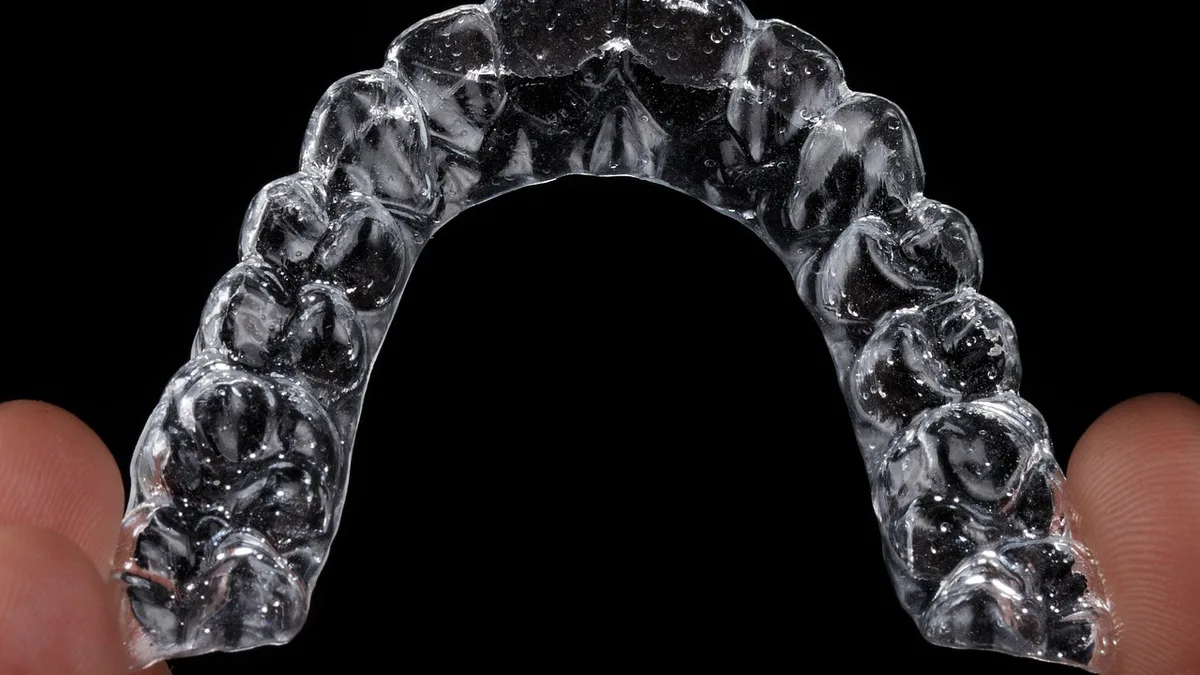
Usually orthodontic — clear aligners, traditional braces, or sometimes selective tooth movement combined with restorative work.
Skeletal Overbite
In a skeletal overbite, the underlying jaw bones are misaligned. The teeth are simply following where the bones place them.
Two skeletal patterns
Class II maxillary excess: Upper jaw is too long or positioned too far forward.
- Often appears as protruding upper teeth or "buck teeth"
- Profile shows a recessive lower face
Class II mandibular deficiency: Lower jaw is too short or positioned too far back.
- Chin appears small or weak
- Profile shows a "convex" appearance
Many patients have a combination of both.
Common skeletal causes
- Genetics — facial bone structure is largely inherited
- Developmental issues — interrupted growth during childhood
- Childhood injury to the jaw or growth plates
- Sleep-disordered breathing in childhood — chronic mouth breathing affects jaw growth
- Cleft palate or other developmental conditions
- TMJ disorders that affect jaw position
Treatment for skeletal overbite
Often requires jaw surgery (orthognathic surgery) combined with orthodontics. This is the only treatment that addresses the underlying bone position. Read more about jaw surgery for severe overbite.
Classifications: How Dentists Describe Overbites
Beyond the dental vs. skeletal distinction, there are formal classifications:
Angle's classifications
Named after Edward Angle, this is the standard framework:
- Class I: Normal molar relationship — bite is generally well-aligned
- Class II: Lower jaw is positioned behind the upper — the most common pattern in overbites
- Division 1: Protruding upper teeth, increased overjet
- Division 2: Upper front teeth tipped inward, deep bite
- Class III: Lower jaw protrudes past the upper — underbite
Most overbites fall into Class II.
Severity by overlap
- Normal: 1–3 mm of overlap (about 30% of the lower tooth covered)
- Mild overbite: 4–6 mm (about 50% covered)
- Moderate overbite: 6–9 mm (most of the lower tooth covered)
- Severe (deep bite): 9+ mm or upper teeth touching the lower gum tissue
Common Childhood Habits and Overbite
Several childhood habits can contribute to dental overbites:
Thumb sucking
Past age 4–5, thumb sucking exerts continuous pressure that can:
- Push upper front teeth forward
- Tip lower front teeth inward
- Narrow the upper dental arch
Prolonged pacifier use
Similar mechanics to thumb sucking. Generally fine if discontinued by age 2.
Tongue thrust
Pushing the tongue forward during swallowing — happens 1,500–2,000 times daily. Can dramatically affect tooth position.
Mouth breathing
Often related to enlarged tonsils or chronic allergies. Affects tongue position and dental arch development.
Late bottle feeding
Bottle use past age 2 can affect oral development.
Adult Causes of New or Worsening Overbites
Adults can develop or worsen overbites due to:
- Tooth loss that isn't replaced — remaining teeth drift
- Periodontal disease — bone loss affects tooth position
- Heavy grinding (bruxism) — wears teeth and changes bite
- TMJ dysfunction — affects how the jaw closes
- Failed dental work — extractions or restorations that weren't replaced properly
- Aging — lower lip muscles tighten, pressuring lower teeth backward over decades
This is why some adults notice their bite "getting worse" with age.
Why the Type Matters
The cause of your overbite directly determines which treatments will work:
| Cause | Treatment That Works | Treatment That Won't |
|---|---|---|
| Dental misalignment only | Braces, clear aligners | Jaw surgery is overkill |
| Skeletal misalignment | Jaw surgery + orthodontics | Braces alone may relapse |
| Mixed dental + skeletal | Combination approach | Either alone is incomplete |
Trying to fix a skeletal overbite with braces alone often produces:
- Limited improvement
- Relapse after treatment
- Increased risk of TMJ symptoms
- Compromised facial profile
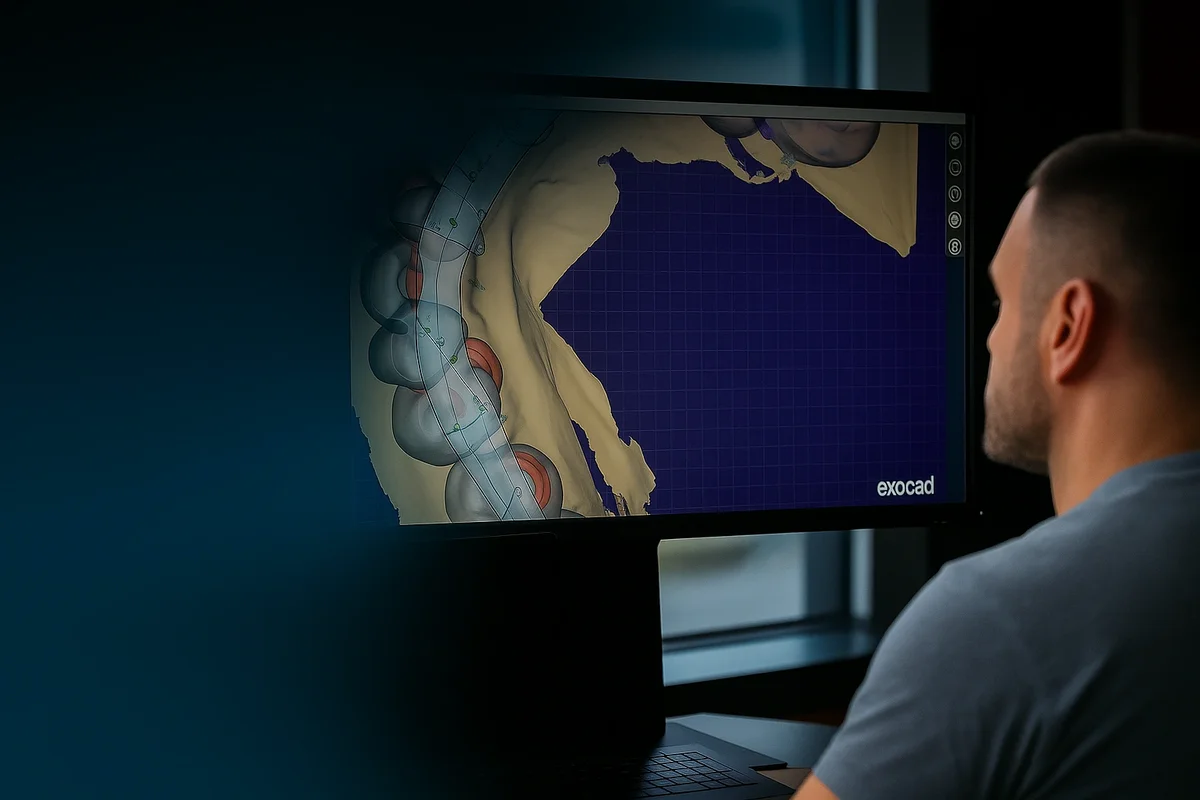
This is why thorough diagnosis with 3D imaging matters before treatment begins.
Functional Consequences of Untreated Overbite
Beyond appearance, untreated overbites can cause:
- Excessive tooth wear on lower teeth and the back of upper teeth
- TMJ pain from stressed joints
- Chronic headaches from muscle compensation
- Difficulty chewing certain foods
- Speech difficulties in severe cases
- Damage to soft tissue behind upper teeth from contact
- Increased risk of front-tooth fracture from improper bite forces
- Sleep apnea risk in some skeletal patterns
These compound over time. Earlier treatment prevents downstream problems.
Diagnostic Process
A proper evaluation typically includes:
- Clinical exam — visually assessing teeth and bite
- Dental impressions or digital scans — 3D models of your bite
- Profile and frontal photographs
- 2D X-rays (panoramic and cephalometric)
- 3D CBCT scan — comprehensive view of bone position
- Bite analysis — how teeth meet and where pressure concentrates
- Discussion of symptoms — pain, function, cosmetic concerns
This complete picture lets us recommend the appropriate treatment level — orthodontics alone, surgery alone, or a combined approach.
Frequently Asked Questions
How do I know if my overbite is dental or skeletal?
Imaging is the only reliable way. A trained orthodontist or oral surgeon can evaluate cephalometric X-rays or 3D scans to determine the cause.
Can a dental overbite become skeletal?
The bones don't change in adults, but tooth position can mask or reveal underlying skeletal issues. Severe untreated dental overbites in adults remain dental in cause.
Why didn't my dentist mention I had an overbite as a child?
Mild overbites in growing children may be monitored without immediate treatment. Some self-correct with growth. Many parents weren't told because it wasn't yet at treatment threshold.
Is overbite hereditary?
Skeletal patterns are largely hereditary. Dental causes (crowding, habits) are environmental.
Can I prevent my child from developing an overbite?
Eliminating thumb-sucking by age 4, addressing mouth breathing, and routine dental visits help. Skeletal causes are largely beyond prevention.
Will fixing my overbite affect my facial appearance?
For dental cases, profile changes are subtle. For skeletal cases treated with surgery, profile improvements can be significant — and are often a primary motivation for treatment.
Curious what type of overbite you have? Schedule a consultation — we'll perform a complete evaluation including 3D imaging and recommend the right treatment.
Related reading
Ready to Transform Your Smile?
Schedule your free consultation today and discover how dental implants can change your life.