What Are Zirconia Arches? Benefits, Cost & Lifespan
What Is a Zirconia Arch?
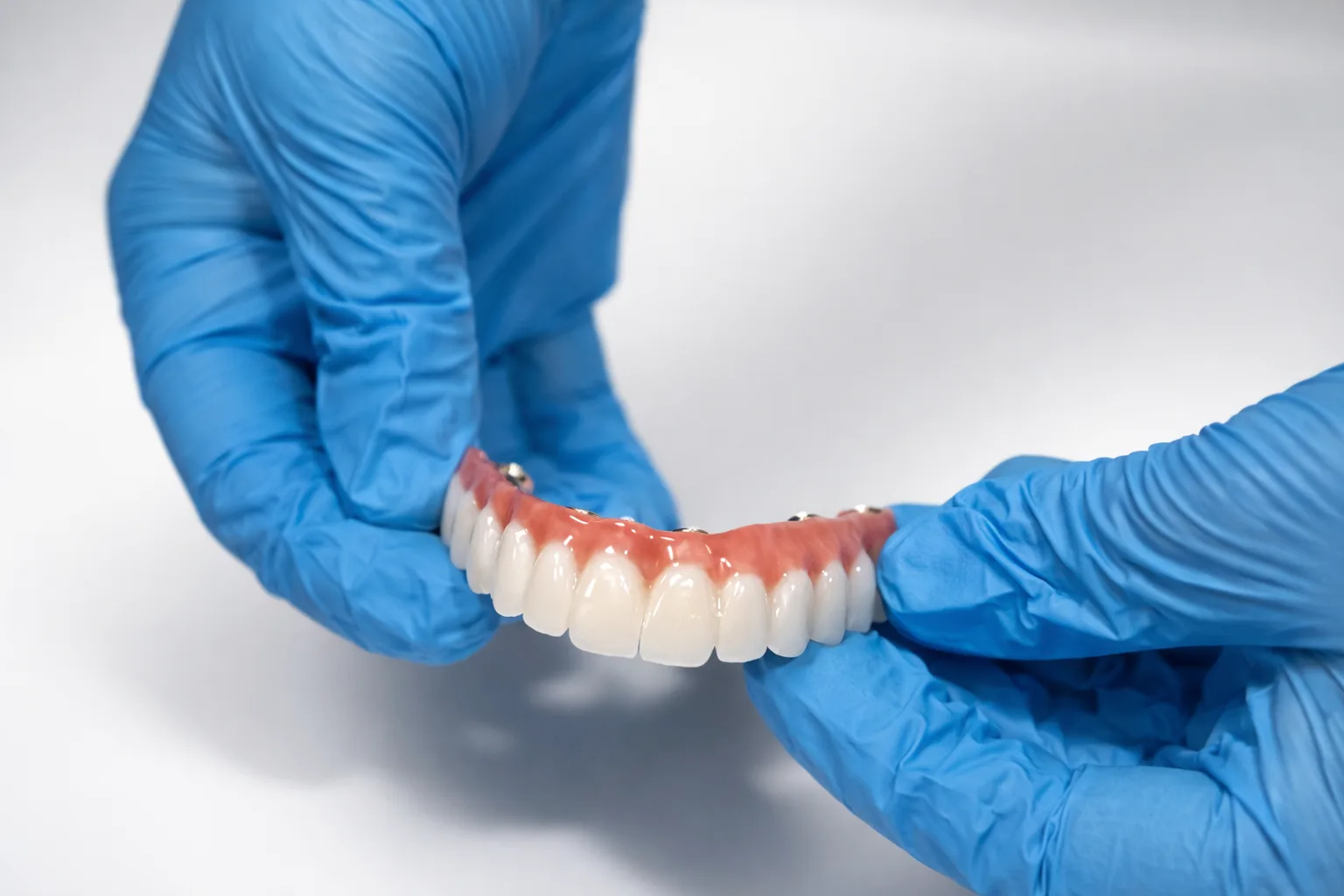
A zirconia arch is a full-mouth dental prosthesis — replacing all the upper or lower teeth — milled from a single solid block of medical-grade zirconia ceramic. It attaches to 4–6 dental implants and functions as a permanent set of teeth.
Zirconia is a remarkably strong, biocompatible ceramic that's also used in hip replacements and aerospace applications. In dentistry, it has become the gold standard for full-arch prosthetics — replacing the older acrylic-and-titanium hybrid prostheses that were common a decade ago.
If you've heard about All-on-4 or full-mouth dental implants, the final teeth are most often a zirconia arch.
Why Zirconia Beats the Alternatives
Zirconia vs. acrylic (PMMA) arches
The traditional full-arch prosthesis uses acrylic teeth bonded to a titanium framework. Zirconia outperforms it on every meaningful metric:
| Property | Acrylic (PMMA) | Zirconia |
|---|---|---|
| Strength | Moderate (can chip and fracture) | Extremely high — resists fracture |
| Stain resistance | Stains over time | Highly stain-resistant |
| Wear over time | Wears down, teeth flatten | Maintains shape for decades |
| Lifespan | 5–7 years before replacement | 15–20+ years |
| Bacteria resistance | Bacteria adhere more easily | Smooth surface resists bacteria |
| Aesthetics | Good initially, dulls over time | Lifelike, maintains appearance |
| Weight | Lighter | Slightly heavier (most patients adapt within days) |
| Cost | Lower upfront | Higher upfront, lower lifetime |
For most patients, the lifetime cost of acrylic is actually higher because of repeated replacements.
Zirconia vs. porcelain-fused-to-metal
PFM crowns can chip at the porcelain-metal interface and require metal substructure. Monolithic zirconia eliminates these failure points.
How Zirconia Arches Are Made
The process is a feat of digital dentistry:
- Digital impressions capture your mouth, implant positions, and bite
- Treatment planning software designs the arch in 3D
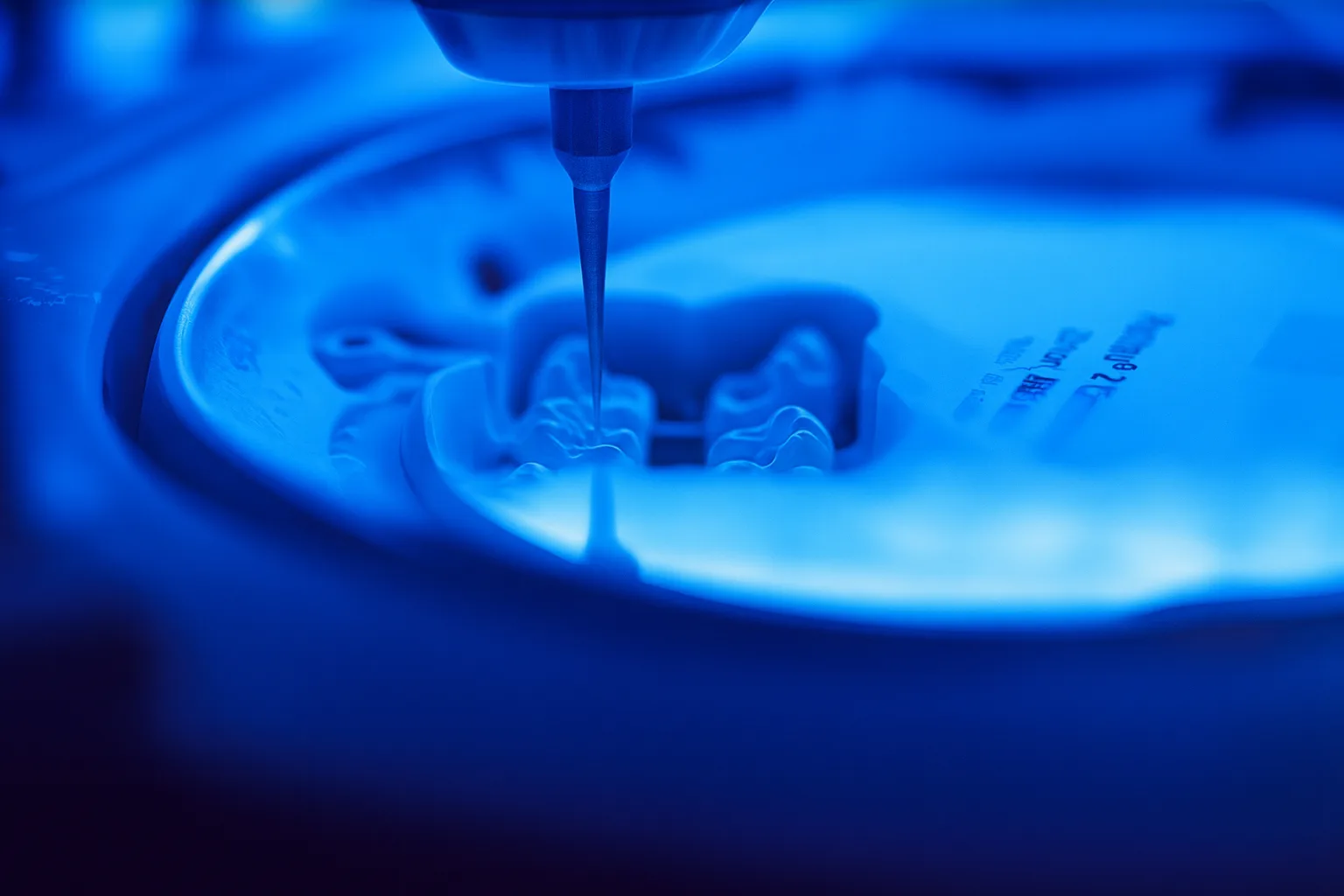
- CAD/CAM milling carves the entire arch from a solid block of zirconia using a 5-axis milling machine
- Sintering in a high-temperature furnace brings the zirconia to its final hardness and color
- Staining and characterization add lifelike color variations and translucency
- Final polish for a smooth, natural finish
- Try-in and adjustment in your mouth
- Final attachment to the implants
In our in-house lab, the entire process happens under one roof — typically faster and with better quality control than outsourcing.
Benefits of Zirconia Arches
1. Decades of life
Properly placed zirconia arches routinely last 15–20+ years. Many patients never need a replacement.
2. Looks completely natural
Modern zirconia is layered and stained to mimic the translucency of real teeth. Most people can't tell it's not natural.
3. Strong enough for any food
You can eat anything you want — including foods that would damage acrylic prostheses (apples, nuts, hard breads).
4. Resists staining and odor
The smooth, dense surface resists coffee, wine, and food staining better than any other prosthetic material.
5. Bacteria-resistant
Zirconia's smooth surface gives bacteria fewer places to adhere, supporting better long-term gum health.
6. Biocompatible
Zirconia is exceptionally well-tolerated by gum tissue — many patients report better tissue response than with previous restorations.
7. Won't wear opposing teeth
Unlike some alternatives, polished zirconia is gentle on opposing natural teeth.
8. Permanent and fixed
Cleaned in place. Doesn't come out at night. No adhesive. No clicking.
Drawbacks to Consider
1. Higher upfront cost
Zirconia arches cost more than acrylic prostheses initially — but typically less over a lifetime.
2. Heavier than acrylic
Most patients adapt within a week. A small minority of patients with TMJ symptoms may prefer the lighter acrylic option.
3. Repair requires removal
Adjustments to a zirconia arch happen at the implant level — the arch is removed, modified or replaced, and reattached. Major changes can require remilling.
4. Requires precise implant placement
Zirconia is unforgiving of misalignment. This is why experienced surgeons using guided placement matter.
Cost of Zirconia Arches
Pricing varies based on:
- Number of implants
- Whether extractions or grafting are needed
- Whether you need one arch or both
- Material grade and lab quality
Typical ranges:
| Configuration | Typical Cost |
|---|---|
| Single zirconia arch on existing implants | $14,000–$22,000 |
| All-on-4 (implants + zirconia arch) | $25,000–$35,000 per arch |
| Both arches (full mouth) | $40,000–$70,000 |
Compared to alternatives:
- Acrylic full arch: ~$18,000–$25,000 per arch (but needs replacement every 5–7 years)
- Snap-on dentures: ~$10,000–$15,000 per arch (different solution, removable)
Our price match guarantee ensures you're not overpaying. We also offer in-house financing — full-arch payment plans start at $299/month.
Lifespan and Maintenance
Expected lifespan
- Implants: 20+ years (often a lifetime)
- Zirconia arch: 15–20+ years
- Routine adjustments: as needed (typically minor)
Daily care
- Brush twice daily with a soft-bristle brush
- Water flosser under the arch — essential for cleaning under the prosthesis
- Antibacterial mouthwash
- Avoid extreme grinding (mouth guard if you grind at night)
Professional care
- Hygiene visits every 3–6 months (often the arch is removed for thorough cleaning at the implant level)
- Annual exam with X-rays of the implants
Who Is a Good Candidate?
You're likely a candidate for a zirconia arch if you:
- Are missing most or all teeth in one or both arches
- Are tired of dentures or failing dental work
- Have adequate bone (or are willing to undergo grafting)
- Want a permanent, fixed solution
- Are in good general health
Patients with severe bone loss may need:
- Bone grafting to build up volume
- Zygomatic implants (anchored in cheekbone) for the upper jaw
- Or alternative solutions if implants aren't possible
Same-Day Zirconia? Not Quite — Here's the Reality
Some practices advertise "same-day teeth" with zirconia. The honest version:
- Same day: A high-quality acrylic provisional arch is placed on the implants
- 3–6 months later: After full healing, the final zirconia arch is fabricated and placed
This staged approach is the standard of care because:
- The final position needs healed soft tissue
- The implants must osseointegrate before bearing full bite force
- Zirconia milling happens after final impressions
You walk out of surgery with teeth that look great. The final zirconia simply replaces the temporary later.
Frequently Asked Questions
Is zirconia stronger than titanium?
Zirconia is harder and more resistant to wear and corrosion. Titanium is more flexible. They serve different roles — titanium implants in the bone, zirconia arches as the visible teeth.
Can zirconia arches break?
Modern medical-grade zirconia is extremely resistant to fracture. Catastrophic breaks are rare and usually involve trauma or significant misuse (chewing ice, opening packages with teeth).
Will my zirconia arch turn yellow?
No — zirconia is highly stain-resistant. Surface staining (coffee, wine) wipes off easily and the underlying material doesn't discolor.
Can I whiten my zirconia arch?
No — and it doesn't need to be. The color is built into the material and won't change. If you want a different shade, the only option is fabricating a new arch.
Is zirconia safe?
Yes — extensively used in medical implants, biocompatible, and inert. No known allergies.
How is zirconia different from porcelain?
Zirconia is a structural ceramic — much stronger than porcelain. Porcelain may be layered onto zirconia for high-aesthetic crowns. Modern monolithic zirconia is strong enough to use without porcelain layering.
Considering full-arch dental implants? Schedule a consultation to find out if zirconia arches are right for you — and get a precise cost estimate.
Related reading
Ready to Transform Your Smile?
Schedule your free consultation today and discover how dental implants can change your life.