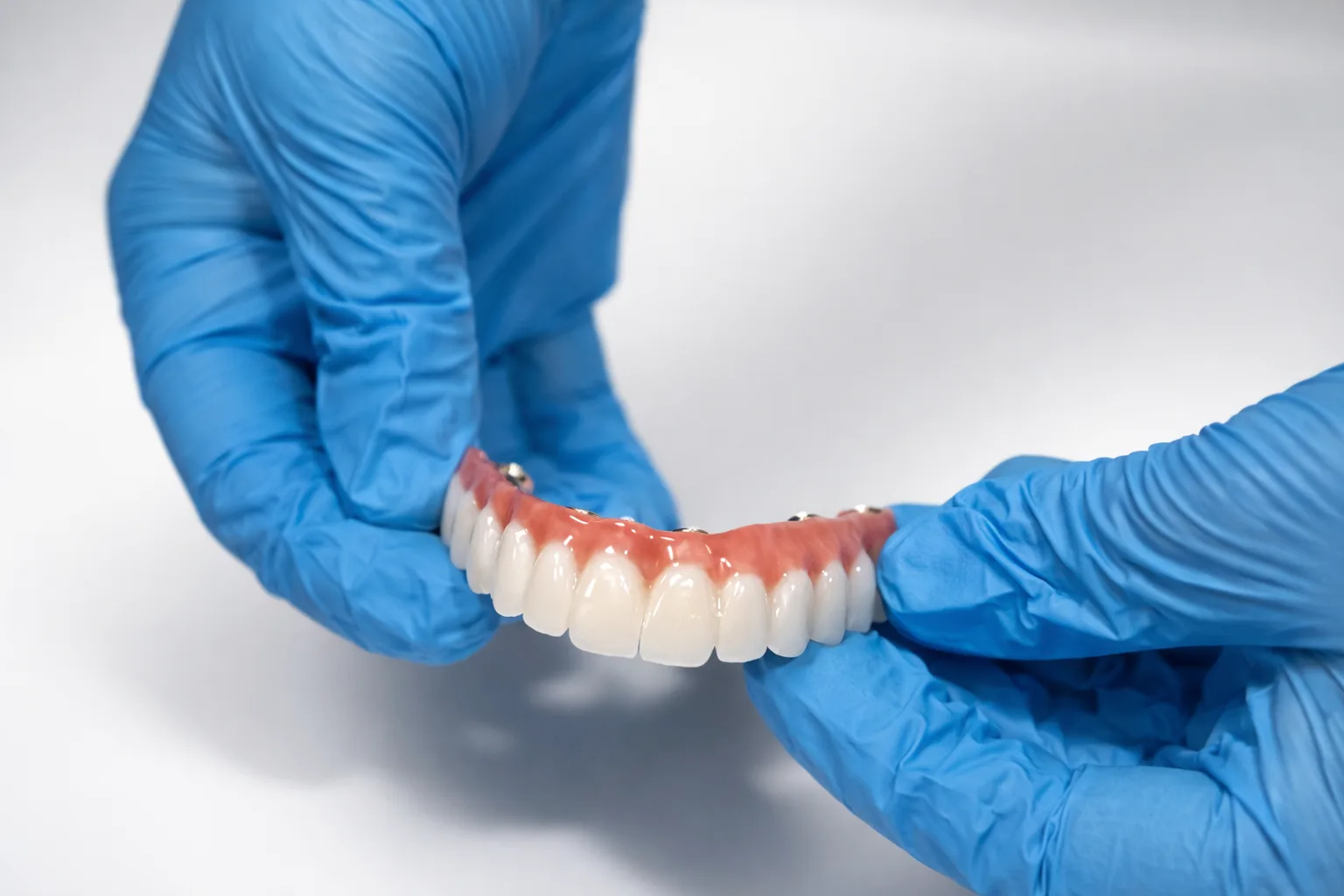

Dental Implant Payment Plans: Monthly Options Explained
How Payment Plans Make Implants Accessible
Most dental implant patients don't pay the full cost upfront. Payment plans spread the investment over months or years, making treatment accessible without depleting savings.
Common monthly payment ranges for typical cases:
| Treatment | Approximate Monthly Payment |
|---|---|
| Single tooth implant + crown | $73–$150/month |
| Three-tooth implant bridge | $150–$300/month |
| All-on-4 (one arch) | $299–$500/month |
| Full mouth restoration | $400–$900/month |
Actual payments depend on term length, interest rate, down payment, and credit profile.
Types of Payment Plans
1. In-house payment plans
Set up directly with the dental practice. We offer these.
- No third-party lender involved
- Often no credit check for smaller amounts
- Flexible terms — practices can customize to your situation
- Set up at consultation — no separate application
- Direct monthly payments to the practice
- Down payment may be required
Best for: most patients, especially those with credit concerns or who prefer simplicity.
2. Healthcare lender payment plans
Loans from companies like Cherry, Sunbit, Proceed Finance, LendingClub Patient Solutions.
Cherry financing disclosure: Payment options through Cherry Technologies, Inc. are issued by its financing partners. View Cherry’s financing partners.
- Decisions in minutes
- Larger loan amounts than in-house plans
- Soft credit check for pre-qualification (most lenders)
- Terms 12–84 months
- APR varies with credit (5–35%)
- Direct payment to the practice, you pay the lender
Best for: larger cases, patients with good credit who want longer terms.
3. Healthcare credit cards
CareCredit and similar cards.
- Promotional 0% interest for 6, 12, 18, or 24 months
- Long-term plans at fixed APR (typically 14.9–17.9%)
- Revolving credit — can be used for future treatment
- Quick application
- Deferred interest applies if not paid off in promotional period
Best for: patients who can confidently pay off within the promotional window.
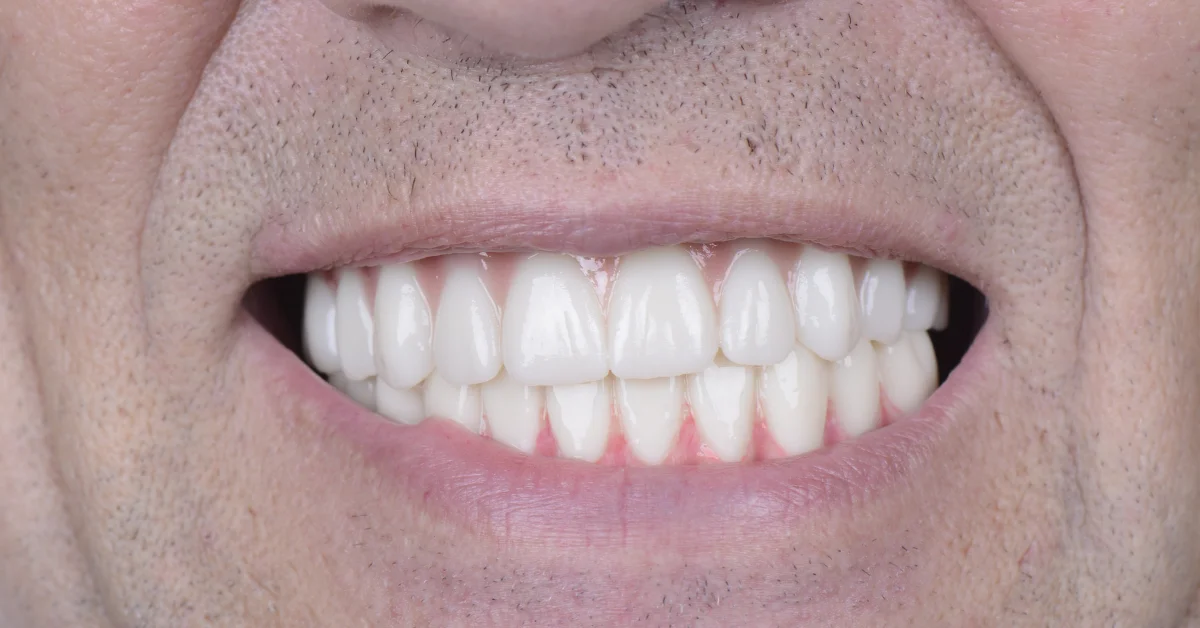
What Determines Your Monthly Payment
Five factors:
1. Total amount financed
The most obvious — bigger cases mean bigger payments.
2. Down payment
Larger down payments lower monthly amounts. Typical down payments: 10–25% of the total.
3. Term length
Longer terms = lower monthly payments but higher total interest.
4. Interest rate (APR)
Determined by your credit profile, lender, and term length.
5. Insurance and HSA contributions
Reduce the amount needing financing.
Sample Payment Calculations
For a $5,000 single implant case:
| Term | APR | Monthly Payment | Total Cost |
|---|---|---|---|
| 24 months | 0% (promotional) | $208 | $5,000 |
| 24 months | 9.99% | $231 | $5,544 |
| 36 months | 9.99% | $161 | $5,806 |
| 48 months | 9.99% | $127 | $6,073 |
| 60 months | 9.99% | $106 | $6,344 |
For a $30,000 full-mouth case:
| Term | APR | Monthly Payment | Total Cost |
|---|---|---|---|
| 36 months | 7.99% | $940 | $33,838 |
| 60 months | 9.99% | $637 | $38,228 |
| 84 months | 9.99% | $498 | $41,860 |
Notice: longer terms mean significantly more total interest.
How Long Should Your Term Be?
Shorter terms (12–36 months)
- Lower total cost
- Higher monthly payment
- Less time you owe money
- Best if you can comfortably afford the payment
Medium terms (36–60 months)
- Balanced approach
- Most common choice
- Manageable monthly amounts
- Reasonable total cost
Longer terms (60–84 months)
- Lowest monthly payment
- Highest total interest cost
- More risk if your situation changes
- Best for very large cases
A reasonable rule: choose the shortest term you can comfortably afford. If unexpected expenses come up, you'll be glad to pay less interest.
What to Look for in a Payment Plan
Good signs
- ✅ Clear total cost disclosed upfront
- ✅ Fixed interest rate (not variable)
- ✅ No prepayment penalty
- ✅ Reasonable APR for your credit profile
- ✅ Flexibility to adjust if needed
- ✅ All fees disclosed
- ✅ Trust the lender and practice
Red flags
- ❌ Deferred interest you may not realize
- ❌ Variable interest rates
- ❌ Origination fees of 5%+
- ❌ Prepayment penalties
- ❌ Mandatory insurance products bundled in
- ❌ Pressure to sign immediately
- ❌ Vague terms
Always read the truth-in-lending disclosure. Ask questions until you understand every charge.
Insurance + Payment Plan Combination
Most patients combine insurance with payment plans:
Step 1: Use your insurance benefits
- Annual maximum (usually $1,000–$3,000)
- Coverage for extractions, crowns, sometimes the implant
- Verify benefits before treatment
Step 2: Use HSA/FSA dollars if available
- Fully eligible for dental implants
- Tax-advantaged
- Reduces amount to finance
Step 3: Finance the remainder
- Smaller financed amount = lower monthly payment
- May qualify for shorter, less expensive terms
- Easier to pay off
This combination minimizes both the monthly payment and the total interest paid.
Stage Treatment to Manage Costs
For comprehensive cases, staging treatment over multiple insurance years can dramatically reduce out-of-pocket costs:
Year 1: Begin treatment
- Use current year's annual maximum
- Possibly extractions and bone grafting
Year 2: Continue treatment
- New annual maximum becomes available
- Implant placement
- Pay using new benefits + financing
Year 3: Complete treatment
- Use third year's benefits for final crowns or prostheses
This approach works particularly well for full-mouth restorations.
Down Payment Strategies
A down payment lowers your monthly amount and reduces total interest. Sources:
Cash savings
Tap savings or emergency funds for the down payment.
Tax refund
Time treatment around tax season if a refund is expected.
Bonus or gift
Holiday bonuses or family contributions can fund the down payment.
Sale of unused assets
Some patients sell vehicles, electronics, or other unused items to reduce financing needs.
Credit card promotional offer
Some patients use a 0% balance transfer credit card for the down payment, ensuring they can pay it off within the promotional window.
What Happens If You Can't Make a Payment
If you face hardship:
Contact the lender or practice immediately
- Don't miss payments without communicating
- Many will work with you on temporary solutions
- Document everything in writing
Options that may be offered
- Forbearance — temporary pause in payments
- Payment reduction — lower amount for a period
- Term extension — spreading remaining balance over more months
- Partial payment plan
- Hardship programs for medical or employment crises
What to avoid
- ❌ Missing payments without contact
- ❌ Charging more on the account
- ❌ Ignoring collection notices
- ❌ Taking new debt to pay this debt
Acting early preserves your credit and your relationship with the practice.
Frequently Asked Questions
What's the lowest monthly payment for dental implants?
At our practice, single tooth implants start around $73/month with extended terms. Full-mouth restoration plans start at $299/month.
How quickly can I be approved for a payment plan?
Most healthcare financing approves in minutes. In-house plans set up in a single visit. Bank loans may take 1–2 weeks.
Can I pay off my payment plan early?
Most plans allow this without penalty. Always confirm before signing. Early payoff saves significant interest.
Will making payments improve my credit?
Yes — on-time payments to lenders that report to credit bureaus build positive credit history. Confirm whether the lender reports.
Can I refinance my dental implant loan?
Yes — if you can qualify for a lower-rate loan, refinancing can save significant interest. Be aware of any prepayment penalty on the original loan.
What if my insurance pays more than expected?
You can apply the unexpected coverage to your loan principal, reducing total interest. Some lenders allow you to skip a payment in this scenario.
Want help planning your monthly payment? Use our cost calculator for an instant estimate, or schedule a consultation — we'll review your insurance, discuss financing options, and present a plan that fits your budget.
Related reading
Ready to Transform Your Smile?
Schedule your free consultation today and discover how dental implants can change your life.