Basic Requirements for Dental Implants
- Adequate bone density - Your jawbone must be dense enough to support the implant. If you've lost bone, bone grafting or alternative techniques (like zygomatic implants) can often make implants possible.
- Healthy gums - Active periodontal (gum) disease must be treated before implant placement. Gum health is essential for long-term implant success.
- Overall health - You should be healthy enough to undergo minor surgery and heal normally.
- Completed jaw growth - Implants are not placed in patients whose jaws are still growing (typically under 18 years old).
- Commitment to oral hygiene - Willingness to maintain good daily hygiene and attend regular dental visits.
Beyond these basics, modern implant techniques and materials have expanded candidacy dramatically. Many conditions that were once disqualifying (significant bone loss, diabetes, age) can now be managed effectively.
Conditions That Require Special Consideration
These conditions don't necessarily disqualify you, but require careful management:
- Diabetes - Well-controlled diabetes (A1C under 7-8%) is compatible with implant success. Uncontrolled diabetes increases infection and failure risk and should be managed first.
- Smoking - Smoking increases failure risk 2-3x. Quitting before surgery significantly improves outcomes. We strongly encourage cessation but still treat smokers who understand the increased risk.
- Osteoporosis - The condition itself doesn't prevent implants, but bisphosphonate medications (especially IV forms) can affect bone healing. Your surgeon evaluates your specific situation.
- Blood thinners - Anticoagulant medications may need temporary adjustment around surgery. This is coordinated with your prescribing physician.
- Immunosuppression - Patients on immunosuppressive drugs (organ transplant, autoimmune conditions) have higher infection risk and require careful evaluation.
- Radiation therapy - Previous radiation to the jaw area affects bone healing. Timing and special protocols can allow safe implant placement.
What If I Don't Have Enough Bone?
Insufficient bone used to disqualify many patients. Today, several solutions exist:
- Bone grafting - Bone graft material is placed to build up the area, then given 3-6 months to heal before implant placement.
- All-on-4 angled implants - The All-on-4 technique places rear implants at angles to engage more bone, often eliminating the need for grafting entirely.
- Zygomatic implants - For severe upper jaw bone loss, these long implants anchor into the cheekbone instead of the jawbone, bypassing the problem completely.
- Short implants - Newer implant designs are shorter and wider, working in less bone height than traditional implants.
- Subperiosteal implants - In extreme bone loss cases, implants can be placed on top of the jawbone beneath the gum tissue.
At Fusion, our 3D CT scan shows exactly how much bone you have and where. Our surgeons can determine which technique will work best for your specific anatomy.
Why Patients Choose Fusion Dental Implants
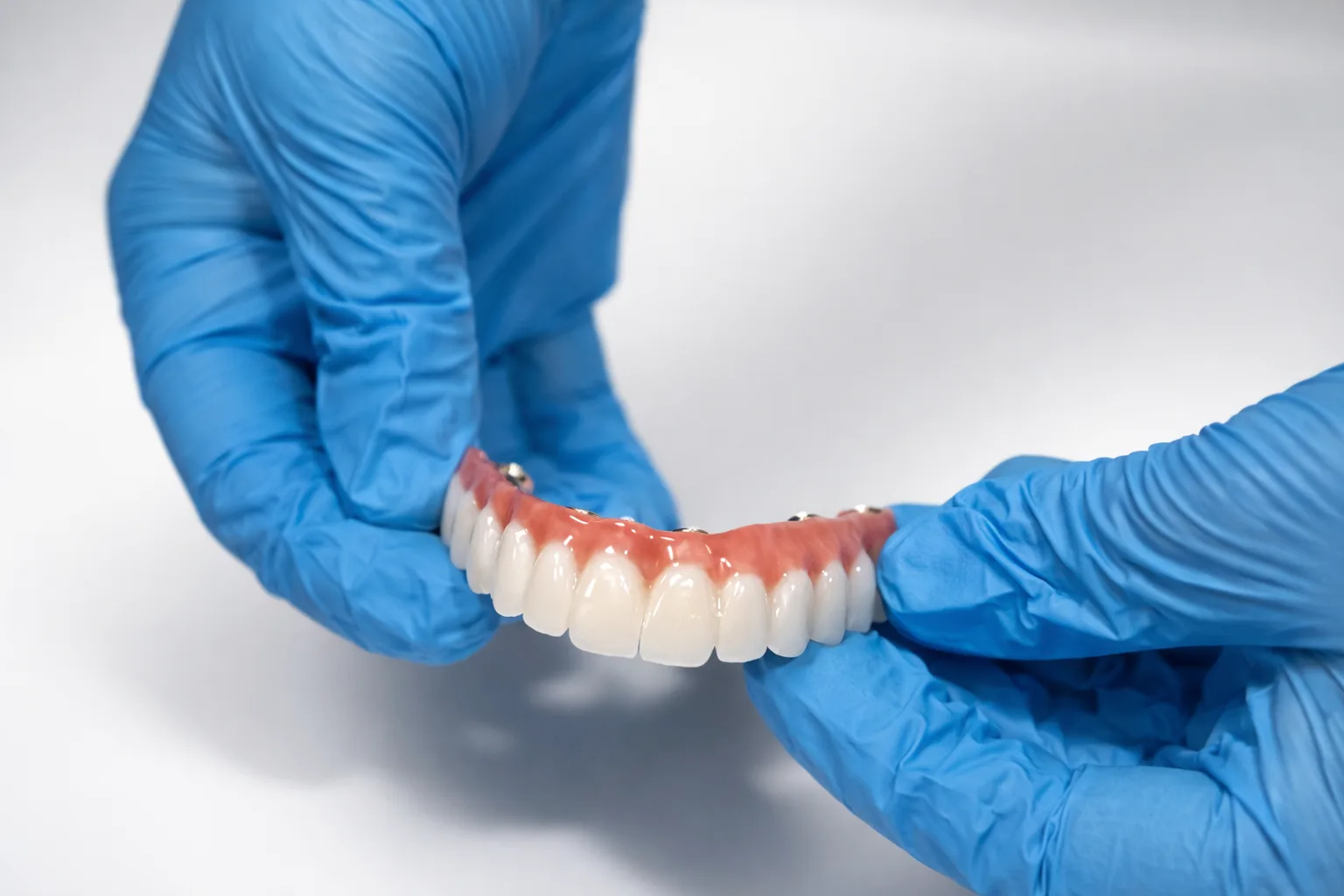
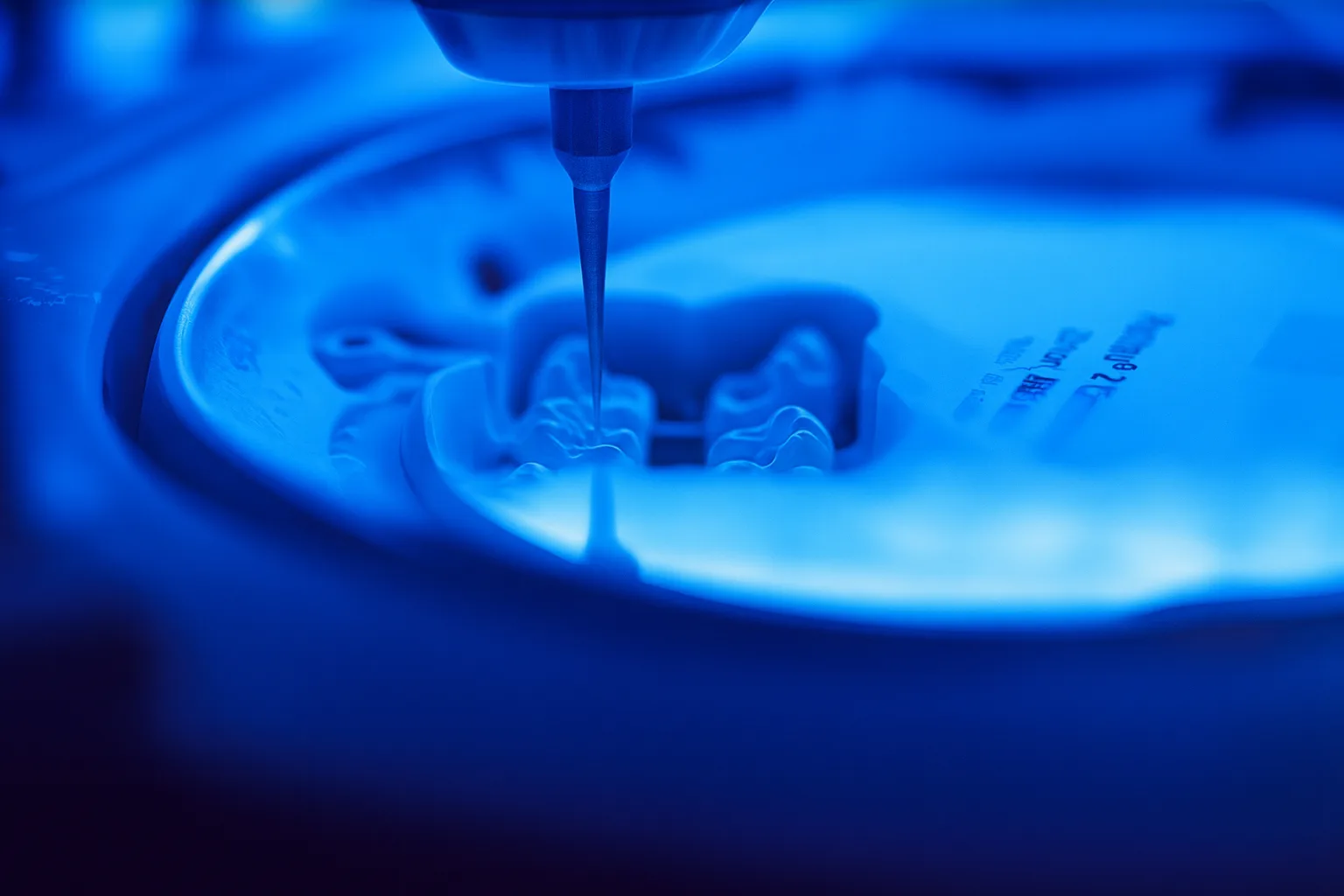
- ✓In-House Lab & Same-Day Results - Our on-site lab crafts your custom zirconia prosthetics, so you can walk out with a new smile the same day. No waiting weeks for an outside lab.
- ✓Lifetime Warranty on Full Arch Prosthetics - We back our full-arch zirconia prosthetics with a lifetime structural warranty. If it cracks or breaks under normal use, we replace it free. View warranty terms.
- ✓Price-Match Guarantee - Because we own our lab and employ our specialists directly, we keep costs lower than corporate chains. We'll match any competitor's quote for comparable treatment.