Why Bone Loss Happens
Jawbone loss is common after tooth loss:
- Tooth extraction - The jawbone in the extraction area begins to resorb within weeks without a tooth root or implant to stimulate it.
- Long-term denture wear - Dentures sit on top of the gums and don't stimulate the bone. After years of denture wear, significant bone loss is common.
- Periodontal disease - Gum disease destroys the bone supporting teeth, often the reason teeth were lost in the first place.
- Natural aging - Some bone density naturally decreases with age, especially in women after menopause.
The longer you wait after tooth loss, the more bone is typically lost. This is one reason we recommend implants sooner rather than later - they preserve bone by providing the stimulation that maintains density.
Solutions for Bone Loss
Bone Grafting
The most common solution. Bone graft material (synthetic, donor, or your own bone) is placed in the deficient area and given 3-6 months to heal and integrate. Once the graft has matured, implants can be placed in the newly regenerated bone.
All-on-4 Angled Implants
The All-on-4 technique places rear implants at 30-45 degree angles, engaging more of the existing bone. This often eliminates the need for bone grafting entirely, even in patients with moderate to significant bone loss. It's one of the most popular techniques at Fusion.
Zygomatic Implants
For severe upper jaw bone loss, zygomatic implants are long implants that anchor into the cheekbone (zygoma) instead of the jawbone. They bypass the bone-deficient areas completely and provide immediate, strong support for full-arch restorations.
Short Implants
Newer implant designs with shorter posts (6-8mm vs traditional 10-13mm) can work in areas with limited bone height, reducing or eliminating the need for grafting in some cases.
The Assessment Process
At Fusion, determining whether you have enough bone for implants is straightforward:
- 3D CT scan - Our cone-beam CT provides a detailed 3D view of your jawbone density, height, width, and anatomical landmarks.
- Bone quality analysis - We assess not just quantity but quality - dense cortical bone provides better implant support than softer cancellous bone.
- Treatment options - Based on your scan, our surgeons present which techniques will work for your specific anatomy and bone situation.
- Timeline - We provide a realistic timeline, including any grafting healing periods needed before implant placement.
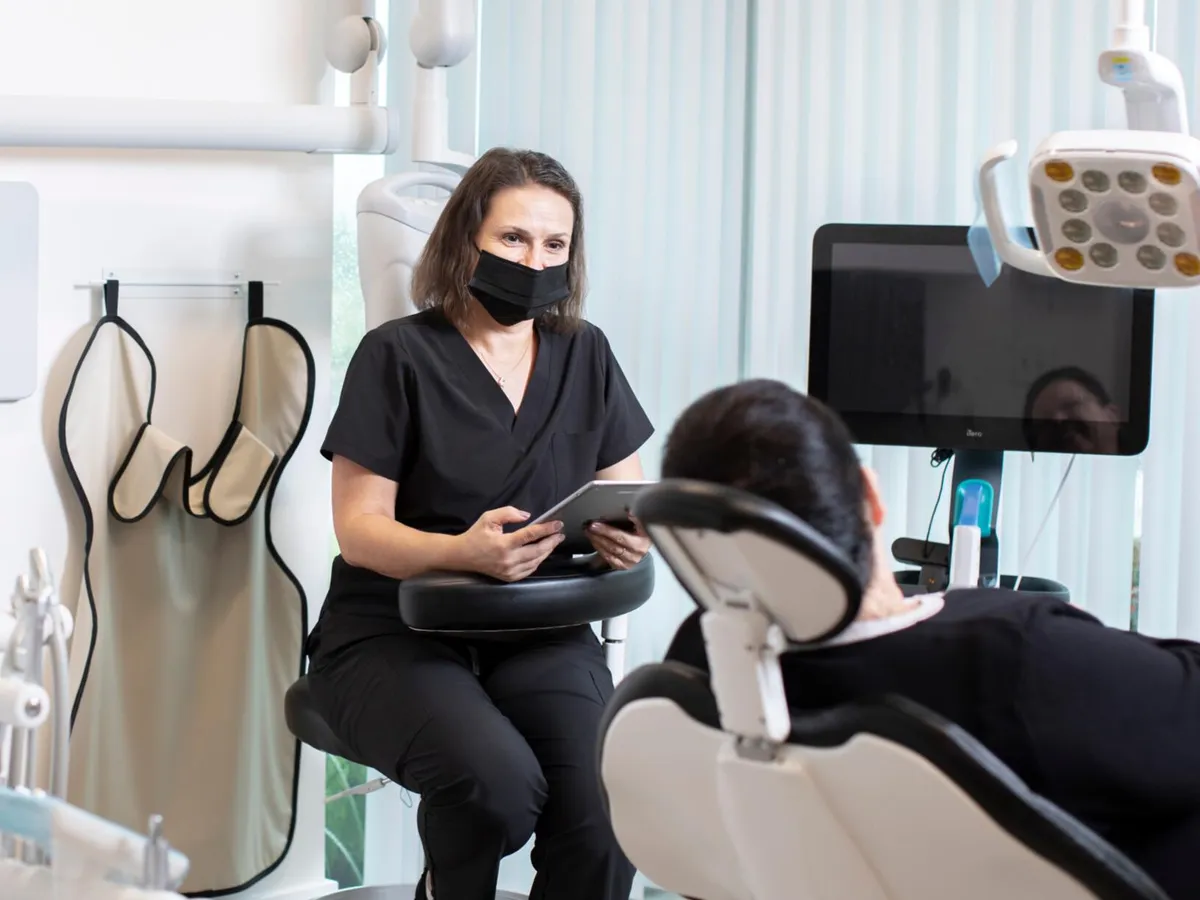
This assessment is part of your free consultation at Fusion. Many patients who were told "you don't have enough bone" by general dentists find that our specialists have solutions that make implants possible.
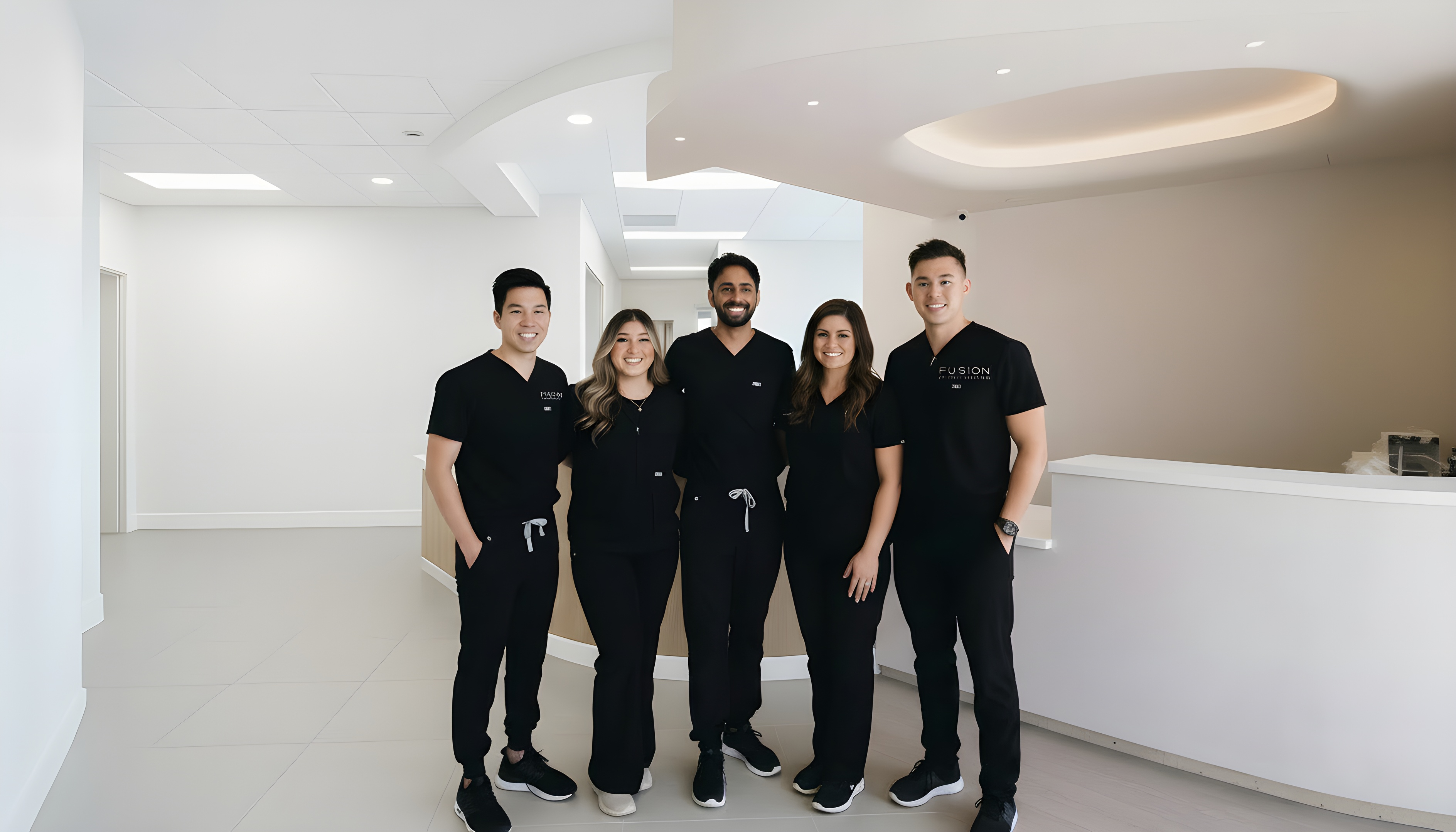
Why Patients Choose Fusion Dental Implants
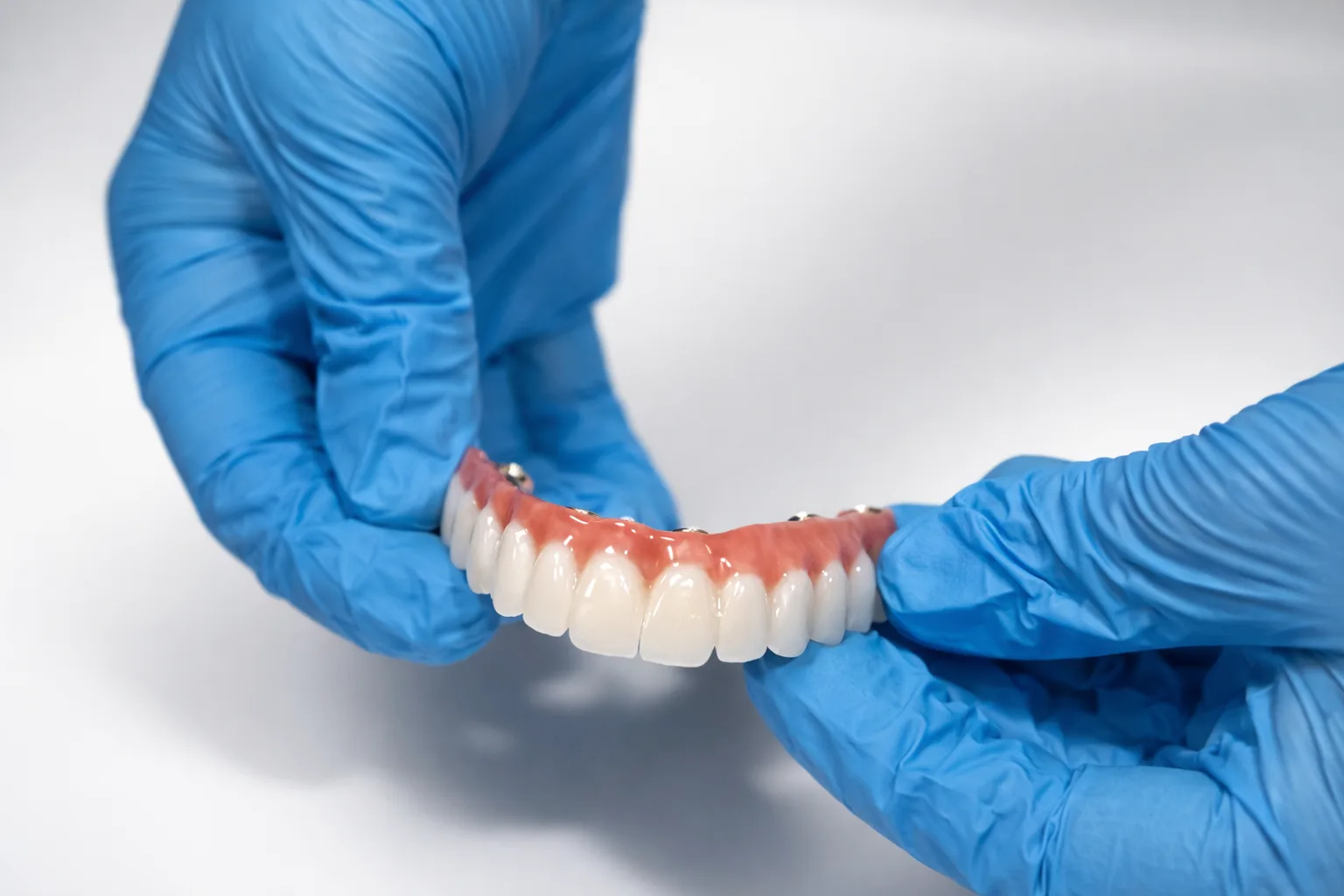
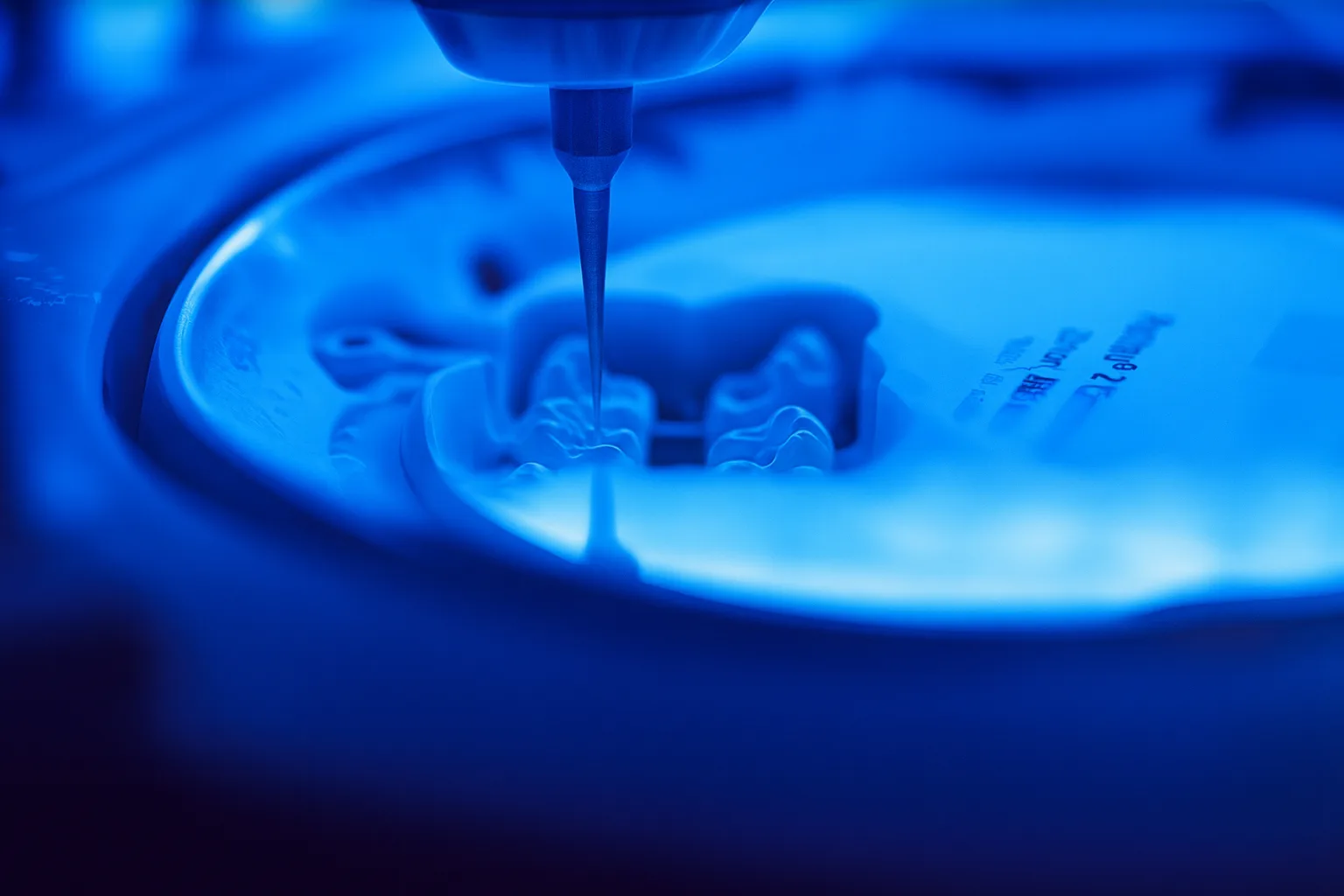
- ✓In-House Lab & Same-Day Results - Our on-site lab crafts your custom zirconia prosthetics, so you can walk out with a new smile the same day. No waiting weeks for an outside lab.
- ✓Lifetime Warranty on Full Arch Prosthetics - We back our full-arch zirconia prosthetics with a lifetime structural warranty. If it cracks or breaks under normal use, we replace it free. View warranty terms.
- ✓Price-Match Guarantee - Because we own our lab and employ our specialists directly, we keep costs lower than corporate chains. We'll match any competitor's quote for comparable treatment.