
Rebuild What's Missing
Missing several teeth? Restore your smile and function with individual implants or implant-supported bridges—without touching your healthy teeth.
Trusted & Accredited By Leading Organizations





What Are Multiple Dental Implants?
If you're missing several teeth in different areas of your mouth (or even in the same area), multiple dental implants offer a permanent, independent solution for each missing tooth—or a bridge supported by implants.
Unlike traditional bridges that grind down healthy adjacent teeth for support, dental implants stand alone. Each implant is anchored directly into your jawbone, preserving the health and structure of your natural teeth.
Independent Teeth
Each implant functions like a natural tooth root
Preserve Healthy Teeth
No grinding or altering adjacent teeth
Long-Term Solution
Designed to last decades with proper care
Your Treatment Options
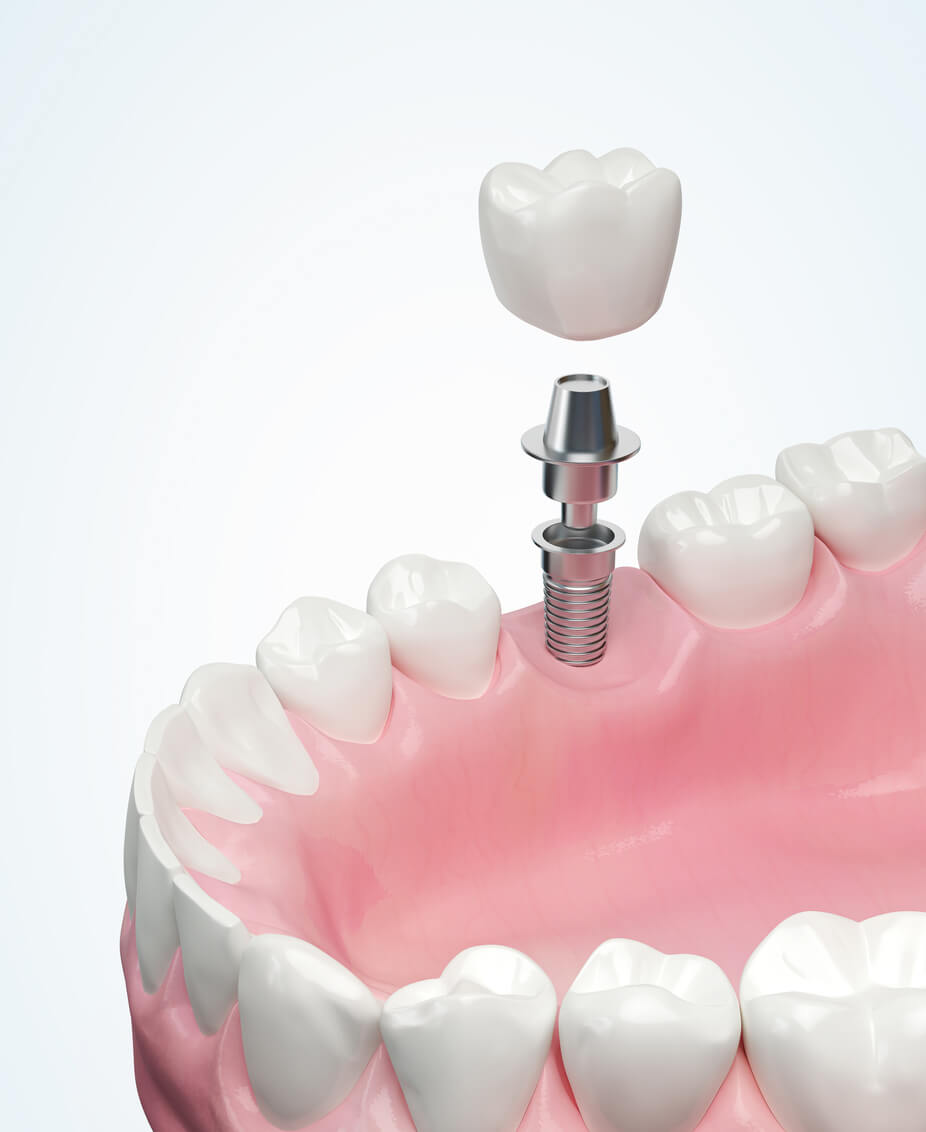
Individual Implants for Each Tooth
One implant = One tooth. If you're missing multiple teeth in different areas, we place a separate implant for each missing tooth.
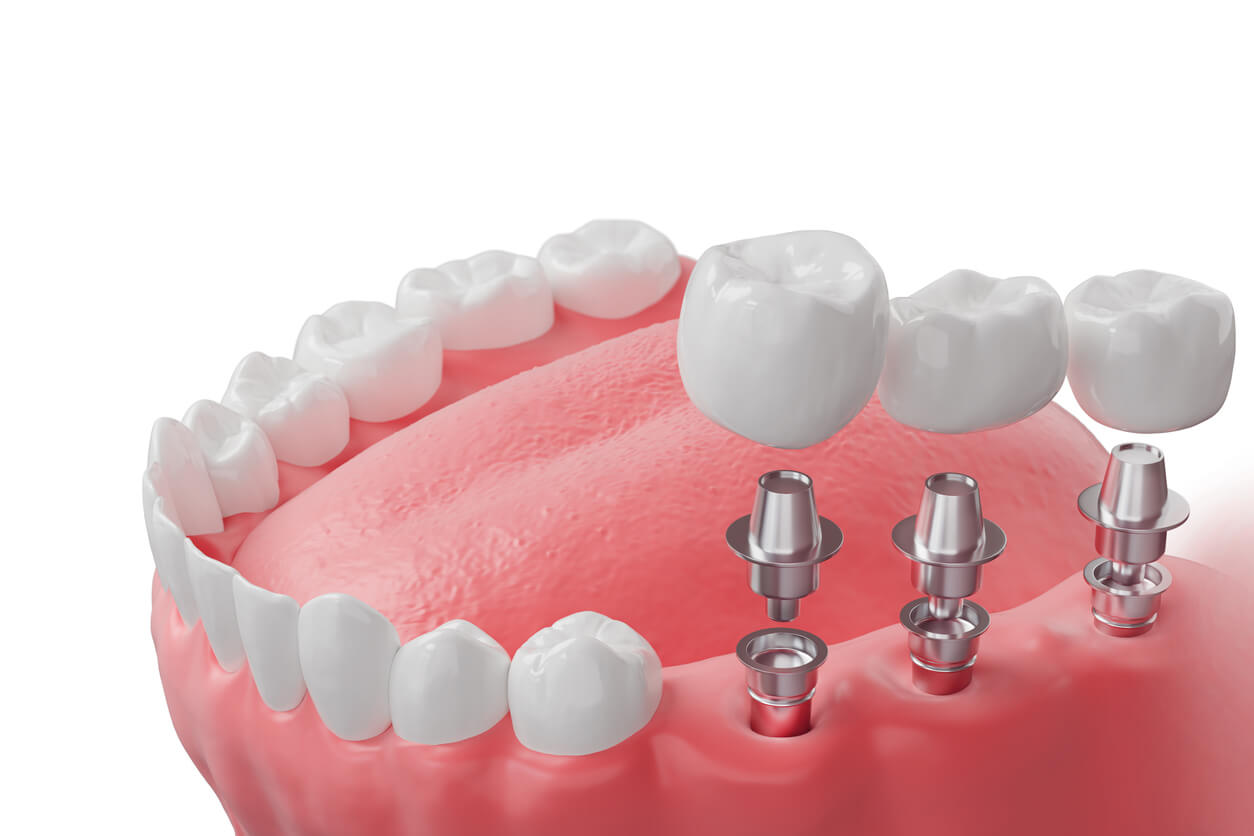
Implant-Supported Bridge
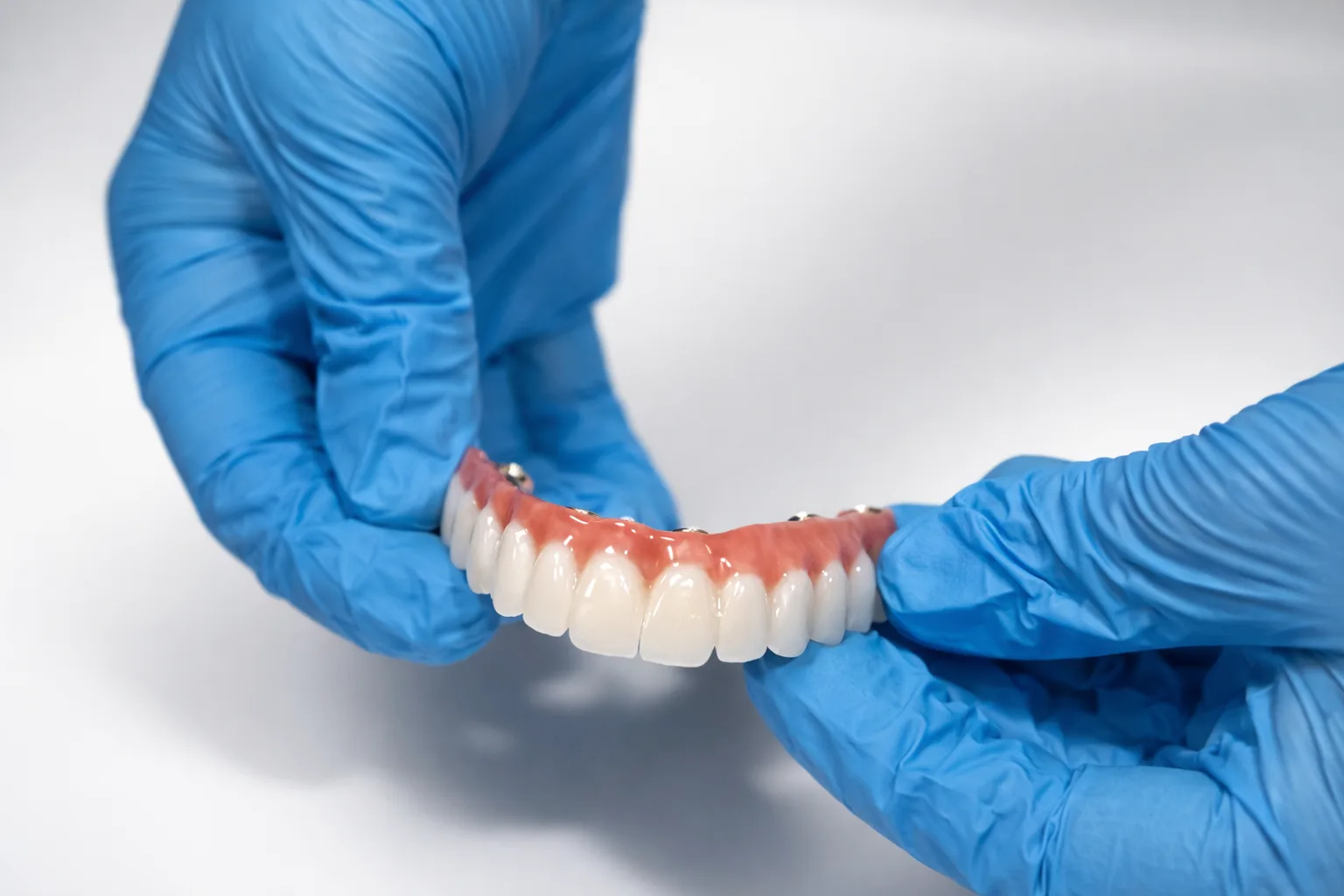
Multiple teeth, fewer implants. If you're missing several consecutive teeth, we can place 2-3 implants to support a bridge of multiple crowns.
Why Choose Multiple Implants?
Preserve Your Healthy Teeth
Traditional bridges require grinding down healthy teeth on either side of the gap. Implants don't touch your natural teeth.
Stop Bone Loss
Implants stimulate your jawbone like natural roots, preventing the bone deterioration that occurs with missing teeth.
Eat Anything You Want
Dental implants restore up to 70% of your natural bite force. Enjoy steak, apples, corn—whatever you love.
Natural Appearance
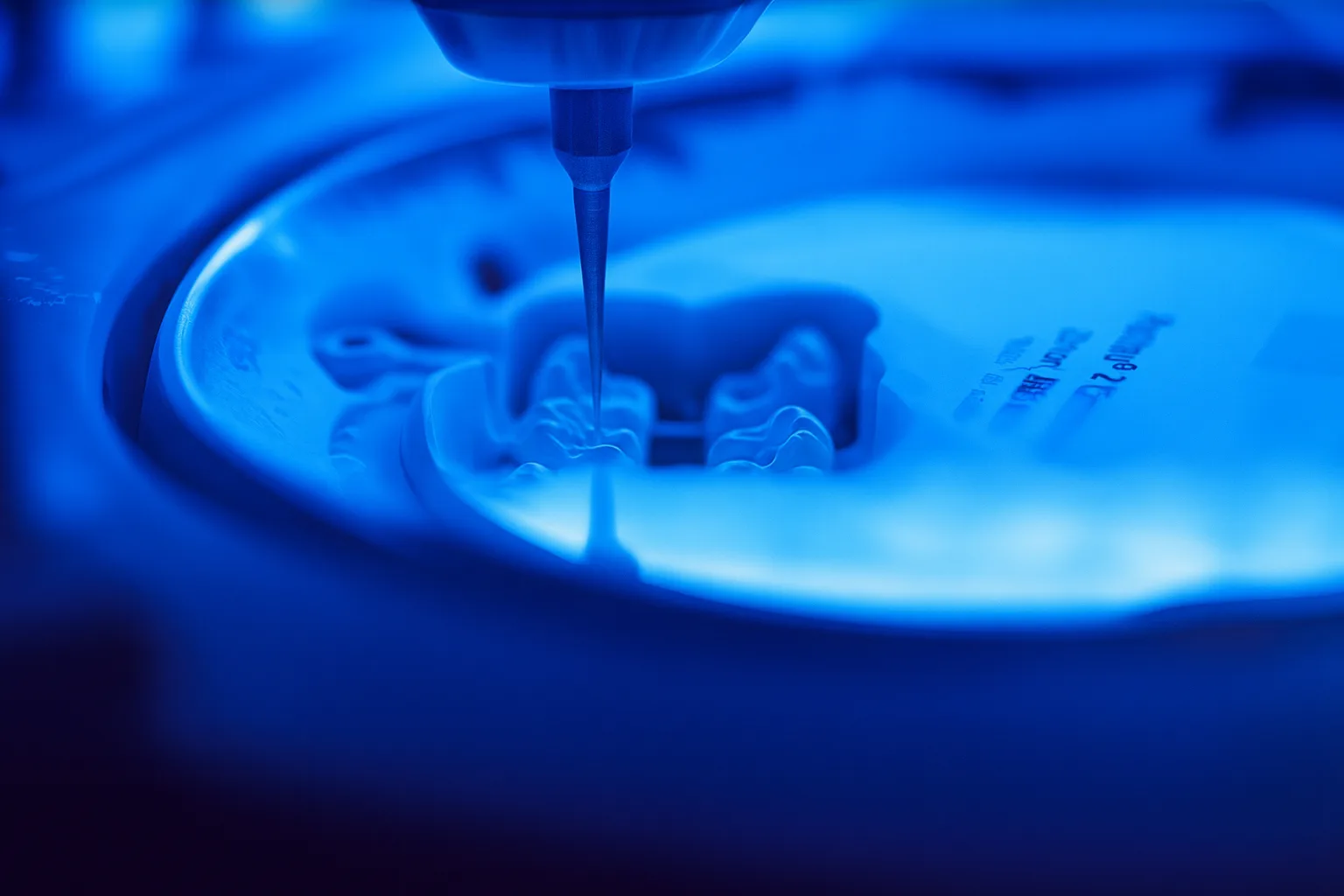
Custom crowns crafted in our in-house lab match your natural teeth perfectly in shape, color, and translucency.
The Process
Consultation & Planning
3D imaging and digital planning map out the exact placement for each implant.
Implant Placement
Implants are placed in a single surgical visit with precision-guided accuracy.
Healing Period
3-6 months for the implants to fuse with your bone (temporary teeth available).
Final Restoration
Custom crowns or bridge are crafted and permanently attached.
Who Is This For?
Missing 2-8 Teeth
Whether in one area or scattered throughout your mouth, multiple implants restore each missing tooth.
Failing Bridges or Partials
Replace old, uncomfortable bridges or removable partials with permanent, fixed implants.
Want to Preserve Healthy Teeth
Avoid grinding down healthy teeth for a traditional bridge—implants stand alone.
Seeking a Long-Term Solution
Implants are designed to last decades—often a lifetime with proper care.
Multiple Dental Implants: Your Complete Guide
When you are missing several teeth-but not an entire arch-multiple dental implants offer the most natural and functional solution. Rather than placing one implant for every missing tooth, we often use implant-supported bridges that attach to two or more strategically placed implants, providing excellent support while minimizing the number of implants needed.
Implant-Supported Bridges vs. Traditional Bridges
Traditional dental bridges require grinding down healthy adjacent teeth to serve as anchors for the bridge. This permanently alters your natural teeth and can lead to decay or damage over time. Implant-supported bridges, on the other hand, are anchored entirely to implants, leaving your natural teeth untouched. This preserves your tooth structure and provides a more durable, long-lasting restoration.
How Many Implants Do I Need?
The number of implants required depends on how many teeth are missing, the location in your mouth, and the condition of your jawbone. Generally, to replace three consecutive missing teeth, we may place two implants with a three-unit bridge. For four to six missing teeth, three implants may be sufficient. During your consultation, we will evaluate your specific situation and recommend the optimal number of implants for stability and longevity.
Benefits of Multiple Implants
Multiple implants restore your ability to chew all foods comfortably, speak clearly, and smile with confidence. They prevent the bone loss that occurs when teeth are missing, maintaining your facial structure and preventing the sunken appearance that can develop over time. Unlike partial dentures that can slip and require clasps, implant-supported restorations are fixed in place and feel just like natural teeth.
Comparing single tooth vs multiple implants?
See our combined Simple Implants overview — both single tooth and multiple-tooth options on one page.
See Detailed Multiple Implant Pricing
Replacing several teeth? View transparent, all-inclusive pricing for multiple implant treatments - implants, abutments, and final crowns or bridges.
Ready to Rebuild Your Smile?
Schedule a free consultation to create your personalized treatment plan. We'll show you exactly how we can restore your missing teeth.