Find a center
Fusion Dental Implants - Same-Day Dental Implant Specialists in Northern California
Orthodontics dental care

Orthodontics & Invisalign

Orthodontics in Roseville & El Dorado Hills

Discuss options for tooth alignment and bite concerns.

Request a free consultation

  1. Step 1
  2. Step 2

Tell us how to reach you and which office you prefer.

Y
4.9

Planning orthodontics care

Discuss your goals

Discuss options for tooth alignment and bite concerns.

Individual assessment

Your dentist can discuss findings and recommend care based on your needs.

Understand your options

Ask about alternatives, next steps, and expected costs before deciding.

Your orthodontics visit

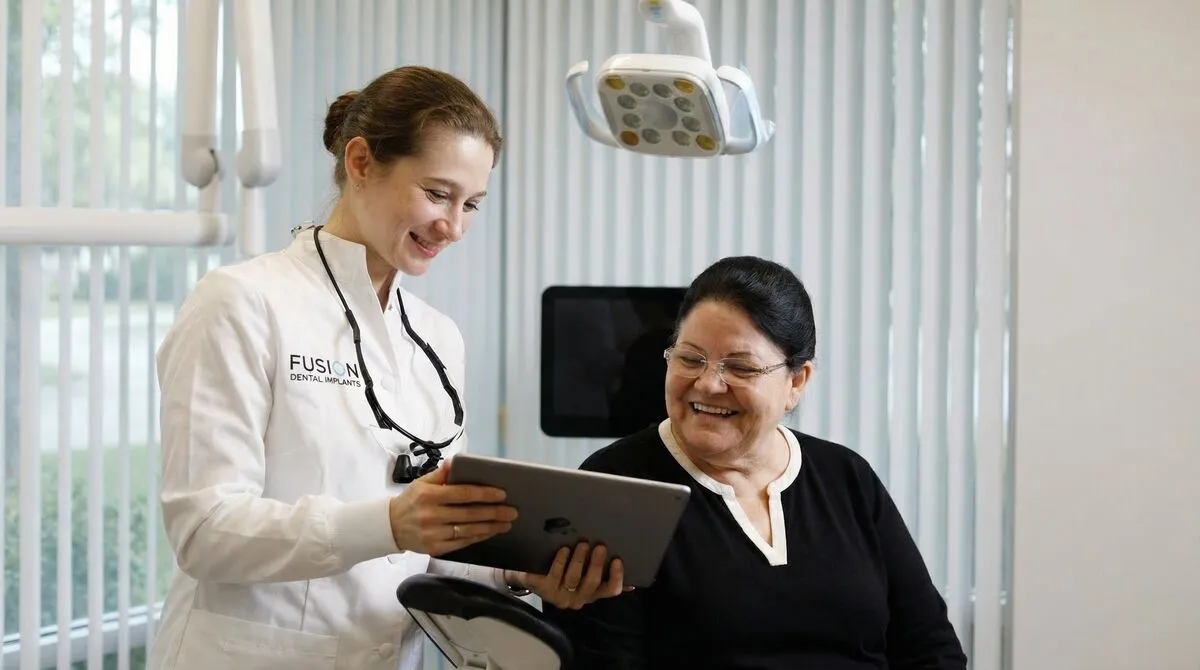
Dental consultation at Fusion Dental Implants

Discuss options for tooth alignment and bite concerns.

*Terms and conditions apply to our lifetime warranty.

Is orthodontics right for you?

A visit may help if:

  • You have questions about orthodontics
  • You want to discuss your oral health and care options

Discuss other needs if:

  • You have concerns that require a different type of dental assessment
  • Your dentist recommends another approach based on your examination

Your care team can explain what is appropriate for your individual needs.

Insurance Accepted

We work with most major insurance providers to help maximize your benefits.

Aetna dental insurance accepted at Fusion Dental
Cigna dental insurance accepted at Fusion Dental
Delta Dental dental insurance accepted at Fusion Dental
MetLife dental insurance accepted at Fusion Dental
United Healthcare dental insurance accepted at Fusion Dental
Blue Cross Blue Shield dental insurance accepted at Fusion Dental
Guardian dental insurance accepted at Fusion Dental
Humana dental insurance accepted at Fusion Dental

No insurance? No problem. Ask about our affordable payment plans.

Fusion Dental Implants

Orthodontics with you in mind

Discuss options for tooth alignment and bite concerns. Our general dental care is offered at our two Fusion Dental Implants centers.

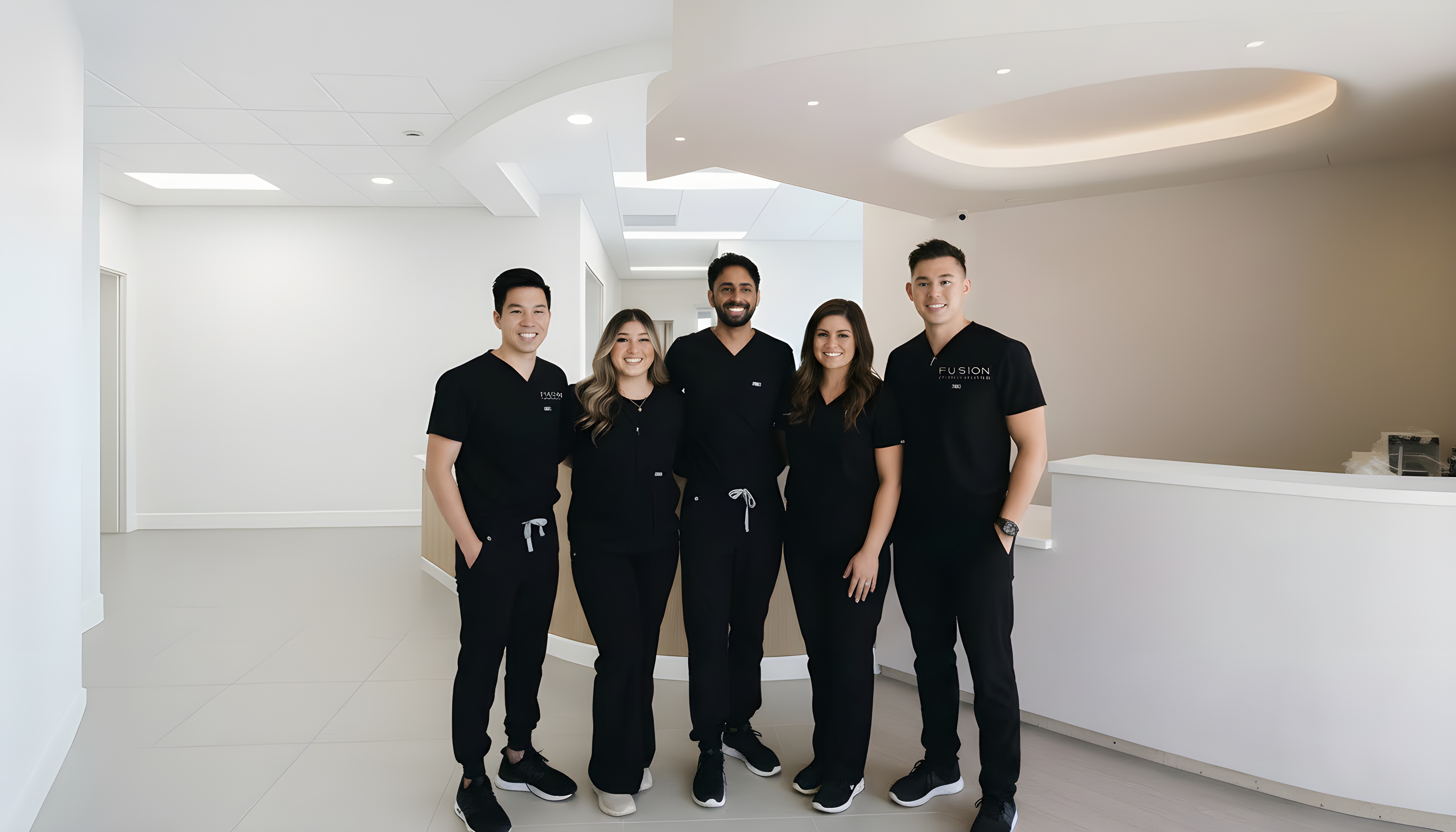
Fusion Dental Implants care team

Alignment concerns

Point out crowded teeth, spaces, or parts of your bite that make chewing or cleaning difficult. Share whether your teeth have shifted recently or whether you are concerned about wear or a change in how your jaws meet. An evaluation can help distinguish a cosmetic preference from a bite concern and identify questions to discuss before choosing any alignment treatment.

Orthodontics dental care

Check oral health

Before discussing tooth movement, a dentist should assess teeth, gums, existing fillings, and how your bite comes together. Cavities or active gum problems may need attention before alignment treatment begins. Tell the team about loose teeth, bleeding gums, or jaw discomfort, and ask how your current oral health could affect the timing or suitability of a proposed plan.

Reception area at Fusion Dental Implants

Compare approaches

Clear aligners and other orthodontic approaches differ in how they move teeth and what they require from you day to day. Ask which choices could address your specific crowding, spacing, or bite issue, and whether any movements may be more complex. Compare anticipated visits, cleaning needs, costs, and limitations before deciding; an exam is needed to determine what is appropriate.

Dental consultation at Fusion Dental Implants

Know the commitment

Alignment treatment generally involves follow-up visits and careful cleaning around teeth and any appliances. If removable aligners are considered, ask how consistently you would need to wear them and what happens when wear instructions are missed. Discuss the estimated length of your individual plan, what could change that timeline, and how retainers may help maintain the result afterward.

About Us

Orthodontics at Fusion Dental Implants

Orthodontic care considers the position of teeth and how the bite works, not just how straight teeth appear in a photograph. Crowding, spacing, and bite concerns can affect different people in different ways. At our Fusion Dental Implants centers in Roseville and El Dorado Hills, begin by sharing what bothers you and what you hope treatment could change. An exam is needed before deciding on an approach.

The dentist assesses teeth, gums, and bite, including any existing dental work or concerns that could affect tooth movement. Active decay or gum disease may need to be managed before alignment treatment. For a teen, growth and tooth development can influence timing; for an adult, overall oral health and previous treatment may influence options. Clinically indicated records can help develop a plan, but a particular scan is not a routine promise.

Clear aligners and fixed appliances are different tools. Aligners can be removed for eating and cleaning but require consistent wear to work as intended; fixed appliances need careful cleaning around brackets and wires. The movements needed, bite complexity, and willingness to follow instructions can affect suitability. Ask about realistic goals and limitations instead of choosing solely by appearance.

Alignment treatment takes ongoing visits and attention to oral hygiene. If a tooth feels painful in an unexpected way, an appliance breaks, or gums become inflamed, contact the care team for guidance. Duration varies and may change as the teeth respond. At the end of active treatment, discuss retention so you know how to help maintain the positions achieved.

Before starting, compare the proposed approach, expected appointment pattern, alternatives, and possible maintenance. Insurance orthodontic benefits and out-of-pocket costs vary; request a plan specific to your case. No fixed treatment time, appearance, or included imaging should be assumed without discussing your individual needs.

A question about alignment is also a chance to discuss whether an existing restoration, missing tooth, or previous orthodontic treatment changes the plan. Let the care team know about retainers you have used before and any areas that are hard to clean. That context helps make the discussion more useful than choosing an appliance from appearance alone.


FAQ

Orthodontics questions

Answers to common questions about orthodontics.

What concerns can orthodontic treatment address?

Orthodontic treatment moves teeth to address selected crowding, spacing, and bite concerns. Whether treatment would help you depends on an examination of your teeth, gums, and the way your upper and lower teeth meet.

A cosmetic concern does not always require the same plan as a functional bite problem. A dentist can explain the findings, whether treatment is indicated, and when another evaluation may be useful.

Ask which changes are realistic for your individual case rather than expecting an identical outcome from another person's photos.

Are clear aligners or braces better for my teeth?

Neither approach is best for everyone. Removable clear aligners rely on consistent wear and may suit some types of tooth movement; fixed appliances can be considered for other alignment or bite needs.

The condition of your gums, any restorations, the complexity of movement, and your ability to follow the plan all matter. Ask about the expected visits, hygiene requirements, limitations, and retention after treatment.

A clinician needs to assess your bite before advising whether either approach is appropriate.

Can adults and teens ask about orthodontic care?

Yes. Alignment concerns can be discussed at different ages, although the plan for a growing teen and an adult may differ. For younger patients, development and the timing of tooth eruption may influence whether to monitor or treat.

Adults may need gum disease, cavities, or restorations addressed before moving teeth. Bring information about prior orthodontic treatment and any retainers. An individual exam can clarify priorities and whether the proposed approach fits the patient's oral health and goals.

How long does orthodontic treatment take?

The duration depends on the type and complexity of movement, your bite, the treatment method, and adherence to instructions. It is not possible to promise a timeline without an assessment, and plans sometimes change as teeth respond.

Ask what follow-up visits involve and which changes would mean the plan should be reviewed. After active treatment, retention is usually discussed to help maintain the new positions; a retainer plan is part of the overall commitment.

Do I need healthy gums before moving teeth?

Active gum disease or untreated decay may need attention before orthodontic treatment. Moving teeth without considering the health of supporting tissues can complicate care. A dentist can evaluate your teeth and gums and explain what should be addressed first.

During orthodontic treatment, cleaning around brackets or aligners and keeping regular dental visits remain important. Report gum bleeding, new sensitivity, or a damaged appliance rather than waiting until the end of treatment.

What should I ask about orthodontic costs?

Ask for an individualized plan covering the method proposed, anticipated follow-up, and retention, rather than assuming one price applies to all alignment cases. Costs depend on complexity, duration, appliances, and any separate dental care required beforehand.

Insurance benefits for orthodontics vary by plan and may have age limits or other restrictions. Discuss alternatives, potential changes to the plan, and expected patient costs before starting; a consultation or scan should not be assumed to be free.

Have another question? Talk with our team.

Call (916) 292-9998
Patient Education

Learn about orthodontics

Understand your options and bring your questions to your dental visit.

How an alignment plan is made

An orthodontic assessment considers tooth positions, bite relationships, gum health, and the concern you want addressed. The clinician may recommend records or imaging when needed to understand the case. Decay and active gum disease should be considered before tooth movement.

A plan should explain what will be moved, why that movement matters, and which treatment approach is suitable.

Ask whether clear aligners, fixed appliances, monitoring, or another option is reasonable. Some appearance concerns have a different cause or may call for restorative care. A discussion of expected visits and retention makes the commitment clearer before treatment begins.

If more than one approach is suitable, compare the oral-hygiene demands and limitations of each. Ask how your existing restorations or previous orthodontic care could affect the proposed movement.

Oral hygiene, follow-up, and retention

Tooth movement happens over time and requires follow-up to check progress. With removable aligners, wearing them as directed matters; with fixed appliances, cleaning carefully around the hardware matters.

Continue routine dental care and tell the team about gum bleeding, persistent discomfort, or damaged appliances.

Teeth can shift again after active treatment, which is why retention should be discussed from the start. Ask what retainer care may be needed and what changes would warrant a follow-up. Treatment length and aftercare depend on your own bite and response, not a standard schedule.

Continue dental examinations during alignment care to check teeth and gums as well as tooth movement. Tell the clinician promptly if a retainer breaks or stops fitting. A change in how the teeth meet may be more important than a change you can see in a mirror.

Your Next Step

Discuss tooth alignment

Request an evaluation of crowding, spacing, or bite concerns.

Ask which alignment options may fit your oral health and goals.

Patient consultation at Fusion Dental Implants
(916) 292-9998