First, Know Which Material You Are Comparing
Patients often hear the word zirconia used for two different parts of implant treatment. The distinction matters:
- The implant post is the component placed in the jawbone. Posts are commonly made from titanium and can also be made from dental zirconia.
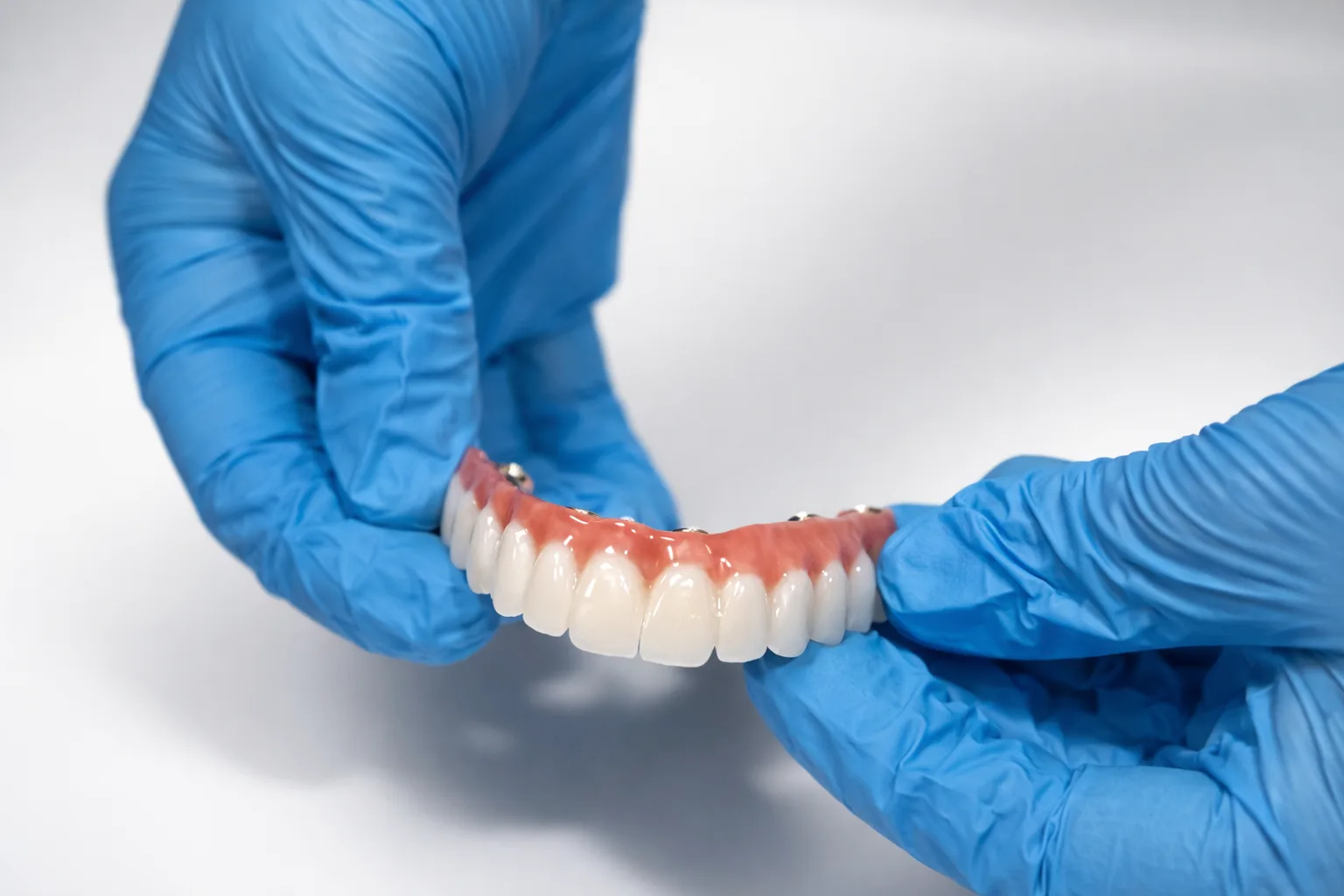
- The restoration is the visible crown, bridge, or full-arch set of teeth attached to the implants. It may be made from zirconia even when the posts underneath are titanium.
A treatment described as a “zirconia smile” does not necessarily use zirconia implant posts. At Fusion Dental Implants, a common full-arch plan combines titanium posts with a monolithic zirconia restoration. This comparison focuses primarily on the material placed in the bone.
Titanium Dental Implants: Strengths and Trade-Offs
Titanium remains the most widely used dental implant material. Its long history gives clinicians extensive evidence, many implant designs, and a broad selection of restorative components.
Potential advantages of titanium
- Long clinical track record: Titanium systems have been studied and used for decades across single-tooth, multi-tooth, and full-arch treatment.
- Predictable osseointegration: A properly planned titanium implant can form a stable connection with the surrounding bone.
- High strength with useful flexibility: Titanium tolerates substantial chewing forces and is well suited to complex or load-bearing cases.
- Modular design: Two-piece systems let the surgeon and restorative dentist select and angle components for a wider range of anatomy.
- Broad clinical versatility: Titanium is available in more sizes, shapes, and connection designs than zirconia.
Potential limitations
- The gray material can become visible if very thin gum tissue recedes, particularly around a front tooth.
- Patients who strongly prefer to avoid metal may not be comfortable choosing titanium.
- Suspected sensitivity should be evaluated clinically rather than diagnosed from symptoms or consumer testing alone. True reactions appear to be uncommon, and inflammation around an implant can have several other causes.
Zirconia Dental Implants: Strengths and Trade-Offs
Dental zirconia is a high-strength ceramic made from zirconium dioxide. Once processed as a ceramic, it is nonmetallic in appearance and does not behave like a conventional metal. Modern zirconia implants can integrate with bone, but they have a shorter clinical history and fewer system options than titanium.
Potential advantages of zirconia
- Tooth-colored appearance: The white material may reduce the chance of a gray shadow in patients with thin gum tissue.
- Metal-free option: Zirconia may align with a patient's material preference or be considered when a clinician identifies a reason to avoid titanium.
- Biocompatibility: Zirconia is designed for long-term use in contact with oral tissues and bone.
- Low electrical and thermal conductivity: Ceramic does not conduct heat or electrical current in the same way as metal.
Potential limitations
- Zirconia is strong but more brittle than titanium, so implant design, diameter, position, and bite forces require careful consideration.
- One-piece systems offer less flexibility after placement because the implant and abutment emerge at a fixed angle. Two-piece zirconia systems are available, but choices remain more limited.
- Long-term evidence is growing, yet it does not match the breadth or duration of titanium research.
- Specialized components and laboratory steps can increase cost, and not every clinical situation is suited to a zirconia post.
Clinical Performance: What Matters Beyond the Material
Both materials can succeed when the case is appropriately selected and treatment is carefully performed. Comparing a single success-rate number can be misleading because studies differ in implant design, follow-up time, patient health, surgical technique, and what researchers define as success.
Material choice is only one part of the outcome. Important factors include:
- Three-dimensional implant position and the amount and quality of available bone
- Healthy gum tissue and the ability to maintain daily plaque control
- Smoking or nicotine use, uncontrolled diabetes, and other healing risks
- Teeth grinding, bite forces, and how those forces are distributed
- The location of the implant and whether it supports one tooth or a larger restoration
- The implant system, component design, and restorative plan
- Regular professional maintenance after treatment
In practical terms, an expertly planned implant made from either appropriate material is more likely to perform well than a poorly selected or poorly positioned implant chosen because of a material label alone.
Aesthetics, Gum Thickness, and the Smile Zone
Zirconia's white color can be helpful in the front of the mouth when gum tissue is naturally thin or likely to recede. It may reduce dark show-through if the implant or abutment becomes visible beneath the tissue. That does not automatically make zirconia the more aesthetic choice in every case.
The final appearance also depends on implant depth and position, bone support, the shape of the gums, the abutment, and the crown. A titanium implant can produce an excellent result when it is properly positioned and paired with an appropriate tooth-colored abutment and restoration. Conversely, a white implant cannot compensate for inadequate bone, unfavorable positioning, or an unstable gum line.
A clinician can evaluate your tissue thickness, smile line, and three-dimensional anatomy before recommending a material for a visible tooth.
One-Piece vs. Two-Piece Implant Systems
Implant construction can matter as much as the material itself. Many titanium implants use a two-piece design: the implant is placed in the bone, and a separate abutment supports the crown or bridge. This allows restorative flexibility and makes angle correction easier in complex cases.
Many zirconia implants have traditionally used a one-piece design. This removes an implant-abutment connection, but it also means the visible portion must be placed at the correct angle from the beginning and may need to remain exposed during healing. Newer two-piece zirconia systems offer more flexibility, although the available evidence and component selection vary by manufacturer.
For full-arch treatment, angled components and restorative versatility are often important. Titanium posts are therefore commonly used beneath a zirconia full-arch restoration. Your surgeon should recommend a system based on the complete surgical and restorative plan, not material preference alone.
How to Choose Between Zirconia and Titanium
There is no universal winner in the zirconia vs. titanium dental implant comparison. A consultation should answer the following questions:
- Where will the implant be placed? A front tooth with thin tissue presents different aesthetic demands than a back tooth exposed to heavier forces.
- How much bone is available? Limited width, grafting needs, and planned implant angulation may affect which designs are appropriate.
- What will the implant support? A single crown and a full-arch bridge require different restorative options and force management.
- Do you grind your teeth? Heavy bite forces may influence implant diameter, material, prosthesis design, and the need for a nightguard.
- Is metal avoidance a preference or a diagnosed medical concern? Discuss prior reactions and medical history with the treating clinician rather than assuming that nonspecific symptoms indicate an allergy.
- Does the surgeon regularly use the proposed system? Familiarity with its surgical protocol, components, and limitations is essential.
For many patients, titanium offers the most proven and adaptable foundation. Zirconia can be a reasonable alternative for selected cases where tissue aesthetics, material preference, and anatomy support its use.
The Fusion Dental Approach
Fusion Dental Implants plans treatment around the patient's anatomy and the final restoration. Three-dimensional imaging helps the team evaluate bone volume, implant position, nearby structures, and the restorative space before surgery.
Our commonly recommended full-arch combination is titanium implant posts supporting a monolithic zirconia restoration. This preserves the component flexibility and extensive evidence associated with titanium while using durable, tooth-colored zirconia for the visible teeth. A zirconia implant post may be considered when it offers a meaningful patient-specific advantage and the clinical conditions are appropriate.
If you are comparing materials, bring your priorities and questions to your consultation. The goal is not to promote one material for every patient; it is to select a system that can be placed safely, restored predictably, maintained properly, and supported by a realistic long-term plan.
Why Patients Choose Fusion Dental Implants
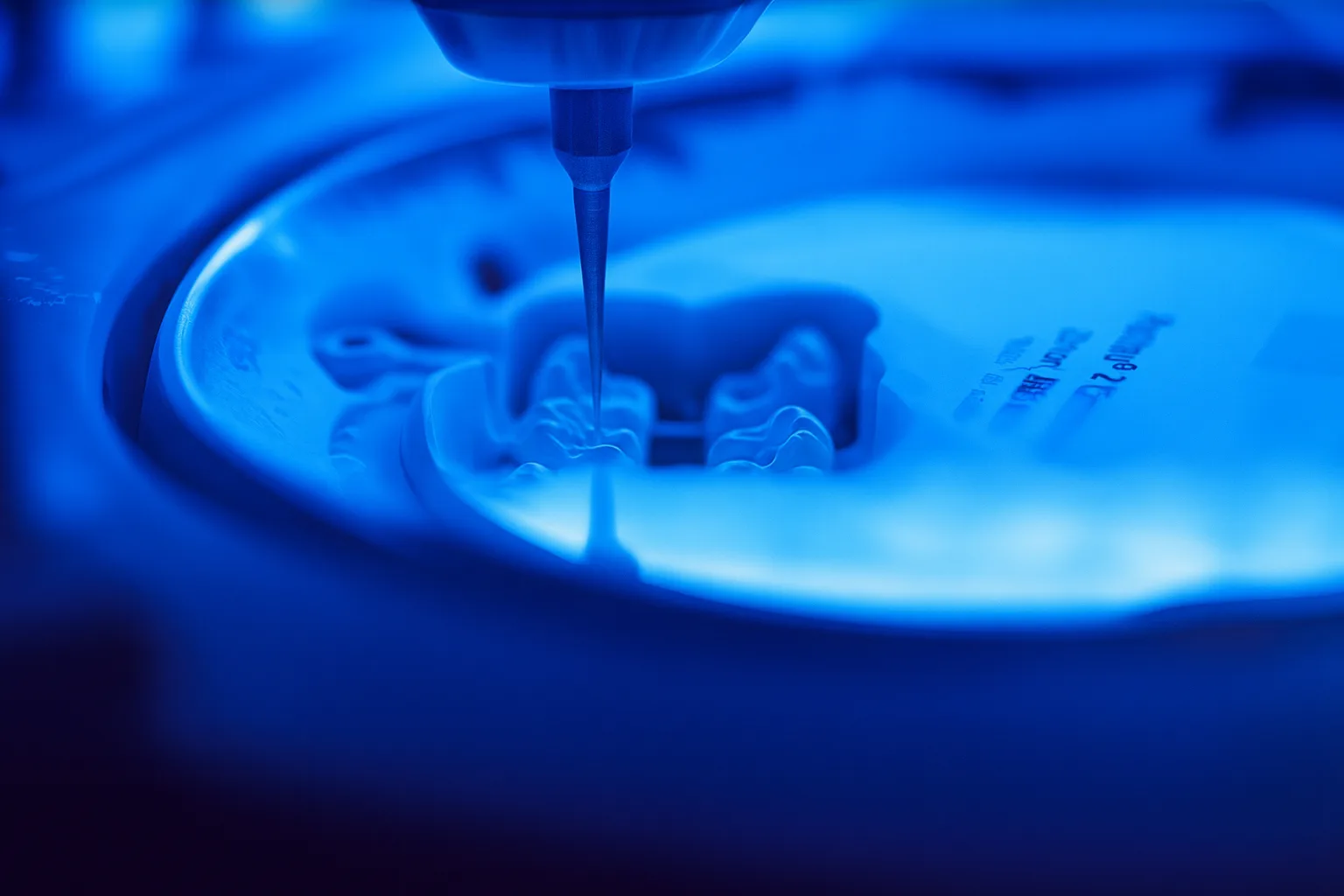
- ✓In-House Lab & Same-Day Results - Our on-site lab crafts your custom zirconia prosthetics, so you can walk out with a new smile the same day. No waiting weeks for an outside lab.
- ✓Lifetime Warranty on Full Arch Prosthetics - We back our full-arch zirconia prosthetics with a lifetime structural warranty. If it cracks or breaks under normal use, we replace it free. View warranty terms.
- ✓Price-Match Guarantee - Because we own our lab and employ our specialists directly, we keep costs lower than corporate chains. We'll match any competitor's quote for comparable treatment.