
Dental Implants for Diabetics: Candidacy, Healing, and Safety Tips
Dental Implants for Diabetics: Candidacy, Healing, and Safety Tips
If you live with diabetes, it’s normal to wonder whether dental implants are a safe and predictable option. This dental implants for diabetics guide explains what matters most for candidacy, how healing can differ, and which steps reduce risk before and after surgery.
The short answer is encouraging: many people with diabetes can successfully receive dental implants, especially when diabetes is well managed and gum and bone conditions are evaluated carefully. Evidence reviews commonly conclude that implant therapy can be safe and predictable in well-controlled diabetes, while poorly controlled diabetes is associated with higher complication risk, including impaired integration and increased peri-implant inflammation.
Key Takeaways
People with diabetes can often qualify for dental implants, but candidacy depends on individual health factors and oral conditions.
Glycemic control plays a major role in healing, infection resistance, and long-term peri-implant health.
Bone quality evaluation and proper planning are especially important when risk factors are present.
With the right preparation and maintenance, many diabetic patients achieve strong long-term outcomes.
Understanding Dental Implants
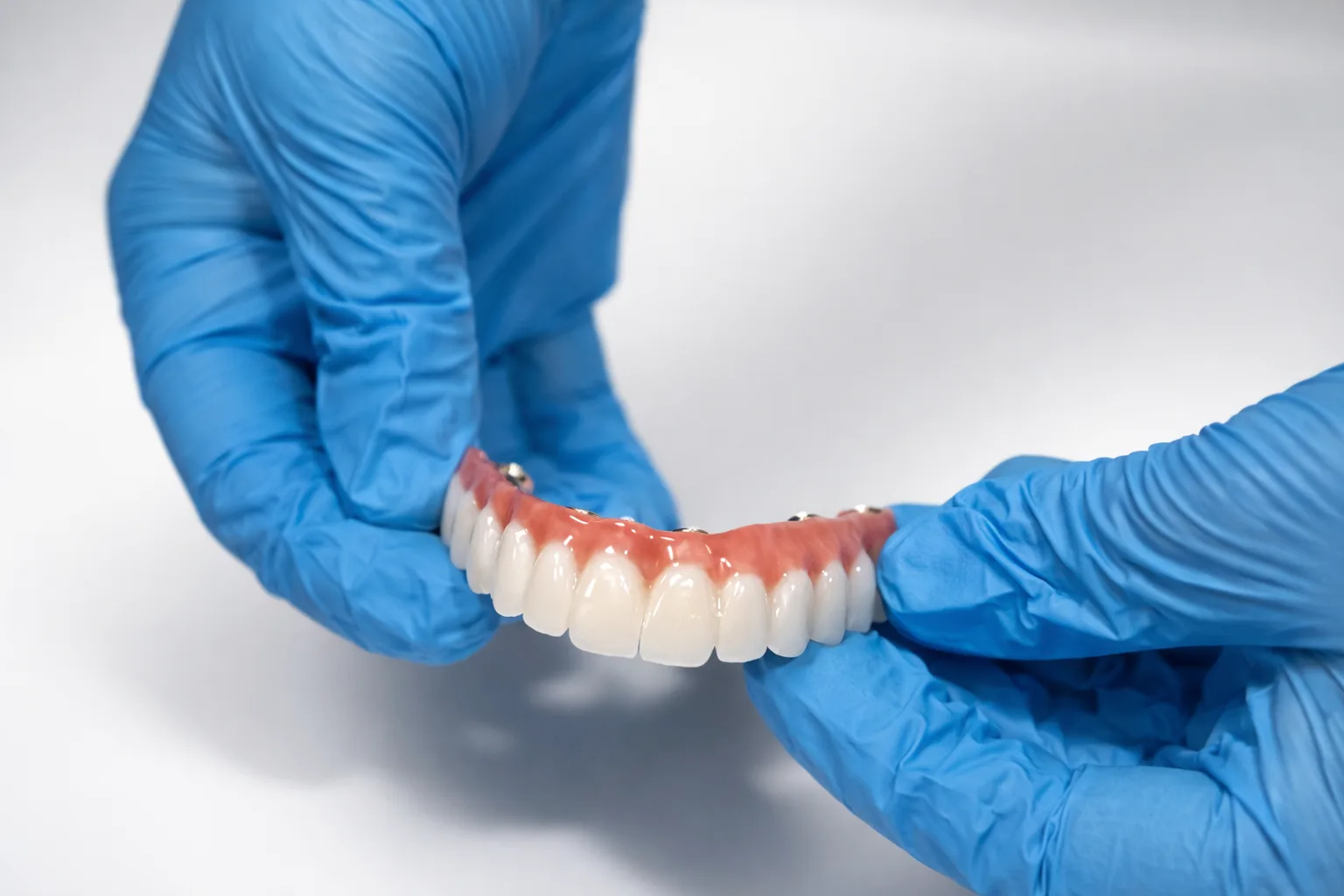
Dental implants are artificial tooth roots, typically made of titanium, that are surgically placed into the jawbone. Once healing occurs, the implant supports a crown, bridge, or implant-retained denture, restoring chewing function and aesthetics.
Benefits of Dental Implants
Durability: With proper care and maintenance, implants can last many years.
Improved function: They can restore stable chewing and speech, often more like natural teeth than removable options.
Aesthetic results: The final crown is customized to match your smile.
Support for the area: Properly planned implants can help maintain function where a tooth is missing.
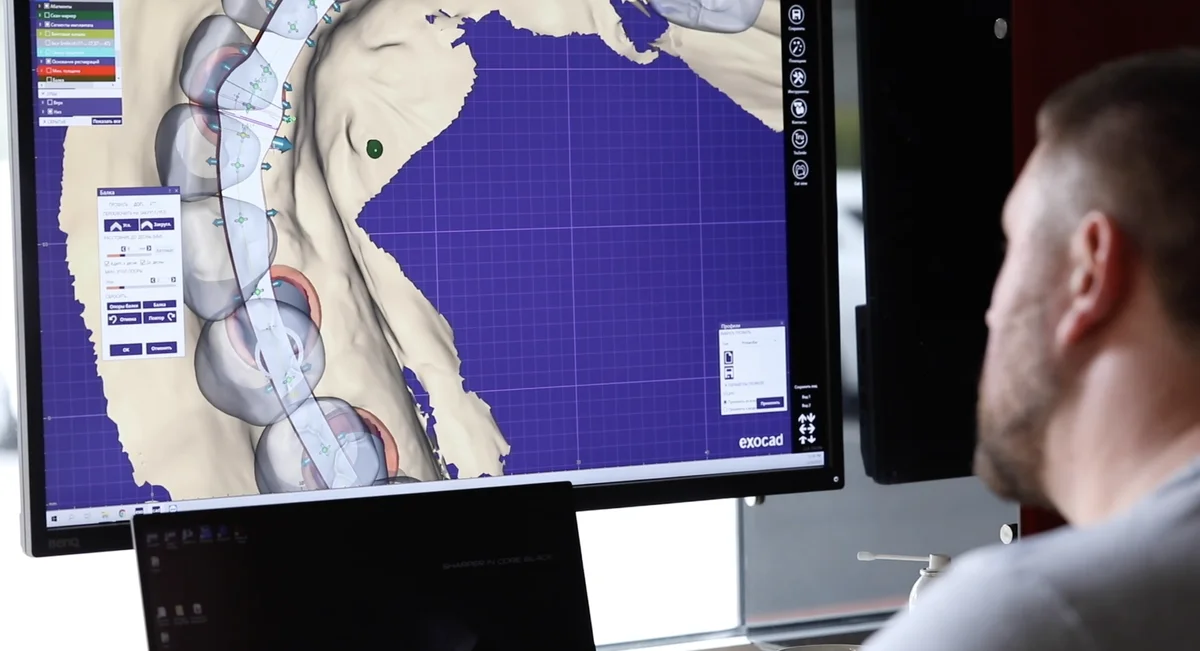
Why Diabetes Changes Implant Planning
Diabetes can affect implant outcomes mainly through three pathways:
Healing speed: Elevated glucose can slow tissue repair and bone remodeling.
Infection resistance: Poor glycemic control can impair immune response, increasing infection risk.
Inflammation risk long-term: Diabetes is associated with higher risk for peri-implantitis in multiple analyses, especially when control is suboptimal.
This does not mean implants are “unsafe” for diabetics, it means your plan should be more personalized and your maintenance more consistent.
Candidacy for Dental Implants in Diabetic Patients
Who is a candidate?
Many diabetic patients can be candidates if:
diabetes is reasonably controlled over time
gum health is stable, with no active untreated periodontal infection
bone volume and anatomy support safe placement, or can be improved with supportive procedures
the patient is willing to follow a maintenance plan
Blood sugar control and HbA1c
You’ll often hear targets discussed around HbA1c because it reflects average glucose over the prior months. The American Diabetes Association notes that <7% is a common goal for many non-pregnant adults, but targets should be individualized. The American College of Physicians has also recommended that many patients with type 2 diabetes aim for 7–8% depending on context and risks.
For implant planning, the practical takeaway is:
well-controlled diabetes generally supports more predictable healing
poorly controlled diabetes increases risk and may require delaying surgery until control improves
Your dentist may ask for recent HbA1c results or request medical coordination, especially if you have a history of complications or fluctuating glucose.
Bone quality and stability matter
Even with good glycemic control, implant predictability depends on bone. Bone density and volume influence primary stability, which helps protect osseointegration in early healing.
Pre-Surgical Considerations for Diabetics
A strong pre-op plan typically includes:
1) Comprehensive dental exam and imaging
Your dentist evaluates gum health, bite, and spacing, then uses X-rays and sometimes a CBCT scan to assess bone anatomy and plan safe placement.
2) Medical coordination when needed
If you have a history of poor glucose control, kidney disease, cardiovascular issues, or complex medication regimens, your dentist may recommend coordination with your physician or endocrinologist.
3) Gum health optimization
If you have bleeding, deep pockets, or active periodontal disease, treatment before implants can reduce risk. Reviews commonly highlight higher peri-implant complication risk in poorly controlled diabetes, so controlling inflammation before surgery matters.
4) Medication review
Some medications can affect healing or bleeding risk. Your dentist will want a complete medication list, including anticoagulants, diabetes medications, and supplements.
Healing Process for Diabetics
Initial healing phase
The first days to weeks focus on soft tissue healing. During this time:
consistent glucose control supports wound healing
good hygiene and follow-up reduce infection risk
diet and hydration support recovery
If your blood sugar runs high during recovery, inflammation can persist longer and minor irritation can become a bigger issue.
Osseointegration and long-term healing
Osseointegration often takes months, and your timeline depends on:
bone density and implant stability
whether bone grafting or staged treatment is needed
oral hygiene and inflammation control
systemic health and glycemic stability
Systematic reviews generally report that well-controlled diabetic patients can achieve implant survival comparable to non-diabetics, while poor control is linked with worse integration and higher peri-implant problems.
Potential Complications and How to Reduce Them
Higher infection risk
Diabetes can increase susceptibility to infection, especially when glucose is poorly controlled. The best prevention is stable glycemic control, plaque control, and early follow-up visits.
Delayed healing
Healing can be slower in patients with higher HbA1c or frequent glucose spikes. That may mean your dentist recommends a staged approach, longer healing time, or closer monitoring.
Peri-implant inflammation and peri-implantitis
Multiple analyses suggest diabetes is associated with increased peri-implantitis risk, especially when control is not ideal. This is why maintenance, cleanable restoration design, and regular professional care are critical.
Safety Tips for Diabetics
Pre-procedure safety tips
Monitor glucose consistently: Aim for steady control in the weeks leading up to surgery.
Confirm a plan for the day of surgery: Meals and medication timing should follow medical guidance, especially if sedation is planned.
Treat inflammation first: Address gum disease, decay, or infections before implant placement.
Ask about bone support: If bone quality is limited, discuss grafting or staged options rather than rushing placement.
Post-procedure care
Attend follow-ups: Early check-ins catch inflammation before it worsens.
Prioritize daily cleaning: Brush and clean around the gumline carefully, using tools your dentist recommends.
Avoid tobacco: Smoking increases implant complications and peri-implant disease risk, compounding diabetes-related risk.
Hydrate and eat appropriately: Follow post-op diet recommendations, steady nutrition supports recovery.
Warning signs to call your dentist
Contact your provider promptly if you notice:
swelling that worsens after initial improvement
increasing pain after a few days rather than gradual relief
pus, bad taste, or persistent odor near the implant
bleeding that does not improve with gentle care
fever, or feeling generally unwell
a loose feeling in the implant crown or a sudden bite change

Your Questions Answered
Q1: Can diabetics get dental implants?
Yes, many people with diabetes can get dental implants successfully. Candidacy depends on glycemic control, gum health, bone support, and overall medical stability. Reviews commonly conclude that implant therapy is safe and predictable when diabetes is well controlled, while poorly controlled diabetes increases risk.
Q2: What is the ideal blood sugar level for dental implant surgery?
There isn’t one universal number, but “well-controlled” diabetes is the goal. ADA commonly cites A1C <7% as a general target for many adults, but targets should be individualized, and some guidance for many T2D patients suggests 7–8% depending on circumstances. For implant planning, your dentist will typically want stable control and may delay surgery if control is poor.
Q3: How can I improve healing after dental implant surgery?
Focus on stable glucose control, excellent oral hygiene, and consistent follow-up visits. Make sure you understand cleaning instructions around the surgical area and follow medication guidance closely. If you have a history of gum disease, maintenance visits may need to be more frequent to protect peri-implant tissues long-term.
Q4: Are there specific risks for diabetics receiving dental implants?
The main risks are higher infection susceptibility, delayed healing, and higher long-term peri-implant inflammation risk when diabetes is poorly controlled. Studies and reviews consistently point to worse outcomes with poor glycemic control and more predictable outcomes with good control. Your risk level also depends on smoking, gum history, and bone support.
Q5: What should I do if I notice complications?
Call your dentist promptly, especially if pain increases, swelling worsens, you notice pus, or you develop fever. Early evaluation often prevents small issues from becoming serious. Your provider may adjust hygiene steps, prescribe targeted treatment, or schedule a closer follow-up depending on findings.
Q6: How long does it take to heal after receiving dental implants?
Soft tissue healing often improves within the first couple of weeks, but osseointegration commonly takes months. Many treatment plans allow roughly 3–6 months for full integration, sometimes longer if grafting or staged placement is needed. Your dentist should give you a personalized timeline based on imaging, stability, and health factors.
Conclusion
Dental implants can be a safe, reliable option for many diabetic patients, especially when diabetes is well managed and oral inflammation is controlled. This dental implants for diabetics guide highlights what drives success: stable glycemic control, careful bone and gum evaluation, precise planning, and a strong maintenance routine.
If you’re considering implants in El Dorado Hills, start with a bone and gum health evaluation to understand predictability and next steps. Learn more about bone quality evaluation and treatment options here: https://fusiondentalimplants.com/el-dorado-hills/bone-quality-treatment.
Key Term Definitions
TERM: Dental Implants
DEFINITION: Dental implants are titanium posts placed in the jawbone to replace missing tooth roots and support a crown, bridge, or denture. They become stable through osseointegration, which is why they can feel and function like natural teeth.
TERM: Diabetes (Type 1 and Type 2)
DEFINITION: Diabetes is a condition where the body has difficulty regulating blood sugar (glucose), either because it doesn’t produce enough insulin (type 1) or doesn’t use insulin effectively (type 2). In dentistry, diabetes matters because high or fluctuating blood sugar can increase inflammation, slow healing, and raise infection risk.
TERM: HbA1c (A1C)
DEFINITION: HbA1c is a blood test that reflects your average blood sugar over roughly the last 2–3 months. Dentists may use it as one indicator of how well diabetes is controlled because better control usually supports more predictable healing after implant surgery.
TERM: Osseointegration
DEFINITION: Osseointegration is the biological process where jawbone bonds to the implant surface after placement. This bond is essential for long-term stability, and it can be less predictable when healing is slowed by uncontrolled diabetes or ongoing inflammation.
TERM: Bone Quality
DEFINITION: Bone quality describes how dense and supportive your jawbone is at the implant site, including its structure and ability to hold an implant stable during healing. Better bone quality typically improves primary stability, while lower density may require a staged approach or supportive procedures.
TERM: Primary Stability
DEFINITION: Primary stability is the implant’s immediate mechanical “tightness” in bone at the time it’s placed. Strong primary stability reduces micromovement during healing, helping the implant integrate more reliably.
TERM: Secondary Stability
DEFINITION: Secondary stability is the long-term biological stability that develops after bone has bonded to the implant. This is the stability that supports chewing forces over time and is strongly influenced by healing quality and inflammation control.
TERM: Peri-implant Mucositis
DEFINITION: Peri-implant mucositis is inflammation of the gum tissue around an implant without bone loss. It’s often reversible with professional cleaning, improved home care, and consistent maintenance.
TERM: Peri-implantitis
DEFINITION: Peri-implantitis is inflammation and infection around an implant that includes progressive bone loss. It can threaten implant stability if untreated, which is why early diagnosis and ongoing maintenance are especially important for diabetic patients.
TERM: CBCT Scan
DEFINITION: A CBCT scan is a 3D dental scan used to evaluate bone volume, anatomy, and nearby structures like nerves and sinuses. It helps clinicians assess bone quality and plan safer implant placement, especially in higher-risk cases.
TERM: Bone Grafting
DEFINITION: Bone grafting is a procedure that rebuilds or adds bone when there isn’t enough support for an implant. It can improve predictability by creating a stronger foundation, but it may extend the timeline because it requires additional healing.
TERM: Maintenance Visits
DEFINITION: Maintenance visits are regular follow-up appointments for professional cleaning and monitoring of implants and gum health. For diabetics, consistent maintenance helps catch early inflammation and reduce the risk of peri-implant complications over time.
Ready to Transform Your Smile?
Schedule your free consultation today and discover how dental implants can change your life.