Common Risks and How We Address Them
While dental implant surgery is considered safe and predictable, the following risks exist:
Infection (2-5% of cases)
Infection at the implant site can occur during or after surgery. At Fusion, we minimize this risk through sterile surgical protocols, prescribed antibiotics, and careful post-operative monitoring. Early detection and treatment resolve most infections without affecting the implant.
Implant Failure (2-5% of cases)
Implant failure means the implant doesn't integrate with the bone. Risk factors include smoking, uncontrolled diabetes, insufficient bone density, and excessive early loading. Fusion's board-certified oral surgeons use 3D CT planning and computer-guided placement to minimize failure risk. If an implant does fail, it can usually be replaced after healing.
Nerve Damage (<1% of cases)
Implants placed in the lower jaw near the inferior alveolar nerve can potentially cause numbness or tingling in the chin, lips, or tongue. Fusion's 3D CT scanning precisely maps nerve location, and computer-guided surgery ensures safe distances are maintained. This risk is extremely low with experienced surgeons.
Sinus Issues (Upper Jaw Only)
Upper jaw implants placed near the sinus cavity can occasionally protrude into the sinus, causing sinusitis. When sinus proximity is a concern, a sinus lift procedure is performed first to create adequate bone. This is a standard, well-established procedure.
Risk Factors You Can Control
- Smoking - The single biggest controllable risk factor. Smoking impairs blood flow and healing, increasing failure risk 2-3x. Quitting before surgery significantly improves outcomes.
- Oral hygiene - Poor oral hygiene increases infection risk both during healing and long-term (peri-implantitis). Maintain excellent daily hygiene and regular dental check-ups.
- Following post-op instructions - Eating prohibited foods, smoking, or skipping medications during recovery increases complication risk. Follow your Fusion care team's instructions carefully.
- General health management - Control chronic conditions like diabetes before surgery. Inform your surgeon of all medications and health conditions.
How Experienced Specialists Reduce Risk
Provider experience is one of the most important factors in implant success. Here's how Fusion's specialist team minimizes risk:
- 3D CT imaging - Every patient receives a comprehensive 3D scan that maps bone density, nerve locations, sinus position, and anatomy in detail. This information guides precise surgical planning.
- Computer-guided surgery - Custom surgical guides ensure each implant is placed at exactly the right position, angle, and depth, reducing the risk of nerve damage or poor positioning.
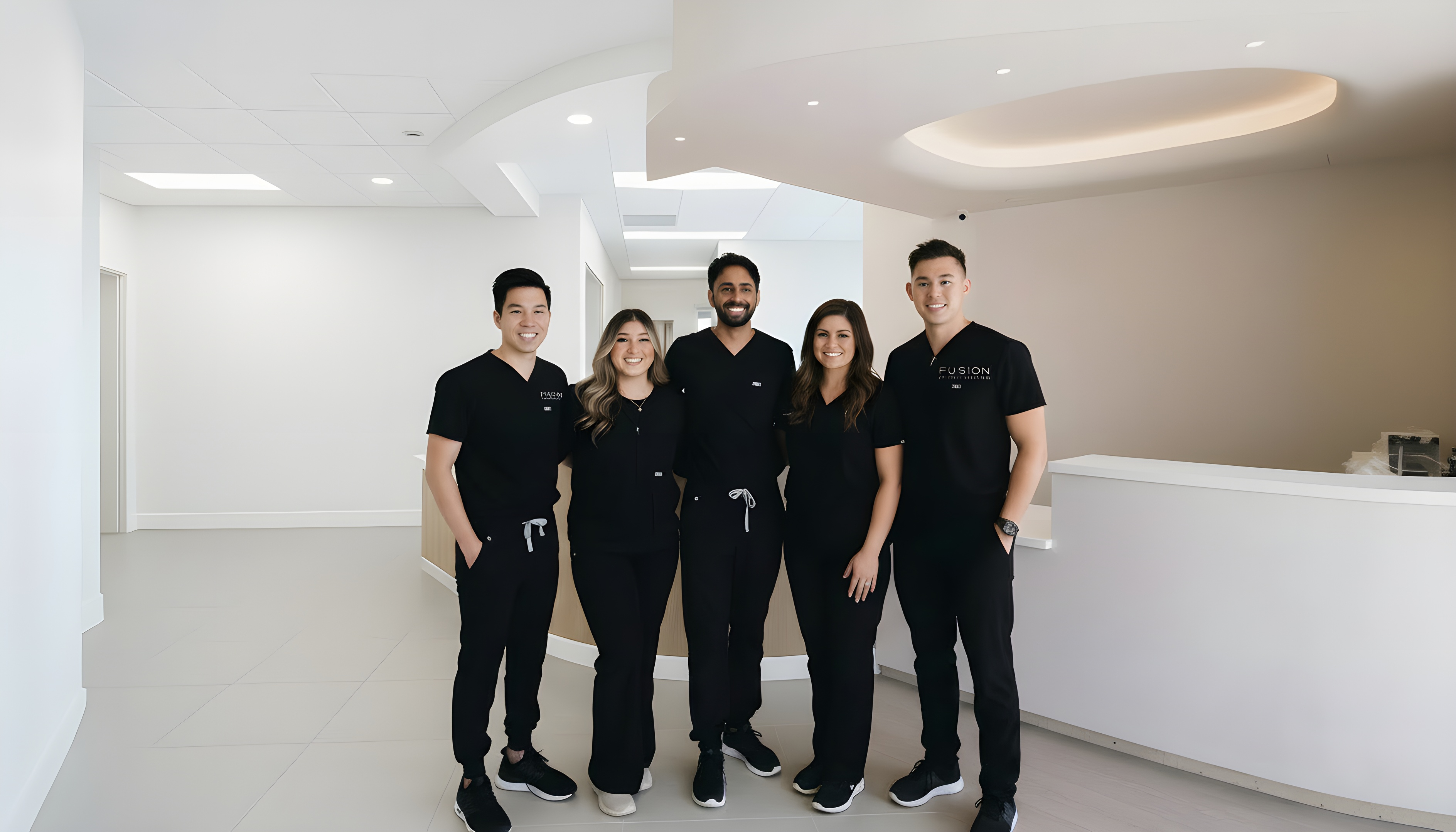
- Board-certified surgeons - Our oral and maxillofacial surgeons have 4-6 years of hospital-based surgical training beyond dental school, including extensive experience with complex anatomy.
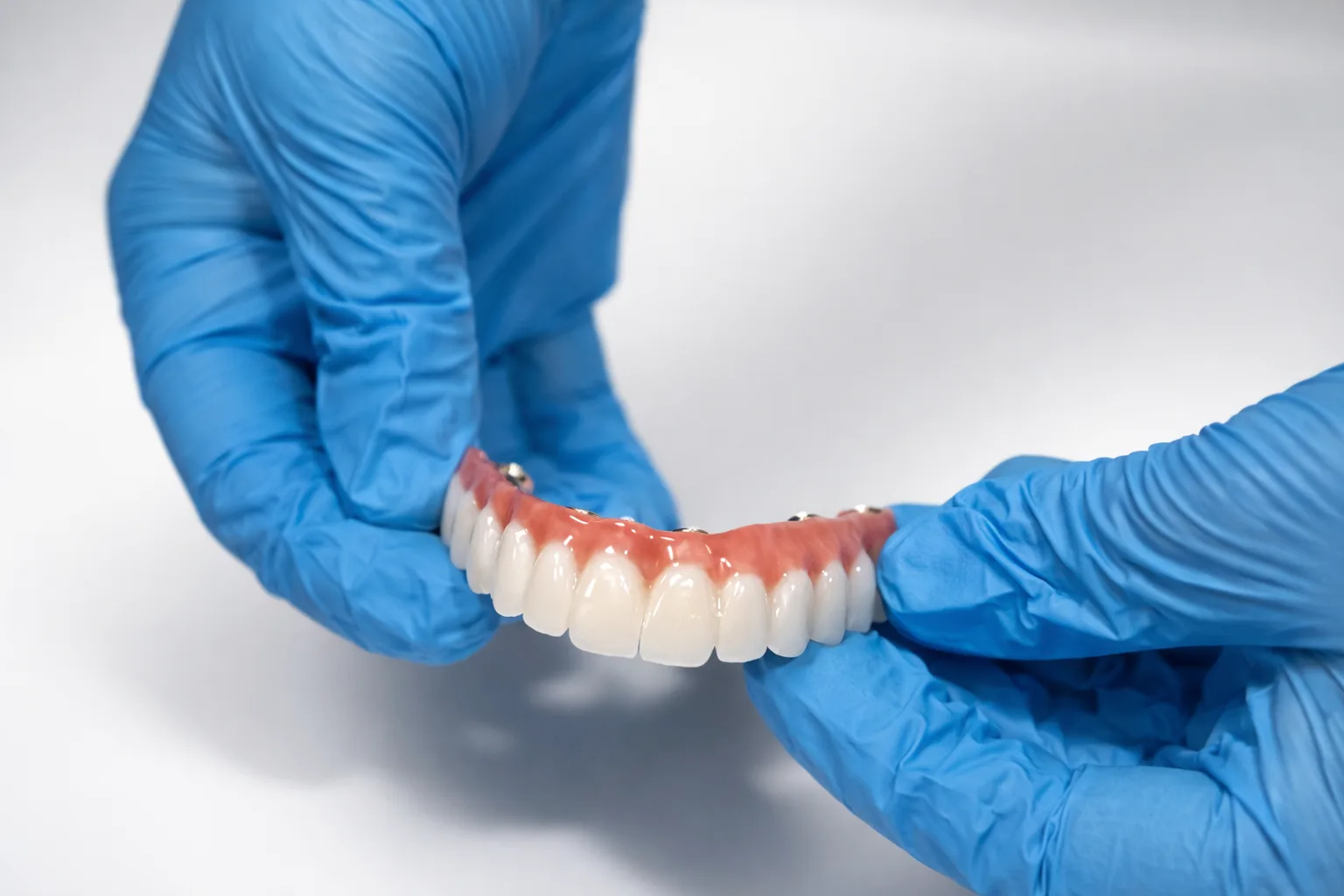
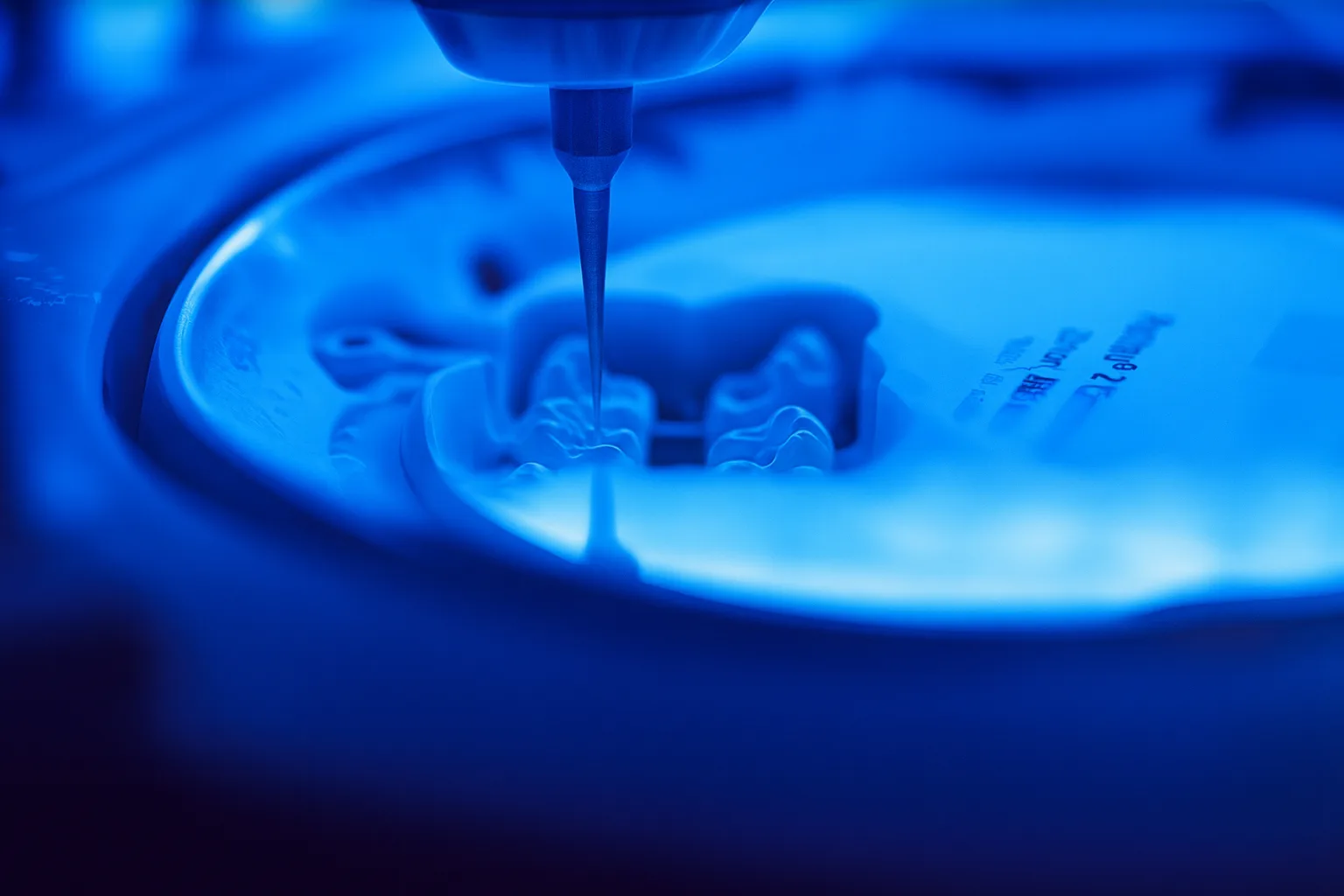
- In-house lab - Our on-site lab enables precise prosthetic fit, reducing the risk of biomechanical complications from poor-fitting restorations.
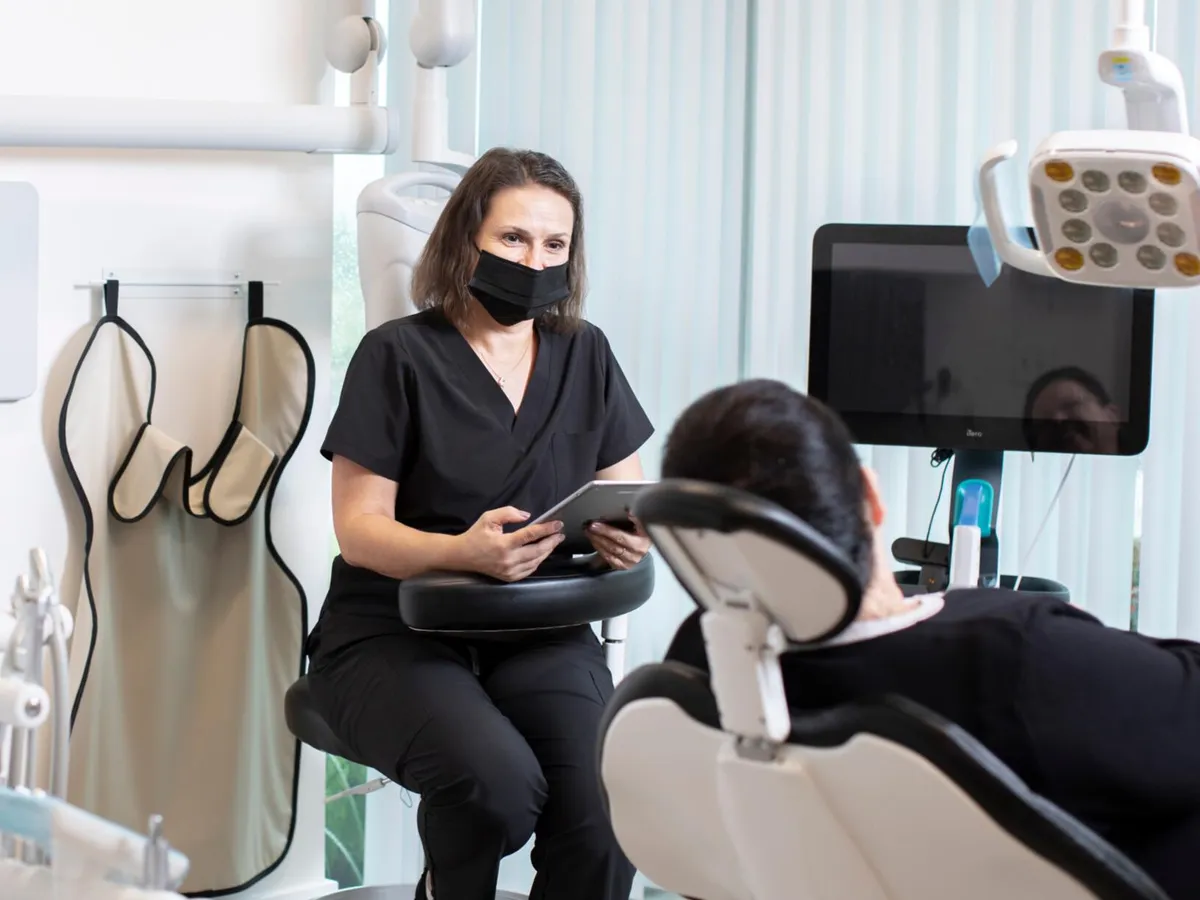
- Comprehensive follow-up - Regular monitoring during healing catches any issues early when they're easiest to resolve.
Why Patients Choose Fusion Dental Implants
- ✓In-House Lab & Same-Day Results - Our on-site lab crafts your custom zirconia prosthetics, so you can walk out with a new smile the same day. No waiting weeks for an outside lab.
- ✓Lifetime Warranty on Full Arch Prosthetics - We back our full-arch zirconia prosthetics with a lifetime structural warranty. If it cracks or breaks under normal use, we replace it free. View warranty terms.
- ✓Price-Match Guarantee - Because we own our lab and employ our specialists directly, we keep costs lower than corporate chains. We'll match any competitor's quote for comparable treatment.