
Implant Retained Dentures in Sacramento: A Patient’s Buying Guide
On this page
What if the most fixed-feeling option isn’t the best match for your everyday life? If your dentures shift when you eat or speak, it’s understandable to want a steadier solution while still feeling unsure about surgery, attachments, and long-term care. Exploring implant retained dentures Sacramento patients can consider starts with a practical question: would a removable snap-in denture or a fixed restoration better fit your needs and daily routine?
Both options use dental implants for support, but they differ in how the denture attaches, how you clean it, and how you handle it day to day. Neither choice is right for everyone. Your oral and jaw conditions, treatment goals, and preferences all help shape the plan.
This guide explains the main removable and fixed options, factors that can affect candidacy, and what to consider as you plan treatment and ongoing care. Fusion Dental Implants serves Sacramento-area patients with snap-in and implant-supported dentures. Its surgical team can help connect your priorities with an individualized restoration plan. You’ll come away better prepared to discuss your next steps.
Key Takeaways
- Implant-retained dentures use implants in the jaw for support, with attachments connecting the implants to the prosthetic teeth.
- Compare removable and fixed options by how they’re handled, cleaned, and used in daily life.
- With implant retained dentures Sacramento patients can explore, candidacy depends on individual oral and jaw conditions assessed during an exam and with appropriate imaging.
- Prepare for a consultation by listing your concerns and considering the care routine that best fits your preferences.
- Fusion Dental Implants serves Roseville and El Dorado Hills with an experienced care team and flexible financing options.
What Are Implant-Retained Dentures in Sacramento, and Who Considers Them?
A denture that shifts while you eat or speak can make ordinary moments uncomfortable and affect how confident you feel around other people. Implant retained dentures Sacramento patients explore offer another way to secure prosthetic teeth: implants are placed in the jaw, and the denture connects to them through attachment components.
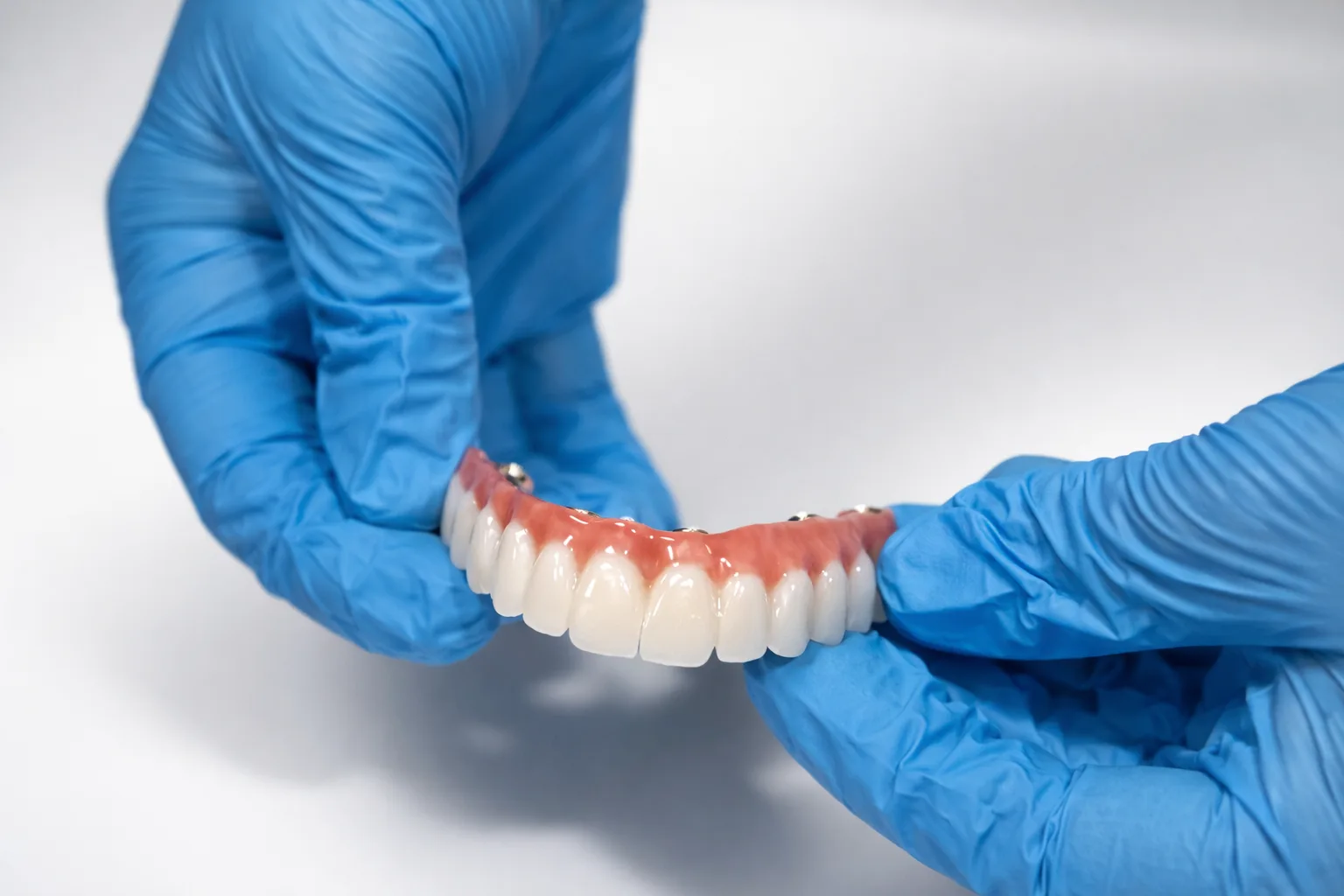
The terminology can be confusing. Clinics may use “implant-retained” and “implant-supported” differently or interchangeably. Often, “implant-retained denture” means a removable overdenture that attaches to implants, while a fixed full-arch restoration is designed to stay in place and be removed by a dental professional. The Overdenture overview describes this removable category and how it differs from conventional dentures.
How are implant-retained dentures different from conventional dentures?
Conventional dentures rest on the gums and other oral tissues. An implant-retained denture connects to implants in the jaw, which can help limit movement during everyday use. The degree of stability varies by person and treatment plan, so implants don’t guarantee a particular fit or experience.
Removable overdentures still need daily cleaning and regular professional maintenance. You take them out for care, and the surrounding tissues and implant attachments need attention too. A clinician can explain the cleaning routine for the specific design, including how to clean around its connection points.
Who in the Sacramento area may explore this option?
People missing many or all of their teeth may want to discuss whether implant-supported teeth could provide added retention. Current denture wearers whose prosthesis moves during meals or conversation may also want to learn about alternatives. The aim isn’t to assume implants are right for everyone, but to identify options that align with a person’s oral health, needs, and preferences.
A clinical evaluation determines whether a removable implant denture or another restoration may suit an individual. The dental team assesses the mouth and jaw, reviews relevant health factors, and considers the condition of existing dentures, if applicable. Those findings guide the discussion, along with the patient’s goals and comfort with daily care.
For example, someone who values removing a denture for cleaning may prefer to discuss an overdenture. Someone seeking a restoration that stays in place may want to understand how a fixed option differs in care and handling. These are useful starting points for a conversation, not a way to determine candidacy on your own.
Before comparing treatment plans, clarify what “implant-retained” means in the proposed plan and whether it describes a removable or fixed restoration. That distinction gives you a clearer basis for weighing options and discussing what may fit your circumstances with an implant specialist serving Sacramento.
How Do Implant-Retained Dentures Work? Attachments, Implants, and Fit
The basic process has three parts: implants are placed in the jaw, attachment components connect to them, and the denture engages with those components. Each part has a different job. The implant provides an anchor in the jaw, the attachment creates the connection, and the denture replaces the missing teeth. Understanding those roles can make treatment discussions clearer, especially when the terms used to describe designs vary.
With a removable implant denture, the denture is positioned over the connection points and secured in place. The precise design and treatment sequence depend on clinical findings, the condition of the jaw and mouth, and the restoration being planned. There isn’t one implant count or timeline that applies to everyone. An examination helps the surgical team determine which configurations may be appropriate for an individual.
- Implants: Posts placed in the jaw that serve as anchors for the restoration.
- Attachments: Connecting components that link the implants to a removable denture or help secure another type of restoration.
- Prosthetic denture: Replacement teeth shaped to fit the patient and connect with the planned attachment system.
For example, a patient may position a removable denture over its attachments and press it into place. The components engage to help retain it, and the patient removes it for routine cleaning. The exact feel and handling depend on the selected design and individual fit, so instructions from the clinician are an important part of planning.
What is the difference between ball, stud, and bar attachments?
Ball or stud attachments use individual connectors, with corresponding parts on the denture engaging them. A bar system instead links multiple implants with a bar, and the denture connects to that structure. These designs differ in how the denture seats, releases, and is cleaned around its connection points. Neither is universally more suitable or durable; the choice depends on clinical factors and the patient’s needs.
When discussing implant retained dentures Sacramento patients can ask how a proposed attachment is removed, which areas need careful cleaning, and how the design relates to their jaw and denture. Those practical details make it easier to picture the treatment plan and the daily routine it involves.
How does a removable overdenture differ from a fixed full-arch restoration?
A removable overdenture is designed for the patient to take out for routine cleaning. A fixed full-arch restoration is intended to remain attached, so cleaning and professional maintenance follow a different approach. The distinction affects daily handling as well as care. Personal preferences matter, but the recommendation should also reflect a clinical assessment, not terminology alone.
If you’re weighing the two, consider whether removing a denture for cleaning suits your routine and what kind of day-to-day handling you prefer. The surgical team can explain the available implant denture options and how they relate to your clinical findings, helping you compare fit, care, and personal priorities before making a decision.
Removable or Fixed Implant Dentures: Which Sacramento Option Fits Your Priorities?
Choosing between a removable overdenture and a fixed full-arch restoration involves more than deciding whether teeth can come out. Think about daily cleaning, handling, comfort, and the clinical recommendation for your mouth. The phrase “implant-retained dentures” doesn’t automatically mean fixed teeth, and implants don’t guarantee a denture will never move. Fit, attachment design, maintenance, and individual anatomy all matter.
This comparison is a starting point, not a substitute for an individualized treatment plan. The exact design and care routine depend on the restoration and your clinician’s guidance.
| Consideration | Removable overdenture | Fixed full-arch restoration |
|---|---|---|
| Removability | Designed for the patient to remove. | Designed to remain attached; not taken out as part of daily care. |
| Cleaning | Clean the denture outside the mouth and care for the mouth and attachments. | Clean in place, paying attention to areas around and beneath the restoration as directed. |
| Daily handling | Engage and remove the denture as instructed. | Handle like fixed teeth, following the recommended home-care routine. |
Removable doesn’t mean unstable, just as fixed doesn’t mean maintenance-free. Attachments are intended to help retain an overdenture, but fit and movement can vary. Either option may need professional follow-up, and a removable denture may require adjustments over time. Your care plan should explain how to manage the restoration and when to return for maintenance.
When might a removable implant denture align with daily preferences?
Some patients value being able to take out a denture for cleaning. For them, cleaning access and handling are important points to discuss, especially if they want a clear, comfortable routine. Attachment retention doesn’t eliminate the possibility of adjustments or maintenance. Ask the treatment team to explain how the proposed denture engages, how you’ll remove it, and which areas need careful cleaning.
Compare the routine with your current habits: Would you be comfortable removing and reinserting a denture each day? How does that feel compared with cleaning a restoration in place? Your preferences help frame the conversation, while the clinical assessment determines which options can be considered.
When might a patient discuss a fixed full-arch restoration?
A fixed full-arch restoration is a separate category for patients interested in teeth designed to remain attached rather than a denture they remove themselves. Its cleaning and maintenance routine differs, and suitability depends on clinical findings and the treatment plan. A preference for non-removable teeth is relevant, but it doesn’t establish candidacy on its own.
For broader Sacramento-area information about permanent teeth implants, consult the related guide in this article series. As you compare implant retained dentures Sacramento options, focus on how each design fits your priorities and what the clinical team recommends for your circumstances.
Feedback & Recreate
Delete
How to Prepare for an Implant Denture Consultation in Sacramento
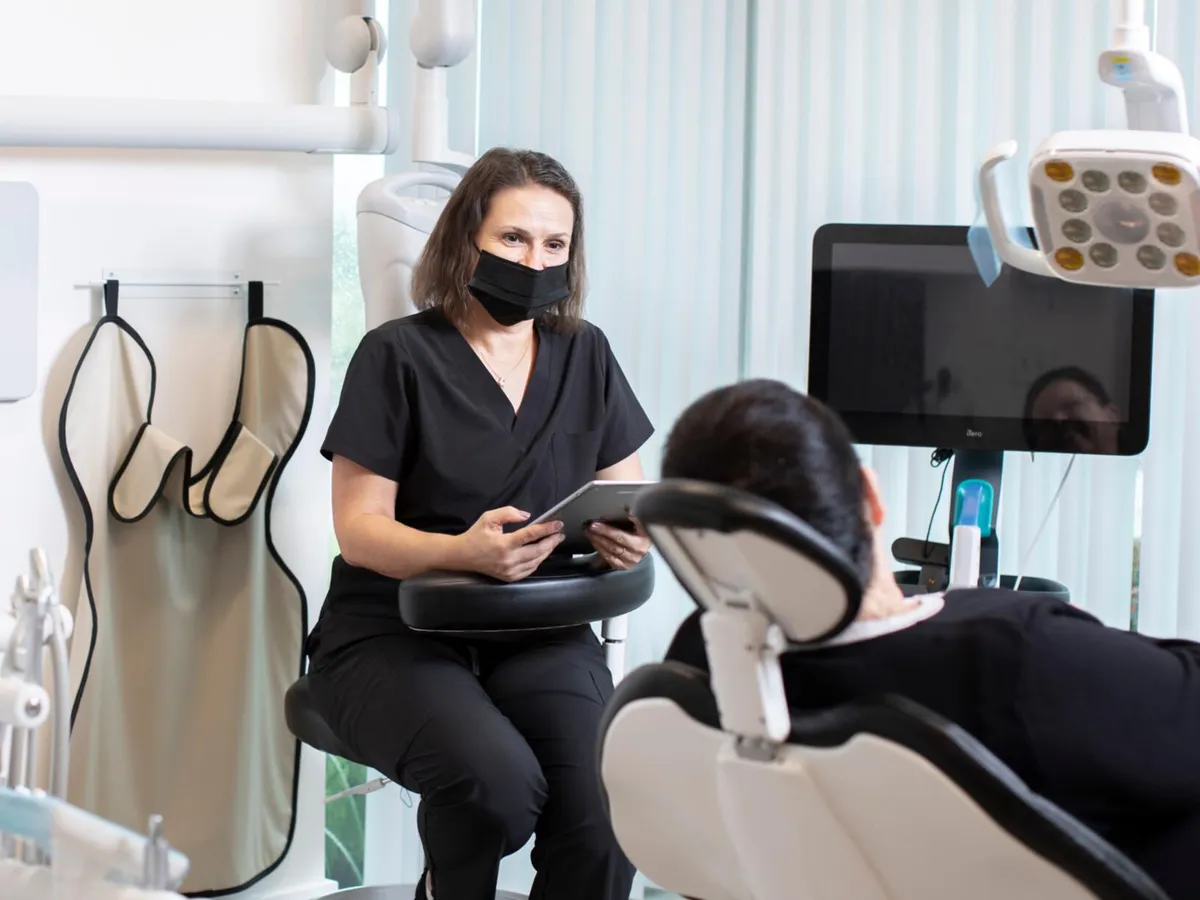
A consultation connects your goals with clinical findings. A little preparation can help you explain what’s bothering you, understand what the evaluation reveals, and leave with clearer next steps. Use this checklist to organize the conversation, keeping in mind that only a clinician’s examination can assess whether a particular implant denture option may suit you.
- Write down your main concerns. Note when your current denture feels uncomfortable or moves, and whether eating, speaking, or cleaning is difficult. Specific examples help the team understand what you’d like to change.
- Gather your health information. Be ready to discuss your medical history and medications, including anything that could be relevant to dental treatment. Bring a list if you’re worried you might forget a detail.
- Describe your current dental situation. Share how long you’ve worn dentures, what works well, and what doesn’t. If you have a current denture, bring it if practical so the clinician can consider its fit and condition.
- Clarify your priorities. Think about whether you prefer a removable design or want to discuss a fixed restoration. Consider your comfort with daily cleaning, handling, and ongoing maintenance.
- Prepare questions about the plan. Write down anything you want explained, from evaluation and imaging to treatment stages and follow-up. You don’t need to decide on an option before the appointment.
What should the clinical evaluation help clarify?
The examination helps the clinician assess your oral health, jaw conditions, and existing denture, then relate those findings to your restoration goals. Appropriate imaging may help evaluate the jaw and support treatment planning. The results inform a discussion of suitable paths; a checklist or online description can’t establish candidacy by itself.
If bone loss is a particular concern, the planned guide to implant eligibility with bone loss covers that distinct topic in more detail. Your own evaluation remains essential, since the clinician considers your circumstances rather than relying on a general rule.
Which questions can help you compare your options?
Clear questions make it easier to compare a removable denture with a fixed full-arch restoration based on your needs, not terminology alone. Consider asking:
- Which options may fit my clinical findings, and why?
- What treatment stages should I expect, including healing and follow-up?
- How will I clean and maintain each proposed restoration?
- What adjustments or ongoing care might be part of my plan? Ask the team for a written estimate and the terms of any financing offer.
Answers can help you understand both the clinical recommendation and the practical commitments involved. For a personalized discussion of implant-supported dentures, schedule an implant denture consultation with Fusion Dental Implants’ team serving Sacramento-area patients.
Explore Implant-Retained Dentures with Fusion Dental Implants
Comparing implant denture options is a personal decision. You may be focused on a denture that feels more secure, prefer the flexibility of a removable design, or want to understand whether fixed teeth could suit your goals. Fusion Dental Implants serves Sacramento-area patients with implant and prosthetic treatments, including snap-in dentures and implant-supported dentures. Its clinicians can discuss how your priorities and clinical findings inform an individualized treatment plan.
A useful conversation goes beyond choosing a label. Explain what you want to change in daily life, how you feel about cleaning and handling a denture, and what questions you have about the process. The team can review relevant options after evaluating your circumstances, without assuming one design fits every patient.
What can Sacramento-area patients discuss with the Fusion team?
Start with the concerns that matter most to you: denture movement, comfort while eating or speaking, and whether you’d rather remove a denture for care or discuss a fixed restoration. Your medical and dental history, oral health, and jaw conditions also help shape the clinical discussion. The goal is to connect your preferences with findings from your evaluation, not to promise a particular outcome before the assessment.
You can also discuss practical planning. Fusion Dental Implants offers flexible financing. The team can explain how financing applies to your treatment plan so you can consider these details alongside your clinical options.
What happens when you take the next step?
Request a consultation to discuss your needs, questions, and treatment goals. The team can evaluate your situation, review relevant restoration options, and help you understand possible next steps. You don’t need to arrive with a decision already made. A clear conversation can help you compare what matters to you with the clinical recommendations.
Before your visit, jot down questions about removable and fixed designs, daily care, treatment stages, follow-up, and available payment arrangements. Bringing these notes can keep the discussion focused and make it easier to consider the details afterward. If you’re exploring implant retained dentures Sacramento patients may consider, Fusion Dental Implants welcomes a conversation about your goals, clinical findings, and possible path forward.
Move Forward With a Plan That Fits You
You don’t have to settle every question before taking the next step. A thoughtful conversation can help turn uncertainty into a clearer understanding of which choices may align with your health, priorities, and everyday routine. The right path is personal, and it should begin with your goals and a clinical evaluation, not assumptions based on what worked for someone else.
If you’re considering implant retained dentures Sacramento options, use your next conversation to explore what matters most to you and understand the possible way forward. Feeling informed is progress, even if you’re still weighing choices. Take the time you need to make a decision that feels considered and right for your circumstances.
Schedule a consultation with Fusion Dental Implants to discuss your goals and possible next steps. A conversation is a practical place to begin, and you can move forward with greater confidence, one decision at a time.
Frequently Asked Questions
What are implant-retained dentures?
Implant-retained dentures are prosthetic teeth that attach to dental implants. They may be removable overdentures or fixed full-arch restorations, which provide different levels of stability and maintenance requirements.
Are implant-retained dentures removable?
Many implant-retained overdentures are designed for the patient to remove for daily cleaning, whereas fixed full-arch restorations are intended to stay in place. A clinician will explain the specific care routine required for your chosen restoration.
How many implants are needed to support a denture?
The number of implants varies based on jaw anatomy, bone density, and the type of restoration chosen. A professional examination and 3D imaging are required to create an individualized plan.
Can implant-retained dentures help if my current dentures feel loose?
Yes, connecting a denture to implants typically provides significantly more retention than traditional dentures. An evaluation can determine if your current jaw condition is suitable for implant retention.
How do I clean implant-retained dentures?
Cleaning depends on the design. Removable overdentures require cleaning outside the mouth, while fixed restorations are cleaned in place. Always follow your clinician's specific instructions for maintenance.
Am I eligible for implant-retained dentures if I have bone loss?
Bone loss does not automatically disqualify you. A clinician will use imaging to assess your jawbone and determine if a procedure, such as a bone graft, may be necessary to support your treatment.
Related Reading and Next Steps
Read about implant revision signs, gum health around implants, and costs and financing. Request a consultation at our Roseville or El Dorado Hills office for advice based on your examination.
Ready to Transform Your Smile?
Schedule your free consultation today and discover how dental implants can change your life.