Implant Dentures vs Traditional Dentures: Key Differences Explained
Explore the key differences between implant dentures and traditional dentures in this insightful article. Discover how each option impacts stability, comfort, and your unique dental needs to make an informed decision for your smile.
When considering options for tooth replacement, many people find themselves weighing the benefits of implant dentures vs traditional dentures. Each type has distinct characteristics, advantages, and disadvantages, making it essential to understand the differences before making a decision. This article will explore these differences in detail, providing insights to help you choose the best solution for your dental needs.
Key Takeaways:
-
Implant dentures are permanently anchored to the jawbone, while traditional dentures are removable.
-
The stability and comfort of implant dentures often surpass that of traditional dentures.
-
Understanding your unique circumstances is crucial in making the right choice.
Understanding Dentures
Before delving into the differences between implant dentures and traditional dentures, it's important to understand what dentures are. Dentures are prosthetic devices designed to replace missing teeth. They can restore functionality and aesthetics, allowing individuals to eat, speak, and smile with confidence.
Types of Dentures
-
Complete Dentures: These are used when all teeth are missing in a jaw.
-
Partial Dentures: These are employed when some natural teeth remain, filling gaps and preventing shifting.
What Are Implant Dentures?
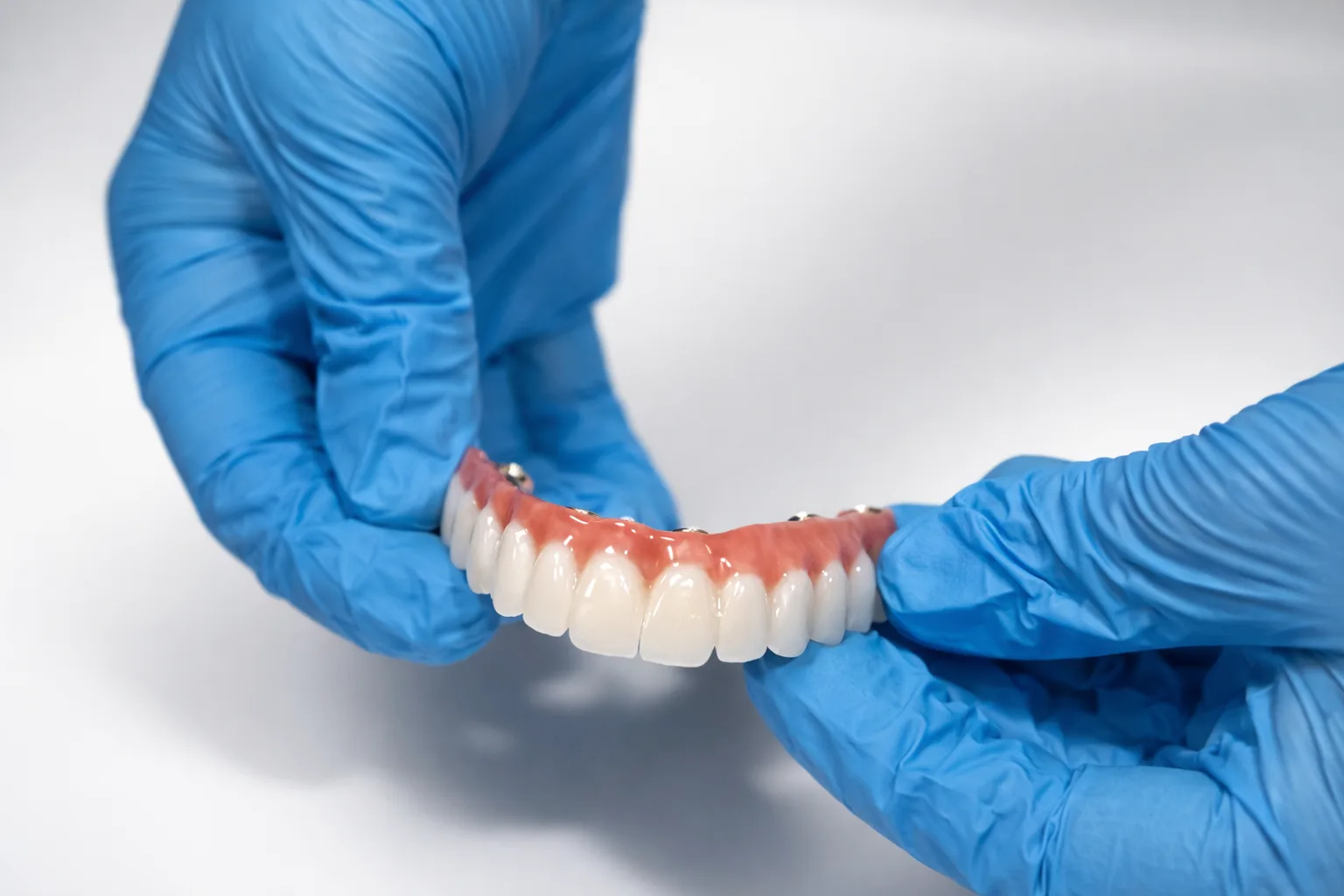
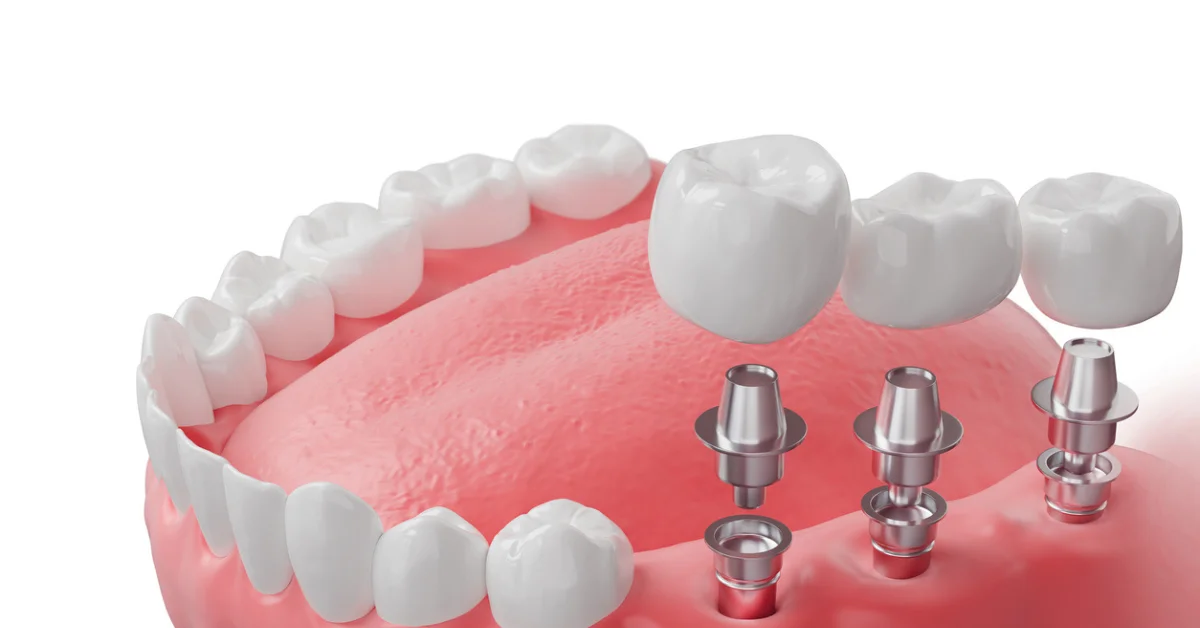
Implant dentures are a type of dental prosthesis supported by dental implants. These implants are titanium posts surgically placed into the jawbone, serving as stable anchors for the dentures. If you’re exploring a more stable solution, you can learn more about implant-supported dentures and full-arch restoration options.
Advantages of Implant Dentures
-
Stability: Implant dentures do not shift or move, providing a secure fit.
-
Bone Preservation: Implants stimulate the jawbone, preventing bone loss.
-
Natural Feel: Many individuals report that implant dentures feel more like natural teeth.
-
Longevity: With proper care, implant dentures can last many years, often a lifetime.
Disadvantages of Implant Dentures
-
Surgical Procedure: The process involves surgery, which may deter some individuals.
-
Cost: Implant dentures generally have a higher upfront cost compared to traditional options.
-
Time: The process of getting implant dentures can take several months, including healing time.
What Are Traditional Dentures?
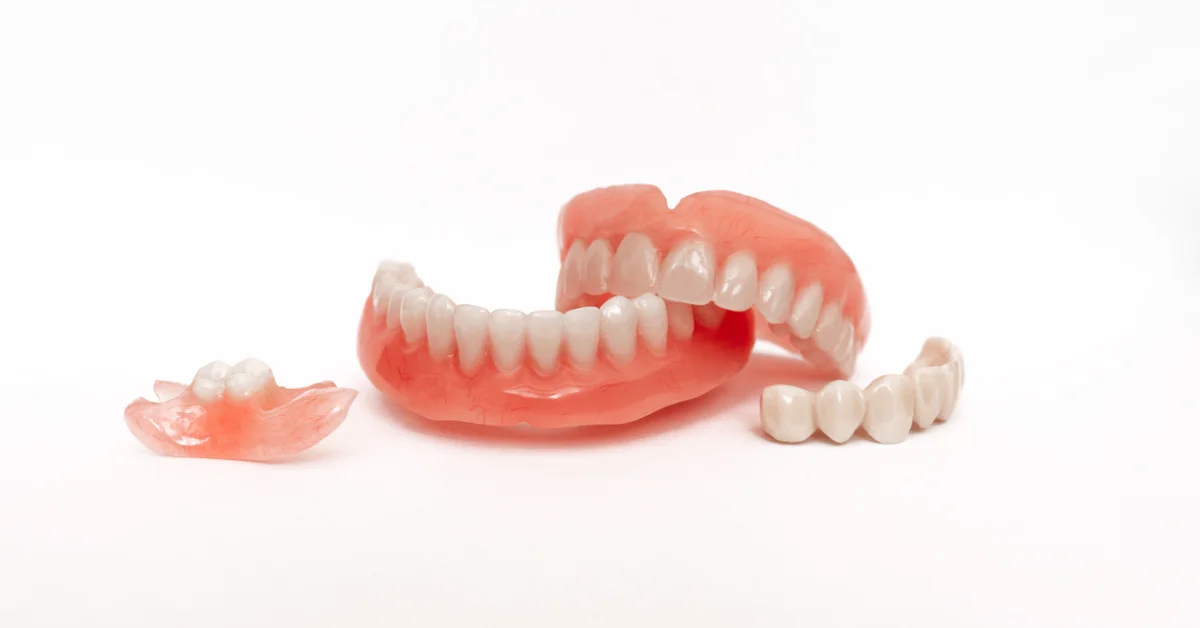
Traditional dentures are removable prosthetic devices that rest on the gums. They typically use suction and adhesive to stay in place but can be prone to shifting during use.
Advantages of Traditional Dentures
-
Affordability: Traditional dentures are usually less expensive than implant-supported options.
-
No Surgery Required: They do not involve surgical placement, making them a less invasive option.
-
Quick Solutions: Traditional dentures can often be fitted and delivered in a shorter timeframe.
Disadvantages of Traditional Dentures
-
Movement: They can shift while eating or speaking, causing discomfort.
-
Bone Loss Risk: Traditional dentures do not prevent bone loss, which can change facial structure over time.
-
Maintenance: These dentures require regular cleaning and may need adjustments or replacements.
Key Differences Between Implant Dentures and Traditional Dentures
1. Stability and Comfort
Implant dentures offer superior stability and comfort compared to traditional dentures. The anchoring of implants in the jawbone prevents any movement, allowing individuals to eat a wider variety of foods without concern. In contrast, traditional dentures can shift, leading to discomfort and embarrassment.
2. Bone Health
One of the significant advantages of implant dentures is their ability to promote bone health. The titanium implants stimulate the jawbone, preventing the bone resorption that often occurs with tooth loss. Traditional dentures, however, can lead to further bone loss over time, affecting facial appearance and structure.
3. Aesthetic Appeal
While both types of dentures aim to restore a natural appearance, implant dentures tend to look and feel more like natural teeth. Their fixed nature allows for more realistic aesthetics, as they are designed to integrate seamlessly with the jawbone.
4. Maintenance and Care
Traditional dentures require consistent maintenance, including daily cleaning, and may need adjustments. Implant dentures, while still needing good oral hygiene, generally have less maintenance as they are fixed in place.
5. Cost Considerations
The initial cost of implant dentures is typically higher than that of traditional dentures. However, considering the longevity and benefits of implants, many individuals find them to be a worthwhile investment over time. Traditional dentures, while more affordable upfront, may incur additional costs for replacements and adjustments.
6. Procedure and Timeline
Getting implant dentures involves a surgical procedure and a longer timeline for healing and fitting. Traditional dentures can often be fitted and ready for use within a few weeks. This difference in procedure and time can be a crucial factor for many individuals.
Making the Right Choice
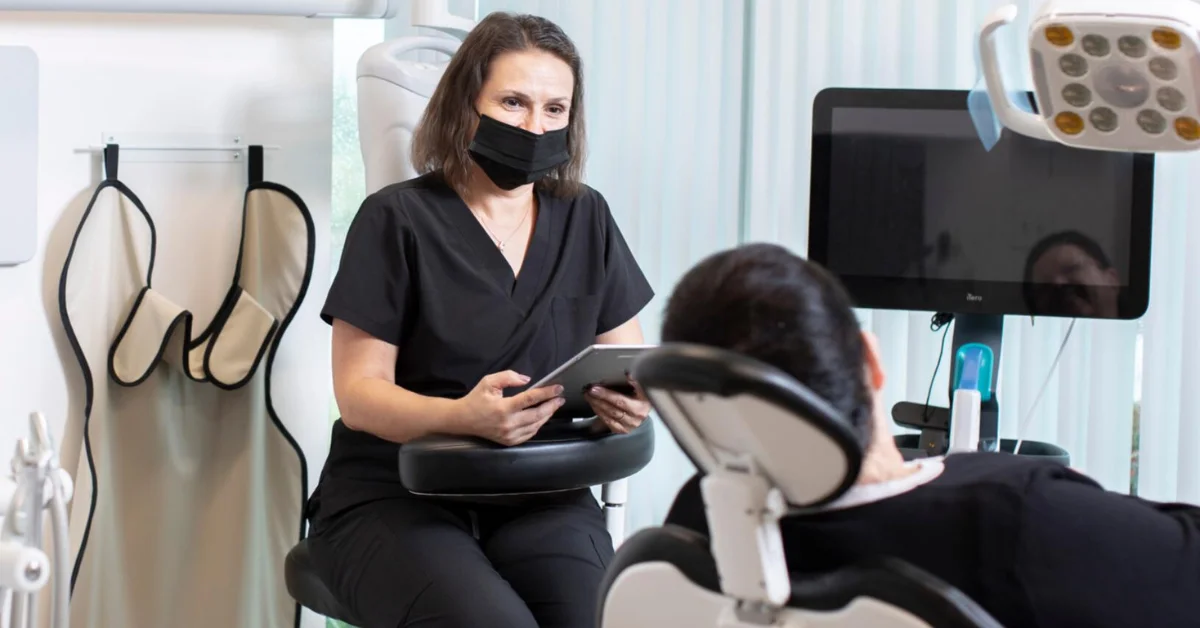
Choosing between implant dentures and traditional dentures can be a significant decision. Factors such as budget, health conditions, personal preferences, and lifestyle should all be considered. Consulting with a dental professional can provide personalized insights and recommendations tailored to your needs.
Your Questions Answered
1. Are implant dentures suitable for everyone?
Not everyone is a candidate for implant dentures. Factors such as bone density, overall health, and personal preferences play a role. A dental professional can evaluate your situation and recommend the best option.
2. How long do implant dentures last?
With proper care and maintenance, implant dentures can last many years, often a lifetime. Regular dental check-ups are essential to ensure their longevity.
3. Can traditional dentures cause bone loss?
Yes, traditional dentures do not stimulate the jawbone, which can lead to bone resorption over time. This process can change facial structure and appearance.
4. How do I care for implant dentures?
Caring for implant dentures involves regular brushing and flossing, just like natural teeth. Routine dental visits are also important for maintaining oral health.
5. What is the healing time for implant dentures?
Healing time can vary but typically ranges from a few weeks to several months, depending on individual circumstances and the initial condition of the jawbone.
6. Can I switch from traditional dentures to implant dentures?
Yes, many individuals decide to switch from traditional dentures to implant dentures. Consulting with a dental professional is the best way to understand the options available.
7. What are implant dentures vs traditional dentures?
Implant dentures are fixed prosthetics anchored to dental implants, providing greater stability and comfort compared to traditional dentures, which rest on the gums and can shift during use. This difference means that implant dentures often offer a more natural feel and improve chewing efficiency.
8. How do I know if implant dentures are right for me?
To determine if implant dentures are suitable, consult with your dentist about your oral health, bone density, and personal preferences. They can help you understand the benefits and whether the procedure aligns with your needs.
9. Why should I consider implant dentures instead of traditional dentures?
Considering implant dentures over traditional dentures is beneficial due to their enhanced stability, reduced bone loss, and improved oral function. Many patients find that implant dentures provide a more permanent solution, leading to a better quality of life.
Conclusion
Understanding the differences between implant dentures vs traditional dentures is crucial for making an informed decision regarding your dental health. While implant dentures offer enhanced stability, comfort, and bone health, traditional dentures provide a quicker, more affordable solution. Ultimately, consulting with a dental professional will guide you in choosing the best option tailored to your individual needs and lifestyle.
For more information on your options, visit Fusion Dental Implants Roseville to explore full-arch restoration and implant-supported denture solutions.
Ready to Transform Your Smile?
Schedule your free consultation today and discover how dental implants can change your life.