Bone Grafting & Augmentation
Advanced techniques to restore bone volume for successful dental implants
Trusted & Accredited By Leading Organizations




Creando la Base para el Éxito del Implante
El injerto óseo hace posible los implantes dentales cuando ha ocurrido pérdida ósea
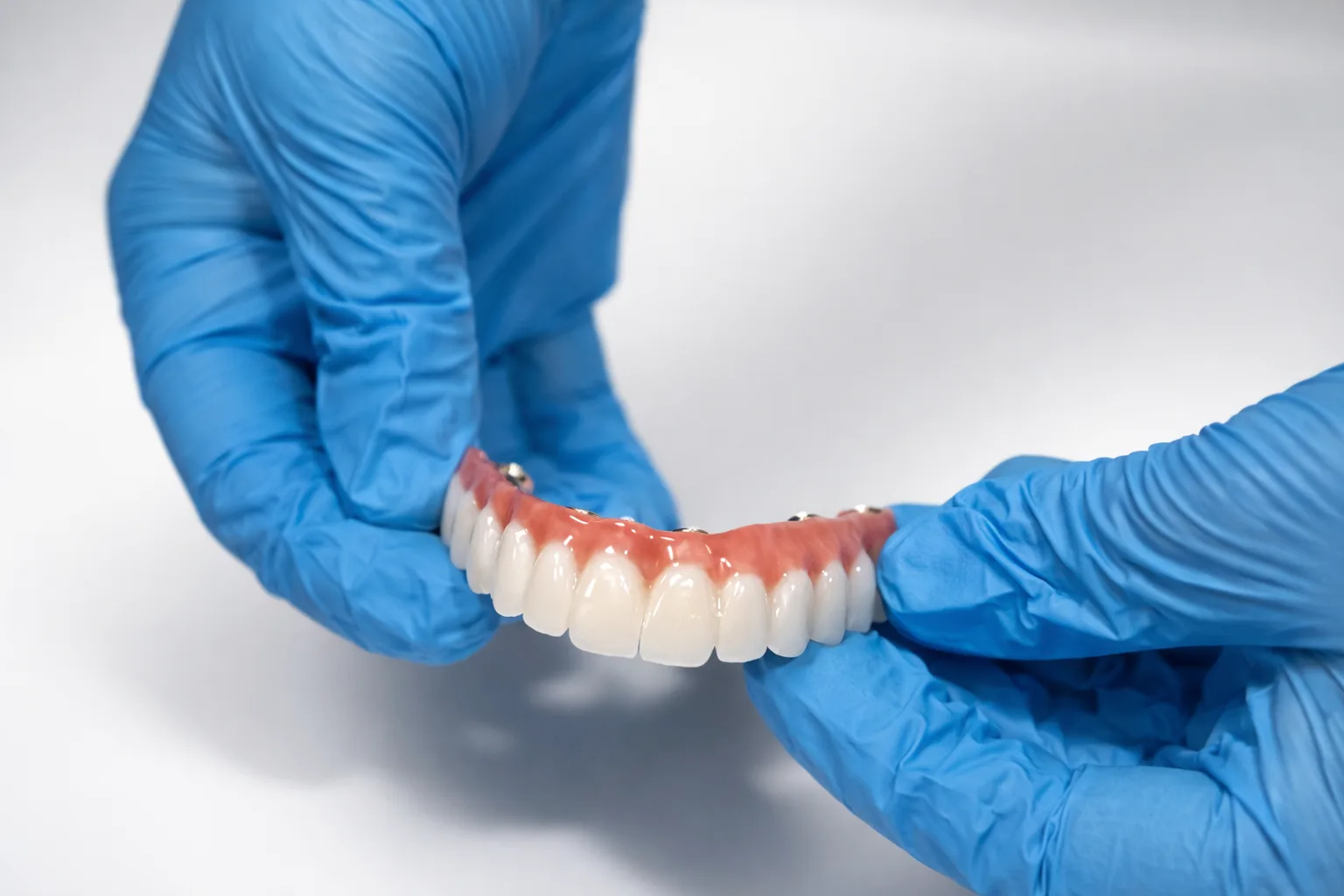
Bone grafting is a surgical procedure that rebuilds or augments jawbone that has been lost due to tooth extraction, periodontal disease, trauma, or prolonged tooth loss. The procedure involves placing bone graft material in areas of deficiency, which then integrates with your natural bone over time.
When teeth are missing, the surrounding bone no longer receives stimulation from chewing forces and begins to resorb (dissolve away). This bone loss can make dental implant placement impossible without first restoring adequate bone volume through grafting.
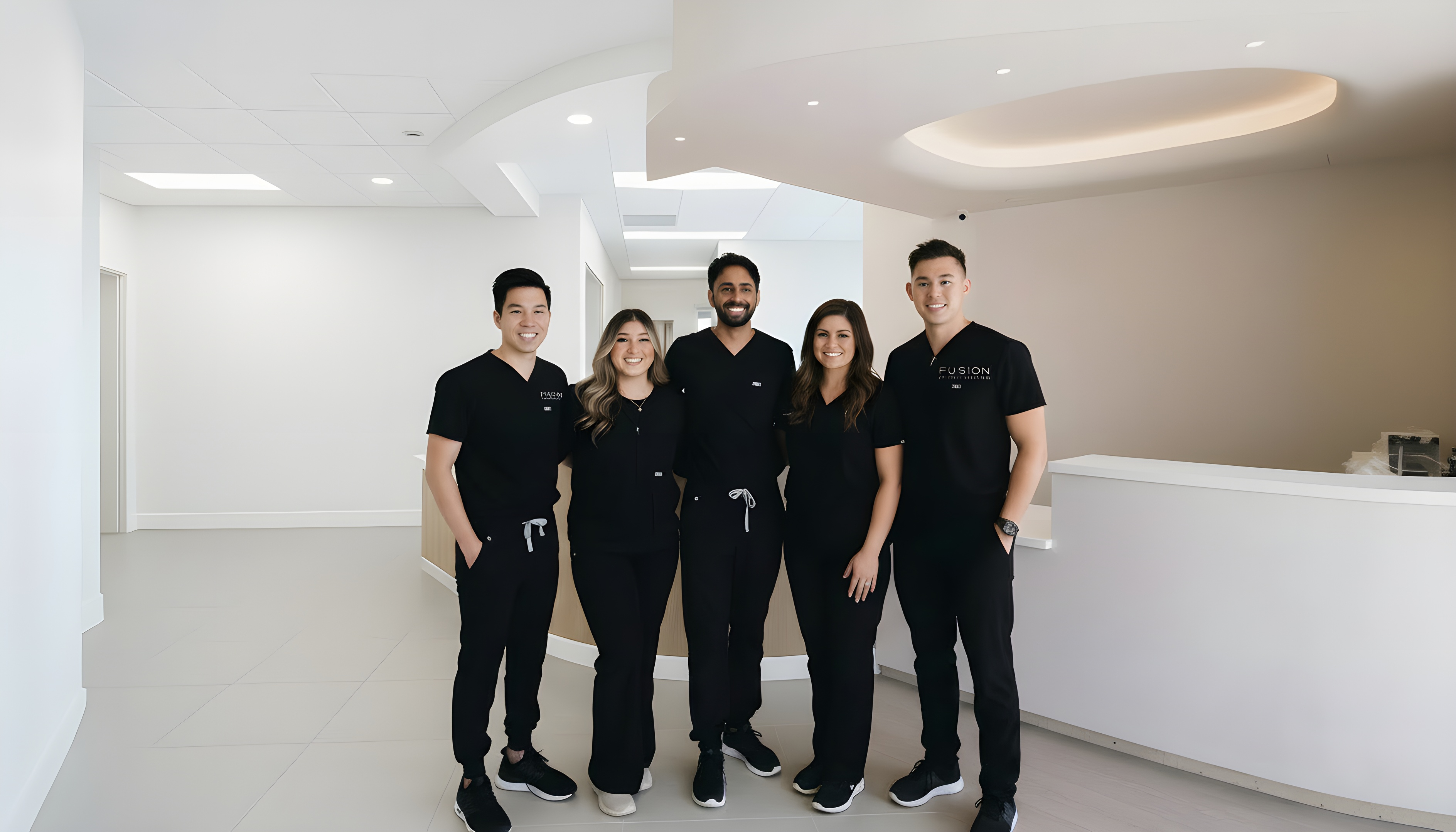
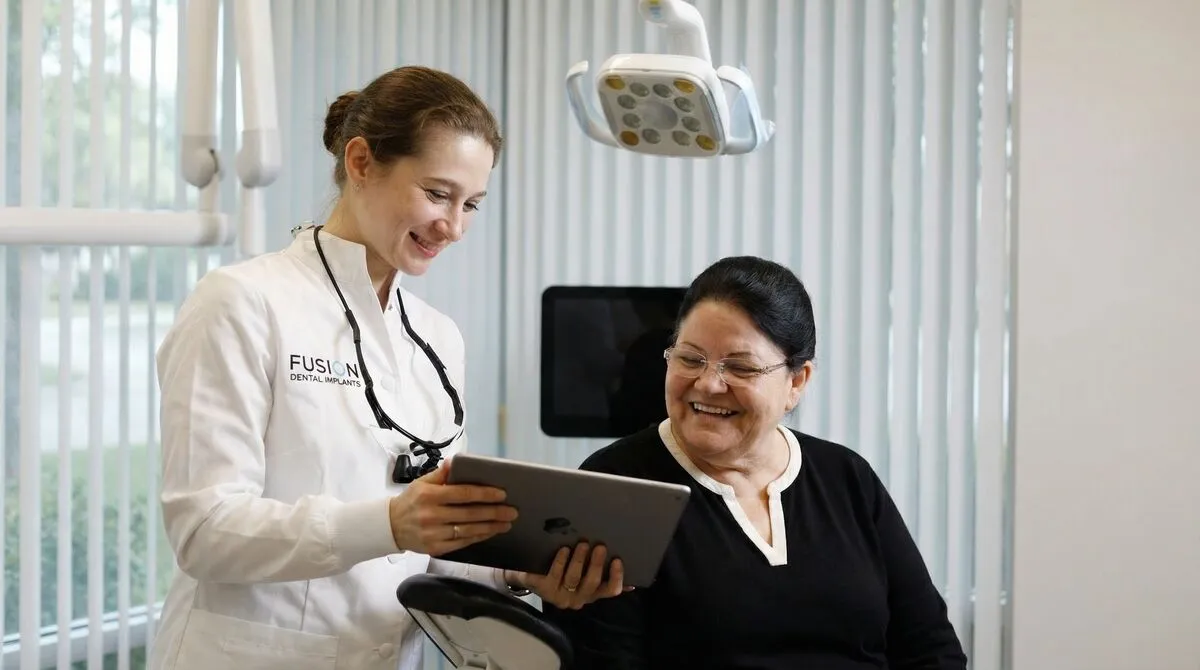
Our oral surgeon is highly experienced in all types of bone grafting procedures, from simple socket preservation to complex ridge augmentation and sinus lifts. He uses the latest materials and techniques to ensure predictable, successful outcomes.
Por Qué Importa el Injerto Óseo
El primer paso esencial para muchos pacientes de implantes dentales
- Enables dental implant placement where it wasn't previously possible
- Prevents further bone loss and maintains facial structure
- Creates a solid, stable foundation for long-lasting implants
- Improves aesthetic outcomes by supporting natural facial contours
- High success rate with advanced grafting materials and techniques
- Can restore bone loss from periodontal disease or trauma
Experiencia Avanzada en Injertos
our oral surgeons completed fellowship training in complex reconstructive surgery at NYU Langone Medical Center. He's performed hundreds of successful bone grafting procedures, including complex cases referred by other dentists.
Planificación de Precisión 3D
Using advanced CBCT 3D imaging, our oral surgeons precisely measures bone deficiencies and plans the optimal grafting approach. This technology ensures predictable results and minimizes surgical time.
Tipos de Procedimientos de Injerto Óseo
Enfoques personalizados para diferentes situaciones clínicas
Ridge Augmentation
Rebuilds bone width and height along the jaw ridge after tooth loss or extraction
Sinus Lift (Augmentation)
Adds bone to the upper jaw in the molar/premolar area when sinuses have expanded
Socket Preservation
Places bone graft immediately after extraction to prevent bone loss and maintain ridge shape
Guided Bone Regeneration (GBR)
Uses barrier membranes to guide new bone growth in specific areas
El Proceso de Injerto Óseo
Desde la evaluación hasta estar listo para el implante, típicamente 3-6 meses
Comprehensive Evaluation
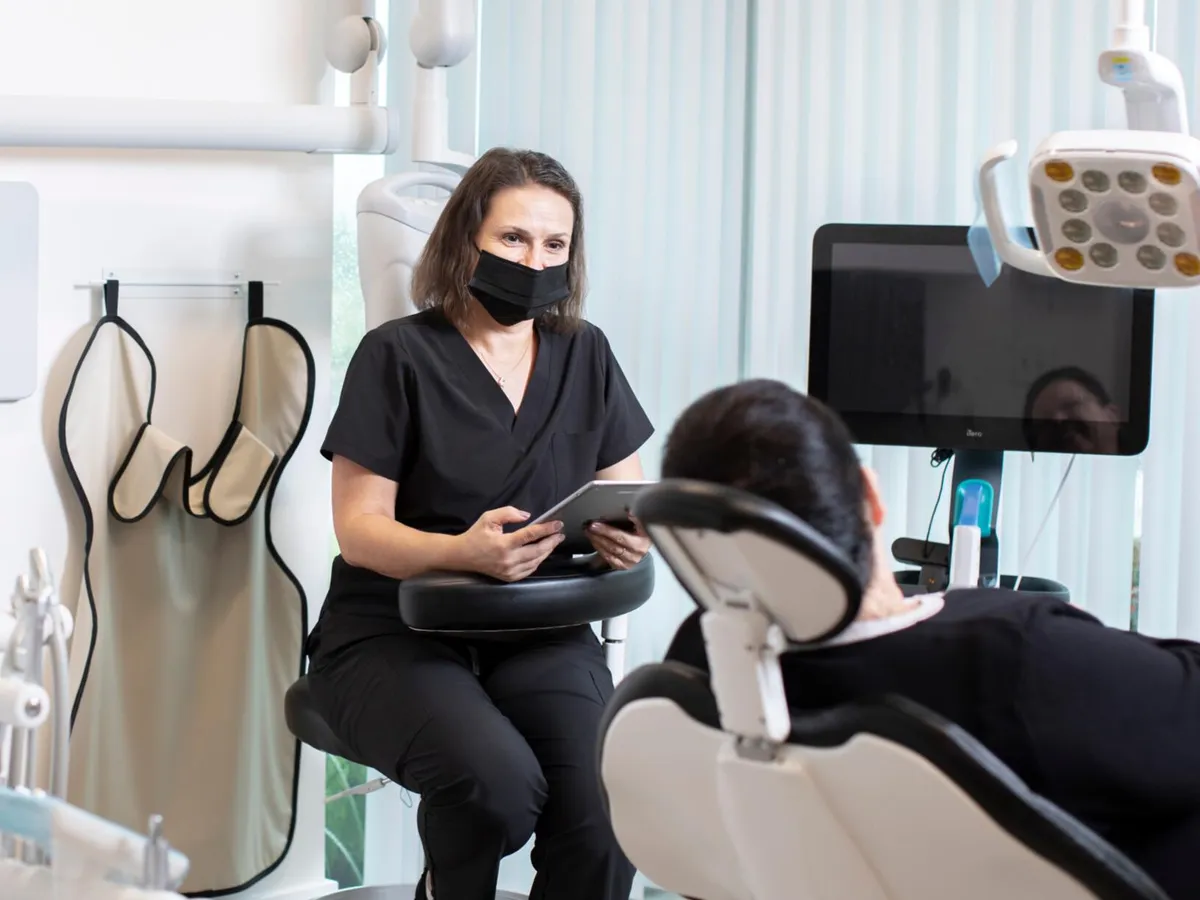
1 hour3D CBCT scan to measure bone height, width, and density. We identify the specific areas requiring grafting and determine the best grafting material and technique for your case.
Bone Grafting Procedure
1-2 hoursBone graft material is placed in the deficient area. We use autogenous bone (your own), allograft (donor), xenograft (bovine), or synthetic materials depending on your needs. The procedure is performed under local anesthesia or sedation.
Healing & Integration
3-6 monthsThe graft material integrates with your existing bone through a process called osseointegration. During this time, new bone cells grow into and around the graft material, creating solid bone.
Verification Scan
30 minutesOnce healing is complete, we perform another CBCT scan to confirm adequate bone volume and quality have been achieved. This ensures we have a solid foundation for implant placement.
Implant Placement
VariesWith sufficient bone now available, dental implants can be placed with confidence. The grafted bone provides the stability needed for long-term implant success.
Preguntas Frecuentes
Evaluemos Su Salud Ósea
Programe una consulta con imágenes 3D para determinar si el injerto óseo es adecuado para usted