
Teeth cleaning dental care

General dental services

Professional Teeth Cleaning in Roseville & El Dorado Hills

Find preventive cleaning care suited to your teeth and gums. At our Roseville and El Dorado Hills centers, your care starts with an assessment and a conversation about your goals.

Understanding your options

What to know about teeth cleaning

Teeth cleaning is part of preventive dentistry, but the phrase can describe different services. At Fusion Dental Implants centers in Roseville and El Dorado Hills, a visit for cleaning begins by considering the condition of your teeth and gums, your previous care, and any symptoms. If you have noticed bleeding or sensitivity, mention it when arranging the visit rather than assuming a routine cleaning is all that is needed.

A preventive cleaning generally removes deposits from teeth in a patient without periodontal treatment needs. If gum disease is present, a dentist may recommend scaling and root planing to address deposits below the gumline. Patients who have completed periodontal treatment may need maintenance visits to help monitor and manage gum health. The names matter because the purpose and follow-up of these services are different.

Look at gum health

A gum assessment helps determine which type of cleaning is appropriate.

Routine or periodontal

Routine cleaning, deep cleaning, and maintenance address different needs.

Personalize the interval

Visit frequency depends on your gum health and individual risk factors.

Build home habits

Ask about brushing and cleaning between teeth to support your care plan.

Also explore Preventive dental exams, or browse all general dentistry services.
Fusion Dental Implants

Teeth cleaning with you in mind

Find preventive cleaning care suited to your teeth and gums. Our general dental care is offered at our two Fusion Dental Implants centers.

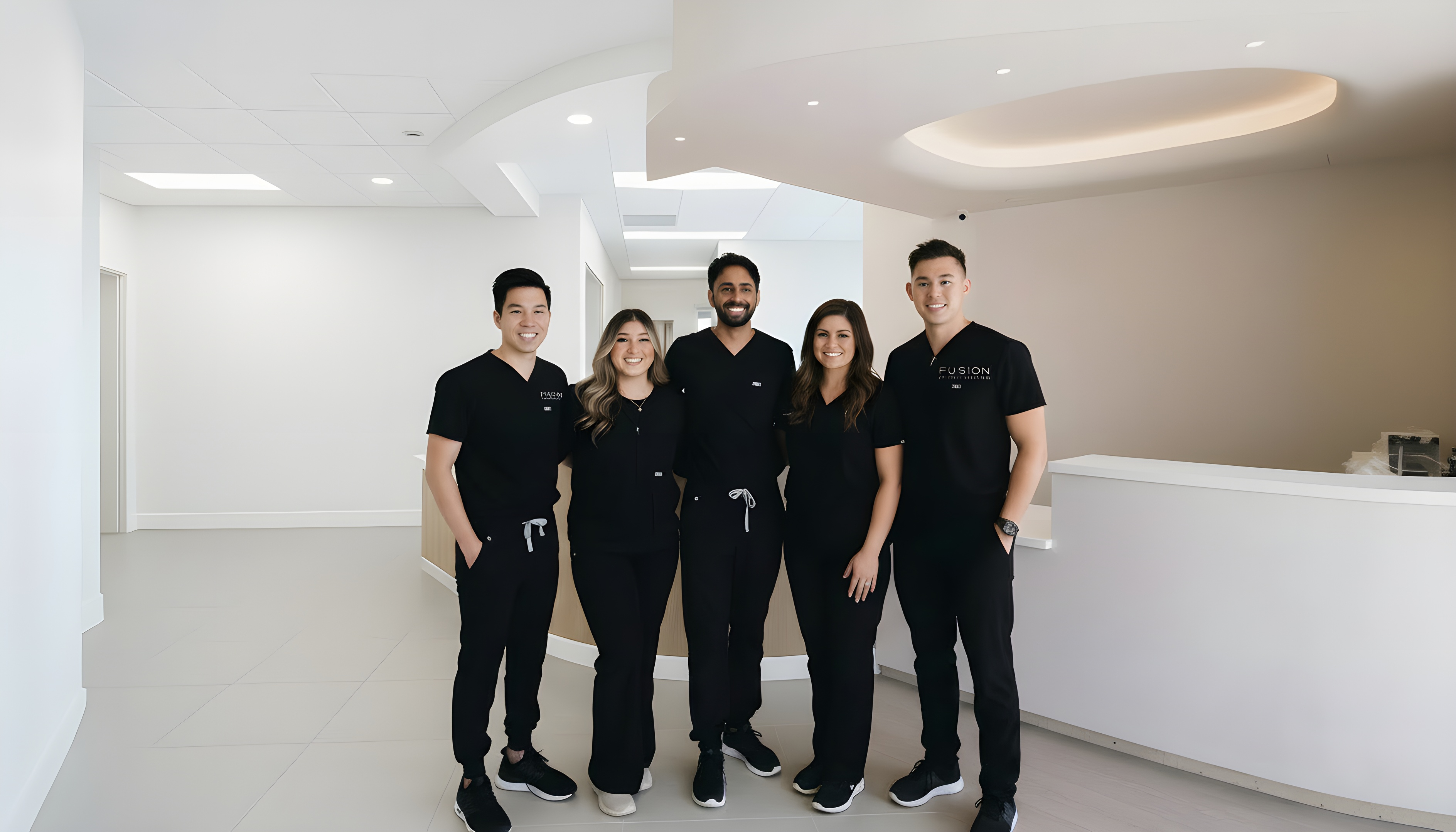
Fusion Dental Implants care team

Look at gum health

A gum assessment helps determine which type of cleaning is appropriate.

Teeth cleaning dental care

Routine or periodontal

Routine cleaning, deep cleaning, and maintenance address different needs.

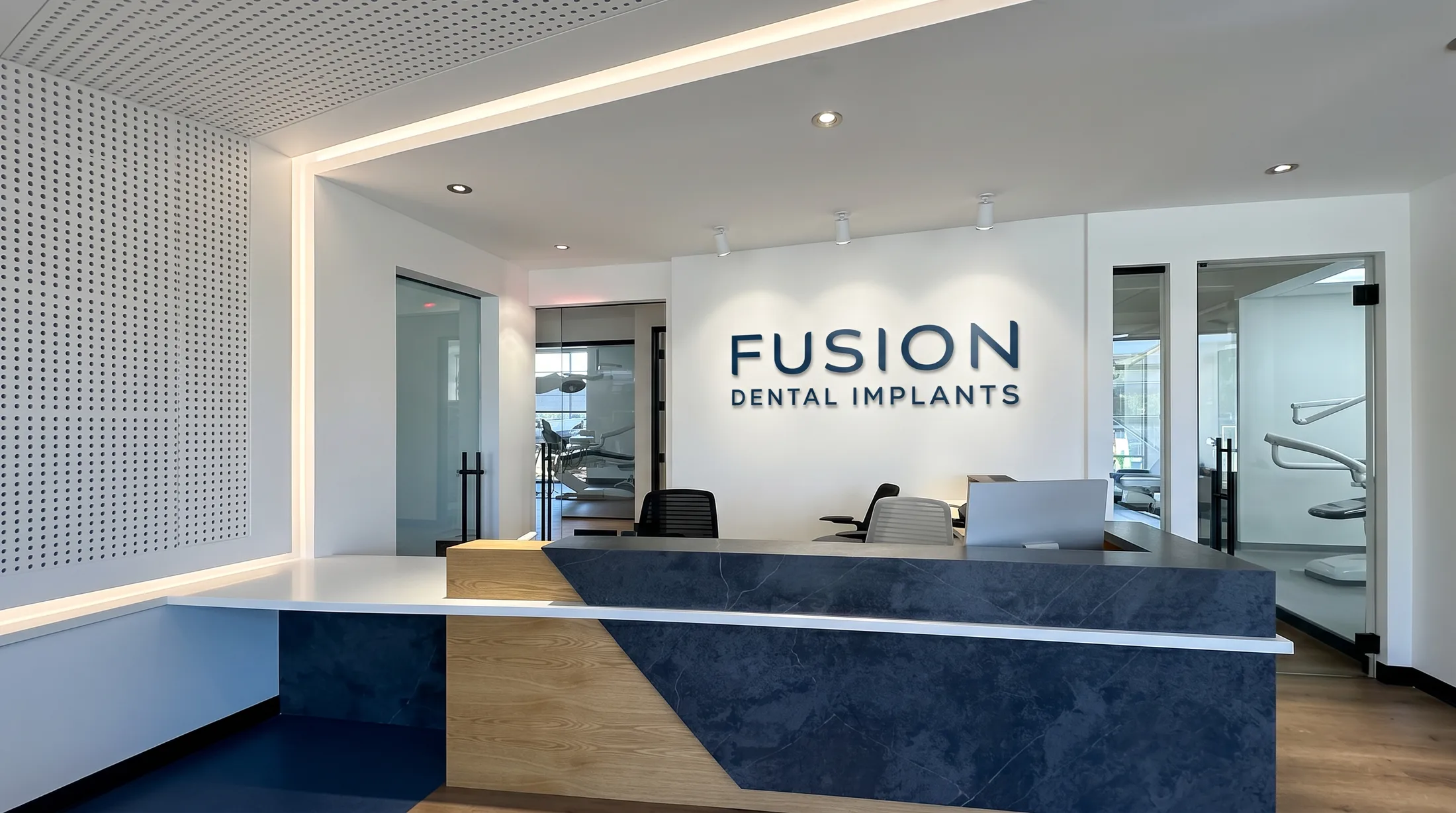
Reception area at Fusion Dental Implants

Personalize the interval

Visit frequency depends on your gum health and individual risk factors.

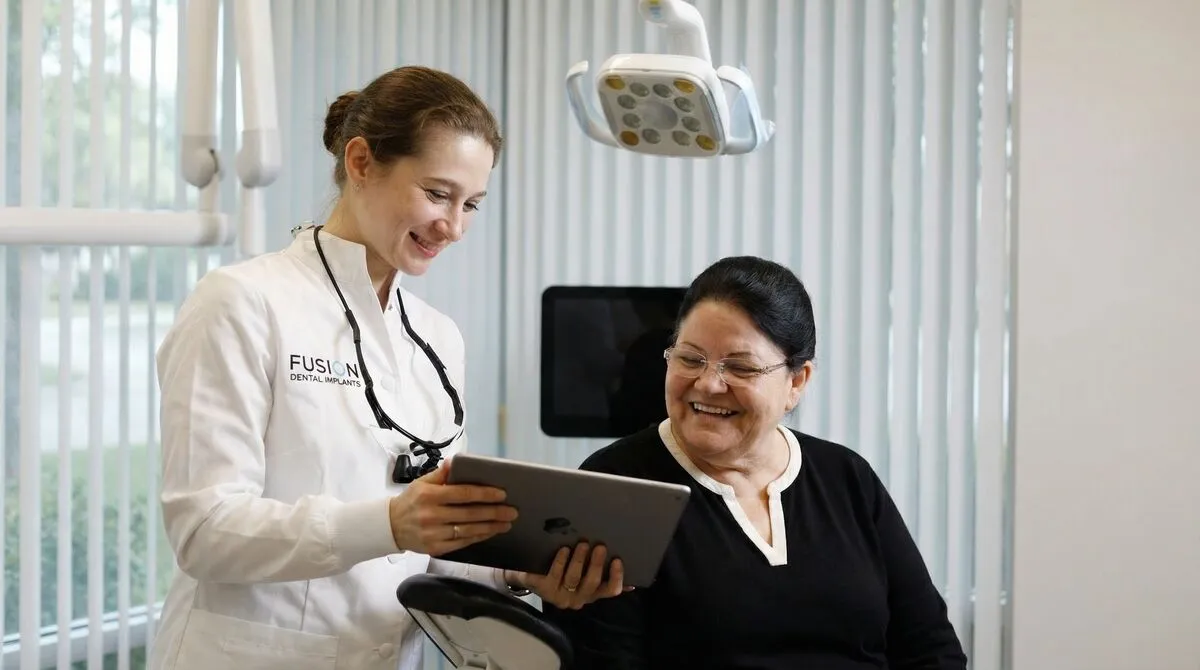
Dental consultation at Fusion Dental Implants

Build home habits

Ask about brushing and cleaning between teeth to support your care plan.

About Us

Teeth cleaning at Fusion Dental Implants

Teeth cleaning is part of preventive dentistry, but the phrase can describe different services. At Fusion Dental Implants centers in Roseville and El Dorado Hills, a visit for cleaning begins by considering the condition of your teeth and gums, your previous care, and any symptoms. If you have noticed bleeding or sensitivity, mention it when arranging the visit rather than assuming a routine cleaning is all that is needed.

A preventive cleaning generally removes deposits from teeth in a patient without periodontal treatment needs. If gum disease is present, a dentist may recommend scaling and root planing to address deposits below the gumline. Patients who have completed periodontal treatment may need maintenance visits to help monitor and manage gum health. The names matter because the purpose and follow-up of these services are different.

Your dentist can assess gum inflammation, pocketing, existing deposits, and other findings to explain the recommendation. Imaging may be useful for some concerns but is based on clinical need, not required as a standard add-on to every cleaning. If a deeper treatment is recommended, ask what findings support it, what the visit involves, and when your gum health should be reassessed.

Daily home care remains essential between appointments. Brushing with fluoride toothpaste and cleaning between teeth can help limit plaque buildup; professional care addresses deposits that cannot be brushed away at home. Dry mouth, medical conditions, appliances, and previous gum treatment may influence the advice you receive. If home care is difficult or your gums continue to bleed, ask for a practical demonstration or alternative tools.

Cleaning frequency is individualized rather than a guaranteed fixed timetable. Discuss your next visit based on your gum health, cavity risk, and previous treatment. Insurance benefits and patient costs also vary by the service recommended and your own plan. Before care, ask what kind of cleaning is proposed and what costs you should expect.

If you have gone a long time without a cleaning, there is no need to guess which appointment to request. Explain your history and any gum symptoms when you contact the office. An assessment can identify a sensible starting point and whether follow-up for gum health should be part of your plan.

FAQ

Teeth cleaning questions

Answers to common questions about teeth cleaning.

What type of teeth cleaning do I need?

The appropriate cleaning depends on an evaluation of your gums and teeth. A routine cleaning addresses deposits in a preventive visit; scaling and root planing treats areas below the gumline when periodontal disease is diagnosed.

Periodontal maintenance is follow-up care after gum treatment and is not simply another name for a routine cleaning. Tell the dentist about bleeding, loose teeth, prior deep cleanings, and changes in your gums so the recommendation reflects your needs.

How often should I schedule a cleaning?

There is no single cleaning interval that fits every patient. Your dentist may suggest a schedule based on gum health, plaque buildup, cavity risk, medical history, and whether you have received periodontal treatment. Some people need closer follow-up than others.

Ask which findings support the proposed interval and what to watch for between visits. Brushing and cleaning between the teeth are important regardless of how often an in-office cleaning is recommended.

What is a deep cleaning, and does everyone need one?

A deep cleaning usually refers to scaling and root planing for periodontal disease, not a more thorough version of an ordinary preventive cleaning. It removes deposits on root surfaces below the gumline when clinical findings indicate that treatment.

Your dentist may discuss gum measurements, inflammation, and bone changes when explaining the recommendation. It is not an automatic part of a first visit or something to choose without an assessment. Ask what follow-up and home care would be needed afterward.

Will a cleaning fix bleeding gums?

Bleeding gums deserve an evaluation because several factors can contribute, including plaque-related inflammation, gum disease, or changes in home-care habits. A dentist can examine your gums and advise whether a preventive cleaning, periodontal treatment, or another step is appropriate.

A cleaning alone may not resolve a longstanding problem without ongoing care. If bleeding is heavy or persists, tell the team; do not assume it is normal or stop cleaning between the teeth without asking for guidance.

What can I do between professional cleanings?

Brush twice daily with fluoride toothpaste and clean between teeth regularly using floss or another tool you can use effectively. If you have sensitivity, dry mouth, braces, or dental restorations, ask for home-care advice suited to those needs.

Limit frequent sugary snacks and drinks where possible. Home care helps control daily plaque, while a dental visit can identify hardened deposits and concerns you may not notice yourself. Let your dentist know if your gums bleed despite consistent care.

Do I need an exam before requesting a cleaning?

An assessment helps determine which kind of cleaning is appropriate and whether another concern needs attention first. Tell the team about prior periodontal care, pain, gum changes, or recent imaging when scheduling.

The dentist can explain findings and whether routine cleaning, periodontal maintenance, or treatment is recommended. If you have questions about costs or coverage, provide your insurance information and ask for an estimate based on the actual services proposed; benefits vary by plan.

Have another question? Talk with our team.

Call (916) 292-9998
Patient Education

Learn about teeth cleaning

Understand your options and bring your questions to your dental visit.

Routine cleaning, deep cleaning, and maintenance

A routine preventive cleaning and treatment for gum disease do different jobs. Scaling and root planing reaches root surfaces below the gums when periodontal disease is diagnosed.

Periodontal maintenance is ongoing follow-up after that treatment; it helps the team review gum response and deposits over time. These services should be recommended from findings, not selected by an online label alone.

If you are unsure why one service was suggested, ask about gum measurements, inflammation, and your treatment history. You can also ask how many visits may be needed and when the results will be reviewed. Your plan may change after an examination.

Periodontal care often requires continuing home care and reassessment, rather than a single appointment that ends all future gum concerns.

Keeping gums healthy between visits

Plaque forms continuously, so consistent home care matters even when you receive professional cleanings. Brush with fluoride toothpaste and clean between teeth daily in a way you can sustain.

Your team can help choose a suitable interdental method, especially around braces, bridges, or areas that are hard to reach.

Bleeding or swollen gums are reasons to speak with a dentist. Do not rely on cleaning alone to explain or fix persistent symptoms; an examination can identify whether periodontal care or another evaluation is needed. Ask how often to return based on your own gum health.

Tell the team if you have had treatment below the gumline before, since that history can change what follow-up is appropriate. A maintenance recommendation is about continuing to watch gum health after treatment, not an automatic substitute for daily cleaning.

Your Next Step

Find the right cleaning care

Request a visit to discuss your gum health and the type of cleaning that suits your needs.

A dentist can recommend a cleaning plan after an assessment.

Patient consultation at Fusion Dental Implants
(916) 292-9998