
Invisalign dental care

General dental services

Straighter Teeth Without Metal Braces - Invisalign at Fusion Dental

Explore clear aligners for appropriate tooth alignment concerns. At our Roseville and El Dorado Hills centers, your care starts with an assessment and a conversation about your goals.

Understanding your options

What to know about invisalign

Invisalign is one possible approach to moving teeth using removable clear aligners. It can be appealing to people concerned about crowding or spacing who would prefer not to wear fixed brackets, but it is not the answer to every alignment or bite problem. At Fusion Dental Implants centers in Roseville and El Dorado Hills, the first step is a dental assessment of your teeth, gums, bite, and goals.

A dentist considers the movement needed, the condition of the supporting gums, and any existing dental restorations. Active decay or periodontal problems may need attention before aligner care. Some movements or more complex bite issues may call for another treatment approach. Records or imaging are recommended based on the information needed for your individual plan, not as an automatic free service.

Evaluate your bite

An exam can show whether clear aligners may address your alignment concerns.

Check teeth and gums

Oral health matters before beginning aligner treatment.

Review aligner wear

Ask about daily wear instructions and follow-up for your individual plan.

Plan for retention

Discuss how to maintain alignment after active treatment.

Also explore Orthodontics and alignment, or browse all general dentistry services.

Fusion Dental Implants

Invisalign with you in mind

Explore clear aligners for appropriate tooth alignment concerns. Our general dental care is offered at our two Fusion Dental Implants centers.

Fusion Dental Implants care team

Evaluate your bite

An exam can show whether clear aligners may address your alignment concerns.

Invisalign dental care

Check teeth and gums

Oral health matters before beginning aligner treatment.

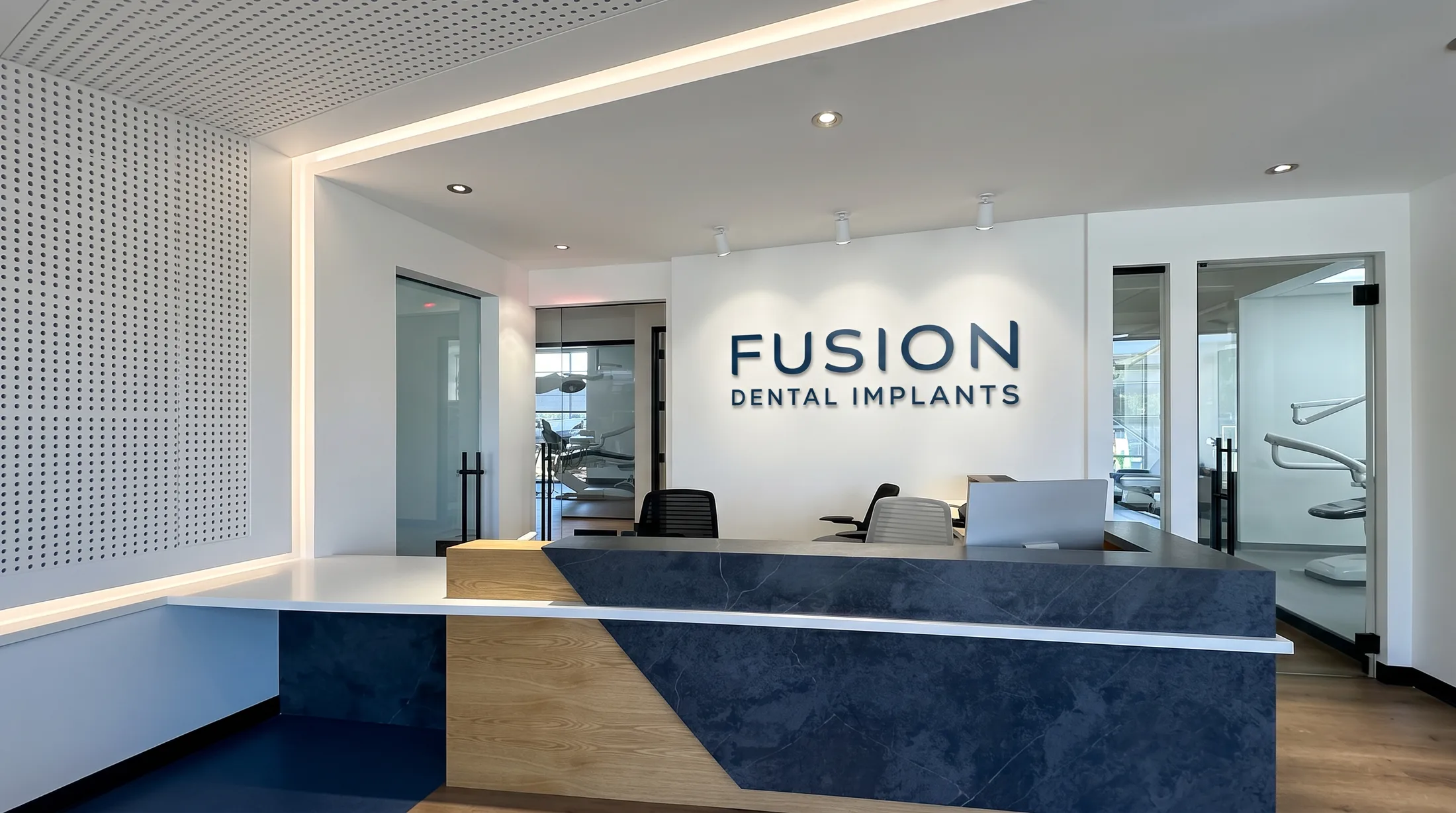
Reception area at Fusion Dental Implants

Review aligner wear

Ask about daily wear instructions and follow-up for your individual plan.

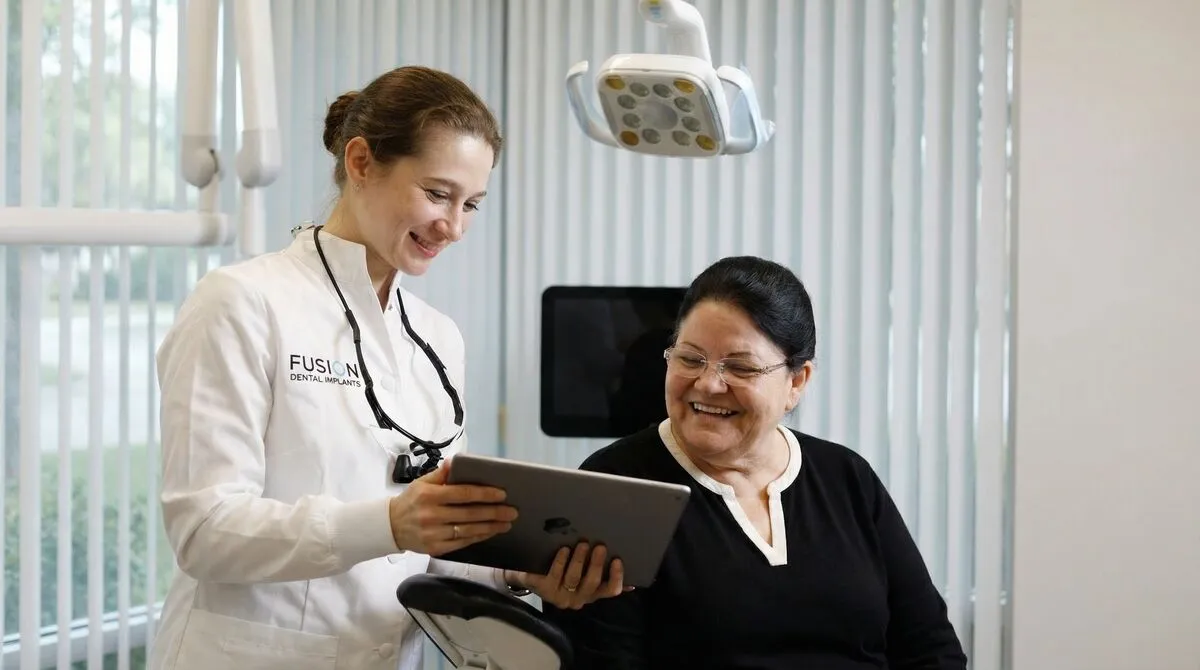
Dental consultation at Fusion Dental Implants

Plan for retention

Discuss how to maintain alignment after active treatment.

About Us

Invisalign at Fusion Dental Implants

Invisalign is one possible approach to moving teeth using removable clear aligners. It can be appealing to people concerned about crowding or spacing who would prefer not to wear fixed brackets, but it is not the answer to every alignment or bite problem. At Fusion Dental Implants centers in Roseville and El Dorado Hills, the first step is a dental assessment of your teeth, gums, bite, and goals.

A dentist considers the movement needed, the condition of the supporting gums, and any existing dental restorations. Active decay or periodontal problems may need attention before aligner care. Some movements or more complex bite issues may call for another treatment approach. Records or imaging are recommended based on the information needed for your individual plan, not as an automatic free service.

Aligners are removable for meals and oral hygiene, but they only work as intended when worn according to the clinician's instructions. Each tray guides part of the planned movement and follow-up appointments allow the team to see whether the teeth are responding. Ask how to clean aligners, what to do if one stops fitting, and whether attachments or additional steps are part of the plan being discussed.

Duration varies from one person to another. Following wear instructions matters, but teeth can respond differently than expected, and the plan may need adjustment. Keep up with brushing, cleaning between teeth, and regular dental evaluations throughout treatment. When active movement is finished, discuss retainers: without an appropriate retention plan, teeth may shift over time.

Ask for a clear explanation of the movements proposed, why aligners are or are not suitable, alternatives such as fixed appliances, and what follow-up involves. Insurance benefits and costs depend on your policy and individual treatment plan. There should be no assumption of a fixed timeline, result, or included consultation or scan.

If you have had braces or aligners before, describe what has shifted and whether you still have a retainer. A new assessment can distinguish limited changes from a more complex bite concern. Treatment may require more than a new set of trays, and the most useful plan considers both the movement and how it will be maintained.

FAQ

Invisalign questions

Answers to common questions about invisalign.

How does Invisalign move teeth?

Invisalign is a system of removable clear aligners made to guide selected tooth movements in a planned sequence. The trays need to be worn as instructed, with follow-up to assess how the teeth are responding. They are removed for eating and for cleaning your teeth and the aligners.

An assessment of your bite and oral health is needed before deciding whether this approach is suitable; the brand name alone does not tell you what movements your case requires.

Am I a candidate for Invisalign clear aligners?

Clear aligners may be considered for some crowding, spacing, or bite concerns, but they are not suitable for every case. The dentist needs to assess your teeth, gums, bite, and any previous dental work.

Cavities or active gum disease may need care first, and some tooth movements may call for a different approach. Be candid about whether you can wear removable trays consistently. Ask what an aligner plan could reasonably accomplish and what alternatives should be considered.

How is Invisalign different from braces?

Invisalign uses removable trays, whereas traditional braces are fixed to the teeth. Being able to remove aligners can make eating and cleaning easier for some patients, but effectiveness depends on wearing the trays as directed.

Fixed appliances may be appropriate for other movement or bite needs and also require careful hygiene. The right choice depends on your individual assessment, not just whether a device is visible. Ask about appointments, limitations, and how the proposed result would be maintained afterward.

How long will I need to wear aligners?

Overall treatment length depends on the tooth movements and how the teeth respond. Your clinician can give an individualized estimate only after assessing your case and may adjust the plan during follow-up.

Aligners must be worn according to the specific instructions provided; inconsistent wear can affect progress. Ask how often trays would change, when the dentist would check your bite, and what to do if an aligner no longer fits as expected.

What happens after Invisalign treatment?

After active tooth movement, retention helps limit shifting. Your dentist can discuss which type of retainer, wear instructions, and follow-up fit your treatment. Keep cleaning your teeth and aligners as instructed throughout treatment, and mention gum bleeding or new discomfort.

Finishing the last tray does not mean teeth will stay in place without a maintenance plan. Ask about the expected long-term responsibilities and costs before deciding to begin.

Is Invisalign covered by dental insurance?

Coverage depends on the details of your own plan, including any orthodontic benefit, eligibility rules, limits, and exclusions. The cost of aligner treatment depends on complexity, follow-up, and care needed before treatment.

Share your insurance information with the office and ask for a patient-specific estimate rather than assuming a published price or included scan applies. Compare the proposed plan, possible alternatives, retention, and expected patient costs before proceeding.

Have another question? Talk with our team.

Call (916) 292-9998
Patient Education

Learn about invisalign

Understand your options and bring your questions to your dental visit.

What clear aligners can and cannot do

Clear aligners guide planned tooth movements through a sequence of removable trays. They may address certain spacing, crowding, or bite concerns, but suitability is determined by an assessment of the whole mouth.

A dentist checks teeth and gums before moving teeth and considers whether another treatment approach would manage a particular bite problem better.

Because trays are removable, following wear instructions is essential. Ask how eating, cleaning, attachments, and follow-up will fit into daily life. A treatment preview is a planning tool rather than a guarantee that teeth will move exactly as pictured.

If tooth movement does not follow the initial plan, the clinician may need to reassess the next steps. Your gum health and bite still need attention throughout aligner care.

Caring for your teeth during and after aligners

Remove aligners as directed for eating and clean your teeth before replacing them according to your clinician's instructions. Regular brushing and cleaning between teeth remain important; clear trays do not prevent cavities or gum inflammation.

Let the team know if a tray does not fit, your gums bleed, or discomfort seems unusual.

When active treatment ends, teeth can continue to shift. Retainers and follow-up are part of an overall alignment plan. Ask how to care for a retainer and what long-term wear may involve before starting treatment, along with expected costs.

Report a lost retainer or a sudden change in how your teeth meet rather than waiting for visible crowding. Keep your regular dental visits even if your aligner appointments have ended.

Your Next Step

Explore clear aligners

Find out whether Invisalign may suit your teeth, bite, and alignment goals.

A dental assessment can help you compare aligners with other approaches.

Patient consultation at Fusion Dental Implants
(916) 292-9998