Sedation dentistry dental care

General dental services

Sedation Dentistry - Comfortable Care for Anxious Patients

Talk about comfort options for your dental visit. At our Roseville and El Dorado Hills centers, your care starts with an assessment and a conversation about your goals.

Understanding your options

What to know about sedation dentistry

Dental anxiety, a strong gag reflex, or worry about a procedure can make it harder to seek care. A conversation about comfort is a reasonable part of planning a dental visit. At our Fusion Dental Implants centers in Roseville and El Dorado Hills, tell the team what has been difficult before and what questions you have about the proposed treatment. Comfort care should be tailored to you rather than presented as one standard option.

Sedation refers to medication-based approaches that differ in level, monitoring, and recovery. Not every method is appropriate for every patient or procedure, and specific availability should be confirmed with the care team. Before recommending an approach, the dentist reviews your health conditions, medications, allergies, and previous experiences. Other measures, including clear explanations, planned breaks, or local anesthesia, may also be relevant.

Share your concerns

Tell the dentist about anxiety, past experiences, and what would help you feel comfortable.

Review health history

Medications, medical history, and the planned procedure affect which options may be appropriate.

Understand the options

Ask how a proposed comfort or sedation approach works and what to expect.

Prepare safely

Follow instructions about eating, medication, and a ride home when applicable.

Also explore Dental pain and emergency assessment, or browse all general dentistry services.

Fusion Dental Implants

Sedation dentistry with you in mind

Talk about comfort options for your dental visit. Our general dental care is offered at our two Fusion Dental Implants centers.

Fusion Dental Implants care team

Share your concerns

Tell the dentist about anxiety, past experiences, and what would help you feel comfortable.

Sedation dentistry dental care

Review health history

Medications, medical history, and the planned procedure affect which options may be appropriate.

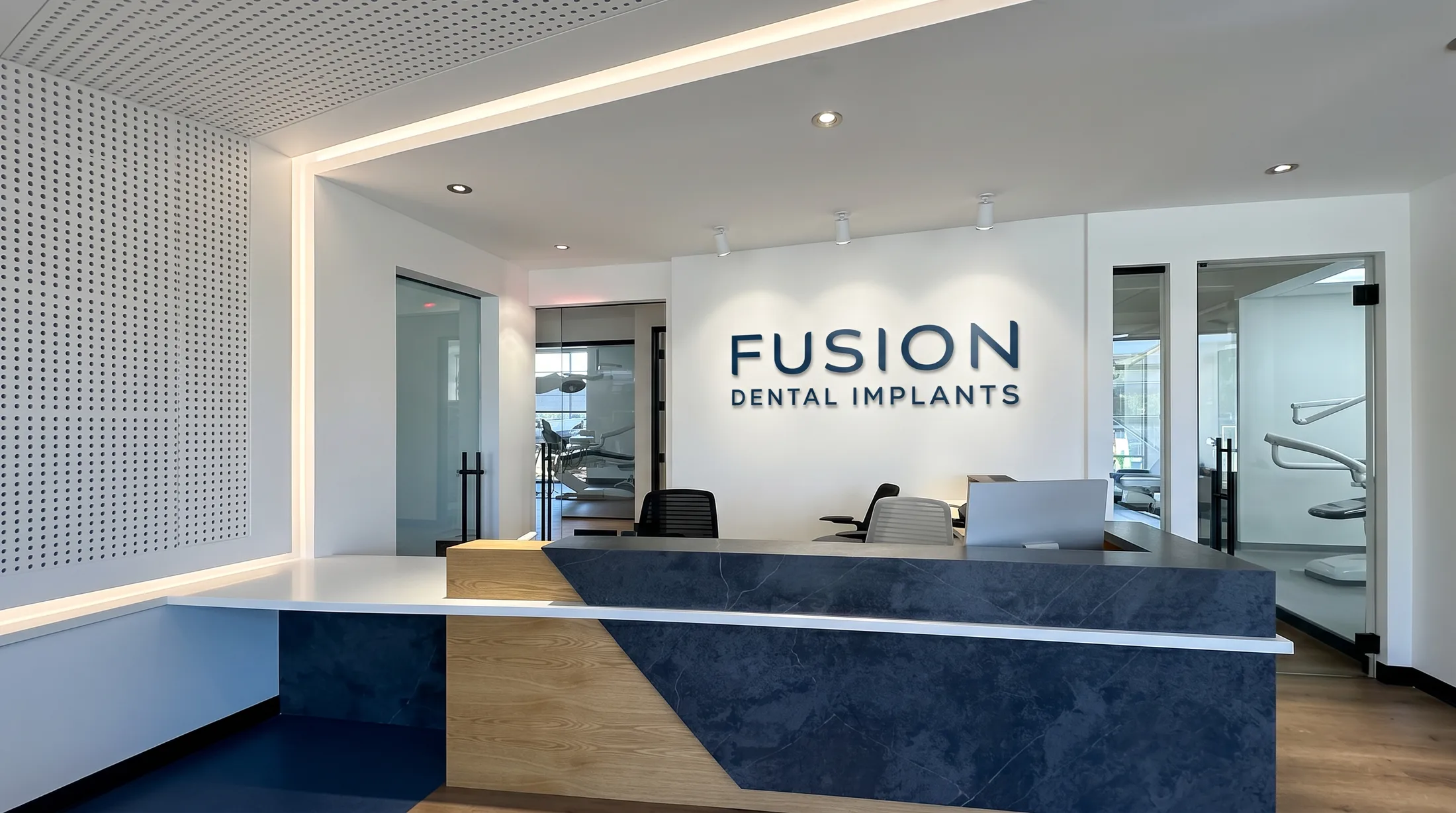
Reception area at Fusion Dental Implants

Understand the options

Ask how a proposed comfort or sedation approach works and what to expect.

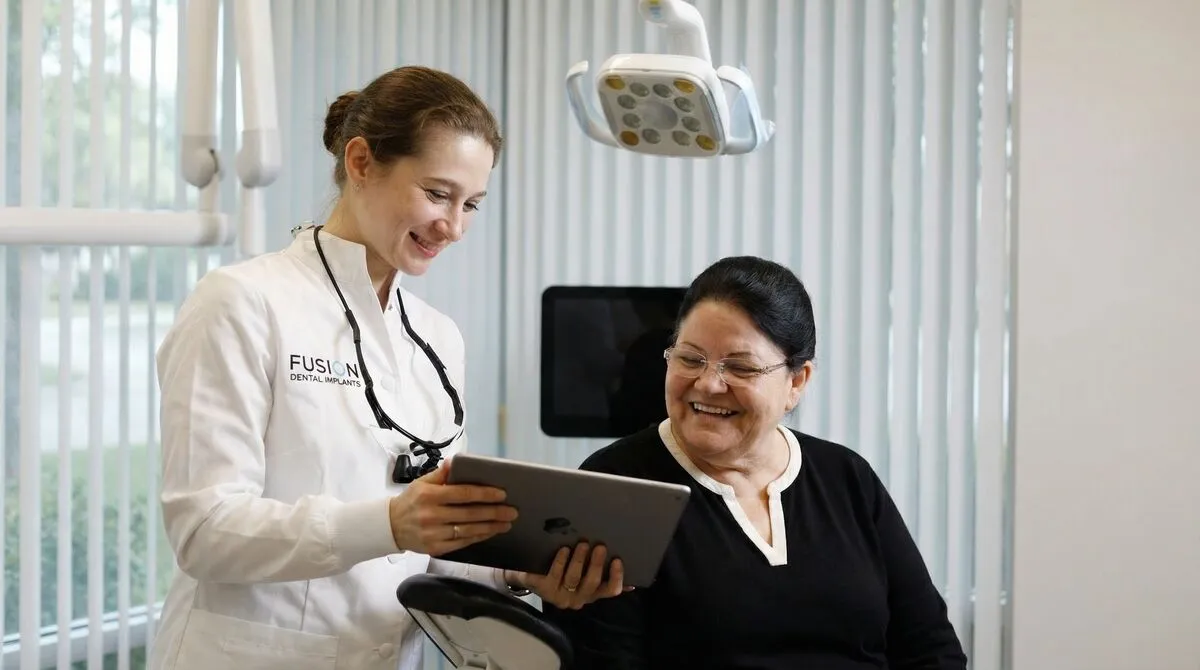
Dental consultation at Fusion Dental Implants

Prepare safely

Follow instructions about eating, medication, and a ride home when applicable.

About Us

Sedation dentistry at Fusion Dental Implants

Dental anxiety, a strong gag reflex, or worry about a procedure can make it harder to seek care. A conversation about comfort is a reasonable part of planning a dental visit. At our Fusion Dental Implants centers in Roseville and El Dorado Hills, tell the team what has been difficult before and what questions you have about the proposed treatment. Comfort care should be tailored to you rather than presented as one standard option.

Sedation refers to medication-based approaches that differ in level, monitoring, and recovery. Not every method is appropriate for every patient or procedure, and specific availability should be confirmed with the care team. Before recommending an approach, the dentist reviews your health conditions, medications, allergies, and previous experiences. Other measures, including clear explanations, planned breaks, or local anesthesia, may also be relevant.

Sedation is not the same as local anesthesia. Depending on the care planned, a clinician may need to numb the treatment area even if sedation is used to help with anxiety or awareness. Ask what you are likely to experience, what monitoring is planned, and how the team will respond if you are uncomfortable. Discuss risks and alternatives before agreeing to a medication-based plan.

Preparation and recovery instructions depend on the particular method. You may need instructions about eating, medicines, and a responsible adult to take you home; never assume driving yourself is safe after sedation. Do not stop or change prescribed medication without guidance. If you have questions about your health history or instructions, contact the team before the appointment.

The dental treatment itself, any comfort measures, and follow-up may have separate costs or insurance rules. Ask for the recommended plan and expected charges based on your individual situation. The goal is to understand how a visit could be managed safely and comfortably, not to promise that sedation eliminates every sensation or is appropriate for everyone.

Comfort conversations do not have to wait until a procedure is scheduled. If an exam itself causes anxiety, describe what has been difficult and ask whether a slower pace or clear signals for pauses might help. An honest account of concerns helps the team plan communication as well as any clinically appropriate medication-based option.

FAQ

Sedation dentistry questions

Answers to common questions about sedation dentistry.

What is sedation dentistry?

Sedation dentistry describes medication-based approaches that may help with comfort during a dental procedure. The type, level of awareness, monitoring, and recovery instructions vary by method and patient.

It is not necessary for every visit, and a particular method should not be assumed available or suitable without discussing your health history and the planned care.

Tell the dentist about dental anxiety, medications, medical conditions, and previous experiences so they can explain which comfort options may be appropriate.

Am I a candidate for dental sedation?

Suitability depends on the procedure, your health history, medications, allergies, breathing or sleep-related concerns, and what you hope sedation would help with. A dentist needs to review these factors before making a recommendation.

Some patients may be better served by communication strategies, local anesthesia, a different visit plan, or another form of support. Ask what options are actually available for your care and what safety steps and follow-up they require; sedation is not a one-size-fits-all promise.

Will sedation stop all pain during dental work?

Sedation and pain control serve different purposes. Sedation may change anxiety or awareness, while local anesthesia is commonly used to numb the area being treated when appropriate. The combination depends on the procedure and the plan made with your clinician.

Discuss what you may feel, how discomfort will be addressed, and how to signal that you need a pause. Do not assume sedation means you will be fully asleep or feel nothing; the answer depends on the specific approach.

Do I need a ride home after sedation?

That depends on the kind of medication or sedation used. Some approaches can impair coordination and judgment after the procedure, in which case a responsible adult may need to take you home and stay available. Do not arrange transportation based on a general description online.

The team should give you instructions for your individual appointment, including eating, medicines, driving, and activities afterward. Ask for those instructions before the visit so you have time to plan.

How do I prepare for a visit if I feel anxious?

Tell the office about your concerns when booking, especially if a past dental experience was difficult. Bring a current medication list and discuss any medical conditions with the clinician.

Ask what the appointment involves, whether breaks are possible, and what comfort approaches can be considered. If medication-based sedation is part of the plan, follow only the specific instructions provided for your appointment about food, medicines, and transportation.

Do not change prescribed medications on your own.

Does insurance cover sedation dentistry?

Coverage varies by plan, the reason for sedation, and the dental procedure. Even when the underlying treatment has benefits, a comfort option may have separate coverage rules or patient costs. Share your insurance details and ask for an estimate for the specific plan being proposed.

You can also ask about alternative ways to manage anxiety and what aftercare would be required. No particular sedation method or included cost should be assumed before an individual evaluation.

Have another question? Talk with our team.

Call (916) 292-9998
Patient Education

Learn about sedation dentistry

Understand your options and bring your questions to your dental visit.

Sedation, anesthesia, and other comfort approaches

Medication-based sedation may affect anxiety or awareness; local anesthesia numbs the area receiving dental treatment. They are not interchangeable. Which measures make sense depends on your procedure, your health history, and your needs.

A calm explanation, agreed-upon breaks, and a chance to ask questions can also be part of a comfort plan.

Ask what a proposed method involves, whether you will be able to communicate, and what monitoring or aftercare is required. Never assume a specific sedation technique is offered or suitable without an individual discussion.

Tell the team about any previous reaction to anesthesia or sedating medicines so that history can be considered. If you have breathing or sleep-related concerns, share them as part of that review. Ask how pain will be controlled separately from any approach to anxiety.

Preparing safely for a comfort-focused visit

Provide an accurate medication list and discuss allergies, medical conditions, breathing or sleep concerns, and previous reactions to medicines. Your clinician can then explain the instructions relevant to the proposed care.

These may cover eating, drinking, medicines, transportation, and supervision afterward.

Arrange a ride if the team tells you one is required, and do not drive or change medications contrary to their instructions. If you are unsure about preparation or costs, call before the appointment. A plan made for another patient may not be safe for you.

Clarify when you may return to normal activities based on the actual option chosen. Confirm who to contact if you feel unwell after leaving. Keep the written instructions available to whoever accompanies you home.

Your Next Step

Talk through comfort options

Let us know about dental anxiety or past experiences so the team can discuss appropriate options.

A health-history review is needed before deciding on sedation.

Patient consultation at Fusion Dental Implants
(916) 292-9998