Find a center
Fusion Dental Implants - Same-Day Dental Implant Specialists in Northern California
Emergency dentistry dental care

Emergency Dental Care

Emergency dentistry in Roseville & El Dorado Hills

Dental pain, swelling, or a damaged tooth deserves an assessment.

Request a free consultation

  1. Step 1
  2. Step 2

Your contact details and preferred office.

Y
4.9

Planning emergency dentistry care

Discuss your goals

Dental pain, swelling, or a damaged tooth deserves an assessment.

Individual assessment

Your dentist can discuss findings and recommend care based on your needs.

Understand your options

Ask about alternatives, next steps, and expected costs before deciding.

Your emergency dentistry visit

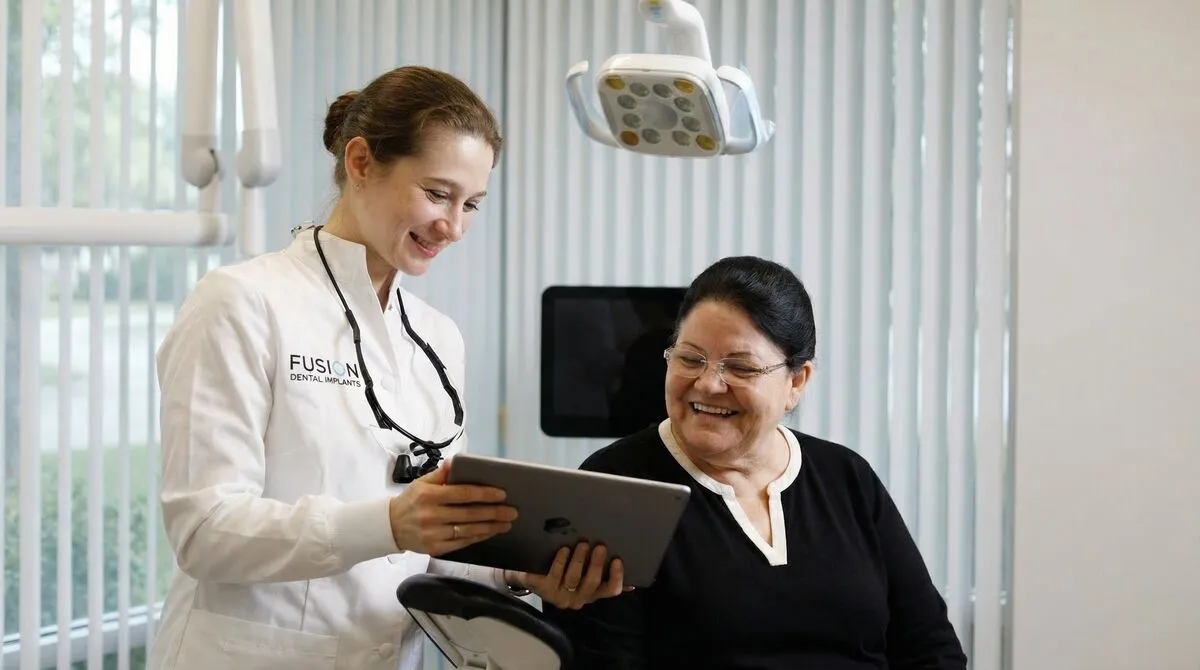
Dental consultation at Fusion Dental Implants

Dental pain, swelling, or a damaged tooth deserves an assessment.

*Terms and conditions apply to our lifetime warranty.

Is emergency dentistry right for you?

A visit may help if:

  • You have questions about emergency dentistry
  • You want to discuss your oral health and care options

Discuss other needs if:

  • You have concerns that require a different type of dental assessment
  • Your dentist recommends another approach based on your examination

Your care team can explain what is appropriate for your individual needs.

Insurance Accepted

We work with most major insurance providers to help maximize your benefits.

Aetna dental insurance accepted at Fusion Dental
Cigna dental insurance accepted at Fusion Dental
Delta Dental dental insurance accepted at Fusion Dental
MetLife dental insurance accepted at Fusion Dental
United Healthcare dental insurance accepted at Fusion Dental
Blue Cross Blue Shield dental insurance accepted at Fusion Dental
Guardian dental insurance accepted at Fusion Dental
Humana dental insurance accepted at Fusion Dental

No insurance? No problem. Ask about our affordable payment plans.

Fusion Dental Implants

Emergency dentistry with you in mind

Dental pain, swelling, or a damaged tooth deserves an assessment. Our general dental care is offered at our two Fusion Dental Implants centers.

Fusion Dental Implants care team

Describe your symptoms

When you call, explain where the pain or swelling is, when it started, and whether it is getting worse. Mention fever, an injury, a broken tooth, or difficulty eating, and tell the team what you have already tried for relief. These details help the team discuss the next appropriate step and available appointments; do not assume a same-day visit is possible.

Emergency dentistry dental care

Assess the cause

A painful tooth can have different causes, including decay, a crack, or an infection, so treatment depends on an assessment rather than symptoms alone. Describe whether pain occurs with biting, temperature changes, or on its own. The dentist may examine the tooth and surrounding tissues and recommend imaging when indicated before discussing options to address the underlying problem.

Reception area at Fusion Dental Implants

Protect the tooth

If a tooth breaks, save any fragments and avoid chewing on that side while you seek dental advice. For a knocked-out permanent tooth, handle it by the crown rather than the root and keep it moist, such as in milk, while arranging urgent care. Do not try to put a knocked-out baby tooth back in its socket; call promptly for guidance instead.

Dental consultation at Fusion Dental Implants

Know the red flags

Dental concerns can sometimes require medical help rather than waiting for a dental appointment. Trouble breathing or swallowing, swelling that is spreading across the face or neck, or bleeding you cannot control warrants immediate emergency medical care. If you are unsure how serious an injury or infection may be, describe all symptoms when seeking advice and do not delay help for worsening warning signs.

About Us

Emergency dentistry at Fusion Dental Implants

An unexpected toothache, a fractured tooth, or swelling can be frightening. At our Fusion Dental Implants centers in Roseville and El Dorado Hills, start by calling and describing your symptoms, when they began, and whether you have an injury or fever. The team can discuss available dental appointment options. A same-day examination or completed treatment is not guaranteed, and a phone conversation cannot diagnose the cause of your pain.

At a dental assessment, the dentist examines the affected area and considers your medical and dental history. X-rays may be recommended if they are clinically useful to understand damage or infection. Treatment depends on what the examination finds: possibilities may involve a restoration, addressing infection, removing a tooth, or arranging further care. Ask about alternatives, next steps, and costs; a painful tooth does not automatically mean extraction.

For a broken tooth, save fragments and avoid chewing on the injured side while seeking advice. For a knocked-out permanent tooth, handle it by the crown, keep it moist if it cannot be gently returned to its socket, and seek urgent dental advice. Do not put a knocked-out baby tooth back in place. These steps do not replace professional assessment, and timing can matter after dental trauma.

Swelling and dental infections deserve particular attention. Tell the team if swelling is increasing, you have fever, or it is becoming harder to open your mouth. Antibiotics, when prescribed, do not necessarily remove the source of an infection. A dentist may recommend treatment or further medical evaluation depending on findings. Do not wait for a scheduled visit if serious symptoms develop.

If you have difficulty breathing or swallowing, rapidly spreading swelling of the face or neck, uncontrolled bleeding, or a serious facial injury, seek emergency medical care immediately. For other dental concerns, call the office to discuss what is happening and the available options. We cannot promise an emergency appointment time without checking availability.

Keep track of what changed while you wait for advice: when pain began, whether swelling is growing, which tooth was injured, and any medicine you have taken. These details can help the team understand your concern, but they cannot replace an exam. Do not delay emergency medical care if red-flag symptoms develop.

FAQ

Emergency dentistry questions

Answers to common questions about emergency dentistry.

What should I do for a severe toothache?

Call a dentist to describe where it hurts, when the pain started, and whether you have swelling, fever, or an injury. Tooth pain can have several causes, so treatment should follow an examination rather than a guess based on symptoms.

Ask about available appointments; a same-day visit cannot be guaranteed. Avoid placing aspirin directly against a tooth or gum. If swelling is spreading quickly, you have difficulty breathing or swallowing, or bleeding will not stop, seek emergency medical care immediately.

What if an adult tooth is knocked out?

Seek urgent dental advice immediately. Handle a permanent tooth by the crown, not its root, and rinse briefly with water if dirty without scrubbing. If it can be gently returned to its socket, do so; otherwise keep it moist in milk or saliva while you seek care. Do not let it dry out.

A knocked-out baby tooth should not be put back in its socket. For a serious head injury, uncontrolled bleeding, or breathing trouble, seek emergency medical care.

What should I do with a broken or chipped tooth?

Save any fragments and call a dentist to explain how the tooth broke, whether it hurts, and if there is bleeding or swelling. Rinse your mouth gently with water and avoid chewing on the injured side until you have advice.

A minor chip and a fracture reaching deeper tooth structures can need very different care; an exam may be required to understand the extent of damage. If the injury followed a serious accident or bleeding cannot be controlled, seek emergency medical care.

Does a swollen face or gum need urgent attention?

Yes. Swelling near a tooth or in the face can signal infection or another condition that needs assessment, especially when it is worsening or accompanied by fever. Call a dentist to describe the location and symptoms; antibiotics alone may not address the source of a dental infection.

Rapidly spreading facial swelling, difficulty breathing or swallowing, or a feeling that your throat is closing is an emergency: seek emergency medical care immediately rather than waiting for a dental appointment.

Can I be seen the same day for a dental emergency?

Call the office to describe your symptoms and ask what appointment options are available. Availability depends on the schedule and clinical circumstances, so neither a same-day visit nor same-day completion of treatment can be promised.

The team can discuss next steps based on the information you provide, but a dentist may need to examine you before recommending treatment. If you have serious breathing or swallowing difficulty, uncontrolled bleeding, or rapidly spreading swelling, go for emergency medical care immediately.

What happens at an emergency dental assessment?

A dentist reviews your symptoms and medical history, examines the affected area, and recommends imaging if it would help identify the problem. Depending on findings, the dentist can discuss options for pain, infection, a damaged tooth, or further treatment.

Some concerns require follow-up rather than a single-visit fix. Ask what to do until the next visit, what changes should prompt another call, and the expected cost of the recommended care.

When is a dental problem a medical emergency?

Seek emergency medical care immediately for difficulty breathing or swallowing, rapidly spreading facial or neck swelling, uncontrolled bleeding, or a serious injury involving the head or face. A dental office appointment is not a substitute for emergency medical assessment of these red flags.

For tooth pain, a lost filling, or a localized injury without those symptoms, call a dentist for guidance and available appointments. If you are unsure and symptoms are worsening, do not delay seeking urgent medical help.

Have another question? Talk with our team.

Call (916) 292-9998
Patient Education

Learn about emergency dentistry

Understand your options and bring your questions to your dental visit.

Tooth injury: the first steps

After a chip or fracture, save any fragments, rinse gently with water, and avoid chewing on that side. Call a dentist and describe pain, bleeding, and how the injury happened. A cracked tooth may look small from the outside yet require an exam to understand whether deeper structures are affected.

A knocked-out permanent tooth needs urgent advice. Hold it by the crown and keep it moist if it cannot be gently returned to the socket. Do not reinsert a baby tooth. Serious facial trauma or uncontrolled bleeding needs emergency medical assessment, not a routine dental booking.

Tell the clinician when the injury happened and whether other teeth feel loose or displaced. Acting promptly matters because a dry tooth can become harder to treat.

Pain, swelling, and signs of infection

Toothache can come from decay, a fracture, gum problems, or another source. A dentist may examine the tooth, gums, and nearby tissues and recommend imaging when needed to identify the cause. Managing discomfort alone does not treat an underlying infection or damaged tooth.

Call to discuss swelling, fever, or worsening pain. If swelling spreads rapidly toward the face or neck, breathing or swallowing becomes difficult, or bleeding does not stop, seek emergency medical care immediately. Appointment availability and treatment timing depend on an individual assessment.

If you are given interim instructions, ask what changes should prompt you to call again. An infection may require treatment of its source, not just help with discomfort. Describe any change in your ability to open your mouth as well as the visible swelling.

Your Next Step

Dental pain or injury? Call first

Tell the team about your symptoms so they can discuss available appointments and what to do next. We cannot guarantee same-day availability.

For breathing or swallowing trouble, spreading facial swelling, or uncontrolled bleeding, seek emergency medical care immediately.