
All-on-4 Dental Implants in San Francisco: Same-Day Results & Cost Guide
San Francisco residents considering All-on-4 should compare candidacy, temporary versus final teeth, total treatment costs, and the travel needed for follow-up. Fusion provides treatment in Roseville and El Dorado Hills, not at a San Francisco office. Same-day temporary teeth are an option for selected patients, not a guarantee.
What if replacing slipping dentures didn’t mean spending months without a confident smile? With All-on-4 dental implants San Francisco patients can explore a path to fixed, natural-looking teeth, and eligible patients may receive a temporary restoration on the day of surgery. It’s understandable to feel anxious about an invasive procedure or uncertain about costs in the Bay Area. Clear answers can help you make an informed decision.
This guide explains how All-on-4 treatment works, what can affect your personalized plan, and how Fusion Dental Implants’ surgical and restorative services support full-arch treatment. You’ll also learn what recovery may involve, how implant-supported teeth differ from removable dentures, and what to review when comparing treatment costs and payment options. We’ll walk through the process in plain language so you can approach your next step feeling informed.
The path at a glance: Assessment → Review alternatives → Agree on a personalized plan → Treatment when appropriate → Follow-up and maintenance
Key Takeaways
- Learn how four strategically placed implants can support a fixed full-arch restoration and offer an alternative to slipping dentures.
- Understand how 3D imaging and careful surgical planning help determine whether a same-day temporary restoration is suitable.
- Explore which treatment factors shape your All-on-4 dental implants San Francisco plan, including prosthetic materials and surgical needs.
- See how flexible financing options may help make treatment payments more manageable without relying on a one-size-fits-all cost estimate.
- Learn what to compare in a treatment plan, including the surgical procedure, prosthetic restoration, payment terms, and ongoing care.
Understanding All-on-4 Dental Implants for San Francisco Residents
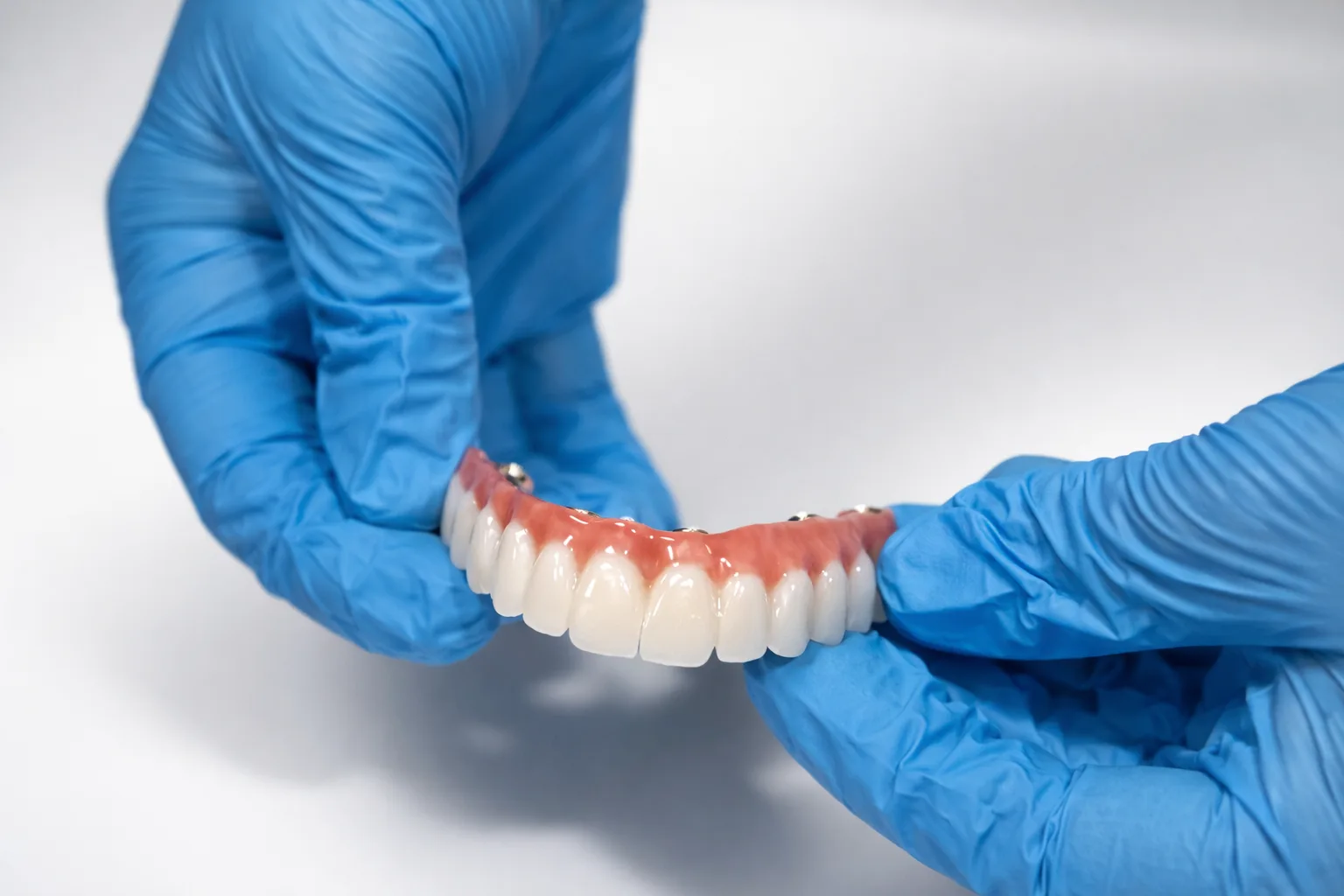
Loose dentures can make eating, speaking, and socializing feel uncertain. All-on-4 offers a fixed alternative: a full arch of replacement teeth supported by four strategically angled titanium implants placed in the jaw. The implant positions are planned around available bone and the needs of the connected bridge, rather than relying on a removable appliance. For people researching All-on-4 dental implants San Francisco, a key consideration is the possibility of leaving treatment with a temporary fixed smile on surgery day, when clinical conditions allow.
All-on-4 is one approach to full-arch implant treatment. This overview of All-on-4 dental implants provides general background on the technique. Your own treatment plan depends on an examination of your oral health, jawbone, bite, and goals.
The “Teeth in a Day” Concept Explained
In a same-day workflow, teeth that can’t be preserved may be removed, implants are placed, and a temporary bridge may be attached during the same visit. Immediate restoration is appropriate only when factors such as overall health and implant stability support it. The temporary bridge provides fixed teeth while the implants heal, but it is not the final prosthesis or proof that healing is complete. Follow-up care and your surgeon’s instructions on eating and cleaning remain essential.
Immediate-load implants are implants fitted with a temporary restoration soon after placement. Outcomes depend on individual factors such as health, bone conditions, implant stability, and the treatment protocol, so a general figure can’t predict an individual result. For Bay Area residents balancing work, family, and travel, fewer separate treatment stages may be helpful when immediate restoration is suitable. It doesn’t eliminate the need for recovery time or follow-up visits.
All-on-4 vs. Traditional Implants
Traditional full-arch treatment may use a staged process, with implants placed first and teeth attached after a healing period. All-on-4 can shorten the time to a fixed temporary bridge for suitable patients, but surgery still requires recovery, and healing varies. Four implants can support a full arch when their position, bone support, and bite forces are carefully planned. Six or eight implants may be appropriate in other cases. A higher implant count alone doesn’t guarantee a better result.
The two rear implants are often angled to make use of available bone and create support for a longer bridge. Their orientation can help distribute biting forces and may reduce the need for extensive bone grafting in some treatment plans. It isn’t a universal substitute for grafting: significant bone loss or other anatomical factors can change the approach. Imaging and a clinical assessment guide the decision.
“All-on-X” describes the broader principle of securing a full-arch bridge to a customized number of implants. The “X” varies with a patient’s anatomy, bite, and restorative plan. The goal isn’t simply to use the fewest implants possible. It’s to select a stable design that suits the individual and supports long-term care.
| Treatment feature | Fixed All-on-4 bridge | Removable implant-supported denture |
|---|---|---|
| Daily removal | Removed by a clinician when needed | Removed by the patient for cleaning |
| Surgery-day teeth | Possible for selected patients | Timing depends on the individual plan |
| Home care | Clean beneath and around the bridge | Clean the denture and attachment areas |
| Future care | Monitor prosthesis, screws, bite, and tissue | Monitor attachments, fit, bite, and tissue |
The All-on-4 Surgical Process: From 3D Planning to Same-Day Smile
A stable full-arch restoration starts with careful planning, not just implant placement. For All-on-4 dental implants San Francisco patients, a 3D CT scan gives the surgical team a detailed view of jawbone shape, bone volume, and nearby anatomy. Those images help the surgeon plan implant positions and assess whether the existing bone can support the restoration. The team also reviews your health, bite, and treatment goals before recommending a surgical approach.
Advanced Diagnostics and Virtual Planning
Digital planning turns scan data into a map for treatment. When intraoral scanning is used, it captures the teeth and bite digitally without impression trays and putty. The surgeon can review these records alongside CT images to plan implant placement and consider how the final teeth should relate to your lips, face, and opposing bite. Fusion Dental Implants’ board-certified surgeons bring surgical expertise to treatment planning, while the American Academy of Implant Dentistry offers general education about implant dentistry.
Computer-guided planning can help translate planned positions into more controlled placement and support alignment and a balanced bite. It informs the surgeon’s decisions, but it doesn’t replace clinical judgment or guarantee a particular result.
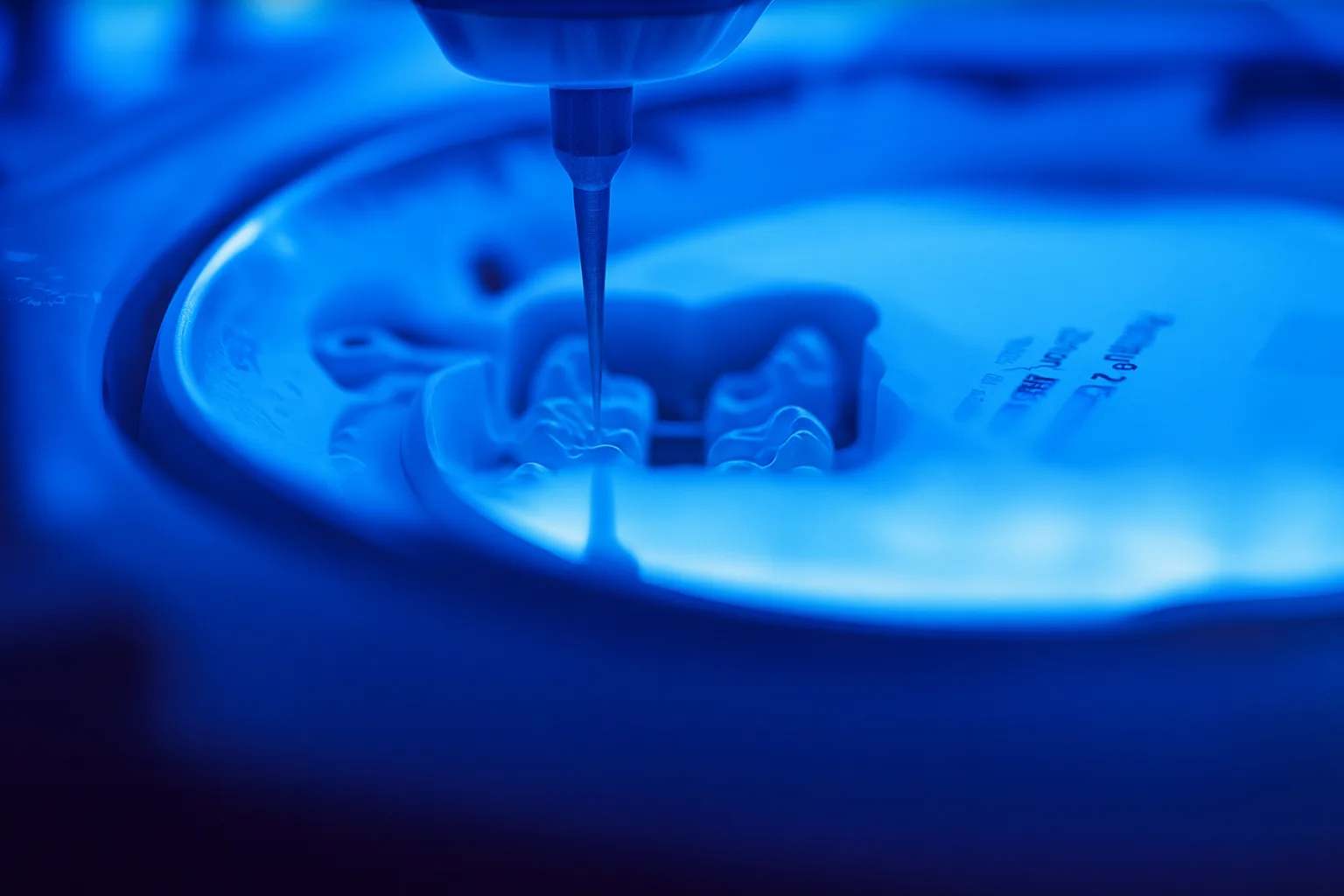
The Role of the In-House Dental Lab
Coordinating surgery and the temporary restoration is an important part of a same-day workflow. The treatment team plans how the temporary bridge will fit and function, then makes adjustments as needed. Fit, bite, and appearance all matter: a bridge that looks right but doesn’t meet the bite correctly still needs attention. The goal is to make a temporary same-day smile possible for eligible patients while keeping the restoration suited to the treatment plan.
Shade, tooth shape, and fit are considered as the team designs the restoration to suit your features and bite. The same-day teeth are typically a temporary bridge, not necessarily the final prosthesis. A final restoration, including zirconia when selected for the treatment plan, is fitted according to healing and clinical needs. This distinction helps set realistic expectations: you may leave with fixed teeth on surgery day when appropriate, while the finished restoration comes later.
After surgery, healing takes time. Over the following 3–6 months, the implants can integrate with the jawbone, a process called osseointegration. Your surgeon will monitor healing and guide you on cleaning, follow-up visits, and suitable foods while the implants stabilize. Don’t treat a temporary bridge like fully healed natural teeth. Following care instructions helps protect the restoration during this phase.
If you’re considering treatment, learning about Fusion Dental Implants’ full-arch care can help you understand how surgical planning and restoration fit into the patient journey.
Evaluating All-on-4 Costs and Value in the Bay Area
For Bay Area patients, the decision isn’t only about the initial fee. It’s also about understanding what treatment includes, how the restoration will be cared for, and what costs may come with alternatives over time. A personalized estimate for All-on-4 dental implants San Francisco should clearly account for the planned surgery and restoration, so you can see which items affect the total.
Cost can vary with your oral health and treatment plan. Common components include the surgical procedure, anesthesia or sedation, necessary extractions, and the prosthetic bridge. Material choice matters, too. Ask for a written breakdown that distinguishes the temporary teeth used during healing from the planned final restoration and identifies any additional procedures included in the plan.
Comparing Denture Costs Over Time
Traditional dentures may bring recurring expenses for adhesives, adjustments, relines, repairs, or replacement as fit and oral conditions change. To compare options over a decade or more, consider those potential costs alongside the initial treatment expense, maintenance visits, and expected prosthetic care. The answer depends on individual needs, so All-on-4 shouldn’t be presented as automatically less expensive for everyone.
There’s also a biological consideration. After teeth are lost, the jawbone can change over time; removable dentures don’t provide the same direct stimulation as tooth roots or implants. Dental implants transfer biting forces to the jaw, but they don’t stop every cause of bone change or guarantee a particular outcome. A clinical evaluation can explain what this may mean for your anatomy and options.
Financing and Comparing Treatment Value
Fusion Dental Implants offers flexible financing options to help make payments more manageable. Review eligibility, the repayment schedule, and the terms so you understand how payments fit your budget. Fusion also offers a price-match guarantee. When comparing estimates, look beyond the headline total: proposed procedures, anesthesia, prosthetic materials, follow-up care, and warranty terms can differ.
HSA or FSA funds may be usable for eligible dental expenses, but rules depend on the account and expense. Check your plan documents or ask the administrator about your specific treatment before relying on those funds. That step can help prevent a surprise if an expense doesn’t qualify.
A useful comparison is a simple worksheet with columns for the treatment plan, included services, possible additional procedures, payment terms, and ongoing maintenance. Include denture adhesives, relines, and replacement estimates where relevant, and distinguish confirmed costs from possible future expenses. The goal isn’t to reduce a complex decision to one number. It’s to see what each option covers and how it aligns with your health needs, priorities, and budget.
Clear financial planning should make the decision feel more manageable, not more pressured. Review the written estimate and payment terms at your own pace, and make sure you understand what’s included before choosing a treatment path.
Patient Journey: Preparing for Your San Francisco Procedure
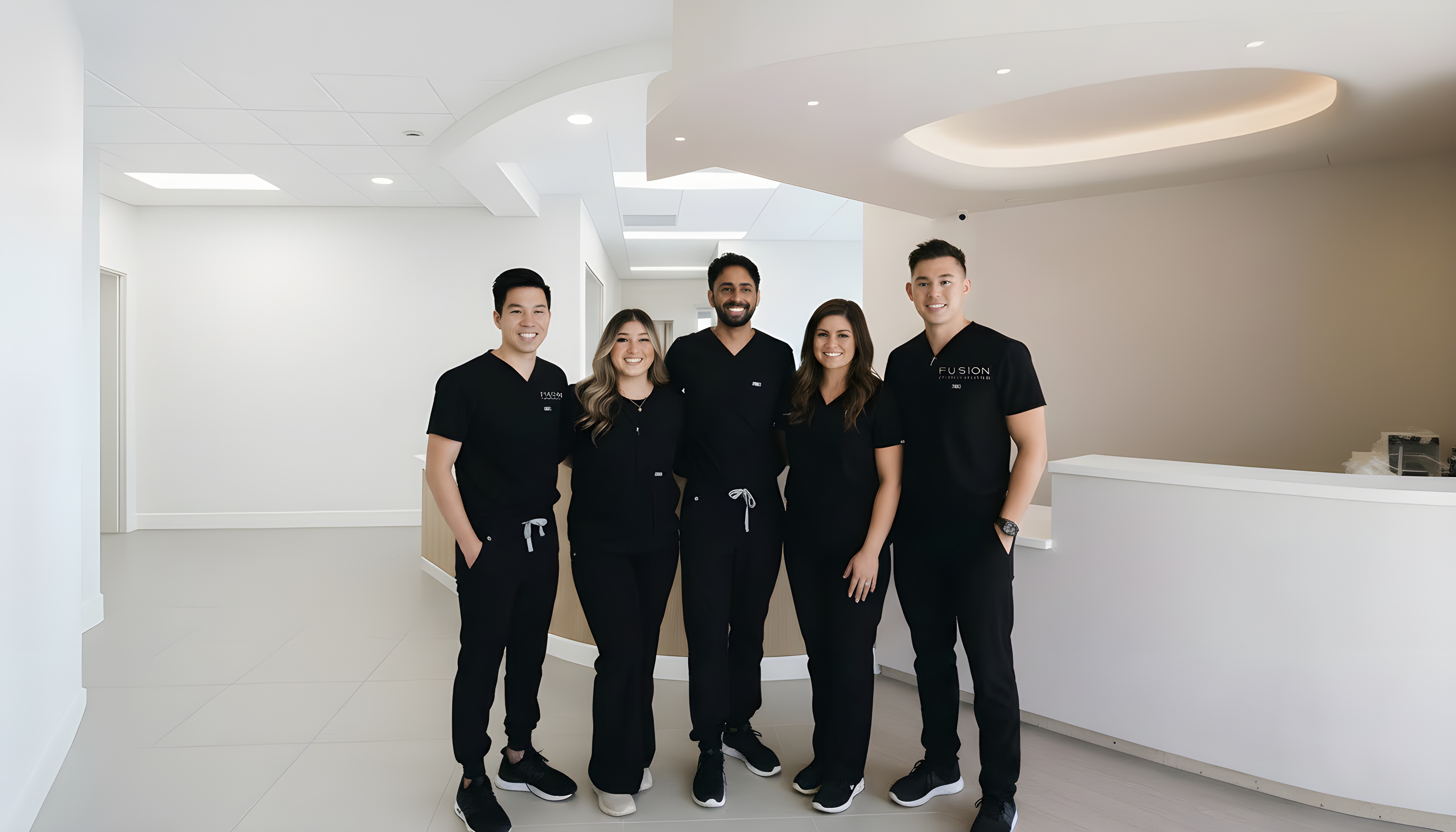
Planning matters as much as the appointment itself, especially when surgery and recovery are involved. Fusion Dental Implants is based in Roseville and serves patients in nearby communities. If you’re traveling from San Francisco, map the full trip to your treatment location and arrange transportation for the return journey before surgery day. Patients coming from Roseville, El Dorado Hills, Sacramento, Rocklin, Loomis, Lincoln, or Elk Grove can also plan ahead for the route, appointment, and recovery at home.
Plan the Consultation and Travel
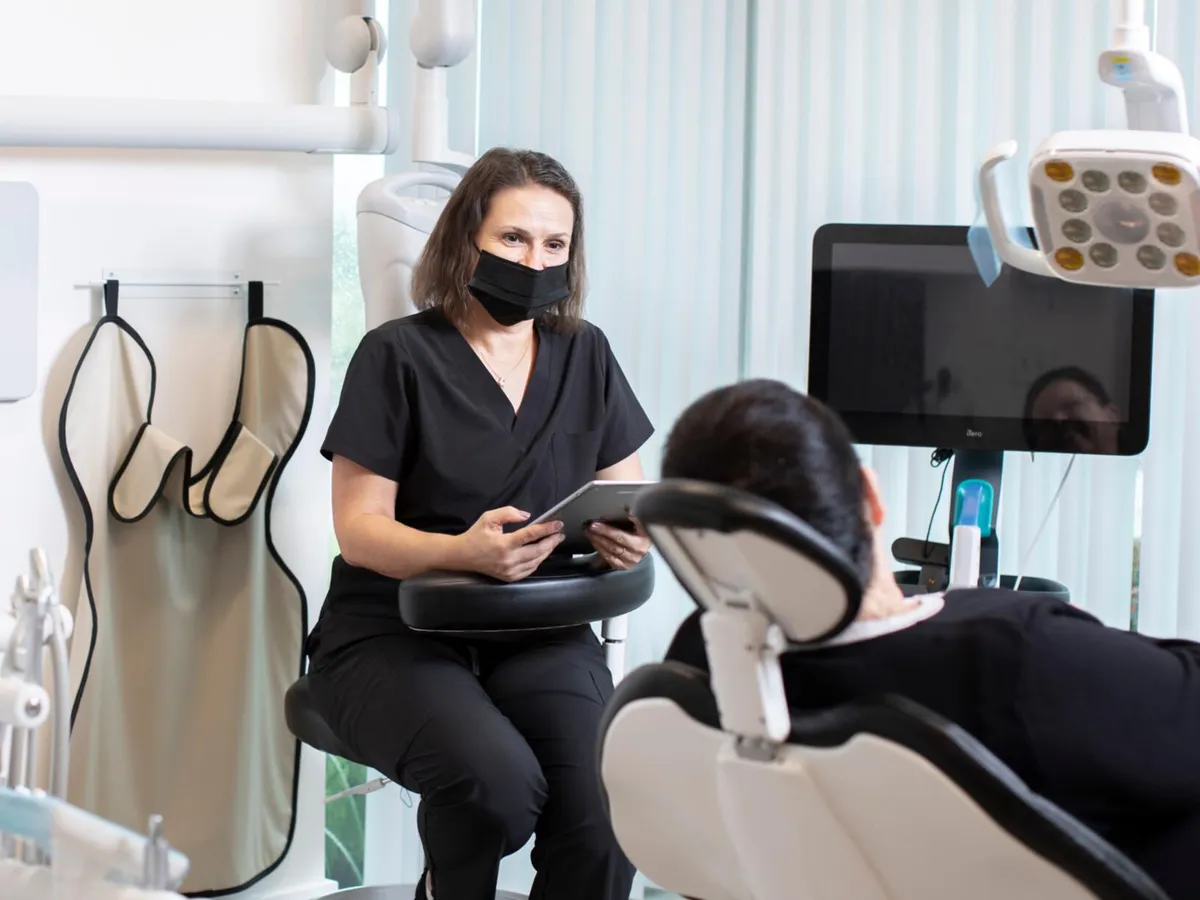
An evaluation for All-on-4 dental implants San Francisco patients may include a review of dental and medical history, an examination, and 3D CT imaging to assess the jaw and plan treatment. Review appointment details and any fees in advance. Bring a current medication list, relevant health information, previous dental records or imaging if available, and questions about the treatment plan and recovery.
For a visit from the Financial District, Peninsula, or elsewhere in the Bay Area, allow time for transfers, traffic, and the final leg to the clinic. Check the route to your specific treatment location rather than planning around a central San Francisco landmark. Build a practical door-to-door plan, including who will accompany you if needed.
Comfort, Sedation, and Recovery
Local anesthesia numbs the treatment area while you remain awake. IV sedation delivers medication through a vein and may reduce awareness and anxiety during a procedure; whether it’s appropriate depends on your health, treatment, and clinical assessment. Fusion Dental Implants’ board-certified surgeons can explain the approach and what to expect. A step-by-step conversation also gives you space to discuss concerns and make informed choices.
After surgery, follow your care team’s instructions closely. The first 48 hours are a time to rest, use medications only as directed, and follow guidance on food, oral hygiene, and activity. Swelling or soreness may affect your routine, and recovery differs from person to person. If IV sedation is used, arrange for a responsible adult to take you home, and don’t plan to drive yourself. Your surgical team’s specific directions take priority.
Returning to work isn’t governed by a universal timeline. The type of work you do, your comfort, and your healing all matter; physically demanding duties may require different planning from desk work. Avoid scheduling a packed workday immediately after surgery, and make room for follow-up care. Before setting travel or work commitments, discuss a realistic recovery plan with your surgical team.
To prepare for your evaluation and travel, schedule an All-on-4 consultation with Fusion Dental Implants.
Considering Fusion Dental Implants from San Francisco
Choosing a full-arch implant team means looking beyond the promise of a new smile. You need surgical expertise, careful planning, coordinated restorative care, and a team that listens to what matters in your daily life. Fusion Dental Implants offers surgical implant treatment and prosthetic restorations for patients exploring All-on-4 dental implants San Francisco, with board-certified surgeons supporting full-arch care.
Surgical Credentials and Treatment Planning
Board certification in this context applies to the surgeons. It reflects professional qualifications, but it can’t guarantee a particular outcome. Surgical experience matters when a case involves significant bone loss, prior implant complications, or other complex needs. The team can assess your anatomy and explain available options, including whether a specialized approach such as zygomatic implants may be relevant.
Zygomatic implants anchor in the cheekbone rather than relying solely on the upper jaw, and may be considered in some cases of severe upper-jaw bone loss. They aren’t appropriate for every patient. Imaging, health history, and a thorough surgical evaluation help determine which approach fits. If a case is described as “hopeless,” a careful assessment can clarify whether complex or revision options are worth considering.
Full-arch care also requires coordination between surgery and restoration. Fusion Dental Implants provides both surgical implant procedures and prosthetic restorations, so the planned teeth and implant positions are considered as part of the treatment process. The focus is on function, fit, and a restoration designed around the patient, rather than treating the bridge as an afterthought.
The Lifetime Warranty Difference
Warranty terms are one point to review when comparing full-arch prosthetics. Read the written details to understand what a warranty covers, which parts of treatment are included, and whether particular care or maintenance is required. A warranty on a prosthetic, if included in a treatment plan, does not automatically apply to every part of treatment.
Zirconia is one material used for full-arch restorations. The right material depends on the treatment plan and individual needs, so ask the surgeon to explain why a material is recommended and how it compares with other prosthetic choices. Whatever the material, regular maintenance remains important for protecting your overall oral health.
Same-day restoration may be possible for eligible patients, depending on clinical suitability. Same-day teeth are temporary while healing progresses, and the final prosthesis may be fitted later. The team’s role is to explain each stage, address concerns, and help you understand both the immediate change and the care that follows.
For a personalized discussion of your full-arch goals and treatment options, schedule an All-on-4 consultation with Fusion Dental Implants.
Take the Next Step Toward a Smile That Feels Like You
Choosing All-on-4 dental implants San Francisco is a personal decision, and the right next step is a conversation about your health, priorities, and questions. Think about what you most want to change, whether that’s denture movement, difficulty enjoying meals, or feeling less confident when you smile. Bring those concerns to your evaluation so your care team can discuss an approach that reflects your needs rather than a generic treatment plan.
You don’t have to have every detail figured out before exploring your options. A thoughtful discussion can help you understand what treatment may involve, what recovery could mean for your routine, and which financial questions you’ll want answered before making a decision. Take the time you need to feel informed and comfortable.
Book your All-on-4 consultation with Fusion Dental Implants to discuss your goals, treatment options, and next steps.
Planning your next step
For implant benefits, risks, and follow-up, review the FDA dental implant guidance and the American Dental Association’s patient implant overview. These explain why individual assessment and ongoing care matter.
Understanding the advertised starting price
Fusion advertises single-tooth implants from $1,850 and full-arch treatment from $17,999 per arch. These are starting offers, not a personalized reconstruction quote or a price for both arches. Ask what your written plan includes and which additional procedures may change the total. Financing is available from $73/month for single-tooth treatment and $299/month for full-arch treatment, subject to approval and applicable terms. Review financing details and the price-match guarantee; confirm eligibility, total repayment, and exclusions before committing.
Fusion’s offices are in Roseville and El Dorado Hills. Use Find a Center to plan travel, and review the care team before your visit.
Request a free consultation to discuss a plan based on your examination.
Why patients choose Fusion: In-House Dental Lab | Same-Day New Teeth for Eligible Patients | Transparent All-Inclusive Pricing | Lifetime Full-Arch Warranty (terms apply) | Price Match Guarantee (terms apply)
This article is for general patient education and is not a substitute for personalized medical advice, diagnosis, or treatment. Every patient’s oral health, anatomy, and healing response are different. Consult your dental professional before making treatment decisions.
About Fusion Dental Implants: We specialize in advanced dental implant solutions with offices in Roseville and El Dorado Hills, California.
Related reading
Frequently Asked Questions
How long do All-on-4 dental implants last?
All-on-4 implants can serve for many years, but no specific lifespan is guaranteed. The implants and the attached bridge are separate components, and their care needs can differ. Daily cleaning, routine professional checkups, bite changes, health conditions, and habits such as smoking may affect their long-term condition. If the bridge feels loose, your bite changes, or cleaning becomes difficult, arrange an evaluation rather than waiting for a regular visit.
Is the All-on-4 procedure painful with IV sedation?
IV sedation can help reduce awareness and anxiety, while local anesthetic numbs the surgical area; sedation doesn’t mean you’ll feel no sensations or discomfort afterward. People respond differently, and your surgeon will discuss your health history, medications, and comfort concerns before deciding what’s appropriate. Plan for someone else to drive you home after IV sedation, and follow the specific instructions you receive about food, medication, and recovery.
Can I really get new teeth in just one day in San Francisco?
Some patients can receive a temporary fixed bridge on surgery day, but same-day teeth aren’t suitable for every case. Your jawbone, implant stability, overall health, and treatment plan influence timing, and the final restoration may be fitted after healing. Fusion Dental Implants is based in Roseville and serves patients from San Francisco and communities including Roseville, El Dorado Hills, Sacramento, Rocklin, Loomis, Lincoln, and Elk Grove. Ask how your proposed plan separates surgery-day teeth from the final prosthesis.
What happens if I have significant bone loss in my jaw?
Significant bone loss doesn’t automatically rule out implant treatment, but it can change the plan. Imaging and an examination help the surgeon assess bone availability and nearby anatomy. Depending on the case, options may include grafting or specialized approaches such as zygomatic implants for certain upper-jaw situations. These techniques aren’t right for everyone, so ask your surgeon to explain the benefits, limitations, and alternatives for your specific anatomy.
How do I clean and maintain my All-on-4 implants?
Clean the bridge and gumline every day using the tools and technique your care team recommends. Depending on your restoration, that may include a soft toothbrush and an aid for cleaning beneath the bridge, such as an interdental brush or water flosser. Keep professional maintenance appointments even if everything feels normal. Your team can check the fit, bite, and areas that are difficult to reach at home.
Does insurance cover the cost of All-on-4 implants in California?
Coverage varies by dental plan, and some policies may treat parts of implant treatment differently, such as surgery, extractions, or the prosthesis. Before scheduling, request a written treatment estimate and ask your insurer for a predetermination of benefits. Check annual maximums, waiting periods, exclusions, and documentation requirements. A predetermination can clarify how your plan may process the claim, but it isn’t a guarantee of payment.
What is the difference between All-on-4 and a snap-in denture?
All-on-4 generally refers to a fixed full-arch bridge attached to implants, which a dental professional removes for certain maintenance. A snap-in denture attaches to implants for added retention but is designed to be taken out by the wearer for cleaning. Both can replace a full arch, yet they differ in daily handling, feel, and care. Your bite, dexterity, oral health, and preferences help guide the choice.
How soon can I eat solid foods after the procedure?
Follow your surgeon’s diet instructions rather than using a fixed number of days as a target. While implants heal, the temporary restoration and developing integration need protection from excessive biting forces. Your team may recommend starting with soft foods and advancing gradually based on healing and comfort. Avoid hard, crunchy, or sticky foods until your surgeon says they’re appropriate, and contact the care team if eating causes unexpected pain or movement.
Ready to Transform Your Smile?
Schedule your free consultation today and discover how dental implants can change your life.