
Get Rid of Dentures Forever? Explore Lasting Tooth Replacement Options
You may be able to stop wearing conventional removable dentures by choosing fixed implant-supported teeth, but no restoration lasts forever without care. The practical question is which maintenance, cleaning, and future repair responsibilities you can manage.
Could you get rid of dentures forever, or at least stop relying on traditional dentures every day? If your dentures shift while you eat or speak, or the daily routine of removing them and using adhesives feels tiring, it’s natural to want a more secure option. Implant-supported teeth may reduce reliance on conventional dentures, but the right solution depends on your needs and dental health.
You don’t have to choose between your current dentures and fixed teeth without understanding the alternatives. Options include removable snap-in dentures that attach to implants and fixed full-arch teeth supported by implants. They differ in how you wear and clean them, and no restoration can be promised to last forever.
In this guide, you’ll learn how these options compare, what an individual assessment and treatment plan may involve, and what to expect from surgery, recovery, and long-term maintenance. Fusion Dental Implants provides implant-supported denture and full-arch treatment pathways. A personalized surgical assessment can help determine which approach may suit you and clarify the steps involved.
The path at a glance: Assessment → Review alternatives → Agree on a personalized plan → Treatment when appropriate → Follow-up and maintenance
Key Takeaways
- “Get rid of dentures forever” usually means replacing conventional removable dentures, not avoiding dental care or future maintenance.
- Compare fixed full-arch teeth with implant-supported removable dentures by considering daily use, cleaning routines, and your preference for a removable or fixed restoration.
- An individual assessment helps shape a treatment plan, including appropriate imaging, restoration choices, and follow-up care.
- Treatment timing varies by case. Same-day procedures may be possible for some treatment plans, but they aren’t right for everyone.
- Explore Fusion Dental Implants’ All-on-4, full-arch, snap-in, and implant-supported denture options, along with available financing and the price-match guarantee.
Can You Get Rid of Dentures Forever? What the Phrase Really Means
If your dentures feel loose, uncomfortable, or inconvenient, it’s understandable to wonder whether you can leave them behind. Not every denture wearer has these concerns, but movement during meals, changes in fit, or daily removal can make ordinary routines less comfortable for some people. For Sacramento patients exploring alternatives, “get rid of dentures forever” usually means replacing conventional removable dentures, not ending dental care permanently.
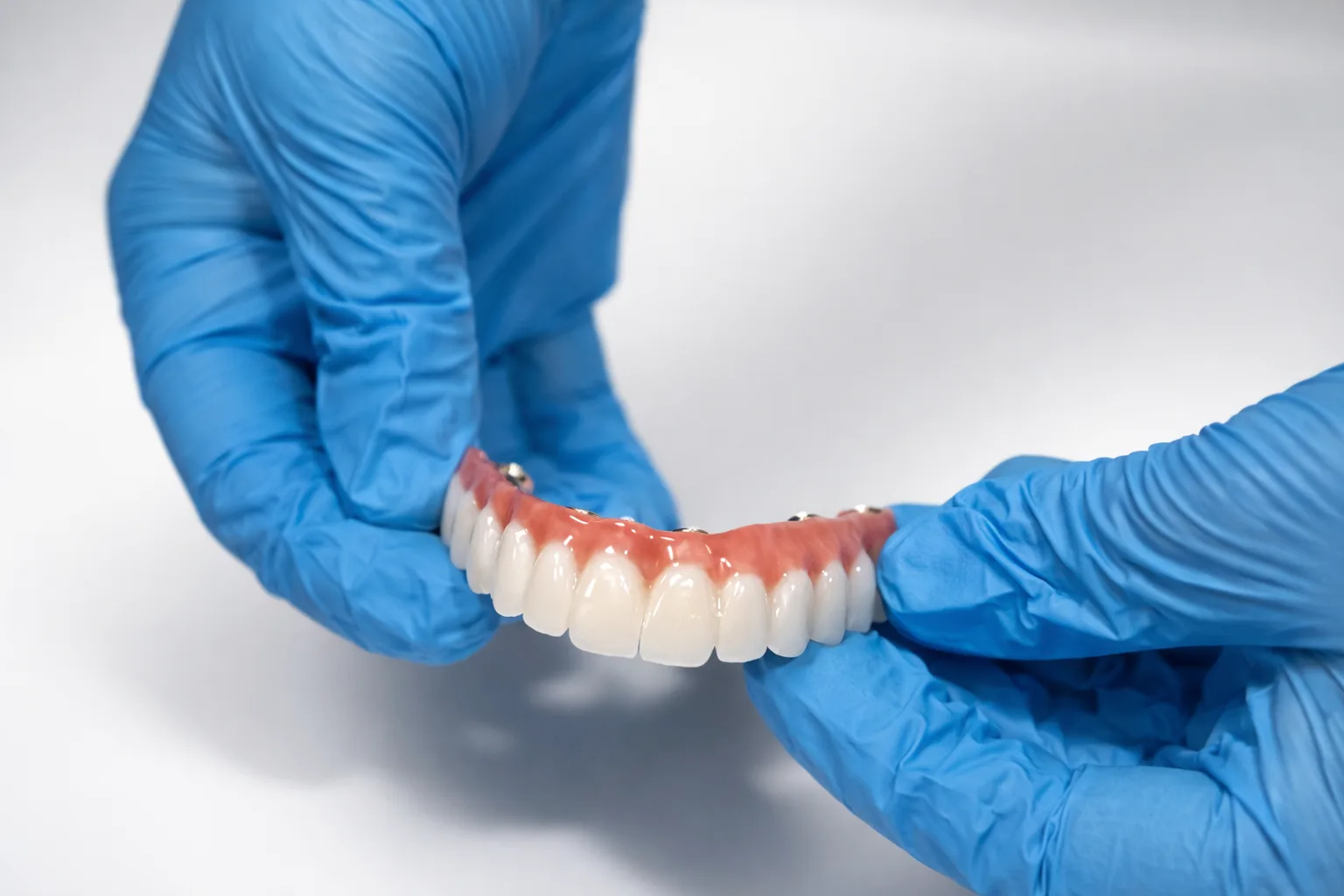
Implant-supported tooth replacement uses implant posts placed in the jaw to support a separate dental restoration. Depending on the treatment plan, that restoration may be a removable denture retained by implants or fixed full-arch teeth. The posts provide support; they aren’t the replacement teeth themselves. For an overview of conventional options, see Dentures.
What does getting rid of dentures permanently mean?
“Permanently” can be misleading. Some patients may transition to fixed teeth secured to implants, while others may choose implant-retained dentures that can be removed for cleaning. Both approaches can reduce reliance on a conventional denture, but they differ in daily use and care.
Implants and prostheses need ongoing professional attention and home care. Their durability and maintenance needs vary, so no restoration should be described as lasting forever. An individualized assessment helps clarify which options may suit your oral health, preferences, and treatment goals.
Why do traditional dentures feel limiting for some people?
A conventional denture rests on the gums, and its fit can change over time. Some wearers experience slipping or sore spots, use adhesive to improve stability, or find removing and reinserting dentures inconvenient. Others adapt comfortably. There’s no single denture experience.
When a denture moves, some people feel less at ease speaking or eating around others. Certain foods may feel harder to manage, or the possibility of movement may affect confidence. These concerns deserve a thoughtful assessment, not an assumption that implants are automatically the right answer.
An assessment can look at denture fit and comfort as well as potential alternatives. It may help distinguish a problem that calls for addressing the fit from a reason to explore implant-supported teeth. That conversation gives you a clearer starting point for deciding whether to continue with conventional dentures or consider a different kind of support.
How Implant-Supported Teeth Can Replace Traditional Dentures
Implant-supported treatment changes how replacement teeth are held in place. Rather than resting only on the gums, a restoration connects to implant posts placed in the jaw. Those posts act as anchors for replacement teeth, though the restoration they support may be removable or fixed. The American Dental Association’s overview of dental implants explains how implants can support replacement teeth.
The choice isn’t simply between a conventional denture and one permanent solution. Fusion Dental Implants offers implant-supported dentures and full-arch options, including All-on-4. Which approach may fit depends on your anatomy, oral health, goals, and a clinician’s assessment.
How do implant-supported dentures work?
Implants can help retain a removable denture, such as a snap-in denture. The denture attaches to the implants for added support during wear, but you still remove it for cleaning. That differs from a conventional denture, which rests on the gums without implant retention. Added support doesn’t guarantee a particular level of comfort or fit, which varies by individual.
The number and placement of implants are determined as part of an individual treatment plan. An assessment considers your oral health and the restoration being planned, rather than assuming the same arrangement works for everyone.
How do fixed full-arch teeth differ?
A fixed full-arch prosthesis attaches to implants and isn’t removed by the patient as part of a daily cleaning routine. It’s cared for in place, with professional follow-up and home care guided by the dental team. All-on-4 is one full-arch treatment approach, not a universal solution or an automatic fit for every patient. A clinician needs to assess whether it aligns with your needs.
In short: removable implant-supported teeth come out for cleaning; fixed implant-supported teeth stay in place and are cared for without patient removal. Both use implants for support, but they involve different routines and treatment considerations. Think about whether you prefer a removable restoration or fixed teeth, then discuss how each option fits your priorities.
If you’re weighing these pathways in Sacramento, explore implant-supported treatment options as part of a personalized clinical assessment. The goal is to understand the trade-offs and identify an approach suited to your circumstances, not to assume one option is right for everyone.
Fixed Teeth or Implant-Supported Dentures: Which Fits Your Priorities?
The right denture replacement depends on more than whether you want to get rid of dentures forever. Consider how you want your teeth secured, which cleaning routine feels manageable, and whether you’re comfortable considering implant surgery. Each option has trade-offs, and no one choice is best for every patient.
| Option | Removable? | Typical cleaning routine | Implants and planning |
|---|---|---|---|
| Fixed full-arch teeth | No. The patient doesn’t remove the restoration. | Clean in place and follow the dental team’s home-care and professional follow-up guidance. | Uses implants; a clinician assesses oral health and anatomy to plan treatment. |
| Implant-supported removable dentures | Yes. The patient removes the denture for cleaning. | Remove and clean the denture, and care for the mouth and implant components as directed. | Uses implants; the treatment plan determines the approach. |
| Conventional dentures | Yes. | Remove and clean the denture, with ongoing attention to fit and oral health. | Doesn’t rely on implant posts, but fit and denture care still need attention. |
Implant options involve surgery and continued maintenance, so weigh the potential benefits alongside the commitment. The FDA’s guidance on dental implants also covers potential complications. A personalized discussion can help you understand the considerations relevant to your health and treatment goals.
When might fixed full-arch teeth match your goals?
A fixed option may be worth discussing if you’d prefer a restoration that stays in place rather than one you remove each day. Before recommending this approach, a clinician assesses your oral health and anatomy and considers your goals. Fixed teeth shouldn’t be assumed to feel or function exactly like natural teeth. An individual evaluation helps set realistic expectations.
When might removable implant-supported dentures be worth discussing?
This pathway may suit someone who wants implant retention but prefers a prosthesis they can remove for cleaning. Removable doesn’t mean maintenance-free: you’ll still need to clean the denture and follow planned care for your implants and oral health. During an assessment, discuss your preferred routine, concerns about surgery, and the practical differences between removable and fixed teeth.
Use your priorities to guide the conversation, not to self-diagnose. A clinical assessment brings your anatomy, health, and preferences together to identify which options may be appropriate.
What to Expect When Replacing Dentures With Dental Implants
Considering how to get rid of dentures forever can bring practical questions: Am I a candidate? What happens first? How long will treatment take? The process starts with an individual assessment, not a one-size-fits-all timeline. Your care team uses that evaluation to discuss possible options and explain the stages relevant to your treatment plan.
What happens during an implant assessment?
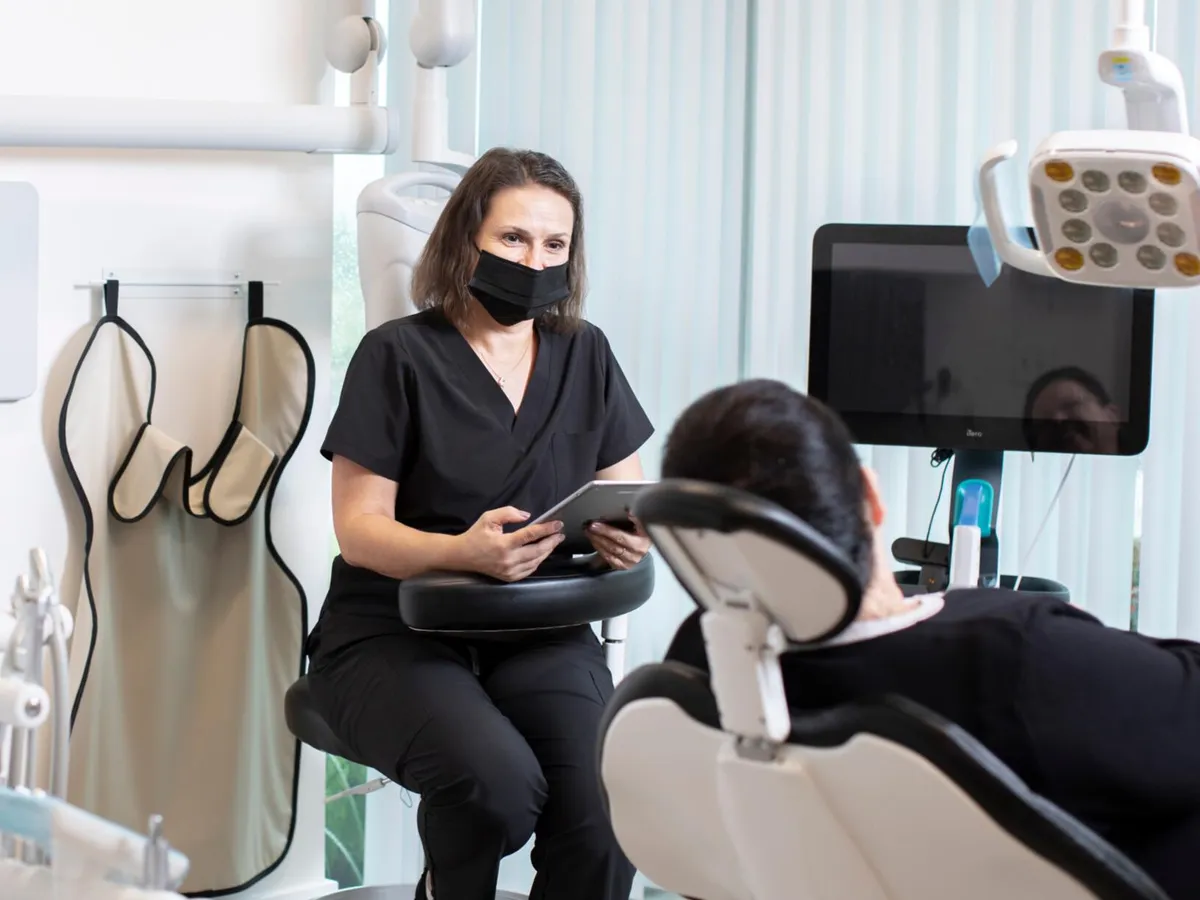
The care team reviews your health history, examines your oral condition, discusses your goals, and considers how your current dentures fit and function. Imaging or other records may be used when clinically appropriate to evaluate your mouth and plan treatment. Bone and other clinical considerations are assessed individually; they don’t automatically lead to the same outcome for every patient.
Implant candidacy and treatment timing are determined through an individual clinical evaluation. That assessment helps the clinician explain which pathways may be appropriate and what additional evaluation or care your case could involve.
How do treatment, recovery, and long-term care fit together?
The broad progression may include planning, surgical placement of implant posts, and attachment of a prosthesis according to the treatment plan. In some cases, a restoration may be placed on the same day as implant surgery, but same-day treatment isn’t appropriate for everyone. Timing depends on the individual case and the planned restoration.
Recovery experiences vary. Your treating team will give you instructions specific to your procedure, including guidance for healing and care at home. Follow those directions rather than relying on a general timeline, and raise questions or concerns with the team guiding your treatment.
Care continues after the restoration is placed. Follow-up visits let the dental team monitor your treatment, while daily hygiene and professional maintenance help support the health of your mouth and implant-supported teeth. The exact home-care routine can differ between fixed teeth and removable implant-supported dentures, so make sure your plan explains how to clean and maintain your restoration.
Understanding each stage can make a major decision feel more manageable. Explore your dental implant options with Fusion Dental Implants and learn how an individual assessment can guide treatment planning.
Explore Denture Replacement Options With Fusion Dental Implants
Replacing dentures isn’t a one-size-fits-all decision. Fusion Dental Implants offers several implant-supported pathways, including All-on-4 and other full-arch dental implants, snap-in dentures, and implant-supported dentures. These options support different preferences: some patients want fixed teeth, while others prefer a removable restoration retained by implants.
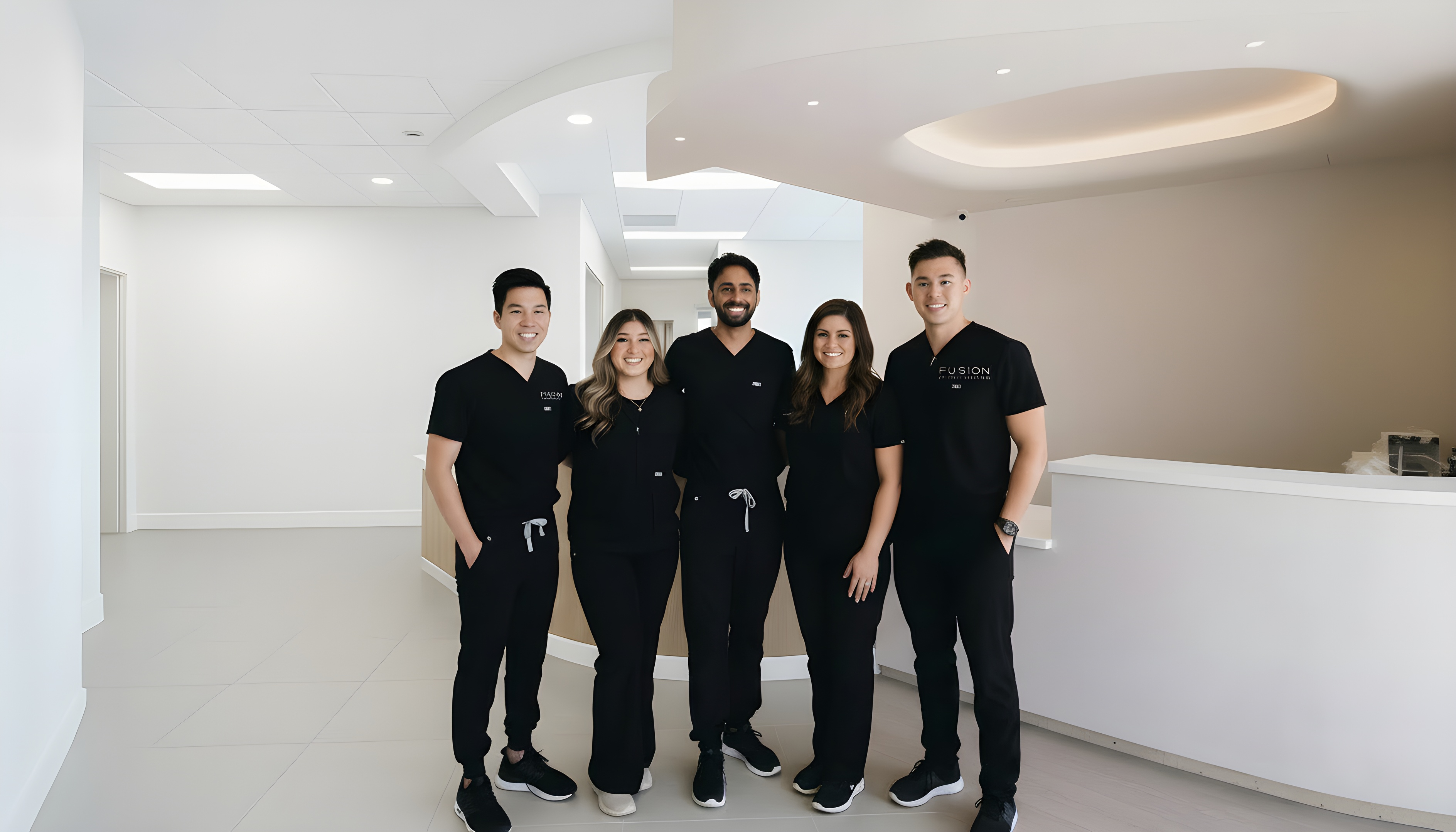
A personal assessment helps connect those choices to your oral health, anatomy, and goals. Fusion’s board-certified surgeons can discuss the surgical and restorative stages, what each option involves, and how the recommended plan relates to your priorities. Same-day implant procedures are available for appropriate treatment plans, but timing depends on the individual case and isn’t guaranteed.
How does Fusion help patients plan denture replacement?
Planning begins with your circumstances, not an assumption that one option suits everyone. Your care team can discuss whether a fixed full-arch approach or a removable implant-supported denture may be appropriate, along with questions about stability, daily cleaning, recovery, and ongoing maintenance. Clear guidance helps you understand the steps involved and make informed decisions.
Treatment planning also includes practical considerations. Flexible financing options and a price-match guarantee are available. Their terms and how they apply to your treatment can be discussed as part of planning, so review the details for your case.
What is a practical next step for Northern California patients?
If you’re considering how to get rid of dentures forever, bring your questions to an assessment. Ask how removable and fixed options differ, what recovery may involve, how to care for the restoration, and what financing considerations to understand. These questions can make the conversation specific to the routines and outcomes that matter to you.
Fusion Dental Implants serves patients in Roseville, El Dorado Hills, Sacramento, Rocklin, Loomis, Lincoln, and Elk Grove. Whether you’re exploring snap-in dentures or fixed full-arch teeth, an assessment can help clarify the options and next steps for your individual treatment journey.
Discuss your denture replacement options with Fusion and take a considered first step toward a treatment plan tailored to your needs.
Take the Next Step Toward a More Secure Smile
Exploring how to get rid of dentures forever starts with understanding what “forever” can realistically mean. Implant-supported teeth may reduce reliance on conventional removable dentures, but they still require ongoing care. The key choice is whether a fixed full-arch restoration or a removable implant-supported denture better fits your health, goals, and everyday preferences.
A personalized assessment helps clarify your options and what treatment may involve. Fusion Dental Implants’ board-certified surgeons provide implant care, and same-day procedures are available for appropriate treatment plans. Flexible financing options and a price-match guarantee can also be part of treatment planning; specific terms depend on the applicable arrangements.
You don’t have to make every decision at once. Start by discussing your priorities, questions, and concerns with a care team that can help you understand the path ahead. Schedule a consultation to explore your denture replacement options and take a confident first step toward a solution tailored to you.
Planning your next step
For implant benefits, risks, and follow-up, review the FDA dental implant guidance and the American Dental Association’s patient implant overview. These explain why individual assessment and ongoing care matter.
Understanding the advertised starting price
Fusion advertises single-tooth implants from $1,850 and full-arch treatment from $17,999 per arch. These are starting offers, not a personalized reconstruction quote or a price for both arches. Ask what your written plan includes and which additional procedures may change the total. Financing is available from $73/month for single-tooth treatment and $299/month for full-arch treatment, subject to approval and applicable terms. Review financing details and the price-match guarantee; confirm eligibility, total repayment, and exclusions before committing.
Fusion’s offices are in Roseville and El Dorado Hills. Use Find a Center to plan travel, and review the care team before your visit.
Request a free consultation to discuss a plan based on your examination.
Why patients choose Fusion: In-House Dental Lab | Same-Day New Teeth for Eligible Patients | Transparent All-Inclusive Pricing | Lifetime Full-Arch Warranty (terms apply) | Price Match Guarantee (terms apply)
This article is for general patient education and is not a substitute for personalized medical advice, diagnosis, or treatment. Every patient’s oral health, anatomy, and healing response are different. Consult your dental professional before making treatment decisions.
About Fusion Dental Implants: We specialize in advanced dental implant solutions with offices in Roseville and El Dorado Hills, California.
Related reading
- denture alternatives that work permanent smile restoration
- permanent dentures fixed vs snap in solutions
Frequently Asked Questions
Can dental implants get rid of dentures forever?
Dental implants may let you replace conventional removable dentures with fixed teeth or dentures retained by implants, but they can’t promise a restoration that lasts forever or eliminates dental care. Implant-supported teeth need daily hygiene, professional follow-up, and maintenance. If you’re asking how to get rid of dentures forever, think of it as exploring alternatives to traditional dentures. An individual assessment can help clarify which options may fit your health and goals.
Can I replace my dentures with fixed teeth?
Possibly. Fixed full-arch teeth attach to implants and aren’t removed by the patient for daily cleaning. Whether this approach may suit you depends on your oral health, anatomy, goals, and clinical assessment. All-on-4 is one full-arch treatment approach, but it isn’t the right plan for every person. A consultation can help you understand the steps, care needs, and alternatives relevant to your situation.
What is the difference between implant-supported dentures and fixed teeth?
Implant-supported dentures are removable: you take them out for cleaning, while implants help retain them during wear. Fixed teeth attach to implants and stay in place; you clean them without removing the restoration yourself. Both options require ongoing oral hygiene and professional care. The main practical difference is removability, so consider which cleaning routine and day-to-day approach you prefer when discussing treatment.
Am I too old to replace dentures with dental implants?
Age alone doesn’t determine whether dental implants are appropriate. Your overall health, oral condition, anatomy, and treatment goals all matter, and a clinician needs to assess them individually. If you’re considering treatment in Sacramento or nearby communities, an assessment can help explain potential pathways and any case-specific considerations. The care team can also discuss recovery and ongoing maintenance so you can weigh the commitment alongside your preferences.
Can I get dental implants if I have worn dentures for years?
Wearing dentures for years doesn’t automatically rule out exploring implant treatment. A clinician will assess your oral health and jaw anatomy, along with your existing dentures and goals, before discussing options. Imaging or other records may help inform the plan when clinically appropriate. The assessment is important because individual needs differ; it can clarify whether fixed full-arch teeth or removable implant-supported dentures may be suitable pathways for you.
How long does it take to replace dentures with dental implants?
There isn’t one timeline that applies to every treatment plan. Assessment, any needed planning, implant placement, restoration, and follow-up all shape the process. Same-day dental implant procedures are available for appropriate treatment plans, but that doesn’t mean every patient receives their final restoration on the day of surgery. Your clinician can explain the expected sequence and timing based on your case and planned treatment.
Do implant-supported dentures need to be removed for cleaning?
Yes. Implant-supported removable dentures are taken out for cleaning, unlike fixed full-arch teeth, which patients don’t remove themselves. You’ll also need to care for your mouth and implant components according to your dental team’s instructions. Fusion Dental Implants serves Roseville, El Dorado Hills, Sacramento, Rocklin, Loomis, Lincoln, and Elk Grove, where an assessment can help you compare removable and fixed options.
Do fixed implant teeth need future repairs?
They can. Fixed teeth are not removed by patients, but their materials and connecting components can wear or need repair. Ask about cleaning access, professional maintenance, repair costs, and written warranty terms before deciding.
Ready to Transform Your Smile?
Schedule your free consultation today and discover how dental implants can change your life.