Dental Implants for Failing Teeth in Roseville: Start With What Can Be Saved
Dental implants may replace teeth that cannot be predictably restored, but a painful, loose, or damaged tooth does not automatically need extraction. A consultation should first establish what can be saved, what has a poor outlook, and how each option affects your health, budget, and daily life.
On this page
Understand what is causing the problem
Deep decay, fractures, gum disease, and repeated restoration failure can have different treatments. A tooth that needs a crown is not the same as a tooth with an unrestorable root fracture. A periodontal problem may require a gum-health assessment before decisions about implants.
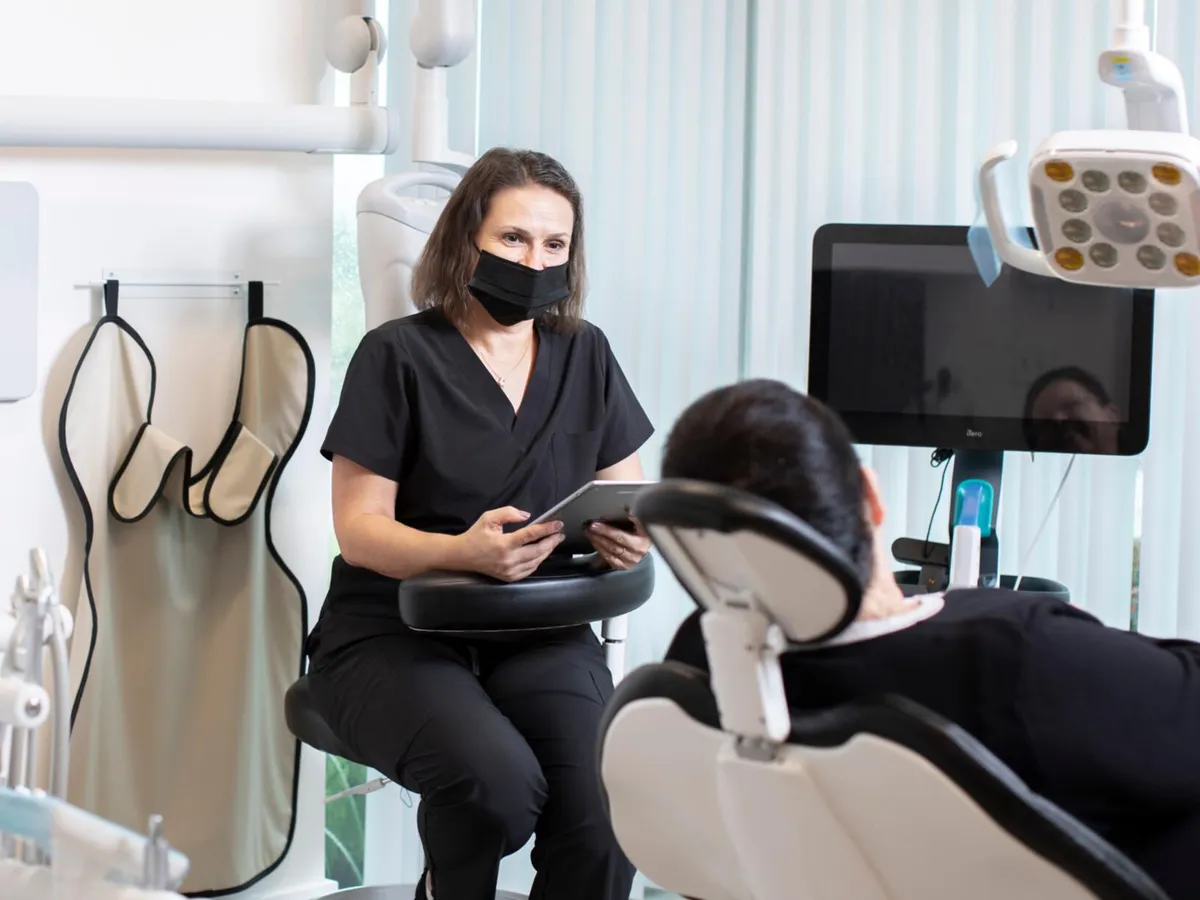
Ask the clinician to show you the findings and explain the prognosis of each tooth. In some cases, a root canal and restoration may preserve a tooth. In others, removal may be appropriate. A second opinion can help when the plan involves several extractions or a full arch.
Seek prompt care for swelling, fever, or severe pain. Breathing or swallowing difficulty is a medical emergency. Do not delay infection assessment while shopping for an implant package.
Match the replacement to the number of teeth involved
| Situation | Options to discuss | Planning question |
|---|---|---|
| One compromised tooth | Restoration, implant crown, bridge, partial | Can the tooth be predictably saved? |
| Several adjacent teeth | Individual implants, implant bridge, partial denture | Which teeth need replacement and how will they be supported? |
| Many failing teeth | Staged care, removable dentures, implant-supported options | Is full-arch treatment justified rather than saving selected teeth? |
| Poor bone support | Disease management, grafting, selected alternative approaches | What does the imaging show at each planned site? |
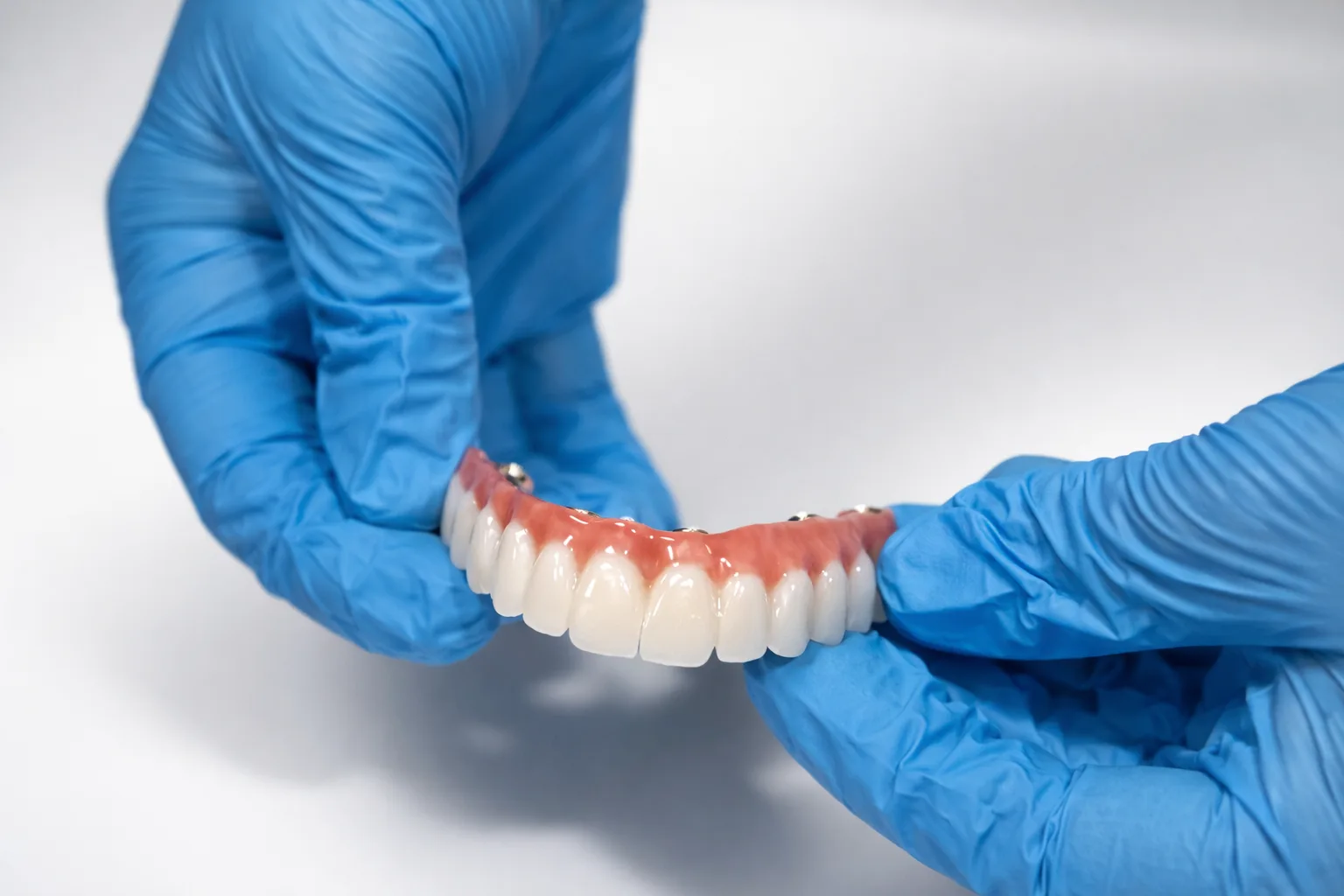
An implant is a support for a crown, bridge, or denture—not a single identical product for every patient. Read the FDA explanation of benefits and risks and our general implant guide before comparing offers.
What to expect at a Roseville consultation
The path at a glance: History and examination → Imaging when indicated → Tooth-by-tooth options → Written plan → Treatment, healing, and follow-up.
Bring your medication list, relevant medical history, recent dental records, and questions about anxiety or sedation. Discuss tobacco use and conditions that could affect healing. Ask whether additional specialist care is needed and who coordinates it.
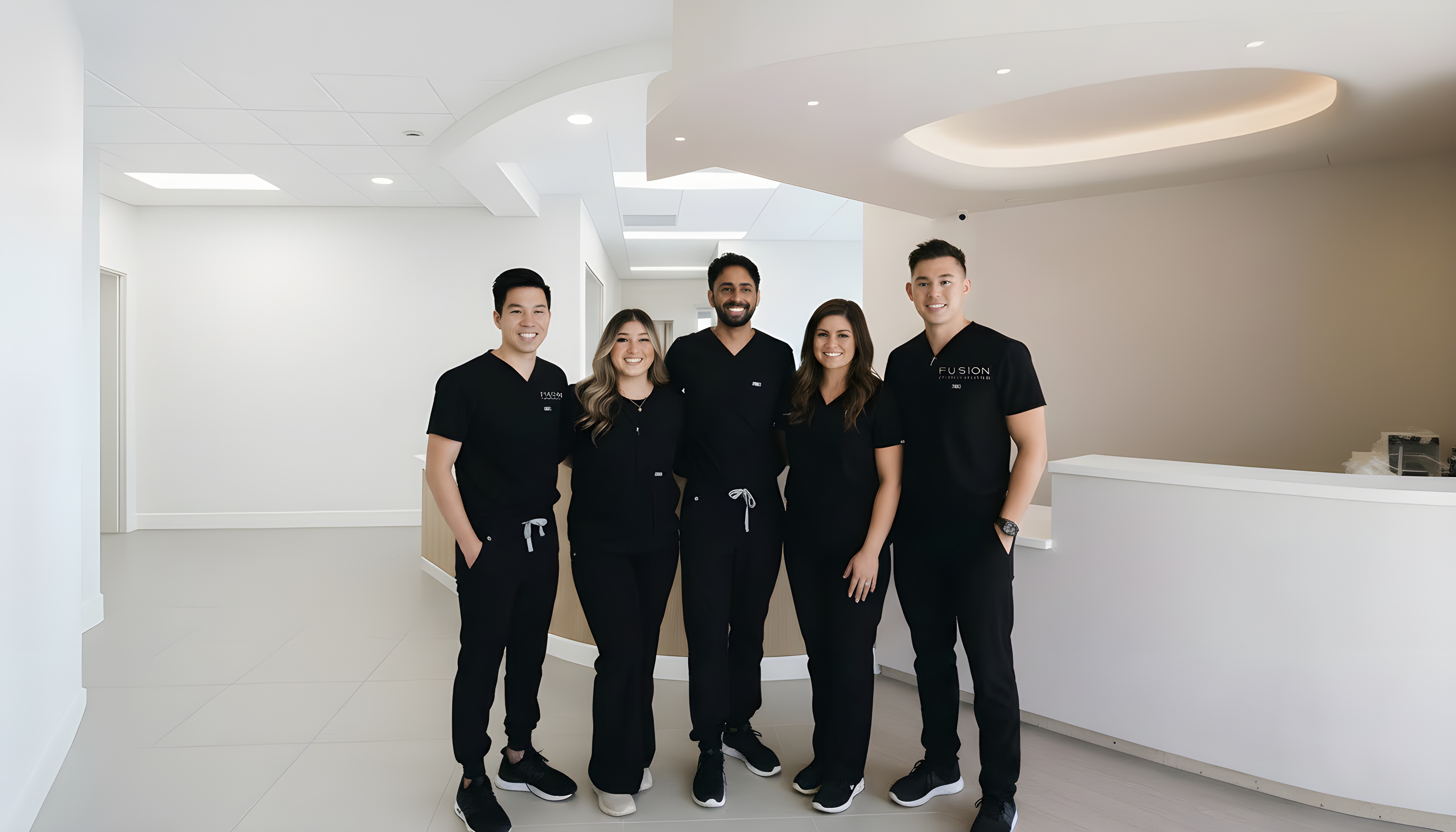
Our Roseville office serves people from nearby communities, but treatment planning remains individual. Travel time matters because implant care involves follow-up, not just surgery. Ask which visits occur in Roseville, whether a temporary tooth is included, and who to contact after treatment. Our other office is in El Dorado Hills; nearby cities are service areas, not additional Fusion offices.
Compare costs and timelines without rushing
A quote should separate tooth-saving treatment, extractions, implant components, temporary and final teeth, possible grafting, and follow-up. Financing does not change whether a treatment is medically appropriate. Review total repayment and eligibility in our financing information.
Same-day temporary teeth are possible for selected patients, not a guarantee for everyone. Bone healing continues after surgery. Ask about time off work, food restrictions, transportation after sedation, and what would change the schedule. The ADA implant overview is a useful starting point for those questions.
You should leave knowing the alternatives, the expected limitations, and the next step—not feeling that every damaged tooth must be replaced immediately.
Frequently Asked Questions
Does a loose tooth always need an implant?
No. The cause and severity of looseness must be evaluated. Some teeth can be treated; others may not have a predictable long-term outlook.
Can a root canal save a failing tooth?
It can help when the pulp is damaged and the tooth is otherwise restorable. A fracture or severe loss of support may change the recommendation.
Do all failing teeth need to be removed together?
Not necessarily. Ask for a tooth-by-tooth explanation and whether staged care or preserving selected teeth is reasonable.
Can I get temporary teeth on surgery day?
Some patients can, depending on stability and the plan. Confirm the type of temporary restoration and its chewing restrictions.
What if I have bone loss?
Imaging helps determine whether grafting or another approach is suitable. Bone loss alone does not establish the treatment without an assessment.
Should I get a second opinion?
A second opinion can be helpful before irreversible treatment, particularly when multiple teeth or an entire arch would be removed.
Does insurance pay for implants?
Benefits vary. Ask about covered components, exclusions, annual limits, and your estimated out-of-pocket amount.
Where are Fusion appointments available?
Fusion has offices in Roseville and El Dorado Hills. Confirm the office, appointment availability, and follow-up location when booking.
Talk with Fusion about your next step
Bring your questions to our general dentistry team or explore our implant services. We see patients at our Roseville and El Dorado Hills offices. Review our providers, payment options, and first-visit information before your appointment.
Why patients choose Fusion: Care in two local offices | An individualized treatment plan | Clear discussion of options and follow-up
Request an appointment. For urgent symptoms, call (916) 292-9998 rather than waiting for an online reply. Appointment availability must be confirmed; we do not advertise 24-hour emergency coverage.
About Fusion Dental Implants: Dental implant and general dental care in Roseville and El Dorado Hills, California.
Related reading
Ready to Transform Your Smile?
Schedule your free consultation today and discover how dental implants can change your life.