Dental Implant Pain in Week 2: What Should Be Improving?
By the second week after dental implant surgery, discomfort should generally be improving. Mild tenderness may remain, especially after more extensive treatment, but increasing pain, new swelling, drainage, fever, or a loose-feeling implant needs prompt advice from the treating team. A calendar alone cannot tell you whether healing is normal.
On this page
Watch the trend rather than a pain score alone
Recovery varies with the number of implants, extractions, grafting, medical history, and the procedure performed. Compare today with several days ago: is chewing easier, swelling settling, and sleep less interrupted? Improvement matters more than matching someone else's recovery story.
Tenderness around healing gum tissue is different from new deep pain or pain that returns after improving. Describe the location, triggers, and trend when you call. The FDA implant guide advises contacting a provider promptly about pain or a loose-feeling implant. Do not test stability by pushing or wiggling it.
Symptoms that change the next step
| What you notice | Reason to pay attention | What to do |
|---|---|---|
| Mild, easing tenderness | May occur during recovery | Follow instructions and keep the planned review |
| Pain increasing or returning | Needs assessment rather than reassurance online | Contact the surgical team promptly |
| Pus, fever, or increasing swelling | Possible infection or other complication | Request urgent dental assessment |
| Loose restoration or changed bite | Mechanical problems can stress healing tissues | Avoid chewing there and call the team |
| Breathing or swallowing difficulty | Possible medical emergency | Call 911 or seek emergency medical care |
New or persistent numbness also deserves a call. A temporary tooth that feels high may be stressing the area, but only an examination can distinguish a bite issue from a surgical complication. Our implant infection guide explains why symptoms should not be ignored.
Food, cleaning, and medicines in the second week
Keep following your own post-operative instructions. Feeling better does not prove the implant can handle normal biting forces. Continue the recommended food texture and avoid pressure on the surgical site until your clinician clears it. Our soft-food guide offers meal ideas, not permission to change surgical restrictions.
Clean as directed using the recommended technique. Do not pick at sutures, probe the wound, or introduce strong rinses without advice. Avoid tobacco and discuss cessation support if needed. Do not start leftover antibiotics or increase a medication dose on your own. Ask a pharmacist or your clinician about safe pain relief considering your other medicines and health conditions.
Make your follow-up useful
The path at a glance: Record the symptom trend → Contact the treating team → Review the site and bite → Follow the revised care plan.
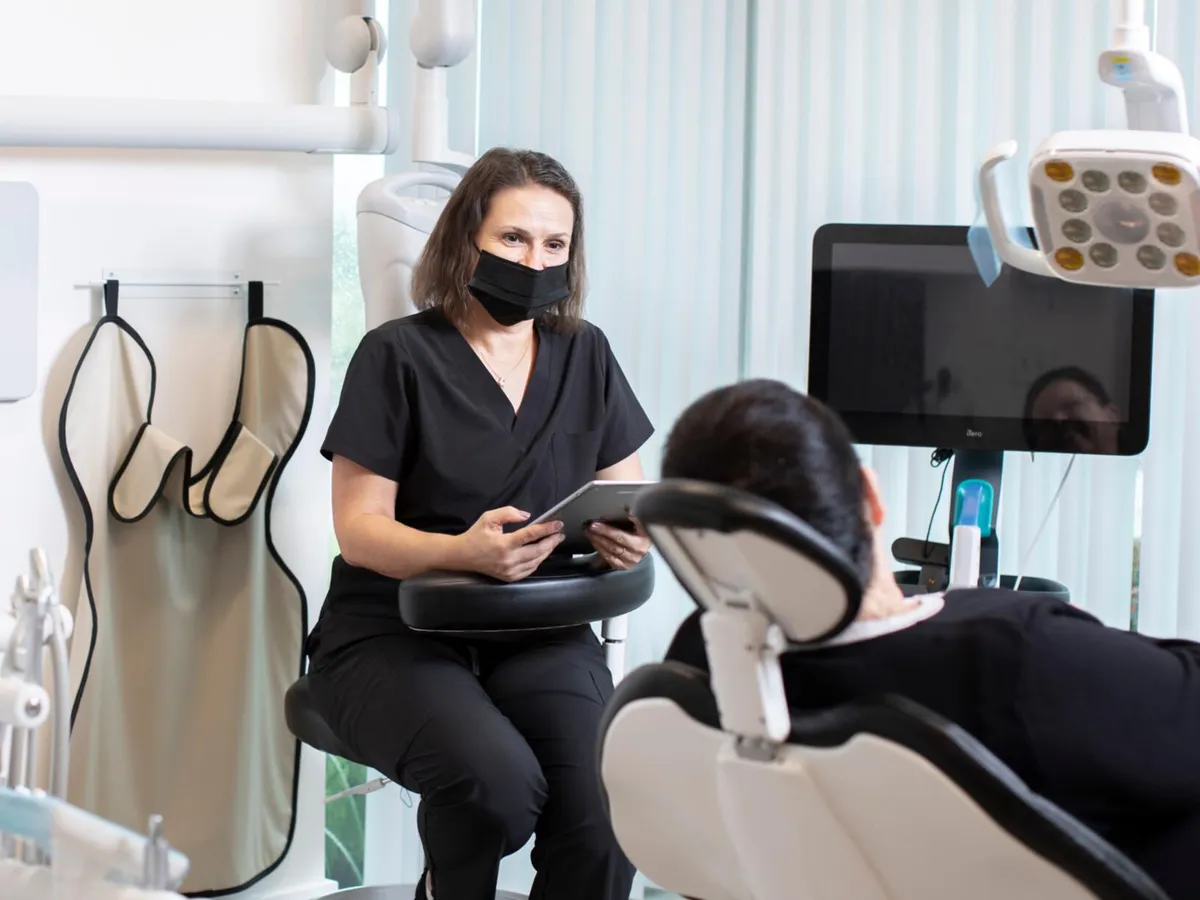
Have your surgery date, procedure details, medicines, and any temperature readings available. Explain whether you have drainage, a new taste, or difficulty opening your mouth. A photo may help the team triage, but it cannot show bone healing or replace an exam.
The clinician may assess the gums, sutures, bite, temporary restoration, and imaging when indicated. Not every symptom means implant failure. Equally, discomfort should not be dismissed just because two weeks sounds early. The ADA overview of implant care emphasizes professional planning and follow-up. If your surgeon is unavailable and symptoms are worsening, seek another urgent dental service rather than waiting for a routine booking.
Frequently Asked Questions
Is soreness at two weeks always abnormal?
No. Mild tenderness may remain, but symptoms should generally be improving. Your procedure and examination determine what is expected.
What if the pain suddenly gets worse?
Contact the treating team promptly, especially if pain returned after improving or comes with swelling, fever, or drainage.
Does pain mean the implant failed?
Not necessarily. Gum irritation, bite problems, infection, and other causes can produce pain. An examination is needed.
Should I wiggle the implant to check it?
No. Avoid testing it or chewing on it. Report any loose feeling to the treating clinician.
Can I eat normally in week two?
Only if your clinician has cleared you. Implant stability and any grafting or temporary teeth can require continued restrictions.
Should I take leftover antibiotics?
No. Contact the treating team rather than starting leftover antibiotics or changing prescribed treatment yourself.
When should I go to the emergency room?
Seek emergency medical care for difficulty breathing or swallowing, rapidly spreading swelling, or uncontrolled bleeding.
What information should I give the dentist?
Share the surgery date, symptom location and trend, medicines, swelling, fever, drainage, numbness, and any change in the bite.
Talk with Fusion about your next step
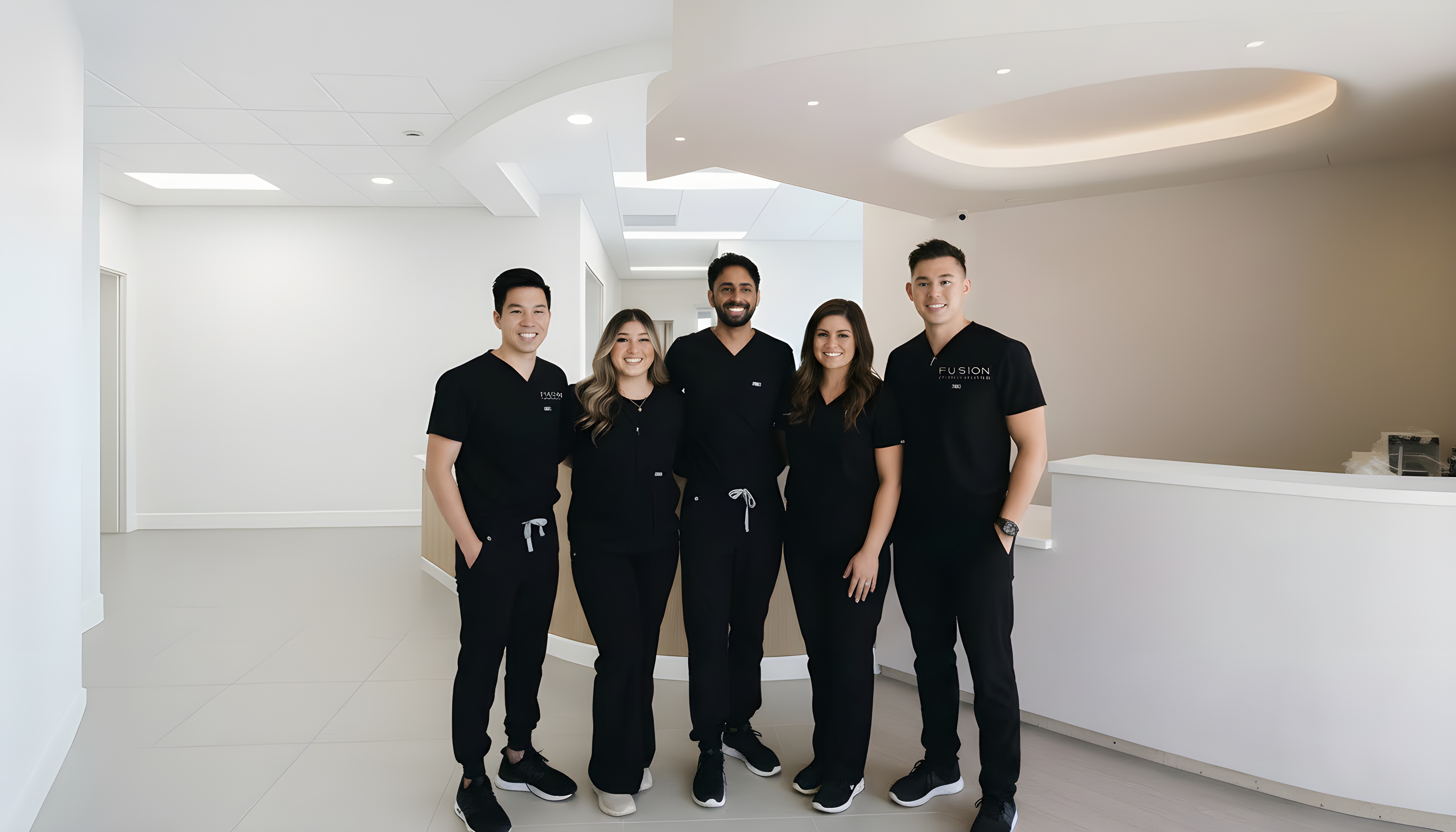
Bring your questions to our general dentistry team or explore our implant services. We see patients at our Roseville and El Dorado Hills offices. Review our providers, payment options, and first-visit information before your appointment.
Why patients choose Fusion: Care in two local offices | An individualized treatment plan | Clear discussion of options and follow-up
Request an appointment. For urgent symptoms, call (916) 292-9998 rather than waiting for an online reply. Appointment availability must be confirmed; we do not advertise 24-hour emergency coverage.
About Fusion Dental Implants: Dental implant and general dental care in Roseville and El Dorado Hills, California.
Related reading
Ready to Transform Your Smile?
Schedule your free consultation today and discover how dental implants can change your life.