Finding a Dentist Near You for Implants and Dentures: A Practical Checklist
If you are searching for a “dentist that does implants and dentures near me,” start by confirming the real office address, the specific treatments offered, and who provides each stage of care. A nearby search listing does not establish whether removable dentures, implant-supported dentures, or fixed implant teeth fit your oral health. The useful result of a consultation is an individualized comparison and written plan—not a pressured same-day decision.
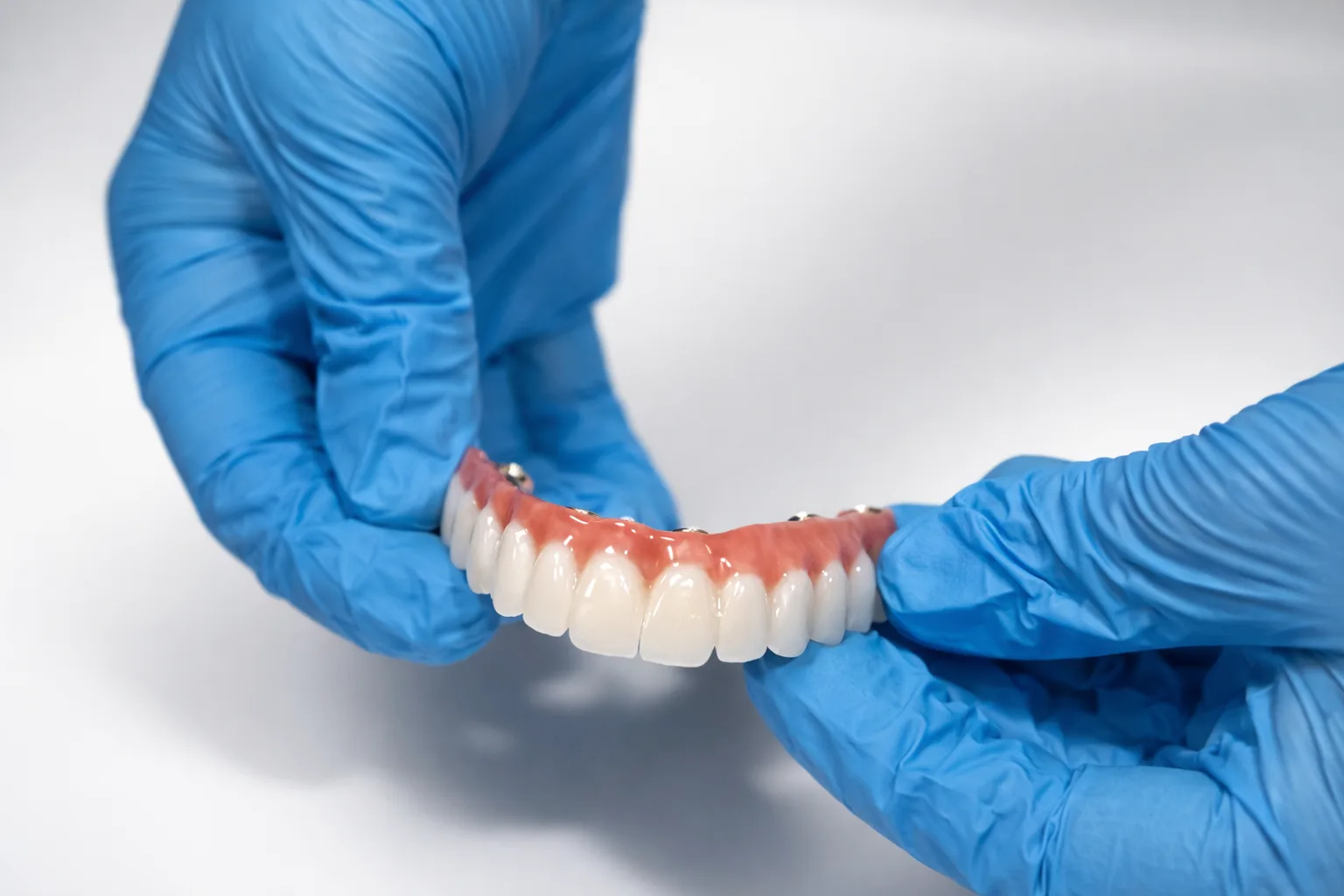
Implants are posts placed in the jaw that can support replacement teeth. A conventional denture is generally removable and rests on oral tissues; a snap-in denture attaches to implants but can still be removed by the patient. A fixed implant bridge is designed to remain in place during daily use. The FDA's implant information discusses implant benefits, risks, and follow-up; the ADA's dentures overview explains the removable alternative. None of these categories is best for everyone.
Turn a “near me” search into a reliable shortlist
Directory listings can be outdated or describe an entire practice rather than the services at the particular office you would visit. Check the practice website for an address and service pages, then call to confirm both. Ask whether the practice evaluates conventional dentures, removable implant-supported dentures, single implants, and fixed full-arch treatment, or only some of these. “We do implants” does not specify what happens to the replacement teeth after surgery.
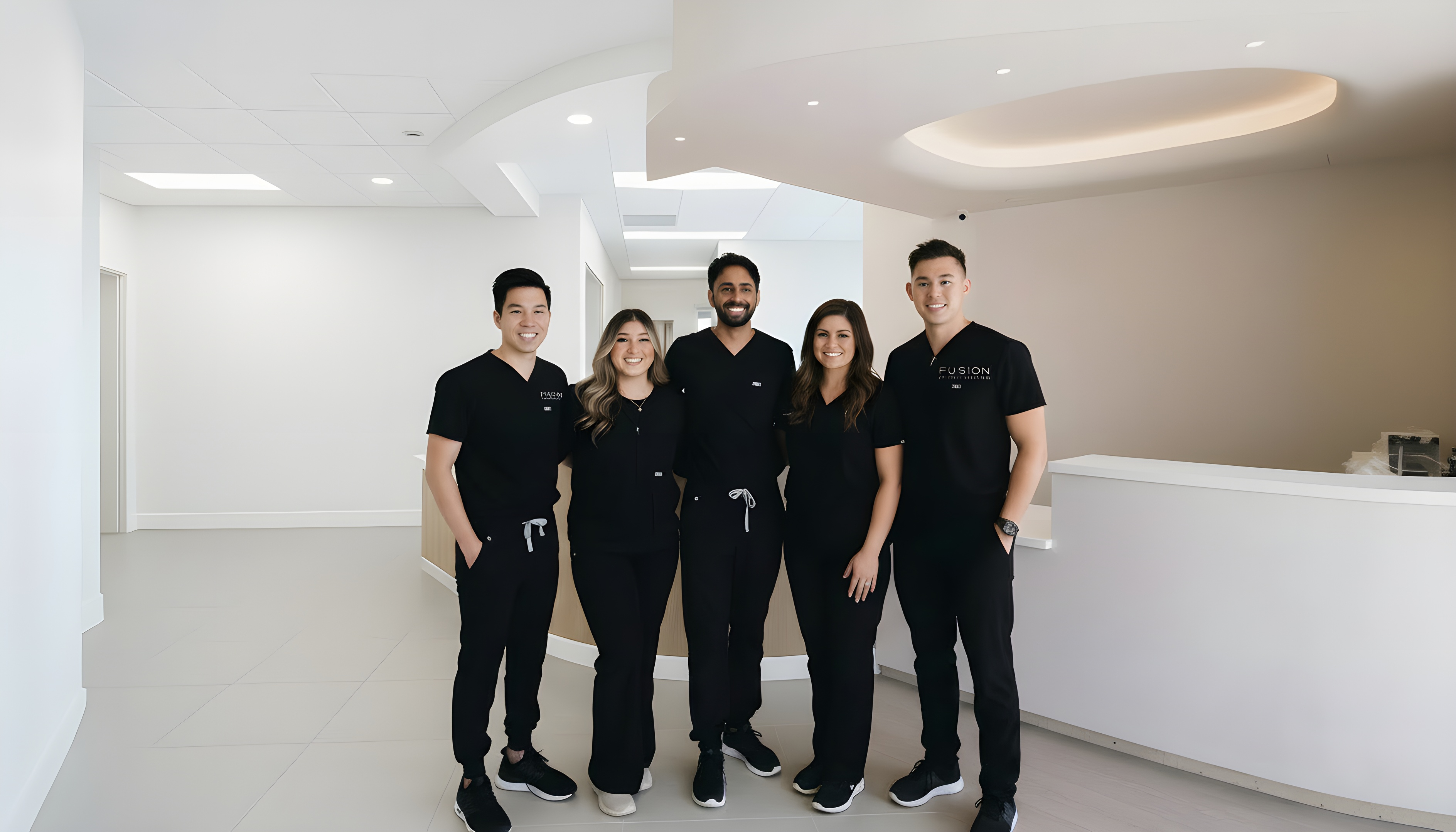
Ask where consultations, surgery, denture fitting, adjustments, and follow-up visits occur. If you are in Sacramento, Rocklin, or Elk Grove, do not assume that a practice serving your city has an office there. Fusion Dental Implants has offices in Roseville and El Dorado Hills; those other communities are service areas. Confirm the actual address for your appointment rather than estimating a drive from a search result.
Reviews can help identify questions about communication, scheduling, and aftercare, but they cannot confirm clinical suitability or credentials. Read them in context: Does the account describe a relevant treatment, a current location, and the kind of follow-up you value? A high rating cannot replace an explanation of your own diagnosis or alternatives.
Keep a simple shortlist with the confirmed office address, treatments you can ask about there, clinician roles, and whether the practice provides continuing adjustments or maintenance. Do not rule out a provider because you cannot find a particular marketing phrase; ask what services are actually available.
Verify the team, not just a label
Implant placement and designing a denture or fixed bridge are different tasks. One clinician may do both, or a coordinated team may divide the work. Ask who will examine you, plan and place implants, design the replacement, make adjustments, and handle long-term care. If another practice or lab is involved, ask how information is shared and whom you contact if there is a problem.
Ask clinicians about relevant training and experience for the specific treatment being recommended. For advertised board certification, request the clinician's name, certifying organization, and the discipline covered; verify the credential if it matters to your decision. A credential is useful context, not a promise of superiority or a guarantee of an outcome. A clear provider should also explain which parts of your case require further assessment or a referral.
Find out who takes responsibility if a denture does not fit as expected, a component loosens, or healing changes the plan. Clarify the follow-up schedule and whether maintenance involves a separate fee. If a treatment is described as “same day,” ask which stage is same day: evaluation, surgery, a temporary tooth, or the definitive prosthesis. The FDA guide linked above is a helpful starting point for discussing the implant side of care.
Compare dentures, implant-supported dentures, and fixed teeth
The way the teeth are held in place affects the procedure, cleaning, repairs, and day-to-day experience. Some “implant-supported dentures” are removable by the patient; others are fixed by the clinician. Make the provider name and describe the exact design instead of relying on broad labels. If you have remaining teeth, a partial denture or tooth-supported bridge may also belong in the discussion.
| Consideration | Conventional removable denture | Removable implant-supported denture | Fixed full-arch implant bridge | Single implant and crown |
|---|---|---|---|---|
| Scope and support | Several or all teeth; mainly supported by tissues | Several or all teeth; retained or supported by implants | Complete arch supported by implants | One tooth supported by its own implant |
| Who removes it | Patient removes it for cleaning | Patient removes it for cleaning | Normally clinician removes it when needed | Crown generally stays in place |
| Surgery | Does not require implant placement | Implant placement is part of the plan | Implant placement is part of the plan | Implant placement is part of the plan |
| Daily care | Clean appliance and oral tissues | Clean appliance, attachments, and tissues | Clean around and under bridge as instructed | Clean crown and surrounding gumline |
| Maintenance issue to ask about | Fit changes and adjustments | Attachment wear, fit, and follow-up | Cleaning access, prosthetic repairs, and reviews | Crown or implant-site follow-up |
| Main planning consideration | Tissue support and fit | Implant candidacy plus removable design | Anatomy, bite, cleaning access, and staged restoration | Bone, neighboring teeth, and bite |
This table is a conversation aid, not a ranking. For example, someone who prefers to remove an appliance for cleaning may appreciate a snap-in design, while another person may prioritize a fixed option. Both implant designs require suitable anatomy, treatment planning, and maintenance. A conventional denture avoids implant surgery but may need adjustments as oral tissues change. See implant-supported versus traditional dentures and permanent dentures: fixed versus snap-in for deeper comparisons.
Do not assume every “snap-in” denture uses the same attachment or number of implants. Ask to see how the proposed design works, what you must remove at home, and what the practice removes for professional cleaning. If you already wear dentures, describe where they rub, move, or make cleaning difficult. Those details are more useful than asking for a particular branded procedure without an examination.
Make the consultation useful before you commit
The path at a glance: Confirm office and services → share goals and history → examination and imaging when indicated → compare options → review a written plan, fees, and follow-up.
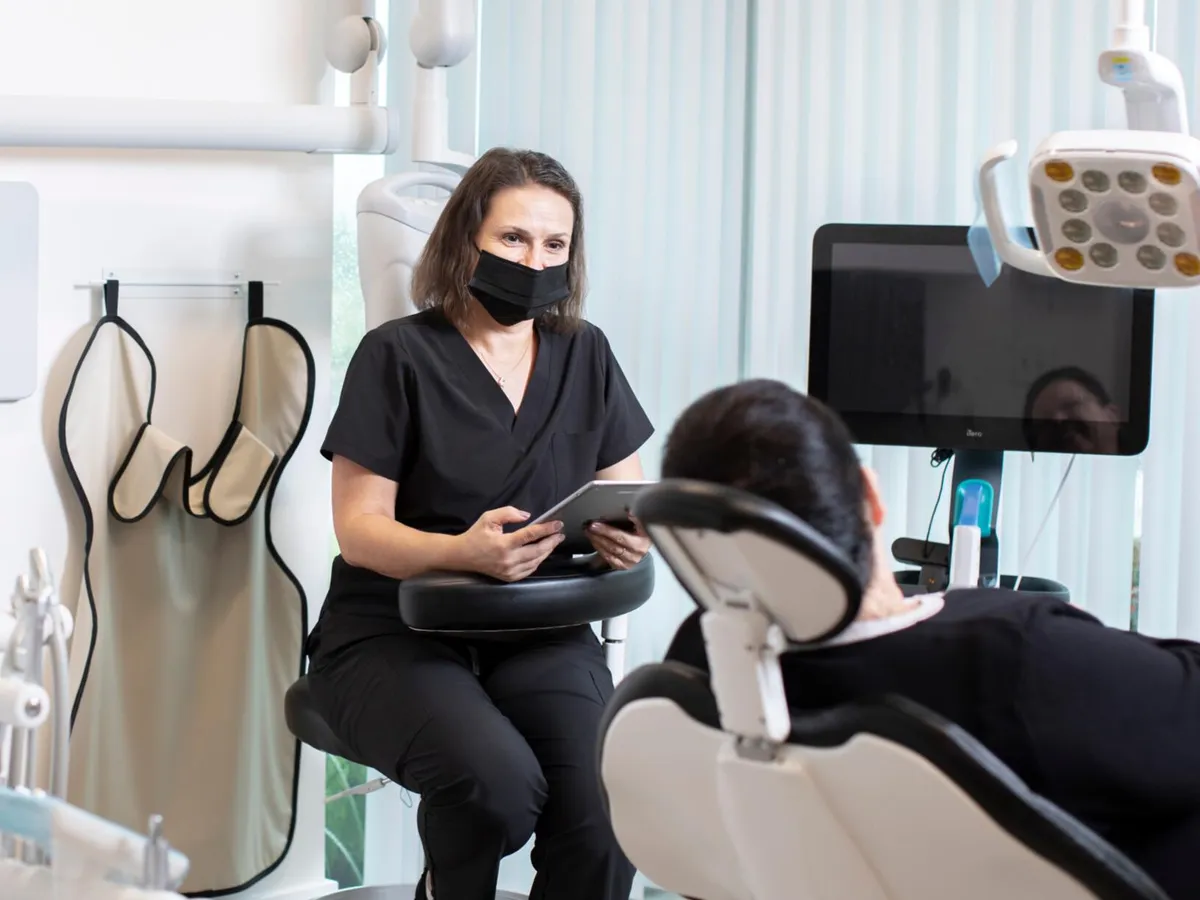
A clinician may review your remaining teeth, gums, jaw, bite, existing appliances, and general health. Mention medications, conditions that could affect healing, previous extractions or implant work, and what matters most to you. NIDCR's gum disease guide explains why gum health is part of this conversation. Examination and imaging, when indicated, provide information an online questionnaire cannot.
Bring these questions:
- What did the examination show, and which problems is the treatment meant to address?
- Could I keep or restore any remaining teeth, and what non-implant options are reasonable?
- Is your proposed denture removable by me, or is the bridge fixed? How do I clean it?
- Who handles surgery, the prosthesis, adjustments, and follow-up?
- If temporary teeth are proposed, how do they differ from the final teeth?
- What could change the plan after surgery or during healing?
- What symptoms should prompt a call, and who answers questions between visits?
- Which office provides each appointment?
Ask to take the plan home. It should connect the recommendation to your findings, name alternatives, describe the stages and risks, and identify the final restoration. If you have a complex case or failed prior dental work, ask how that history changes the evaluation. Our guide to reconstruction after failed dental work provides further context.
Compare complete costs and aftercare
An advertised starting price is not enough to compare two practices. Fusion lists single implants from $1,850 and full-arch treatment from $17,999 per arch. Each refers to a different treatment scope. The complete estimate varies with the restoration, preparatory treatment if necessary, and included services. Ask whether the written total includes surgery, attachments, the denture or bridge, temporary teeth, planned visits, and expected adjustments where applicable.
If you have dental insurance, ask for procedure details and verify coverage, exclusions, and annual limits with your insurer. Financing through Fusion is advertised from $73/month for a single tooth or from $299/month for a full arch, subject to approval and terms. A monthly amount does not tell you total repayment. Read the financing explanation and ask for actual written terms; review any price-match guarantee conditions rather than assuming all estimates qualify.
Discuss long-term maintenance as carefully as surgery. Dentures can need fit adjustments; implant attachments or fixed prostheses may require professional service. Ask who will see you if your situation changes and how charges for repair or replacement are handled. The goal is to know what ownership of the restoration involves, not only what the first appointment costs.
What Fusion offers and where to ask
Fusion Dental Implants provides implant-focused options including single-tooth replacement, full-arch treatment, and implant-supported removable choices. A clinician must establish which, if any, are appropriate for you. For people in Roseville and El Dorado Hills, offices are in those communities; for Sacramento, Rocklin, Elk Grove, and nearby areas, contact the practice to confirm the office where you would be seen. See the snap-in denture guide if removability is a priority, or the full-arch options guide if you need extensive replacement.
It is entirely reasonable to compare several providers and request an itemized plan before making a decision. A useful visit gives you a clear explanation of the people involved, choices available, trade-offs, total proposed cost, and follow-up—not just a treatment name.
Frequently Asked Questions
How do I find a dentist near me who offers implants and dentures?
Use search results to build a shortlist, then confirm each office's actual address and available services directly. Ask who handles evaluation, implant placement, denture design, adjustments, and follow-up. A listing alone cannot tell you whether an option suits you.
Can one practice provide both implants and dentures?
Yes, some practices offer both. Different clinicians may handle surgery and fabrication or fitting, so ask who is responsible for each stage and how they coordinate. Confirm the specific services offered at the office you will visit.
Are implant-supported dentures better than regular dentures?
Neither is universally better. Implant support may change retention and daily care, but requires implant surgery and ongoing maintenance. Conventional dentures avoid implant surgery and have their own fit and cleaning considerations. An examination helps compare your options.
What qualifications should I check for implant and denture care?
Ask for the names and roles of your treating clinicians, their relevant training and experience, and the exact meaning of any advertised credential. Confirm credentials directly where possible, and ask how the team handles complications and follow-up.
Will dental insurance cover implants or dentures?
Coverage depends on your policy, the proposed procedures, exclusions, and benefit limits. Request an itemized plan from the practice and verify the applicable benefits and your estimated responsibility with your insurer before deciding.
Can I receive implants and dentures on the same day?
Some selected cases may allow an implant procedure and a temporary restoration on the same day, but a final restoration often follows later. Your clinician must evaluate whether the proposed sequence is appropriate; a same-day advertisement is not an individual guarantee.
What should I bring to an implant and denture consultation?
Bring your medical and dental history, medication list, information about existing dentures, available dental records, insurance details if applicable, and a written list of goals and questions. Ask the office in advance whether prior imaging is needed.
What should a written estimate for implants or dentures include?
It should identify the proposed restoration, stages, included procedures and follow-up, possible additional care, and total estimated cost. Ask what is temporary versus final and request financing terms in writing; eligibility and terms may apply.
To compare your options with a clinician, request a consultation and confirm which Roseville or El Dorado Hills office you should visit.
This article is for general patient education and is not a substitute for personalized medical advice, diagnosis, or treatment. Your dental professional can advise you based on your oral health and medical history.
About Fusion Dental Implants: We provide implant-focused care at offices in Roseville and El Dorado Hills, California.
Ready to Transform Your Smile?
Schedule your free consultation today and discover how dental implants can change your life.