Find a center
Fusion Dental Implants - Same-Day Dental Implant Specialists in Northern California
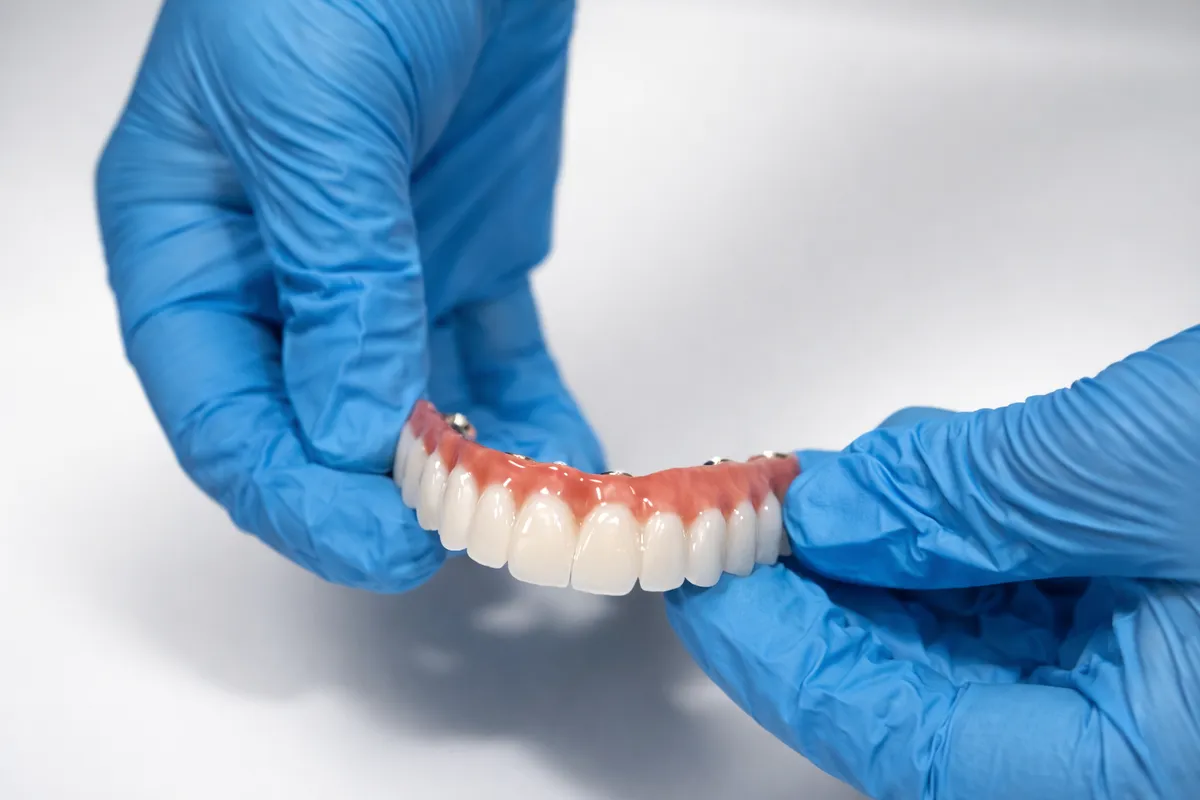
Blue-gloved hands holding a dental prosthesis
Back to Blog
Dental Implants

Full Mouth Reconstruction in California: Options, Planning, and What to Expect

full mouth reconstructionCaliforniafull arch implantsimplant denturesrestorative dentistryRosevilleEl Dorado Hills

Full mouth reconstruction in California is a coordinated plan to address multiple dental problems, not one operation or a required set of implants. Depending on your examination and goals, it may involve preserving restorable teeth, replacing missing teeth, addressing gum concerns, and planning a stable bite. Fixed implants, tooth-supported bridges, removable dentures, and combinations of approaches may all be worth discussing.

“Full mouth” can sound like every tooth must be removed or replaced. That is not what the phrase itself means. A plan should identify which teeth and tissues need treatment, what can be preserved, what restoration will replace anything missing, and why the stages are arranged as proposed. A full-arch implant restoration replaces teeth in an upper or lower arch; it is one possible component of reconstruction, not a synonym for the whole category.

People seek an evaluation for different reasons: several missing teeth, severely damaged teeth, older dental work that is difficult to maintain, or a denture that no longer meets their needs. The appropriate response cannot be determined from a symptom list or marketing before-and-after image. Our guide to failed dental work and reconstruction explores one particular starting point.

Define the problem before choosing a procedure

The first task is to understand what you want to change and what your oral examination shows. Are you having trouble chewing, cleaning around old work, or wearing an existing appliance? Are some teeth comfortable and restorable while others have a poor outlook? Discuss functional priorities, appearance, willingness to remove an appliance for cleaning, and any time or budget constraints.

The clinician may examine teeth, gums, existing crowns and bridges, oral tissues, and how your upper and lower teeth meet. They may recommend dental imaging to understand remaining teeth and bone if implants are being considered. Share medical conditions, medications, previous dental treatment, and any history of gum disease. NIDCR's periodontal disease information helps explain why gums and supporting tissues are part of the assessment.

Ask the clinician to separate findings from recommendations: “Which teeth can reasonably be restored? Which gaps need replacement? What evidence supports removing a tooth? How will my bite and ability to clean the final restoration be considered?” If you are told you need a complete arch of implants, ask whether keeping any teeth or using a different restoration is also feasible. Preserving a tooth is not always the answer, but removal should be explained rather than assumed.

Full mouth reconstruction may span both arches, but a quote for one arch does not cover both by default. Clarify whether the plan addresses upper teeth, lower teeth, or both, and what happens to opposing teeth. A thorough plan links each recommended procedure to a specific clinical concern rather than offering a generic package.

How a staged plan is built

The path at a glance: Goals and history → examination and records → treatment choices and written plan → necessary preparatory care → provisional or definitive restorations → maintenance and follow-up.

Establish priorities and alternatives

For each issue identified, ask what could be done and what happens if you defer that step. A plan for multiple teeth may combine restorative work and extractions with replacement teeth; some people need a different sequence. The role of the clinician is to explain which interventions are appropriate based on findings, and yours is to weigh the practical trade-offs. Ask who will coordinate care if several clinicians participate.

If implant treatment is considered, imaging and examination help assess jaw anatomy and treatment possibilities. The FDA's implant overview explains implant components and possible risks. An implant supports a restoration; the replacement teeth still need to be designed for your bite, appearance, and cleaning access.

Address preparatory care and the temporary phase

The team may recommend treating active dental problems before final restorations. Extraction, grafting, or other preparation is case-dependent rather than automatic. Ask what must heal before the next stage and whether you would wear a provisional restoration meanwhile. Some patients may be considered for a temporary fixed restoration near implant surgery; it is not the same thing as a completed permanent restoration or a promise of immediate treatment for everyone.

If a temporary appliance is part of the plan, ask how it will be supported, when you can wear it, how to clean it, and whether there are eating restrictions. Ask what happens if examination findings or healing require the sequence to change. The guide to temporary teeth after implants describes questions to raise, although your instructions must come from your treating team.

Fit the definitive restoration and plan maintenance

The final teeth should be evaluated for fit, speech, bite, cleaning, and appearance, as applicable to the design. A fixed implant bridge is maintained differently from a snap-in denture or tooth-supported bridge. Ask which components can need adjustments or replacement later, who handles that work, and what visits are recommended. Reconstruction is not over simply because the final teeth have been fitted.

There is no universal treatment calendar. Healing, the number of procedures, and adjustments to the provisional or final restoration vary. Ask for milestones and decision points rather than a guaranteed completion date. If several clinicians are involved, know who updates the plan and whom to call with concerns.

Compare the restorative options

You may encounter “All-on-4,” implant-supported dentures, bridges, and conventional dentures in the same conversation, but they address different needs. All-on-4 refers to one full-arch implant approach; the number and position of implants and the final restoration require individualized planning. A snap-in denture connects to implants and is removed by the patient. A conventional denture generally rests on tissues. The ADA's guide to dentures offers background on removable replacements.

ConsiderationFixed full-arch implant bridgeRemovable implant-supported dentureTooth-supported bridgeConventional denture
What supports itImplants in the jawImplants plus the denture's design and tissuesRemaining teethPrimarily oral tissues
Typical scopeReplaces a full upper or lower archReplaces several or all teeth in an archSpans gaps where suitable support teeth remainReplaces several or all teeth in an arch
Removal for cleaningUsually removed by clinician when neededPatient removes itStays in place; clean beneath replacementPatient removes it
Surgery considerationRequires implant placementRequires implant placementNo implant surgery for tooth-supported versionNo implant surgery
Planning trade-offAnatomy, bite, cleaning access, and staged treatmentAttachment maintenance and removable daily careCondition and preparation of support teethTissue fit and future adjustments
Question to askHow do I clean beneath the bridge and who maintains it?How do attachments work and how often are they checked?How will the supporting teeth be maintained?How will changes in fit be handled?

An implant restoration is not automatically preferable to a bridge; a conventional denture is not inherently inferior. The status of your existing teeth and gums, available bone, health, goals, and willingness to maintain the restoration determine which trade-offs matter. Compare fixed bridges and removable implant dentures or read the implants-versus-dentures overview before choosing between labels.

For example, a person with several healthy teeth may need a different plan from someone who has already lost every tooth in one arch. Someone who values an appliance they can remove for cleaning may prefer a different design from someone who prioritizes fixed teeth. The table cannot account for your clinical findings; use it to ask why one option is recommended and which alternatives remain open.

Candidacy, recovery, and the questions worth asking

No online checklist can decide your candidacy for a particular implant design. Bone volume and position, oral tissues, remaining teeth, bite, health history, medications, and patient goals all matter. Bone loss might lead to a discussion of preparation or another approach rather than a categorical yes or no. Ask which images and examination findings support the proposed plan.

Recovery depends on what was done. A plan that includes extractions or grafting differs from one focused on replacing an old denture. Before treatment, request instructions for oral care, diet, activity, medication questions, and signs that warrant contacting the team. Clarify who monitors healing and when the next treatment decision will be made. Follow your own clinician's instructions rather than a generic day-by-day schedule.

A useful consultation checklist:

  • Which problems does the reconstruction plan address, and which teeth might be preserved?
  • What options do I have if I do not choose implants?
  • Who plans surgery and the final prosthesis, and how is the work coordinated?
  • Which stages require healing and what temporary teeth, if any, would I use?
  • What risks and maintenance tasks come with each restoration?
  • What could change the treatment sequence, cost, or timeline?
  • Which visits will happen at which office, and who answers questions after treatment?

You can ask about clinicians' relevant experience with cases resembling yours and verify specific credentials. Avoid treating a title as proof of a better outcome. A provider should be able to explain limitations and alternatives, not just show finished photographs.

California logistics, estimates, and next steps

Fusion Dental Implants has offices in Roseville and El Dorado Hills and serves patients from Sacramento, Rocklin, Elk Grove, and other nearby communities. Those service areas are not additional offices. Confirm where each visit would take place, particularly if your plan has several stages and follow-up appointments.

Fusion lists full-arch treatment from $17,999 per arch. That starting figure is not a fixed quote for complete reconstruction or for both arches. A plan involving other teeth, preparatory care, or a different restoration can have a different total. Ask for an itemized written estimate that names temporary and final restorations, what follow-up is included, and what could incur extra charges.

Full-arch financing is advertised from $299/month, subject to approval and terms; the payment does not represent the total cost. Review the financing guide and price-match guarantee details, and request current written terms before deciding. If you have insurance, verify applicable coverage and limitations with your insurer using the proposed treatment details.

You should leave an evaluation knowing not just what the team recommends but why, what a reasonable alternative involves, and how your restoration will be maintained. Taking time to review an estimate or seek another opinion is a normal part of a major care decision.

Frequently Asked Questions

What is included in full mouth reconstruction?

It is an individualized plan addressing multiple dental concerns rather than a single standard procedure. Depending on findings, it might include care for existing teeth, replacement of missing teeth with bridges or dentures, or implant-supported restorations. Ask why each step is proposed.

Is reconstruction the same as full-mouth implants?

No. Full-arch implants are one approach for replacing an upper or lower arch of teeth. Reconstruction can involve different restorative treatments throughout the mouth, including preservation of teeth where appropriate. A clinician should explain whether an implant approach fits your needs.

Can reconstruction include dentures instead of implants?

Yes. A plan may include conventional removable dentures, implant-supported removable dentures, or other restorations according to your health and preferences. Ask how each choice is supported, cleaned, adjusted, and maintained.

Who is a candidate for full mouth reconstruction?

People with multiple missing, damaged, or difficult-to-restore teeth may seek an assessment, but a diagnosis and treatment plan require an exam. Remaining teeth, gums, bite, health history, and goals determine which approaches merit discussion.

How long does full mouth reconstruction take?

Timing depends on the procedures, whether preparatory care is needed, and individual healing. Evaluation, treatment, temporary restorations, final teeth, and follow-up may be separate stages. Request a timeline tied to your specific plan and ask what could change it.

What if I have bone loss and want implants?

Bone loss can change implant options but does not automatically settle candidacy. Imaging and an examination help the clinician assess the site and discuss whether preparatory care, a different implant plan, or a non-implant alternative is appropriate.

How do I choose a reconstruction provider in California?

Ask who evaluates, performs, and coordinates each stage; what findings support the recommendation; and how the team discusses alternatives, risks, costs, and follow-up. Verify relevant clinician credentials and confirm the office location before arranging a visit.

How much does a full mouth reconstruction cost?

There is no single price for reconstruction because treatment may involve multiple types of care. Fusion lists full-arch treatment from $17,999 per arch, not a fixed price for complete reconstruction. Request an itemized plan; financing is subject to approval and terms.

A reconstruction plan should make your options and their implications understandable before you choose. To discuss an implant-focused evaluation and alternatives, request a consultation at our Roseville or El Dorado Hills office.

This article is for general patient education and is not a substitute for personalized medical advice, diagnosis, or treatment. Your dental professional can advise you based on your oral health and medical history.

About Fusion Dental Implants: We provide implant-focused care at offices in Roseville and El Dorado Hills, California.

Ready to Transform Your Smile?

Schedule your free consultation today and discover how dental implants can change your life.
Northern California's #1 Implant Center

Why Patients Trust Fusion Dental Implants

As Northern California's leading dental implant center, we combine advanced surgical expertise with compassionate patient care to deliver life-changing smile transformations. Every procedure is performed by board-certified oral and maxillofacial surgeons using state-of-the-art 3D imaging and guided surgery technology.

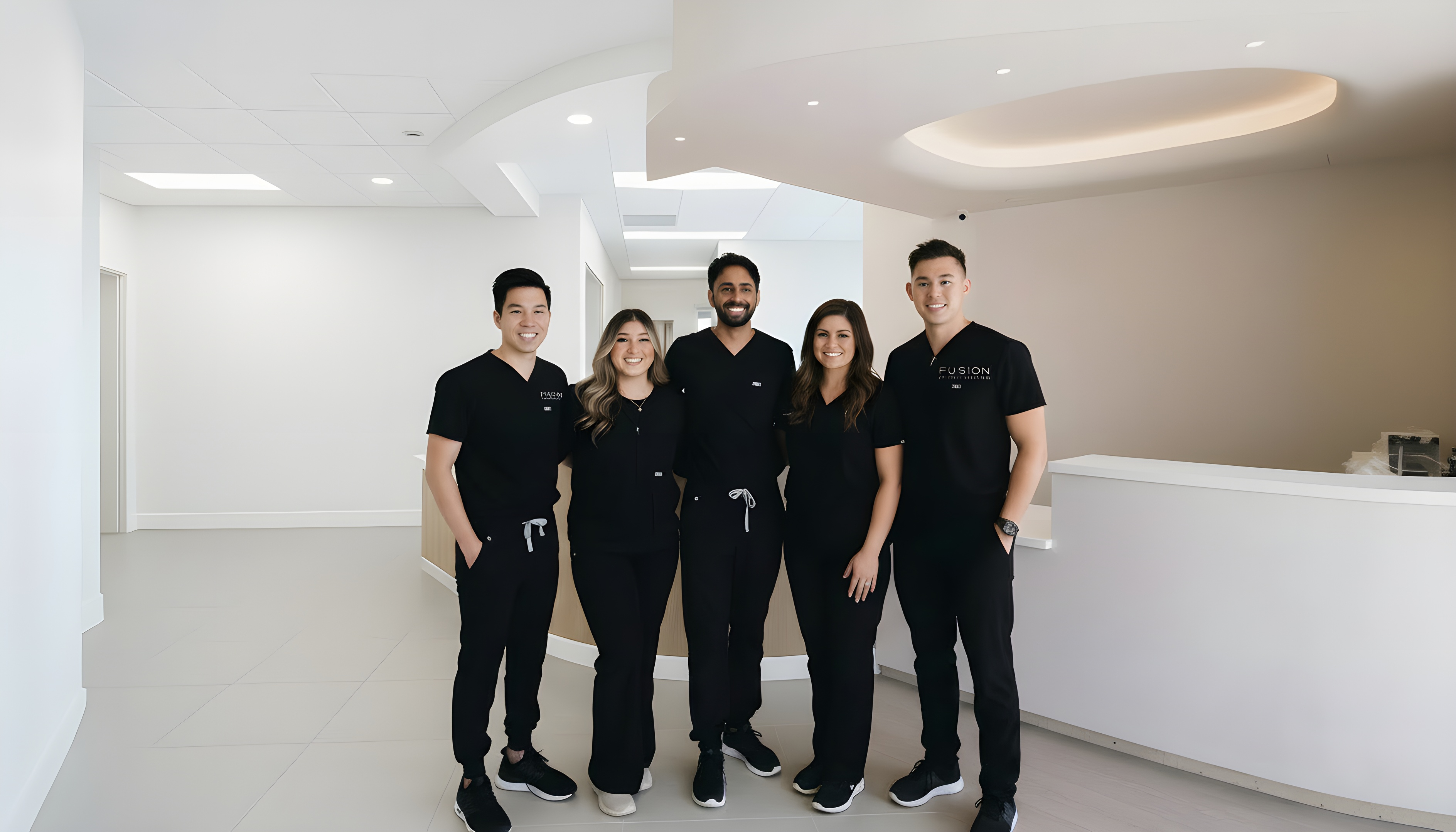
Fusion Dental Implants board-certified oral surgery team

Board-Certified Oral Surgeons

Our surgeons are board-certified by the American Board of Oral and Maxillofacial Surgery, ensuring the highest standard of training and expertise in dental implant placement, bone grafting, and full-arch restoration procedures.

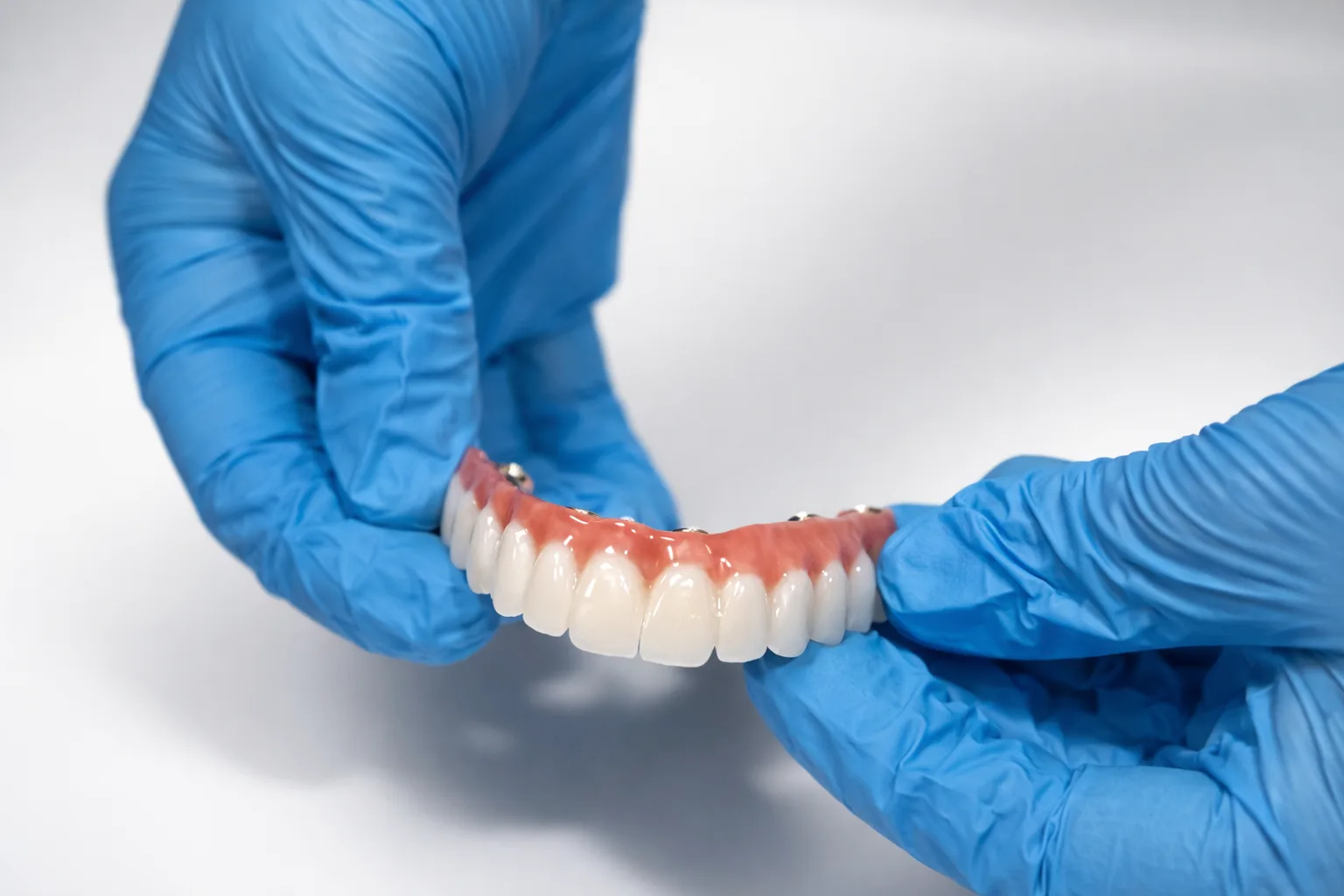
Gloved hands holding a full-arch zirconia prosthetic backed by lifetime warranty

Lifetime Warranty on Full Arch Prosthetics

We back our full-arch zirconia prosthetics with a lifetime structural warranty. If a prosthesis cracks or breaks under normal use, we replace it at no cost. Our in-house dental laboratory crafts each prosthetic with premium materials.

View full warranty terms
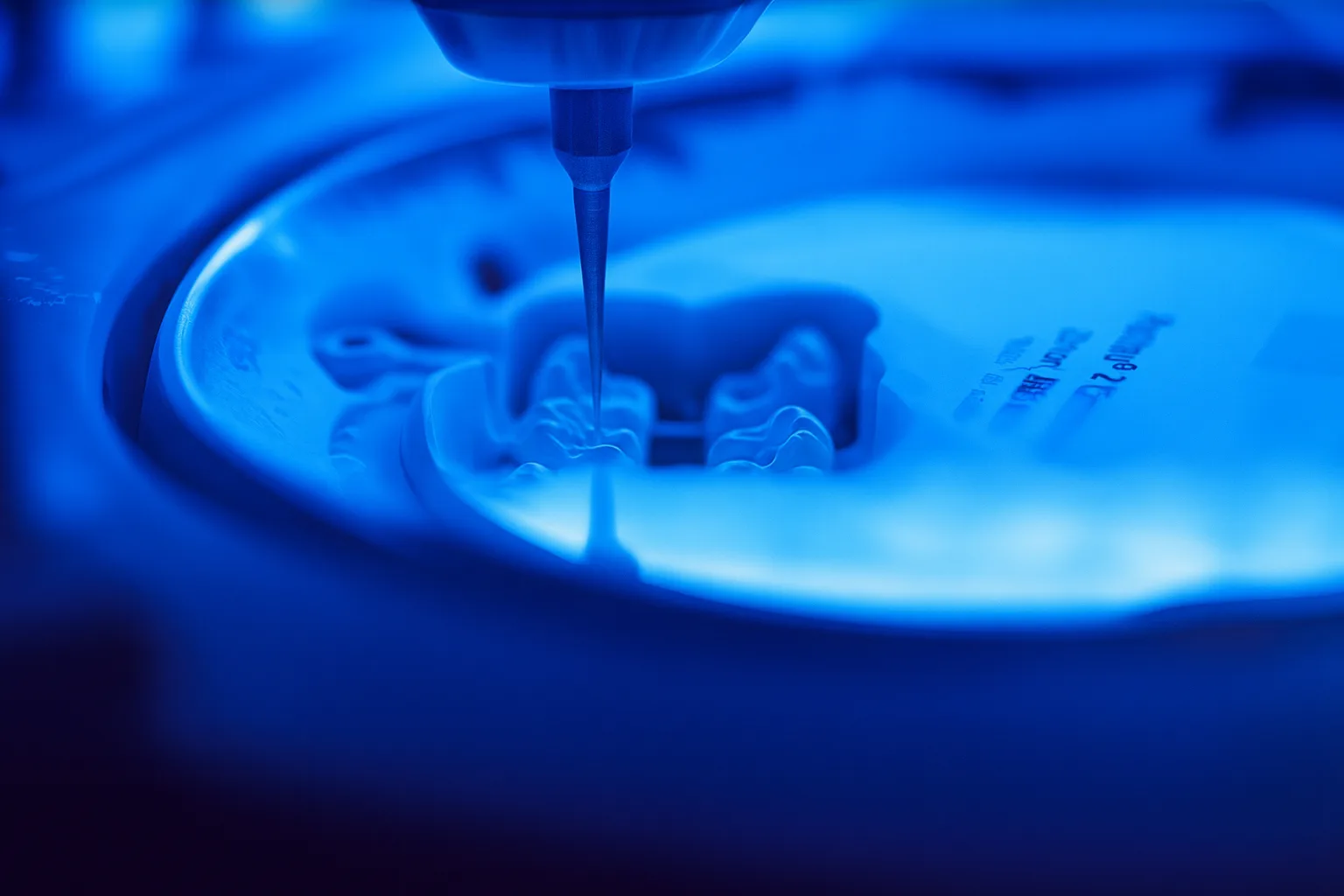
In-house dental laboratory milling a custom restoration

In-House Dental Lab

Unlike most practices that outsource lab work, Fusion Dental Implants operates its own on-site dental laboratory. This means faster turnaround times, precise custom-fitted restorations, and same-day teeth solutions for qualifying patients.

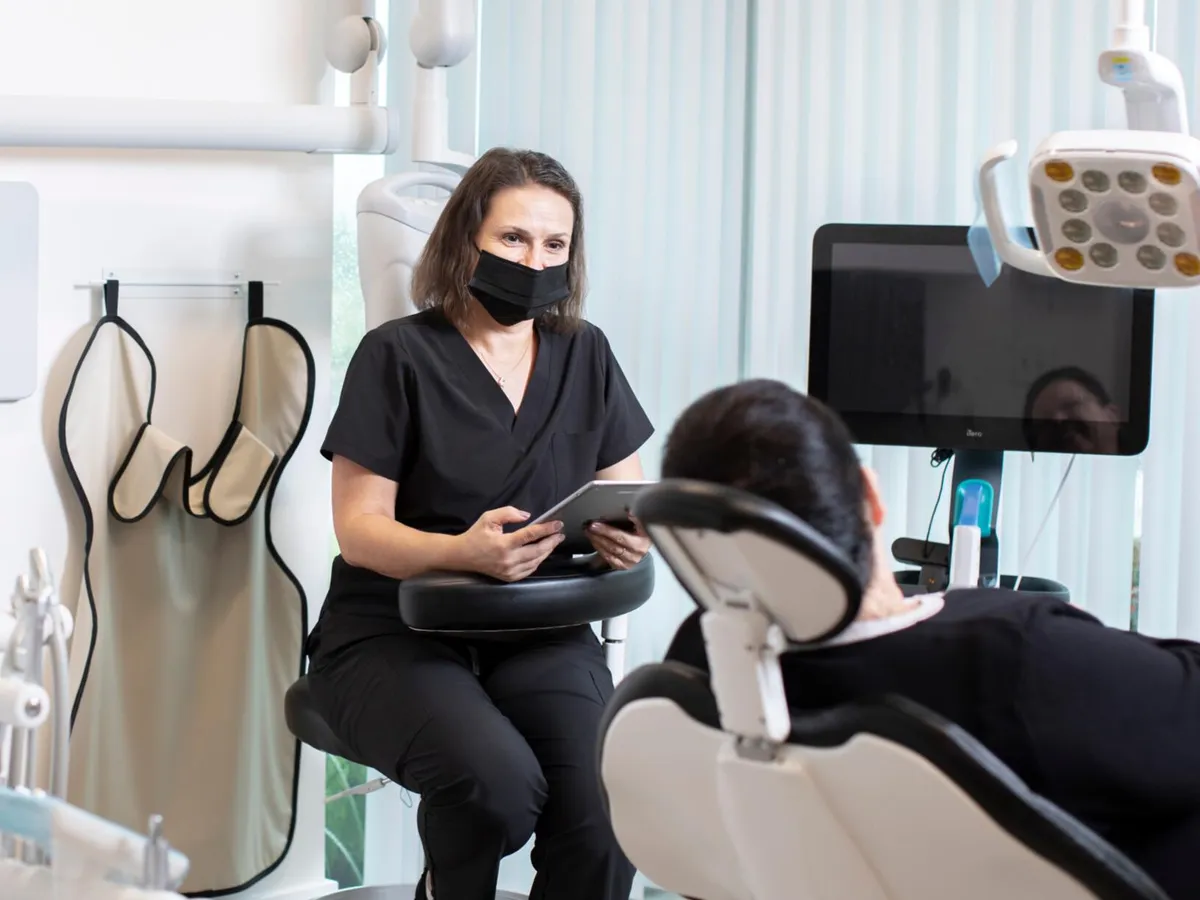
Patient consultation about affordable dental implant pricing

Price-Match Guarantee

We believe premium dental implant care should be accessible. Our price-match guarantee means if you receive a lower quote from a qualified provider for the same procedure, we will match or beat that price while maintaining our exceptional quality standards.

About Us

About Fusion Dental Implants

With over 18 years of experience and a team of the best board-certified oral and maxillofacial surgeons, Fusion Dental Implants is dedicated to providing the highest quality dental implant care in Northern California.

Our practice specializes in full-arch dental implant solutions including All-on-4 and All-on-6 procedures, single tooth implants, implant-supported dentures, and complex bone grafting cases.

Our two physical offices in Roseville and El Dorado Hills serve patients from Folsom, Rocklin, the Sacramento metropolitan area, Placer County, El Dorado County, and the greater Northern California region.

Our state-of-the-art facilities feature cone beam CT scanning, digital treatment planning, and an in-house dental laboratory that enables same-day teeth procedures.

We understand that dental implants are a significant investment in your health and quality of life. That is why we offer flexible financing — single-tooth implants from $73/month, All-on-4 full arch from $299/month — accept most major dental insurance plans, and provide a price-match guarantee.

Every patient receives a complimentary consultation with a comprehensive treatment plan tailored to their specific needs and budget.

FAQ

Frequently Asked Questions

Find answers to the most common questions about dental implants, our procedures, costs, and what to expect at Fusion Dental Implants. Still have questions? Contact us for a free consultation.

How much do dental implants cost at Fusion Dental Implants?

Dental implant costs vary based on the type of restoration needed. Single tooth implants start at approximately $1,850, implant-supported dentures begin around $9,999, and full-arch All-on-4 solutions start at $17,999 per arch.

We offer a price-match guarantee and flexible monthly financing — single tooth from $73/month, full arch from $299/month. During your free consultation, we provide a detailed treatment plan with transparent pricing and no hidden fees.

What is the All-on-4 dental implant procedure?

All-on-4 is a revolutionary full-arch dental implant technique that replaces an entire arch of teeth using just four strategically placed titanium implants. The procedure is designed so that patients can receive a complete set of fixed, non-removable teeth in a single day.

Two implants are placed vertically in the front of the jaw and two are angled at up to 45 degrees in the back, maximizing bone contact and often eliminating the need for bone grafting.

At Fusion Dental Implants, our board-certified oral surgeons have performed thousands of successful All-on-4 procedures.

How long do dental implants last?

With proper care and maintenance, dental implants can last a lifetime. The titanium implant post that is surgically placed into the jawbone integrates with the bone through a process called osseointegration, creating a permanent foundation.

The implant crown or prosthetic typically lasts 15 to 25 years before it may need replacement due to normal wear.

At Fusion Dental Implants, we use premium zirconia restorations, with our full-arch zirconia prosthetics backed by a lifetime structural warranty, and our in-house lab ensures each restoration is crafted for maximum durability and aesthetics.

Am I a candidate for dental implants?

Most adults with good general health are candidates for dental implants. During your complimentary consultation, our surgeons evaluate your jawbone density using advanced 3D cone beam CT imaging, review your medical history, and assess your oral health.

Even patients who have been told they do not have enough bone for implants may be candidates through bone grafting procedures, zygomatic implants, or the All-on-4 technique which utilizes existing bone more efficiently.

Conditions like diabetes, smoking, and osteoporosis require special consideration but do not automatically disqualify you.

What is the recovery time after dental implant surgery?

Recovery varies depending on the complexity of the procedure. For single implant placement, most patients return to normal activities within one to two days, with mild soreness lasting three to five days.

For full-arch procedures like All-on-4, patients typically experience moderate swelling for three to five days and are comfortable enough to eat soft foods the same day they receive their temporary teeth.

Full osseointegration, where the implant fuses with the jawbone, takes three to six months, during which you wear a functional temporary restoration.

Do you offer financing for dental implants?

Yes, we offer several flexible financing options to make dental implants affordable. Our monthly payment plans start as low as $73/month for single-tooth implants, $150/month for implant-supported dentures, and $299/month for All-on-4 full-arch restorations.

We partner with leading healthcare financing companies to offer plans with competitive interest rates and terms up to 84 months. We also accept most major dental insurance plans, including PPO plans, and our team helps maximize your insurance benefits.

Every patient receives a clear breakdown of costs during their free consultation.

What makes Fusion Dental Implants different from other providers?

Several factors set Fusion Dental Implants apart. Our practice is led by board-certified oral and maxillofacial surgeons with specialized training in implantology.

We operate our own in-house dental laboratory, which allows us to provide same-day teeth and ensures the highest quality custom restorations. Our lifetime warranty on full-arch zirconia prosthetics demonstrates our confidence in our work.

We offer a price-match guarantee, and our two Northern California offices in Roseville and El Dorado Hills welcome patients from Folsom, Rocklin, and throughout the region.

What are the advantages of dental implants over dentures?

Dental implants offer several significant advantages over traditional removable dentures. Implants are permanently fixed in place, so they do not slip, click, or require adhesive.

They preserve jawbone density by stimulating the bone just like natural tooth roots, preventing the facial collapse and bone loss that occurs with dentures over time. Implant patients can eat all their favorite foods without restriction, speak clearly without worry, and smile with confidence.

While the initial investment is higher than dentures, implants are more cost-effective long-term because they do not need to be replaced every five to seven years like dentures typically do.

Have a question that is not answered here? Our team is ready to help.

Patient Education

Understanding Dental Implants

Dental implants have transformed modern dentistry, offering a permanent solution for missing teeth that looks, feels, and functions like your natural smile. Explore the topics below to learn how implants work, what materials we use, and how to plan your treatment with confidence.

Types of Dental Implants Explained

Dental implants come in several varieties designed to address different clinical needs.

Endosteal implants are the most common type and are placed directly into the jawbone, typically made from biocompatible titanium that fuses with your natural bone over three to six months through a process called osseointegration.

These implants serve as artificial tooth roots and can support single crowns, bridges, or full-arch prosthetics depending on how many teeth need replacement.

For patients who lack sufficient bone height in the upper jaw, zygomatic implants offer an advanced alternative. These longer implants anchor into the dense cheekbone (zygoma) rather than the maxilla, eliminating the need for bone grafting procedures that can add months to treatment timelines.

At Fusion Dental Implants, our oral surgeons have extensive training in zygomatic implant placement, making this option available to patients who have been told they are not candidates for traditional implants.

Subperiosteal implants rest on top of the jawbone beneath the gum tissue rather than being embedded within the bone. While less common today due to advances in bone grafting technology, they remain an option for patients with significant bone loss who prefer to avoid grafting.

Mini dental implants, which are smaller in diameter than standard implants, are often used to stabilize lower dentures or in areas with limited bone width.

Your surgeon will recommend the implant type best suited to your specific anatomy, bone density, and treatment goals during your comprehensive consultation.

The Dental Implant Process Step by Step

The dental implant journey begins with a thorough diagnostic evaluation. During your complimentary consultation, your surgeon captures a three-dimensional cone beam CT scan of your jaw, which provides detailed images of bone density, nerve locations, and sinus proximity.

This digital scan is used to create a precise surgical plan, often with computer-guided templates that determine the exact angle, depth, and position of each implant for optimal results and minimal invasiveness.

On the day of surgery, local anesthesia or sedation is administered to ensure complete comfort. For single implant cases, the procedure typically takes 30 to 60 minutes.

Full-arch procedures like All-on-4, where four implants support an entire arch of teeth, generally take two to three hours per arch. After the implants are placed, a temporary restoration is attached so you leave the office with functional teeth the same day.

Over the following three to six months, the implants integrate with your jawbone to create a permanent foundation.

The final phase involves replacing your temporary teeth with your permanent custom restoration. At Fusion Dental Implants, our in-house dental laboratory crafts each prosthetic from premium zirconia, a material chosen for its exceptional strength, natural translucency, and stain resistance.

Your permanent teeth are designed to match the shape, shade, and contour of natural teeth, and they are precision-fitted to your implants for a secure, comfortable bite that can last decades with proper care.

Materials and Technology in Modern Implant Dentistry

Modern dental implants are manufactured from medical-grade titanium alloy or zirconia ceramic, both of which are biocompatible and accepted by the human body without rejection.

Titanium has a well-documented 50-year track record in implant dentistry and remains the gold standard for implant posts due to its ability to osseointegrate reliably with jawbone tissue.

The surface of each implant is micro-textured or plasma-sprayed to accelerate bone attachment and improve long-term stability.

The prosthetic teeth attached to implants have evolved significantly from the acrylic restorations of the past. Today, monolithic zirconia is the premium material choice for implant-supported crowns and full-arch bridges.

Zirconia offers superior fracture resistance compared to porcelain, does not chip or stain like acrylic, and can be milled with digital precision to achieve a natural, lifelike appearance.

At Fusion Dental Implants, all full-arch restorations are fabricated from zirconia in our on-site laboratory, which allows us to control quality at every step.

Advanced technology plays a critical role in modern implant treatment. Cone beam computed tomography provides three-dimensional jaw imaging at a fraction of the radiation dose of traditional CT scans.

Digital treatment planning software allows surgeons to virtually place implants before the actual procedure, and surgical guide templates transfer this digital plan to the operating room with sub-millimeter accuracy.

Intraoral scanners capture digital impressions without messy impression materials, improving patient comfort and restoration fit. These technologies combine to make implant procedures safer, faster, and more predictable than ever before.

Long-Term Care and Maintenance of Dental Implants

Caring for dental implants is straightforward and similar to caring for natural teeth. Daily brushing twice a day with a soft-bristled toothbrush and non-abrasive toothpaste removes plaque from the implant surfaces and surrounding gum tissue.

Interdental brushes or a water flosser are recommended for cleaning between implants and under prosthetic bridges where traditional floss may not reach effectively. Antimicrobial mouth rinse can provide additional protection against bacteria that cause peri-implant inflammation.

Professional maintenance visits every six months are essential for long-term implant success. During these appointments, your dental hygienist uses specialized instruments designed for implant surfaces, as metal scalers used on natural teeth can scratch titanium and harbor bacteria.

Your dentist examines the implant, abutment, and restoration for signs of wear, checks the tightness of prosthetic screws, and takes periodic X-rays to monitor bone levels around each implant. Early detection of any changes allows for simple, non-surgical intervention.

While dental implants cannot develop cavities, the surrounding gum tissue is susceptible to a condition called peri-implantitis, which is similar to gum disease around natural teeth. Risk factors include smoking, uncontrolled diabetes, poor oral hygiene, and a history of periodontal disease.

Symptoms to watch for include redness, swelling, or bleeding around the implant site, and any looseness or discomfort should be reported to your dentist immediately.

With consistent home care and regular professional maintenance, dental implants have a documented success rate exceeding 95 percent at the 10-year mark.

Insurance, Financing, and Planning Your Investment

Dental implant costs depend on several factors including the number of implants needed, whether bone grafting is required, the type of prosthetic restoration selected, and the complexity of the individual case.

At Fusion Dental Implants, single tooth implants including the implant post, abutment, and zirconia crown typically range from $1,850 to $5,500. Implant-supported dentures start at approximately $9,999 per arch, and full-arch All-on-4 zirconia restorations begin at $17,999 per arch.

Every estimate is provided in writing during your free consultation with no hidden fees or surprise charges.

Many dental insurance plans now include coverage for implant procedures, particularly PPO plans. Coverage typically ranges from $1,000 to $3,000 per year depending on your specific plan benefits.

Our insurance coordination team verifies your benefits before treatment and helps maximize your coverage.

For patients without insurance or with limited benefits, we offer in-house financing with monthly payments from $73 for single-tooth implants and $299 for All-on-4 full-arch restorations, with terms extending up to 84 months through our healthcare financing partners.

When evaluating the cost of dental implants, it is important to consider the long-term value compared to alternative treatments.

Traditional dentures need to be replaced every five to seven years at a cost of $1,500 to $3,000 each time, and they accelerate jawbone loss which eventually changes facial structure.

Dental bridges require grinding down adjacent healthy teeth and typically last eight to fifteen years before replacement.

Dental implants, by contrast, preserve bone density, protect neighboring teeth, and with proper care can last a lifetime, making them the most cost-effective tooth replacement solution over a 20 to 30 year period.

Your Next Step

Your Next Step Toward a Permanent Smile

Every patient's dental implant journey is unique, and the best way to understand your options is through a personalized evaluation with an experienced implant surgeon. At Fusion Dental Implants, we provide complimentary consultations that include 3D imaging, a detailed treatment plan, and transparent cost estimates so you can make an informed decision about your care.

At our two offices in Roseville and El Dorado Hills, our board-certified oral surgeons welcome patients from Folsom, Rocklin, and surrounding communities to explore whether dental implants are the right solution for restoring your smile, your confidence, and your quality of life. Contact us today to schedule your free consultation.