How to Know If You Need a Dental Implant Revision: Signs and Next Steps
You cannot determine at home whether an implant needs surgical revision. New looseness, persistent discomfort, bleeding, or bite changes warrant assessment; the problem may involve the attached crown or bridge rather than the implant itself.
A sore spot, bleeding gums, or a crown that feels loose can leave you wondering how to know if you need a dental implant revision. These symptoms deserve attention, but they don’t necessarily mean the implant itself has failed. The crown, implant post, connection, or surrounding tissue may be involved, and symptoms alone can’t identify the cause.
It’s understandable to worry about pain, infection, or losing your restoration. One symptom by itself doesn’t determine whether revision is needed. Similar changes can have different causes, and care may range from addressing a crown problem to considering more involved treatment.
This guide explains which signs merit professional evaluation, what else may be causing them, and how a specialist assesses revision options. You’ll also find practical ways to prepare for an assessment. At Fusion Dental Implants, board-certified surgeons evaluate complex and revision cases individually, so the next step is based on clinical findings rather than guesswork.
The path at a glance: Assessment → Review alternatives → Agree on a personalized plan → Treatment when appropriate → Follow-up and maintenance
Key Takeaways
- To understand how to know if you need a dental implant revision, track persistent or worsening symptoms and changes in chewing, then share them with a clinician.
- Similar symptoms can involve the crown, bridge, implant, gums, or supporting bone, so avoid assuming which part is affected.
- Clinicians compare monitoring, restoration repair, tissue treatment, and surgical revision based on individual findings.
- Prepare for an assessment by noting your symptom timeline, triggers, prior procedures, and medications. Bring relevant implant records or imaging if available.
- Ask what the examination and diagnostics show and how they shape the next steps.
How to know if you need a dental implant revision: changes worth noticing
A change around an implant can be unsettling, but a symptom that deserves attention doesn’t automatically mean the implant has failed or needs surgery. The crown, implant post, gums, or supporting bone may be involved. A warning sign is a reason to seek an assessment, not a diagnosis. A clinician needs to review your history and examine the area before recommending treatment.
If you’re asking how to know if you need a dental implant revision, pay attention to what has changed, when it began, and whether it is getting worse. Persistent or increasing pain, swelling, bleeding, drainage, or a new problem chewing are reasons to arrange dental follow-up. A general overview of dental implant complications can offer background, but it can’t determine what’s happening with your implant.
Which implant symptoms should prompt an appointment?
Notice discomfort that doesn’t settle, tenderness when chewing, or gums that look swollen, bleed, or release fluid around the implant. A new bad taste or difficulty chewing comfortably is also worth mentioning. These changes can have different explanations, so don’t try to diagnose the problem yourself or assume revision is the only option.
- Pain or tenderness: Record where you feel it and whether it occurs at rest or when biting.
- Swelling, bleeding, or drainage: Note when it began and whether it is changing.
- New movement or reduced stability: Don’t keep testing a crown or implant that feels loose. Arrange prompt assessment.
- A changed bite: Report if your teeth meet differently or chewing has become uncomfortable.
New mobility, a bite that suddenly feels uneven, or a restoration that no longer feels stable deserves prompt attention. A crown or another restoration may feel loose even when the implant itself isn’t moving, but an examination is needed to distinguish the source. Write down when each change started, how often it happens, and whether it is improving, recurring, or worsening. That timeline gives the clinician useful context.
When should a dental implant concern be urgent?
For persistent discomfort or inflammation without severe symptoms, contact your dental team for guidance and timely follow-up rather than waiting for the problem to resolve on its own. If the implant or restoration feels newly mobile, seek prompt dental assessment. Don’t pull, twist, or repeatedly press on the area. Describe what you’ve noticed and follow the clinician’s instructions.
Rapidly worsening swelling, or swelling accompanied by fever, warrants urgent clinical assessment. Difficulty swallowing may also signal a serious problem and needs urgent medical attention. If you have trouble breathing or swallowing, don’t wait for a routine dental appointment. Seek emergency medical help. A clinician can determine the appropriate response after reviewing your symptoms; this guidance can’t establish a diagnosis.
What can cause implant problems, and what may actually need revision?
“Revision” is a broad term for treatment that addresses a problem with an implant or the restoration attached to it. It doesn’t automatically mean removing the implant or starting over. The right plan depends on which part is affected, what the examination shows, and how the issue affects comfort and function.
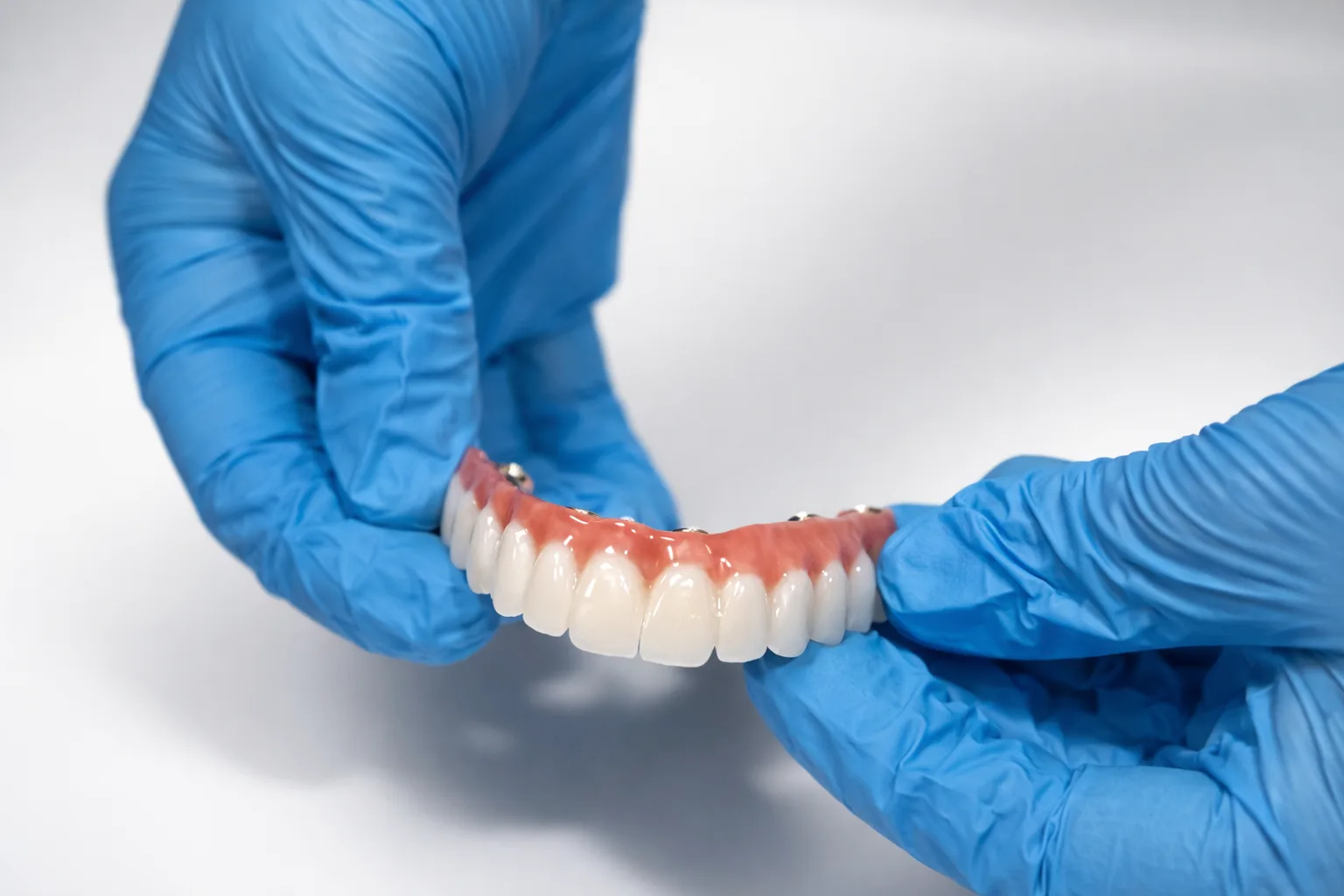
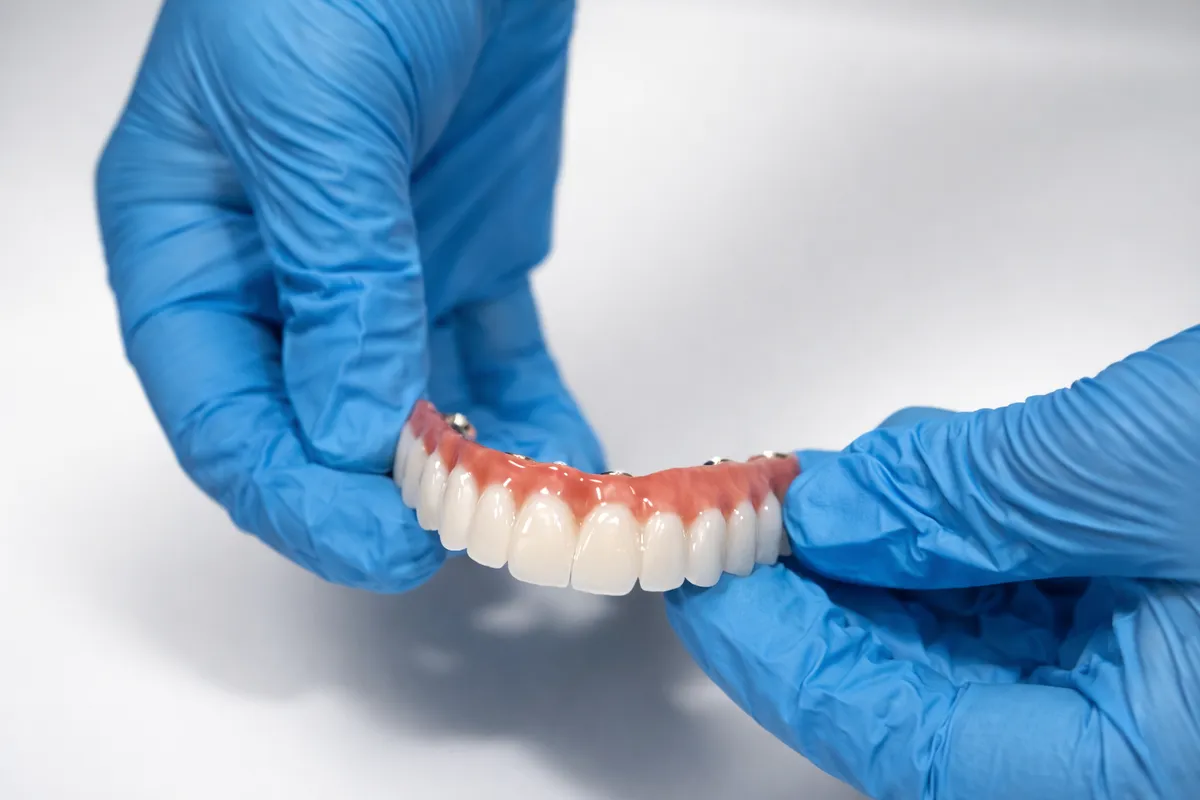
An implant restoration can include a crown or bridge connected to an implant fixture, the part placed in the jawbone. The gums and supporting bone around it matter, too. Because a problem in one area can feel similar to an issue in another, symptoms alone can’t identify the source or determine whether surgery is needed.
Is the problem with the implant or the attached teeth?
A crown or bridge that feels loose may have a problem with the restoration or its connection. Movement of the implant fixture itself is a different concern because the fixture sits in the jawbone. You may not be able to tell which part is moving by feel alone, so don’t try to test it. A clinician must examine the components to identify what’s involved.
A restoration adjustment addresses the visible teeth or their connection; surgery involving the implant itself addresses the fixture or surrounding structures. That distinction matters, but it doesn’t mean every loose restoration can be repaired or every implant concern requires removal. The clinician considers the condition of the restoration, implant, gums, and bone before discussing suitable options.
What factors can contribute to an implant complication?
Several factors may contribute, but none proves by itself that an implant must be removed. A specialist reviews the full clinical picture before connecting a particular cause to your symptoms.
- Inflammation or infection: Irritation or infection in the tissues around an implant may affect the gums and, in some cases, supporting bone.
- Mechanical wear or damage: Normal use can affect a crown, bridge, or connecting parts over time.
- Bite forces: Grinding or clenching may place added stress on a restoration or implant components.
- Healing and bone support: The implant’s integration with bone, the amount of available support, and changes over time can factor into an assessment.
Medical history and oral conditions can shape how a clinician interprets these possibilities. Smoking, diabetes management, prior procedures, and the health of the surrounding tissues may be relevant to the discussion. Share this information openly so the specialist can assess your situation rather than relying on a symptom in isolation.
At Fusion Dental Implants, board-certified surgeons evaluate complex and revision cases individually. If you’re concerned about an existing implant or restoration, an assessment of complex dental implant revision cases can help clarify which component may be involved and what options merit discussion.
Revision, repair, or monitoring: how clinicians compare the options
An implant concern doesn’t automatically mean the implant must come out. Treatment can range from monitoring a finding to adjusting the restoration, treating nearby tissues, or considering surgery. The goal of an assessment is to identify the source of the problem and match the response to the clinical findings, rather than assume the most extensive option is necessary.
These pathways aren’t interchangeable or guaranteed alternatives to surgery. A clinician considers your symptoms, examination results, the condition of the implant and surrounding tissues, and the restoration involved. The comparison below is a general guide, not a way to choose treatment without an individual assessment.
| Possible pathway | What it may involve | What guides the decision |
|---|---|---|
| Monitoring | Observing a finding over time, with follow-up as advised. | Whether examination findings support observation and whether symptoms or clinical signs change. |
| Restoration repair | Adjusting or addressing the crown, bridge, or connecting components. | Whether the concern appears limited to the visible restoration or its connection. |
| Treatment of surrounding tissues | Addressing a problem affecting the gums or tissues around the implant. | The condition of the tissues and findings from the clinical assessment. |
| Surgical revision | A surgical assessment and, when indicated, treatment involving the implant or supporting structures. | The nature and extent of the concern, diagnostic findings, and the overall restorative plan. |
When might repair or monitoring be considered?
If examination suggests a concern is limited to a crown, bridge, or connection, the clinician may discuss restoration-focused care. If findings don’t call for immediate intervention, monitoring may be considered. These are possible clinical pathways, not promises that surgery can be avoided. A change in symptoms or examination findings may lead the clinician to reassess the plan.
Monitoring should have a clear purpose. The clinician can explain what they’re watching, what changes to report, and when reassessment is appropriate. Don’t interpret “monitor” as ignoring the concern. A restoration repair may address a visible component without resolving a separate issue involving the implant or supporting tissues.
When might surgical revision enter the discussion?
If a problem is persistent or significant, or examination raises concern about the implant or its supporting structures, a more detailed surgical assessment may be appropriate. The clinician evaluates the implant, surrounding tissues, and restorative plan together. Surgery isn’t assumed from symptoms alone; the recommendation depends on diagnostic findings and your individual circumstances.
That’s why how to know if you need a dental implant revision can’t be answered by a checklist alone. Ask which component appears to be involved, what findings support the recommendation, and what alternatives or follow-up options may be appropriate. At Fusion Dental Implants, board-certified surgeons assess complex and revision cases individually and explain the reasoning behind the proposed next step.
Dental implant revision checklist: prepare for a thorough assessment
A little preparation can make an implant assessment more focused. You don’t need to arrive with a diagnosis or know which part is causing a problem. A clear account of what you’ve noticed, along with any records you have, can help the clinician understand your history and decide what to examine.
Previous records can help your clinician understand how the implant and restoration were planned, placed, and cared for, supporting an assessment tailored to your situation. Bring what’s available, but don’t delay an appointment because you can’t locate every document.
What should you track before the appointment?
Write down when the concern began, how often it occurs, and whether it has changed. Note possible triggers, such as chewing or brushing, and describe what feels different. Include relevant health conditions, previous implant procedures, and current medications. These details help the clinician interpret your symptoms in context.
- Symptom timeline: When did the discomfort or other change start? Is it constant, occasional, improving, or worsening?
- Triggers and impact: Does chewing, pressure, or another activity bring it on? Has it changed what you can eat or how you use the restoration?
- Visible or functional changes: Note swelling, bleeding, drainage, movement, a changed bite, or a crown or bridge that feels different.
- Dental history: List previous implant procedures, repairs, or other relevant treatment, including approximate dates if you know them.
- Health and medications: Prepare an up-to-date list of medications and health conditions to discuss with the clinician.
If available, bring implant records, details about the crown, bridge, or denture attached to the implant, and relevant imaging. The clinician will decide whether additional examination or imaging is appropriate based on your history and findings. Existing images may provide helpful context, but they don’t replace a current clinical assessment.
What questions can help clarify your options?
Good questions help you understand the reasoning behind the assessment and what happens next. If you’re still wondering how to know if you need a dental implant revision, ask which part appears affected and what examination findings support that conclusion.
- Which component seems to be involved: the restoration, implant, or surrounding tissues?
- What did the examination or imaging show, and what remains uncertain?
- Which options are appropriate in my case, and what would each involve?
- What follow-up or maintenance should I expect?
- Which changes should prompt me to call again, and how should I reach the care team?
Bring these questions in writing and take notes during the discussion. For an individualized assessment of an existing implant or restoration, schedule an implant revision evaluation with Fusion Dental Implants.
What happens at a dental implant revision consultation?
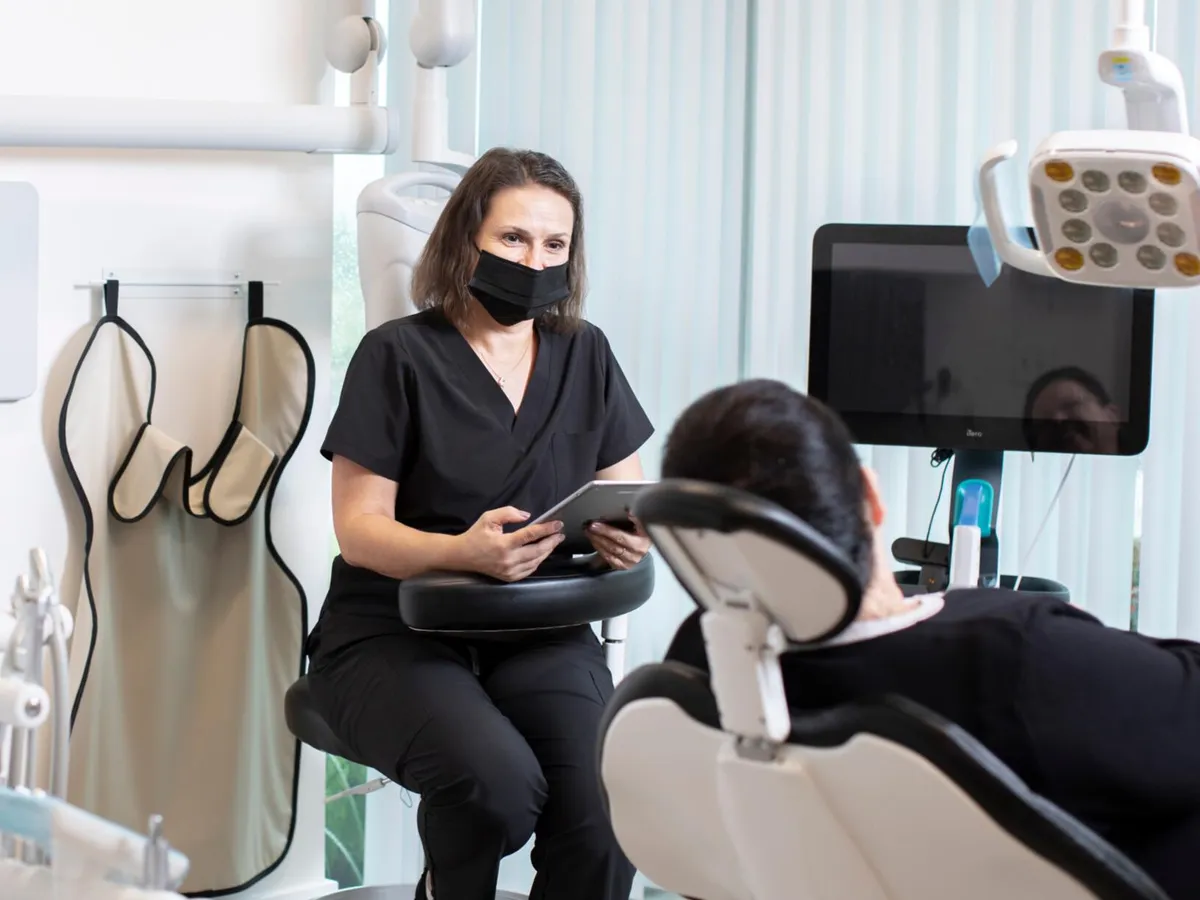
A revision consultation helps clarify what may be behind your concern and which options fit your situation. The clinician will listen to what has changed, review your implant and dental history, and examine the restoration and surrounding tissues. Based on those findings, they may recommend diagnostic steps, such as imaging, to clarify what’s happening.
The assessment looks at the parts as a system: the crown, bridge, or denture; the implant itself; and the gums and supporting bone. A restoration that feels different doesn’t necessarily mean the implant fixture is the source of the problem. The clinician explains which component appears affected, what the examination supports, and whether more information is needed before discussing a plan.
How is a revision plan developed?
Your symptoms and history are considered alongside the examination and any appropriate diagnostic findings. The clinician can explain how these details shape the options, what each option involves, and how care may be sequenced. Follow-up and maintenance recommendations also depend on the clinical situation. A consultation doesn’t automatically lead to surgery or implant removal; its purpose is to support an informed, individualized decision.
As you discuss the findings, you may want to ask:
- Which part of the restoration or implant appears to be involved?
- What did the examination or diagnostic testing show?
- Which treatment options are appropriate in my case, and why?
- What follow-up should I expect, and what changes should prompt me to get in touch?
Clear answers can help you understand both the recommendation and what remains uncertain. If the clinician needs additional information before making a treatment decision, they can explain what they’re looking for and how it may affect the next steps. This keeps the discussion grounded in your findings, rather than assumptions based on a single symptom.
Where can patients seek revision care near Roseville?
Fusion Dental Implants treats complex and revision cases, with board-certified surgeons serving Roseville and nearby Northern California communities. Its offices are in Roseville and El Dorado Hills, serving patients from Sacramento, Rocklin, Loomis, Lincoln, and Elk Grove. If you’re concerned about an existing implant, a focused assessment can help clarify whether the concern involves the restoration, implant, or surrounding tissues, and what options merit discussion.
If you’re still wondering how to know if you need a dental implant revision, a clinical assessment can help move you from uncertainty toward a clearer plan. Arrange an implant revision assessment with Fusion Dental Implants to discuss your concerns and evaluation options.
Take the next step with a clearer plan
Uncertainty can make every change around an implant feel more serious. You don’t have to decide what treatment you need before seeking an assessment. A useful next step is a conversation about what the clinician finds, what those findings mean for your choices, and whether anything needs attention now or later.
If you’re still asking how to know if you need a dental implant revision, focus on getting an individualized clinical opinion rather than trying to reach a conclusion on your own. Take time to understand the reasoning behind any recommendation, and speak up if something isn’t clear. Feeling informed is part of making a decision that fits your health and priorities.
Fusion Dental Implants evaluates complex and revision cases. Request an implant assessment with Fusion Dental Implants to discuss your concerns and possible next steps.
Planning your next step
For implant benefits, risks, and follow-up, review the FDA dental implant guidance and the American Dental Association’s patient implant overview. These explain why individual assessment and ongoing care matter.
Fusion’s offices are in Roseville and El Dorado Hills. Use Find a Center to plan travel, and review the care team before your visit.
Request a free consultation to discuss a plan based on your examination.
Why patients choose Fusion: In-House Dental Lab | Same-Day New Teeth for Eligible Patients | Transparent All-Inclusive Pricing | Lifetime Full-Arch Warranty (terms apply) | Price Match Guarantee (terms apply)
This article is for general patient education and is not a substitute for personalized medical advice, diagnosis, or treatment. Every patient’s oral health, anatomy, and healing response are different. Consult your dental professional before making treatment decisions.
About Fusion Dental Implants: We specialize in advanced dental implant solutions with offices in Roseville and El Dorado Hills, California.
Related reading
Frequently Asked Questions
Can a dental implant feel uncomfortable without needing revision?
Yes. If you’re wondering how to know if you need a dental implant revision, discomfort alone can’t establish implant failure. Pressure from your bite, irritation near the restoration, or another issue may contribute to how the area feels. Seek dental advice if pain persists, worsens, or appears with a new change. A clinician considers your history, examination, and any appropriate imaging before discussing monitoring, repair, or revision.
How can I tell if my dental implant is loose or just the crown?
You may notice movement or a bite that feels different, but you can’t reliably tell which component is moving by yourself. The crown, bridge, connecting part, or implant may each need a different response. Avoid pulling, pressing, or biting down repeatedly to test it, since that won’t identify the source safely. Arrange a professional examination and describe when you first noticed the movement and what makes it more apparent.
Does a failed dental implant always need to be removed?
No, removal isn’t an automatic conclusion based on one symptom or concern. The appropriate response depends on what the clinician finds and what is causing the problem. Depending on the individual case, discussion may include monitoring, repair to the restoration, treatment of surrounding tissues, or surgical options. No approach can be assumed in advance. A specialist assessment can explain which choices are relevant and what factors support each recommendation.
What happens if I wait to have a painful dental implant checked?
The effect of waiting depends on the cause and severity, so don’t assume the discomfort will pass or that damage is inevitable. Contact a dental professional for advice if pain persists or worsens, especially if other changes appear. Rapidly worsening swelling or fever calls for urgent clinical assessment. Difficulty swallowing or breathing needs urgent attention. If breathing or swallowing is difficult, seek emergency medical care without delay.
Can a dental implant be revised years after it was placed?
A concern can arise long after placement, but the right response depends on the implant, restoration, surrounding tissues, health history, and current examination findings. For example, a change affecting an older crown may call for a different assessment than a concern involving the supporting structures. Bring previous records if you have them. A clinician must evaluate your situation to determine whether revision or another approach is appropriate.
What information should I bring to a dental implant revision consultation?
Bring any implant or restoration records, prior imaging, a current medication list, and relevant health information you can access. Notes about when symptoms began and how they have changed can also help focus the discussion. If you know who placed or repaired the restoration, that detail may be useful. Don’t postpone arranging an assessment if records are missing; the clinician can decide what information or diagnostics would help.
Who should evaluate a complicated dental implant problem?
A complicated implant concern should be assessed by a clinician with appropriate implant and surgical expertise. Ask how the examination findings relate to the proposed plan and which options fit your case. Fusion Dental Implants evaluates complex and revision cases with board-certified surgeons for patients in Roseville, El Dorado Hills, Sacramento, Rocklin, Loomis, Lincoln, and Elk Grove. An individualized assessment can clarify next steps without presuming a specific procedure or outcome.
Should I tighten a loose implant crown myself?
No. Avoid repeatedly testing or adjusting it, and arrange professional assessment. A loose restoration and a moving implant need different responses, and attempting a repair can cause harm.
Ready to Transform Your Smile?
Schedule your free consultation today and discover how dental implants can change your life.