Missing Front Tooth Replacement: Your Options From Day One to Permanent
Losing a front tooth changes how you talk, eat, and smile in the space of a moment. The good news: you have solid options for every stage, from the first hour after the accident to a permanent tooth that looks and works like the one you lost. This guide walks through the five main choices, what each is good for, and how to protect your smile long term.
At Fusion Dental Implants, our board-certified team restores front teeth for patients across Roseville, Sacramento, and El Dorado Hills, with same-day temporary teeth so you never have to walk out with a visible gap.
What you do in the first hour can determine whether your natural tooth can be saved.
- Pick the tooth up by the crown, the biting surface. Do not touch the root. The delicate ligaments on the root are what allow reattachment, and rough handling damages them.
- Rinse briefly with cool water if it is dirty. No soap, no scrubbing.
- Keep it alive. If you cannot gently place it back in its socket, put it in a small container of cold milk, which keeps the root cells alive longer than water or saliva.
- Act within the hour. Re-implantation has the best success rate within about 60 minutes, so call a specialist right away. If it happens after hours, our emergency dentist page explains what to do.
At the emergency visit, the surgeon does more than look at the gap. A 3D scan checks for jawbone fractures that could complicate healing, and in most cases you receive a temporary tooth the same day so you leave the office with a complete smile.
Saving vs Replacing
If the root is intact and the trauma was clean, a root canal may stabilize the natural tooth. If the root is fractured or the bone support is compromised, extraction followed by a dental implant is usually the most predictable path. Choosing a permanent solution early also prevents the bone loss that follows an extraction. Our guide on implants after tooth extraction covers the timing in detail.
Temporary Options: Bridging the Gap Quickly
While your permanent plan comes together, several short-term options keep your smile whole:
- Dental flipper. A lightweight, removable partial denture. Excellent for photos and conversation, but strictly cosmetic. You should not bite into an apple with a flipper, and it needs diligent daily cleaning.
- Essix retainer. A clear plastic tray, similar to an aligner, that holds a prosthetic tooth in place. Discreet and comfortable for short-term wear.
- Stay-plate. A slightly more robust removable option that covers the palate while providing a visible tooth.
One caution: skip the low-cost DIY "tooth bead" kits sold at retailers. They lack structural integrity and trap bacteria against your gums, which can cause inflammation or infection in the exact spot where you need healthy bone and tissue for a future implant. The FDA guidance on dental implants stresses that proper planning and quality materials are essential to avoiding complications.
In many cases you do not have to wait months for a fixed tooth. Some patients qualify for same-day protocols where a temporary crown is attached to an implant immediately after extraction. This matters for front teeth because it preserves the emergence profile, the natural curve of the gum around the tooth. Keeping that gum shape supported is what makes the final crown look completely natural. Learn more in our single tooth implant guide.
Permanent Solutions: Dental Implants vs Fixed Bridges
When it is time for a permanent missing front tooth replacement, the decision usually comes down to an implant, a fixed bridge, or a permanent partial denture.
The often-overlooked factor is bone. When a tooth is lost, the jawbone under it no longer receives stimulation from the root, so it gradually shrinks. That resorption can change your facial structure and destabilize neighboring teeth. A bridge sits on top of the gum and does nothing to stop this. An implant replaces the root itself, which keeps the bone stimulated and intact.
The Single Tooth Implant Advantage
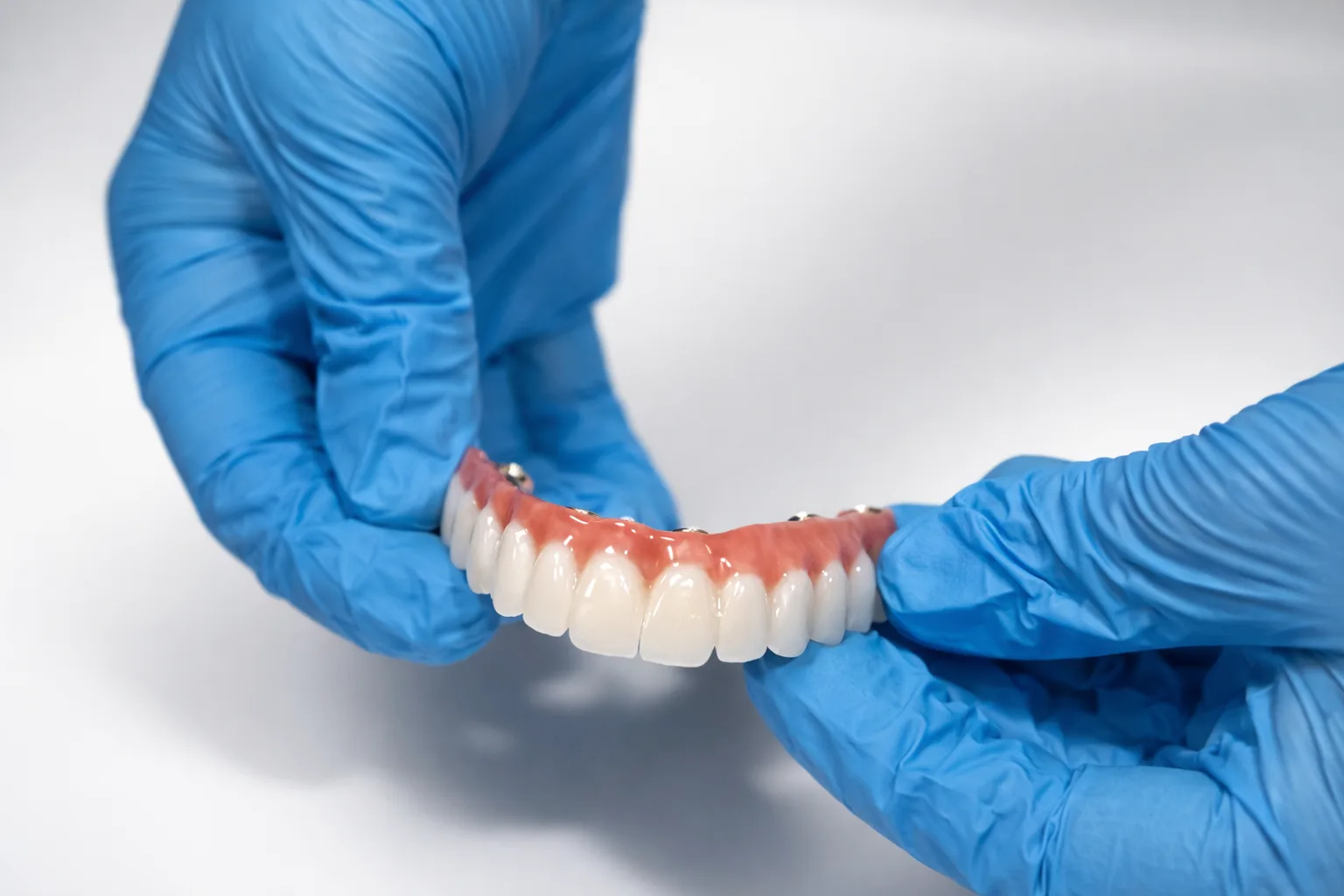
- A medical-grade titanium post acts as a synthetic root and fuses with your jawbone through osseointegration.
- No grinding down of the healthy neighboring teeth, which a bridge requires for its anchors.
- Cleaned like a natural tooth, with normal brushing and flossing.
- Designed as a lifetime restoration, while bridges typically need maintenance or replacement over the years.
When a Fixed Bridge Makes Sense
A bridge can be finished in roughly two weeks, so it is a faster route to a complete smile when speed is the top concern and the neighboring teeth are already heavily restored. The tradeoffs: cleaning under a bridge is harder, decay in the anchor teeth is a common failure point, and the bone under the gap continues to shrink. See our full implants vs bridges comparison. A removable permanent partial denture is a budget option, but it lacks the stability and bone protection of fixed solutions.
The Challenge of the Smile Zone
Replacing a front tooth is a specialized surgical art. The bone supporting your front teeth is much thinner than the dense bone at the back of the jaw, so every millimeter matters. Handled imprecisely, the gums can recede or collapse and create black triangles, the dark gaps between teeth that trap food and look artificial.
Materials matter here too. Older porcelain-fused-to-metal crowns often develop a dark grey line at the gum as tissue thins over time. We use zirconia for its strength and natural translucency, with custom shading matched to your surrounding enamel. For a deeper look at the artistry involved, read our guide on front tooth implant aesthetics.
Preserving Your Facial Structure
After a front tooth is lost, the upper jawbone can resorb quickly, which can create a sunken look in the upper lip and add years to your appearance. When needed, we use bone grafting to rebuild the foundation, creating a stable base for the implant while keeping your facial contours full and supported.
Surgical Precision in Front Tooth Placement
The angle of the implant determines how the final crown sits against your other teeth. Even a small misalignment can make a bite feel off or cause a lisp. That is why front tooth work belongs with a board-certified surgeon who plans every case with 3D imaging before the procedure begins.
Expert Front Tooth Restoration at Fusion Dental Implants
Our practice focuses exclusively on dental implants and restorative surgery, which matters most in the smile zone where there is no room for error. Many patients arrive with a gap and leave the same day with a functional, natural-looking temporary tooth.
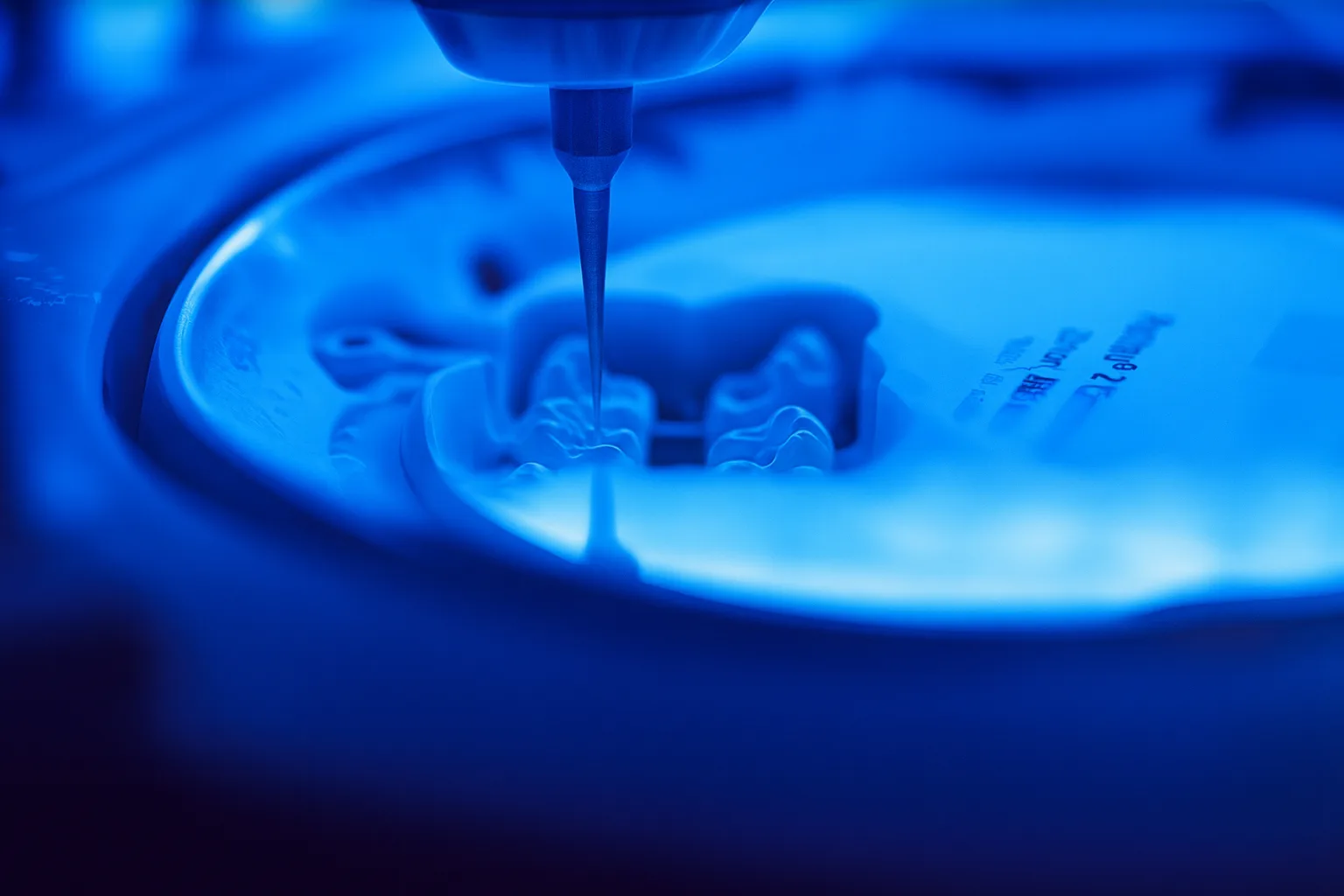
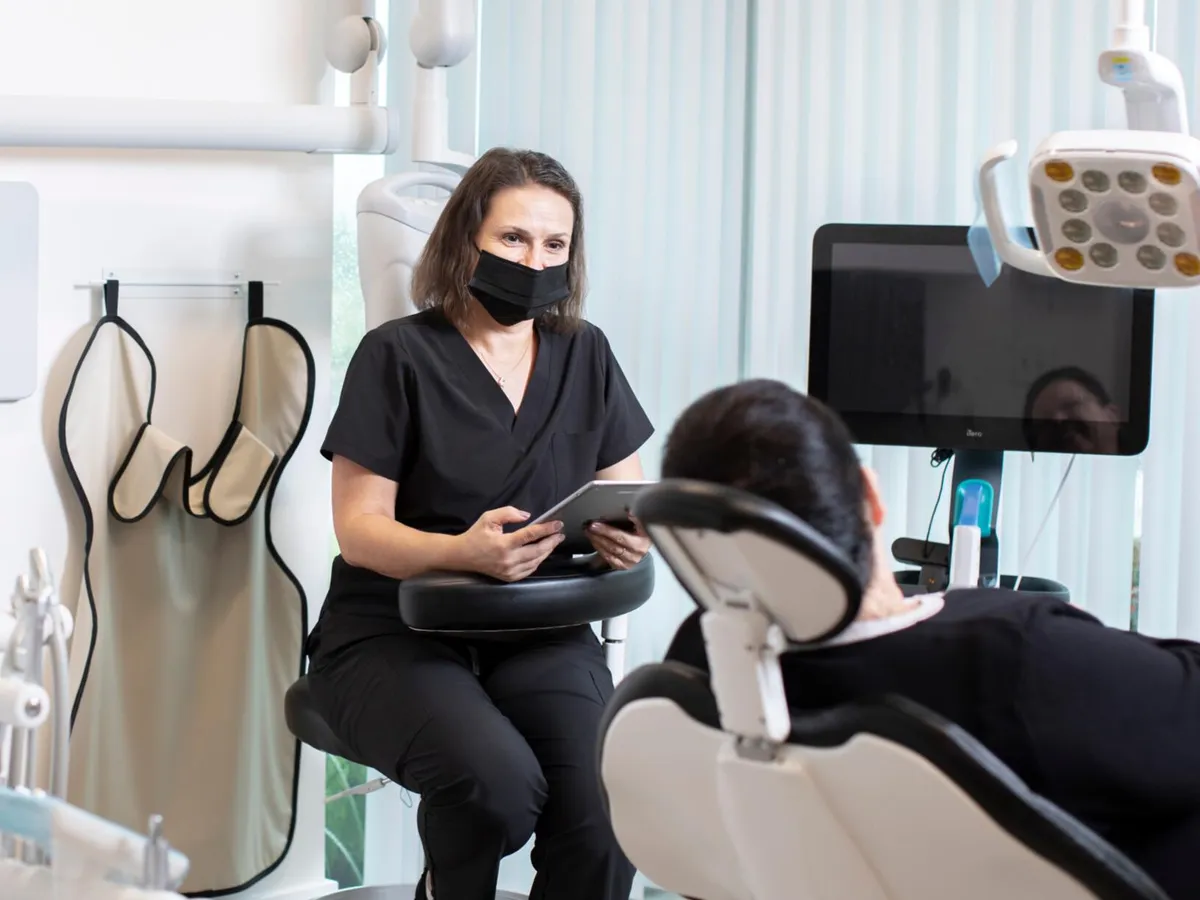
Your visit starts with 3D imaging that maps your jawbone and plans the exact implant angle and depth, plus a conversation about sedation options for your comfort. A single implant starts at $1,850, including the post, abutment, and a custom crown from our in-house lab, and we back our pricing with a price match guarantee on comparable written quotes. Our team verifies your insurance benefits for you, and flexible financing including 0% interest plans keeps care accessible. Full pricing details are on our implant cost page.
Take the First Step Toward Your New Smile
A temporary option like a flipper can carry you through the next few weeks, but a dental implant is the only replacement that preserves your jawbone and delivers a truly natural result in the smile zone. Acting quickly protects your bone, your facial structure, and your confidence.
With a 4.9-star rating across more than 740 reviews and offices in Roseville and El Dorado Hills serving the greater Sacramento area, our board-certified team is ready to help. Schedule your consultation, call (916) 292-9998, or find your nearest office. You can also meet our clinical lead, Dr. Alexander Antipov.