
Replacing a Failed Dental Implant: What to Expect
Replacing a Failed Dental Implant: What to Expect
A failed dental implant is not the end of the road. In most cases the site can be repaired and a new implant placed successfully. The key is understanding why the first implant failed and correcting that cause before trying again.
This guide explains how implant replacement works, from removal through final restoration.
Why the First Step Is Finding the Cause
Replacing an implant without identifying the original problem leads to repeat failure. A proper revision starts with a full diagnostic review.
Common reasons a first implant fails include:
- Infection around the implant
- Poor bone quality or insufficient bone volume
- Incorrect implant position or angle
- Excessive bite force or a poorly designed crown
Our specialists use 3D imaging and a clinical exam to pinpoint the cause. You can read more about these issues in our guide to dental implant failure causes and prevention.
Removing the Failed Implant
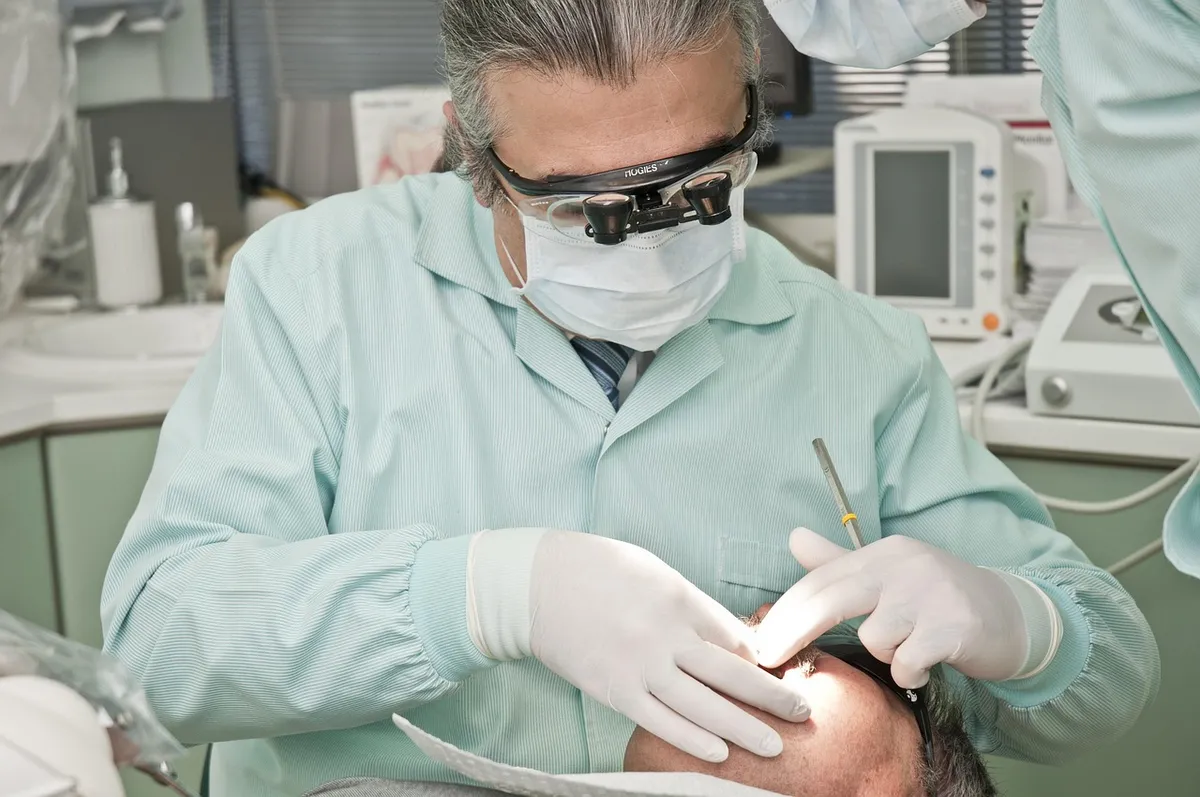
Removing a failed implant is usually straightforward, especially if the implant is already loose. Modern removal tools allow the implant to be taken out while protecting the surrounding bone.
After removal, the surgeon evaluates the bone that remains. The amount and quality of bone decides what happens next.
Repairing the Site Before Replacement
Many failed implants leave behind a bone defect that must be rebuilt before a new implant can succeed.
Depending on the case, treatment may include:
- A bone graft to rebuild lost volume
- Treatment of any active infection
- A healing period to allow the graft to mature
For larger defects, healing can take several months. For smaller sites, a new implant can sometimes be placed at the same visit. Learn how rebuilding works in our overview of bone grafting for dental implants.
Placing the New Implant
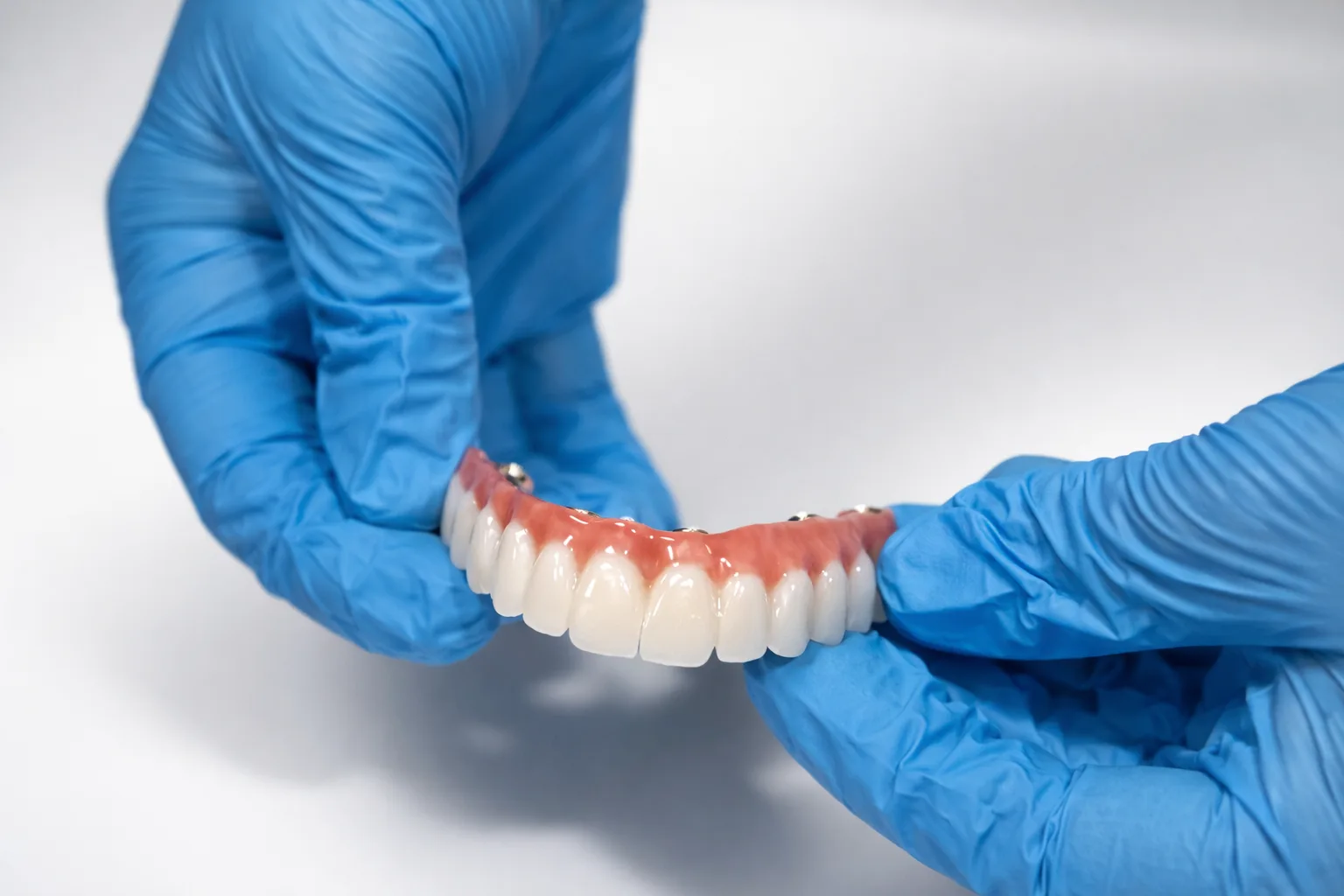
Once the site is healthy and stable, a new implant is placed with corrected planning. This often means a different implant size, a better angle, or a redesigned final restoration to balance the bite.

A revision case benefits from careful planning. Small changes in position and load distribution make the difference between another failure and a result that lasts for decades.
Success Rates for Replacement Implants
Replacement implants have high success rates when the original cause is corrected and the site is properly prepared. According to the American Academy of Implant Dentistry, implant dentistry continues to advance, and well-planned revision treatment restores function for most patients.
Frequently Asked Questions
Can a failed implant always be replaced?
Most sites can be restored, but timing depends on bone health. Some patients need grafting and a healing period first.
How long does the whole process take?
A simple replacement may take a few months. Cases that need bone repair can take six to nine months from removal to final teeth.
Will replacement cost more than the first implant?
Revision cases can involve extra steps such as grafting, so costs vary. A consultation gives you an accurate plan and estimate.
Expert Revision Care in Northern California
At Fusion Dental Implants our specialists focus on complex and complex revision cases every day. We diagnose the true cause, repair the site, and rebuild your smile with a plan designed to last.
About Fusion Dental Implants: Advanced implant and revision care in Roseville and El Dorado Hills, California.
Ready to Transform Your Smile?
Schedule your free consultation today and discover how dental implants can change your life.