For a straightforward case, a single tooth implant typically takes about three to six months from your first consultation to the final crown — but only a few hours of that is actual chair time. The rest is quiet biological healing that, for many patients, fades into the background of normal life. Understanding what happens in each phase — and what can compress or stretch the calendar — is the best way to plan treatment around your work, budget, and life.
The path: Free consultation + 3D CBCT scan → implant placement (usually about an hour) → osseointegration healing (generally 3–6 months) → abutment + custom crown from our in-house lab
The timeline at a glance
Every mouth is different — the table shows the common shape of the process, and your own plan is confirmed after your scan.
Phase 1: Consultation and 3D planning (one visit)
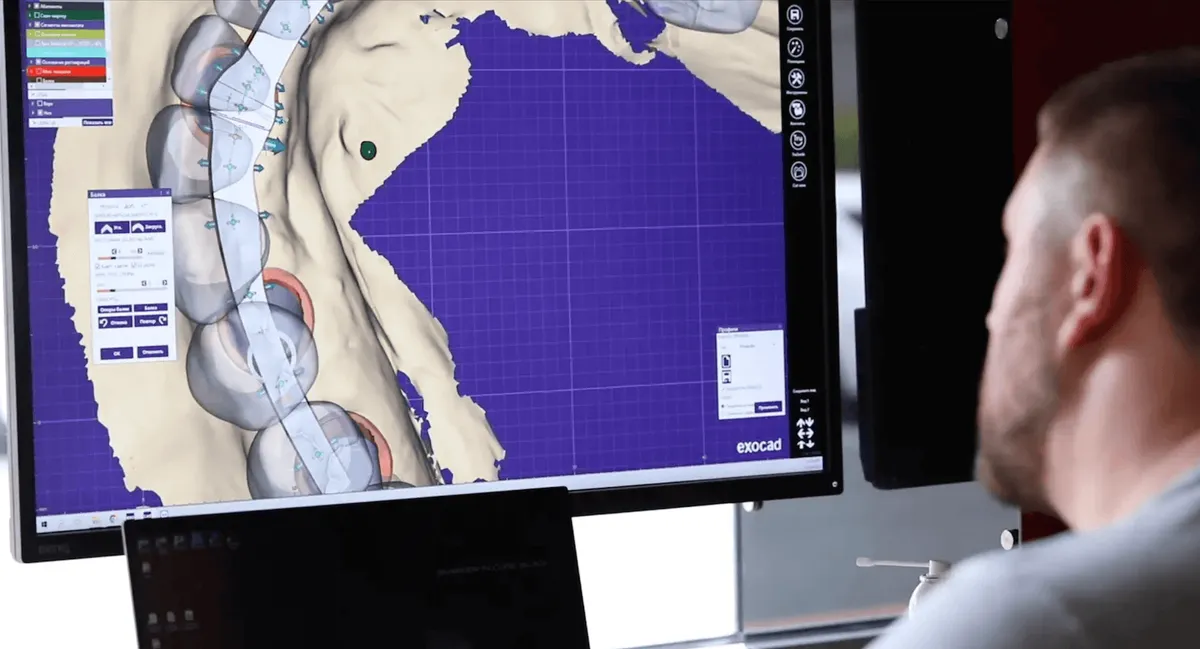
The timeline starts with a free consultation that includes a 3D CBCT scan. That scan maps your bone density, nerve positions, and sinus anatomy in three dimensions, which helps make the rest of the schedule more predictable: the surgical plan is built digitally before anything touches your mouth. You leave this visit with an assessment of your candidacy, an estimated timeline, and your all-inclusive written price — a single implant starts at $1,850.
Phase 2: Placement day (usually about an hour)
Placing a single implant is a shorter procedure than most patients expect — commonly around an hour of chair time for an uncomplicated case, done under local anesthesia with sedation options available. Because the placement follows the digital plan, the approach can be minimally invasive. Many patients with desk jobs are back at work within a day or two; healing speed varies by person, so follow your post-op instructions.
Phase 3: Osseointegration — the months you don't feel
Here's the honest answer to "why does it take months?": the implant needs time to become part of you. Osseointegration is the process where your jawbone grows onto the implant's titanium surface and locks it in place, and it generally takes three to six months. During this stretch you live your normal life — the healing happens on its own schedule. Loading an implant before the bone is ready can increase the risk of failure — which is why your clinician, not the calendar, decides when this stage is done. The wait is a feature of the process, not a delay.
What can shorten the timeline
- Immediate placement after extraction. When a failing tooth is removed and bone conditions are favorable, the implant can in some cases go in at the same visit as the extraction — collapsing two healing periods into one. Timing after extraction is a candidacy question your CBCT scan answers.
- A same-day temporary tooth. In select cases, a temporary restoration can be attached the day the implant is placed, which can help you avoid a visible gap while the permanent crown waits for healing to finish — depending on your clinical circumstances.
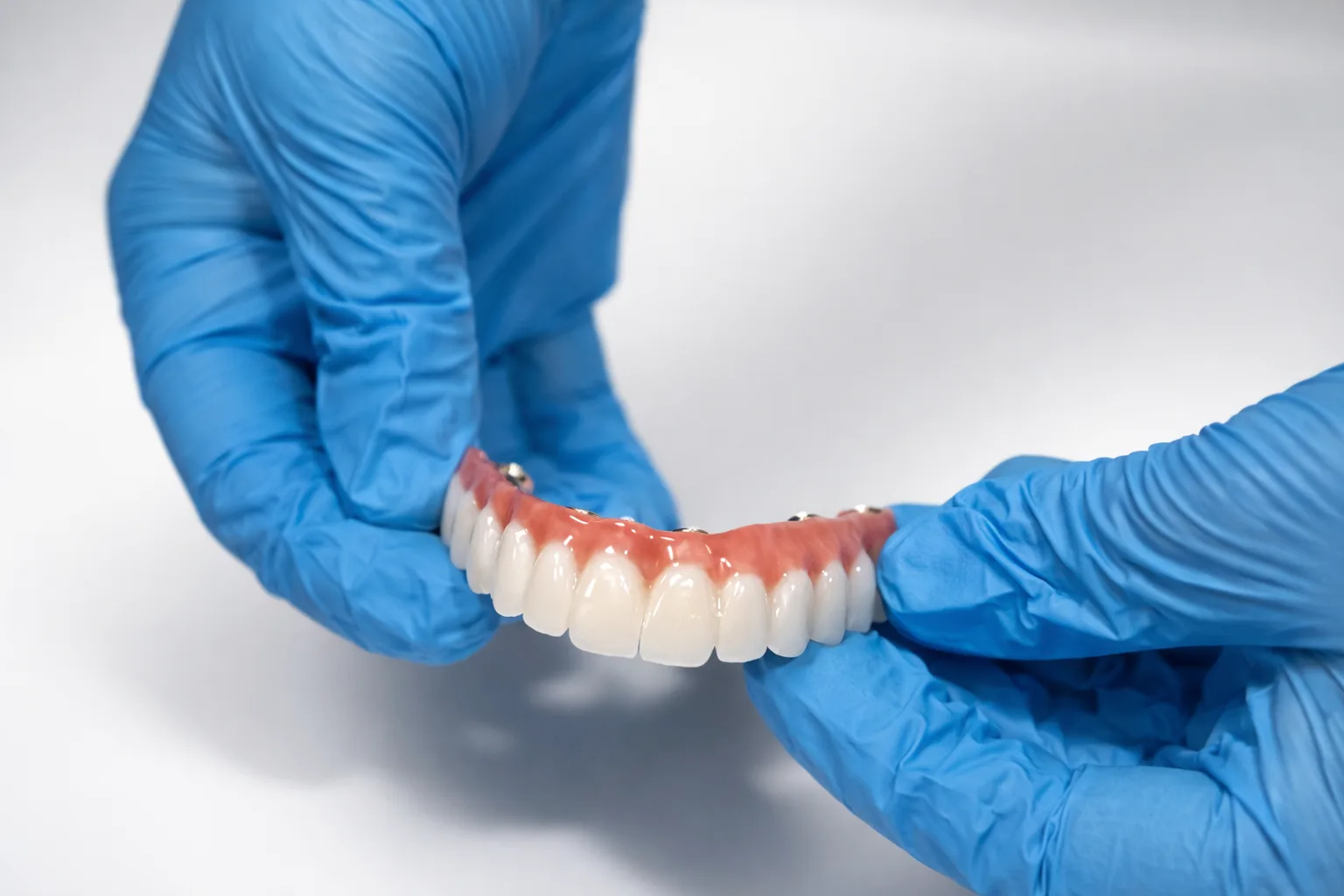
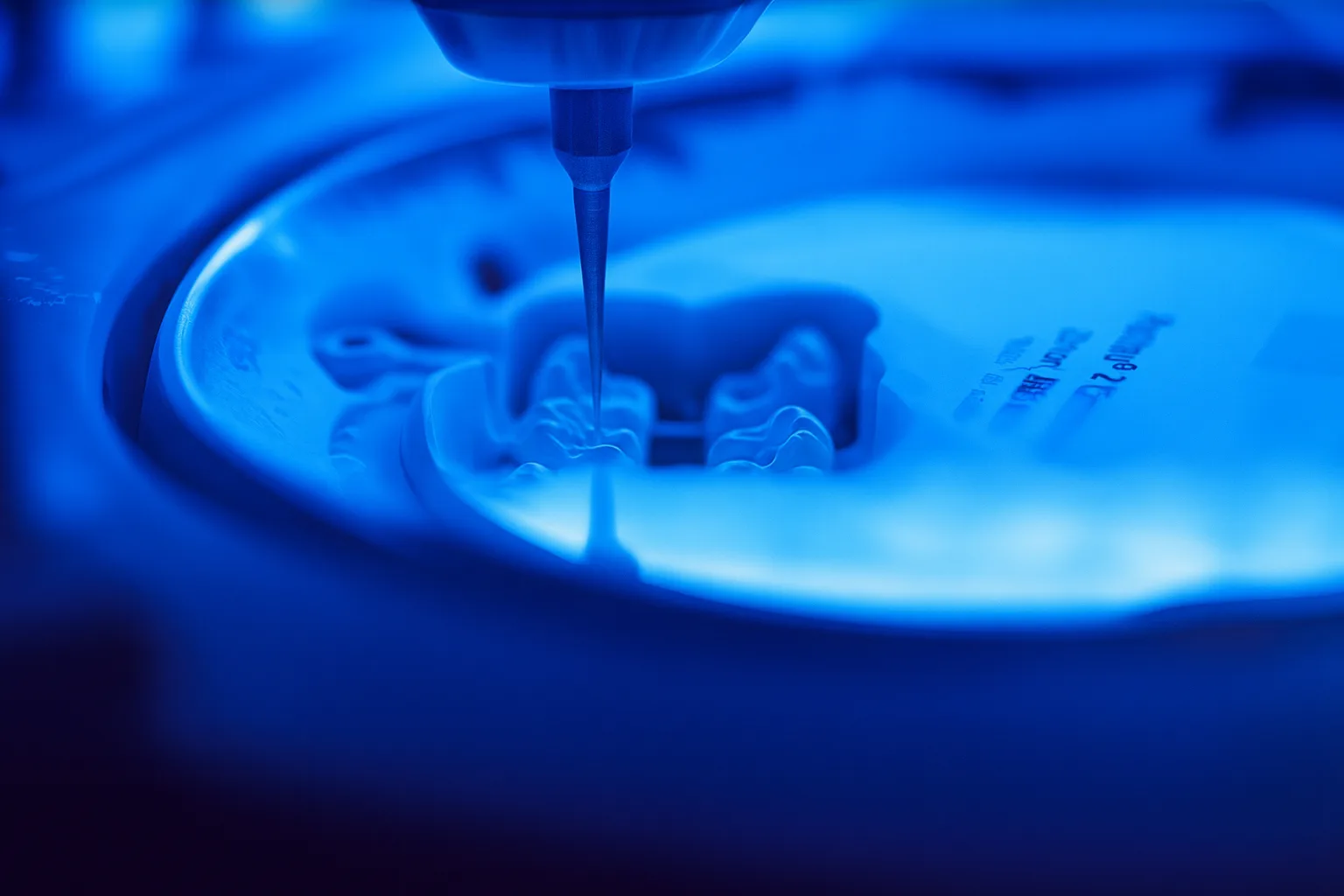
- In-house lab on the final step. In our practice, the custom crown is made in our own dental lab rather than shipped out, which lets us control the fit, shade, and turnaround of the finishing phase.
What can stretch the timeline
- Bone grafting. If the jawbone has thinned where the tooth has been missing, grafting rebuilds the foundation first — which generally adds months of healing, either before or alongside implant placement.
- Waiting on an extraction site. If a tooth was recently removed and immediate placement isn't advisable, the socket typically needs time to heal before the implant goes in.
- Healing factors. Smoking, poorly controlled diabetes, and certain medications can slow bone healing and may extend the osseointegration window. These are conversation topics at your consultation, not automatic disqualifiers.
One planning note worth knowing: the longer a gap goes untreated, the more the surrounding bone tends to resorb without a tooth root stimulating it — which is how waiting can convert a simple timeline into a grafting timeline. If you're weighing when to start, that's a reason to at least get the scan and know your starting point.
Planning the cost alongside the calendar
A months-long treatment window has a financial upside: it gives you room to plan. Patients commonly stack an insurance contribution, pre-tax HSA or FSA dollars, and monthly payment plans — including 0% financing for qualified patients through third-party lenders. Your written quote is all-inclusive, so the number you plan around is the number you pay.
In-House Dental Lab | Same-Day New Teeth | Transparent All-Inclusive Pricing | Lifetime Full-Arch Warranty | Price Match Guarantee
Ready to find out your timeline?
The generic answer is three to six months; your answer comes from a scan. Schedule a free consultation with 3D CBCT imaging at our Roseville or El Dorado Hills office, and leave with your candidacy, your calendar, and your all-inclusive written price.
Frequently Asked Questions
How long does a single tooth implant take from start to finish?
For a straightforward case, the process typically takes about three to six months from consultation to final crown. Most of that is quiet biological healing while the implant fuses with your jawbone — the actual appointments add up to only a few hours of chair time.
How long is the implant placement surgery itself?
Placing a single implant is usually a short procedure — commonly around an hour of chair time for an uncomplicated case, guided by a 3D surgical plan made from your CBCT scan. Many patients return to normal routines within a day or two; healing timelines vary by person.
Why does the process take months if the surgery is so short?
The wait is osseointegration — the period when your jawbone grows onto the implant surface and locks it in place, which generally takes a few months. Rushing this stage risks implant failure, so the healing window is a feature of the process, not a delay.
Can a single tooth implant ever be done faster?
Sometimes. When a tooth is removed and bone conditions are favorable, an implant can in some cases be placed at the same visit as the extraction, and a temporary tooth may be attached the same day. Candidacy depends on your anatomy — a 3D CBCT scan is how we determine whether an accelerated path is safe for you.
What can make the timeline longer?
The most common extensions are bone grafting (which generally adds months of healing before or alongside implant placement), waiting for an extraction site to heal, and health factors that slow healing, such as smoking or poorly controlled diabetes. Your consultation maps these out before anything is scheduled.
How much time will I need off work?
Many patients with office-based jobs return to work within a day or two of single implant placement, while physically demanding jobs may warrant a few extra days. Individual healing varies, so follow the specific guidance you receive after surgery.
How long does the final crown take once healing is done?
After osseointegration is confirmed, the finishing stage — attaching the abutment and fitting the custom crown — typically takes a small number of short visits. In our practice, the crown is crafted in our in-house dental lab, which lets us control fit, shade, and turnaround on that final step.
What does a single tooth implant cost at Fusion Dental Implants?
A single implant starts at $1,850 — an all-inclusive figure quoted in writing after a free consultation and 3D CBCT scan, with a price match guarantee for comparable local quotes and 0% financing available for qualified patients through third-party lenders.
This article is for general patient education and is not medical advice. Healing timelines vary by individual; consult Dr. Antipov or your dental professional for guidance specific to your situation.
Sources: FDA: Dental Implants — What You Should Know · NIH/NIDCR: Oral Health Topics
About Fusion Dental Implants: We specialize in advanced dental implant solutions with locations in Roseville and El Dorado Hills, California.
Related reading: