
Snap-In Dentures: The Complete 2026 Guide to Secure, Implant-Supported Smiles
Medically reviewed byDr. Alexander Antipov— 2026-07-20
Snap-in dentures are removable dentures that lock onto 2 to 4 dental implants with a mechanical click, giving you stability that suction and adhesives cannot match. At Fusion Dental Implants in Roseville and El Dorado Hills, board-certified oral surgeons place implant-supported snap-in systems starting at $9,999 per arch, serving the Sacramento region and all of Northern California.
This is general information, not medical advice. Whether snap-in dentures fit your situation depends on your bone, gum health, and goals, which a specialist evaluates with 3D imaging.
| Feature | Traditional dentures | Snap-in dentures |
|---|---|---|
| How they stay in | Suction and adhesive | Mechanical lock onto implants |
| Slipping while eating or talking | Common | No |
| Upper palate coverage | Full palate plate | Often eliminated |
| Bone loss over time | Continues | Slowed at implant sites |
| Removable for cleaning | Yes | Yes |
| Implants required | None | 2 to 4 per arch |
What Are Snap-In Dentures?
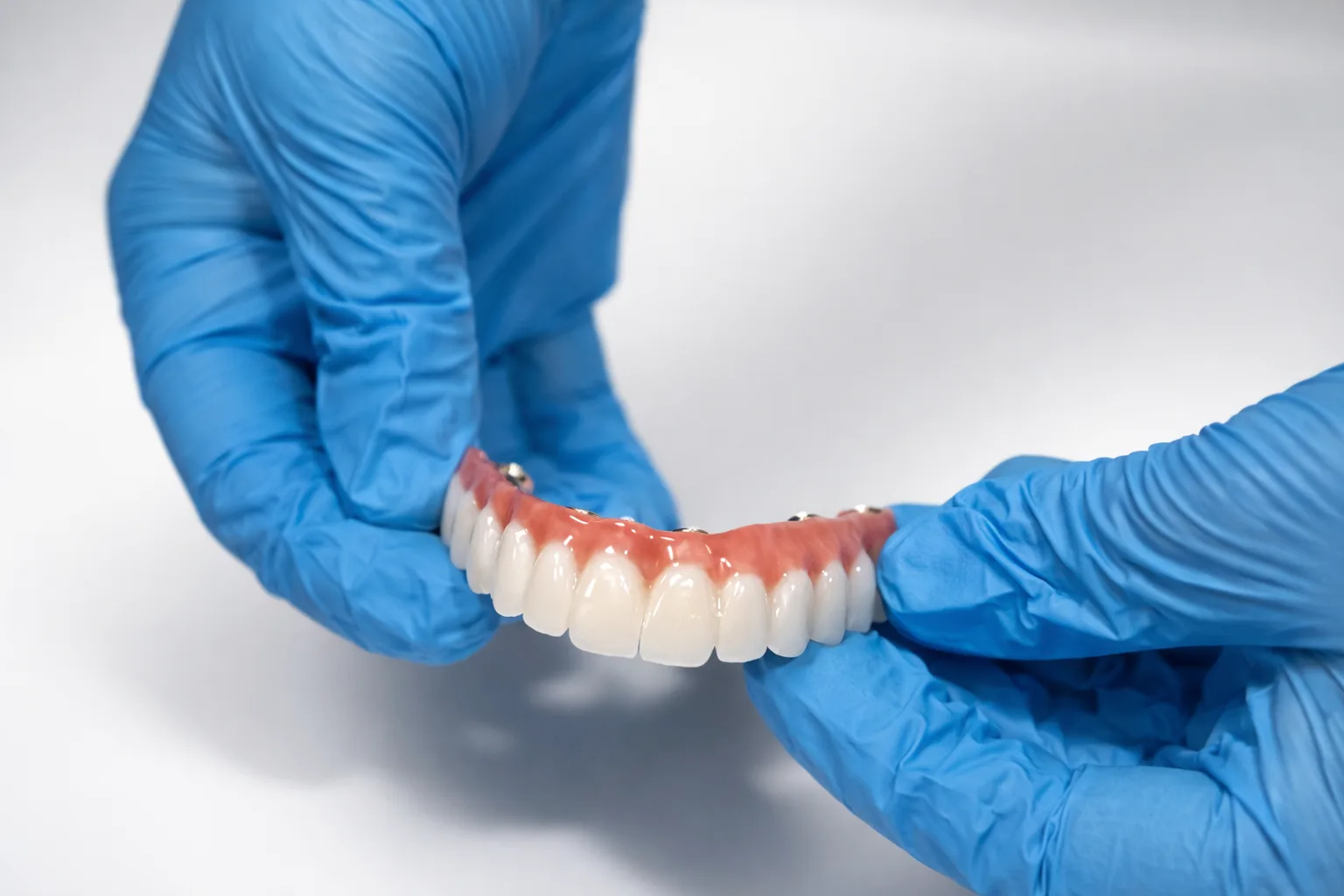
If you wear a traditional denture, you know the drill: the lower plate floats, the upper plate needs a thick layer of adhesive, and you order the soup instead of the steak. A snap-in denture (also called an implant-supported overdenture) changes the physics. Instead of resting on your gums, the denture locks directly onto titanium implants anchored in your jawbone. It is a hybrid: you keep the convenience of a removable appliance that is easy to clean, and you gain the structural security of artificial tooth roots.
One upgrade patients notice immediately on the upper arch: because implants provide the retention, we can often eliminate the palate-covering plate entirely. That restores your sense of taste and food temperature, which the full plate muffles. If you are comparing terminology, snap-in and snap-on describe the same category of appliance; our complete snap-on denture guide covers the cost and pros-and-cons side in depth.
How the Snap Mechanism Works
The system has three parts:
- Implant posts. Titanium implants placed in the jaw act as artificial roots and provide the permanent foundation.
- Locator attachments. Small stud-shaped connectors on top of the implants act as docking stations. Inside the denture, matching sockets line up with each stud.
- Nylon inserts (O-rings). Replaceable nylon pieces inside the denture housings grip the studs and produce the distinct, audible snap when you press the denture into place.
That click is more than mechanical; it tells you your teeth are locked in for the meal or the conversation ahead. The inserts absorb the daily friction, so they gradually lose grip and get swapped during a quick office visit every 6 to 12 months, restoring the original tight fit each time.
Implant counts differ by arch. The lower jaw is dense, so two implants usually deliver life-changing stability there. The upper jaw is softer and more porous, so four implants are the norm to prevent rocking and keep your bite balanced. Our implant-supported overdenture overview goes deeper on the arch-by-arch engineering.
Candidacy: Bone Loss, Imaging, and the Surgical Timeline
The ideal candidate has healthy gums and a commitment to daily hygiene; nicotine slows healing, so non-smokers heal more predictably. The bigger question is usually bone. Years of wearing traditional dentures shrinks the jawbone, and many patients arrive asking whether they have enough left.
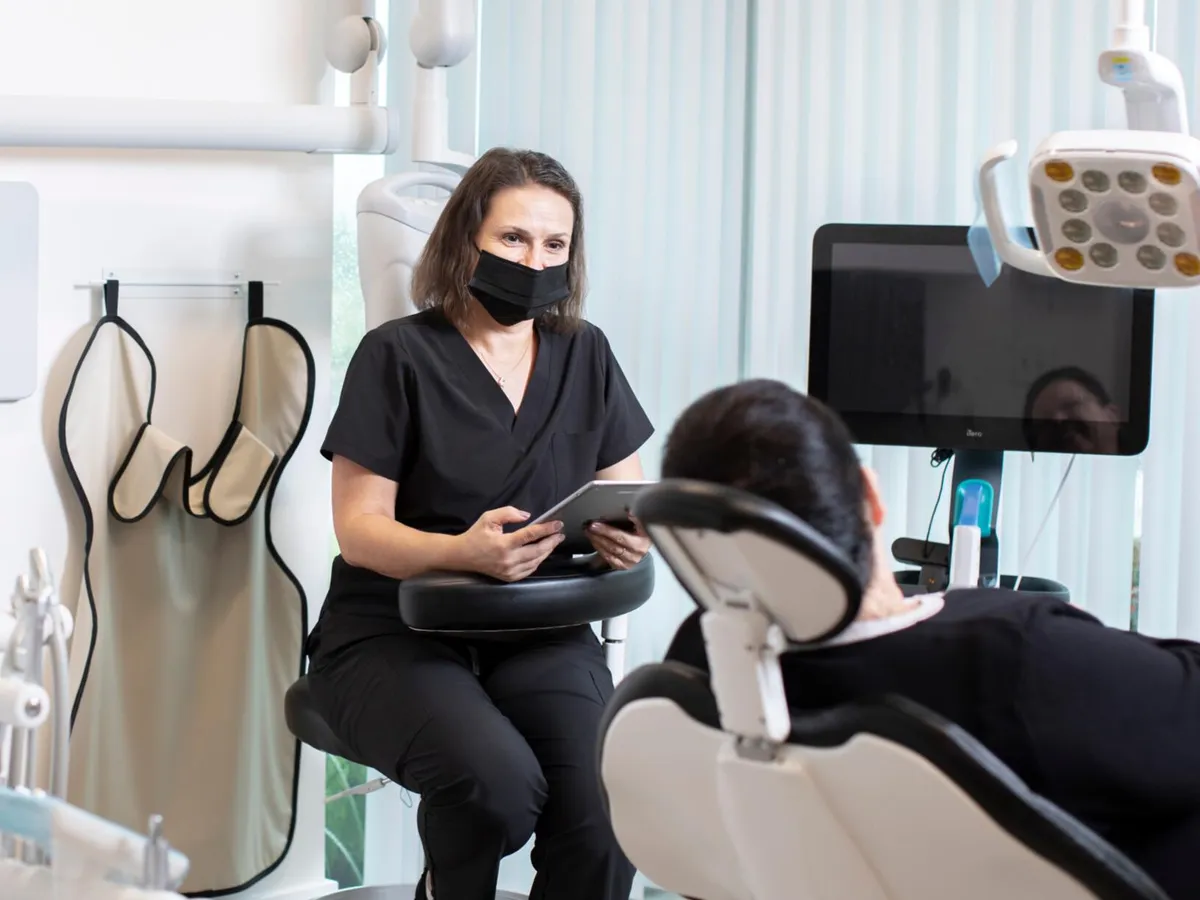
That is exactly what 3D CBCT scanning answers. The scan maps your bone in detail and lets the surgeon plan each implant around nerves and sinuses before anything touches your mouth. Where bone has receded, bone grafting can rebuild the foundation, and in select cases narrower implants that need less bone volume are an option.
The timeline itself is methodical:
- Digital planning. Your smile is designed around your facial proportions and the scan data.
- Implant placement. Usually done under IV sedation for comfort, with guided placement following the digital plan.
- Osseointegration. Over roughly 3 to 6 months, bone fuses to the titanium posts.
- Final fit. Your custom denture snaps onto the healed implants.
A bonus most patients do not expect: because implants stimulate the jaw the way roots do, they help slow the bone shrinkage that causes the sunken look of long-term denture wear.
Costs, Financing, and Long-Term Maintenance
Snap-in dentures occupy the practical middle ground of full-arch dentistry: substantially more stable than traditional plates, and less costly than fixed full-arch implant bridges because they use fewer implants and a simpler prosthetic. At Fusion Dental Implants, snap-in systems start at $9,999 per arch, backed by our price match guarantee. Your total depends on extractions, grafting, and how many implants your anatomy needs, which is why every quote here follows a scan, not a guess.
Many dental plans contribute toward the denture portion as a major restorative service, though coverage for the surgical implant placement varies by policy. We help you check your benefits and offer financing plans that break the investment into monthly payments.
Ongoing care is simple and inexpensive:
- Daily: brush the denture with a soft brush and non-abrasive cleaner; clean the locator attachments on your gums; remove the denture at night so tissue can rest.
- Every 6 to 12 months: replace the nylon inserts at a quick office visit to restore the tight snap.
- Every 5 to 8 years: the denture portion itself typically needs replacement from normal wear; the implants are designed to stay.
Compare that with the recurring cost of adhesives and frequent relines on a traditional plate, and the long-term math favors the implants. Our fixed vs. snap-in comparison helps you decide between the two implant paths.
Why a Specialist Matters for Snap-In Dentures
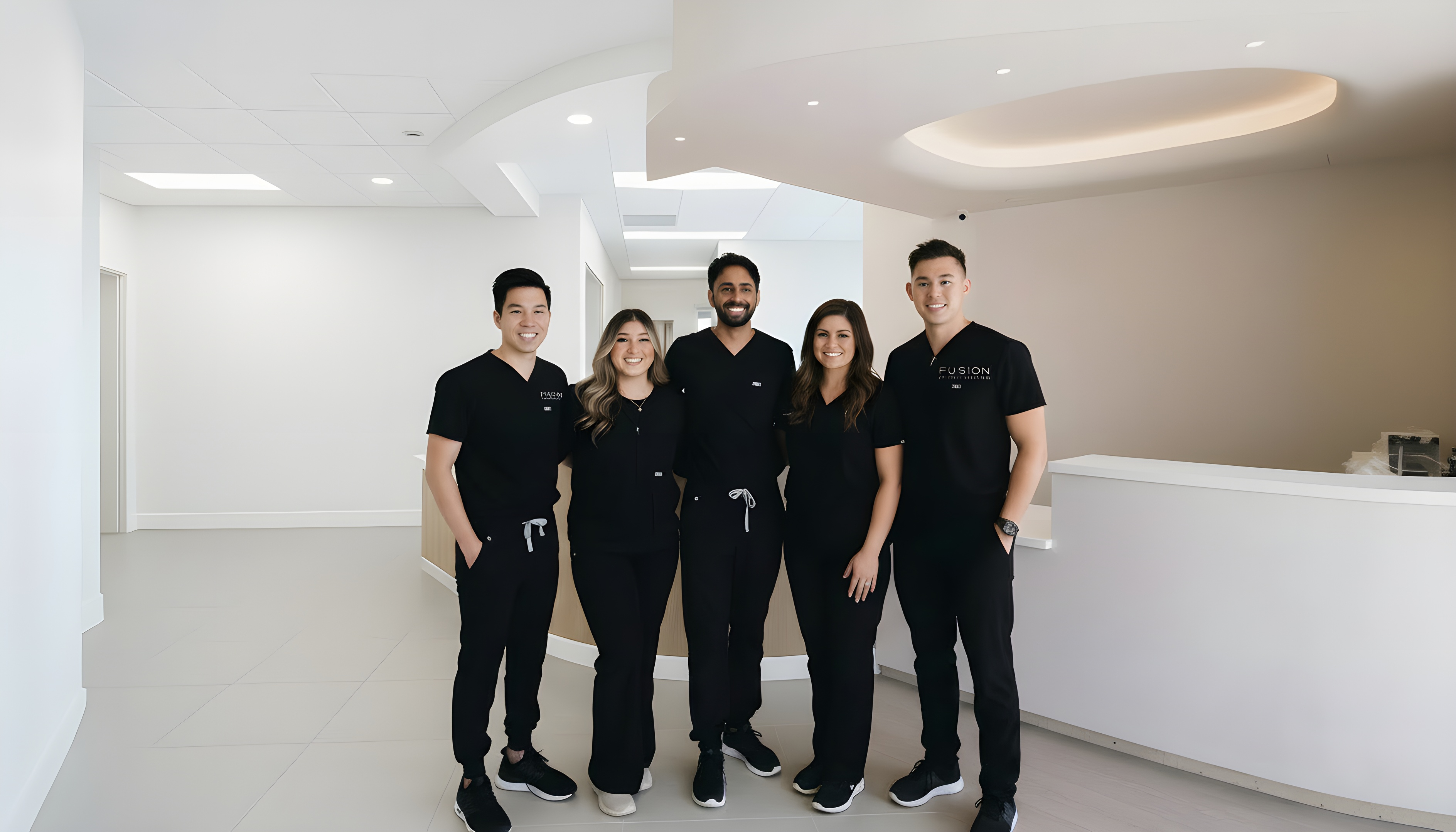
The prosthetic is only as good as the foundation under it. Snap-in dentures demand both surgical precision and restorative planning, and that combination is our entire practice. Board-certified oral surgeons at Fusion Dental Implants plan every case on 3D imaging with guided surgery software, place implants minimally invasively, and handle the process in-house from scan to final snap. IV sedation is available for anxious patients.
We serve the Sacramento region and all of Northern California from offices in Roseville and El Dorado Hills. Bring your medication list and any recent X-rays to your consultation and you will leave with a clear roadmap: implant count, timeline, total cost, and financing options. The FDA's overview of dental implants is a helpful neutral resource while you weigh your options. You can also explore our Fusion Snap treatment page for what the process looks like here.
Schedule your free consultation or call (916) 292-9998 to find out whether snap-in dentures fit your jaw, your budget, and your life.
Frequently Asked Questions
Can I eat normally with snap-in dentures?
Yes, far more normally than with traditional plates. Because snap-in dentures are anchored to implants, they restore a substantial share of natural biting force, so foods like steak, apples, and crunchy vegetables come back on the menu. We suggest starting with smaller bites while you adjust to the new stability.
How long do snap-in dentures last before needing replacement?
The implants themselves are designed to be a permanent part of your jaw with proper care. The removable denture portion typically needs replacement every 5 to 8 years due to normal wear, and the small nylon inserts that create the snap are swapped every 6 to 12 months to keep the fit tight.
Can I sleep in my snap-in dentures?
We recommend removing them every night. Taking the denture out lets your gum tissue rest, prevents irritation and fungal buildup, and gives you the chance to soak the prosthesis in a cleaner. It also keeps the locator attachments free of plaque so the snap stays crisp.
How many implants are needed for a snap-in denture?
Most patients need 2 to 4 implants per arch. The lower jaw is usually dense enough that two implants provide excellent stability. The upper jaw has naturally softer bone, so four implants are typically recommended to keep the denture balanced. 3D imaging determines the exact number for your anatomy.
Are snap-in dentures painful to get?
The placement procedure is done under local anesthesia, with IV sedation available, so you should feel pressure rather than pain. Afterward, some swelling and tenderness for a few days is normal and is managed with prescribed or over-the-counter medication.
Can I get snap-in dentures if I already have bone loss?
Often, yes. Years of wearing traditional dentures does shrink the jawbone, but bone grafting can rebuild the foundation, and in some cases narrower implants that need less bone volume are an option. A CT scan of your jaw tells us exactly what is possible for your case.
How do I clean and maintain my snap-in dentures?
Brush the denture daily with a soft brush and non-abrasive cleaner, and gently clean the locator attachments on your gums so plaque does not interfere with the snap mechanism. Regular checkups let us monitor the implants and replace the nylon inserts when they start losing grip.
Is the snap mechanism reliable for the long term?
Yes, because it is a physical, mechanical lock between the denture and the implants rather than suction or adhesive. The nylon inserts inside the denture do wear down over time, but they are inexpensive, designed to be replaced in minutes, and restore the original tight fit each time.
About Fusion Dental Implants: We specialize in advanced dental implant solutions with locations in Roseville and El Dorado Hills, California, serving the Sacramento region and all of Northern California. Call (916) 292-9998 to schedule your free consultation.
Related reading
Ready to Transform Your Smile?
Schedule your free consultation today and discover how dental implants can change your life.