Dental Crowns and Bridges in Roseville and El Dorado Hills
Dental crowns and bridges are two of the most common and most valuable restorations in dentistry. A crown protects and restores a damaged tooth. A bridge replaces one or more missing teeth. Together, they solve a huge range of dental problems, from a cracked molar to a gap in your smile.
At Fusion Dental Implants, serving Roseville, El Dorado Hills, Sacramento, Folsom, Rocklin, and Northern California, crowns and bridges are part of our comprehensive general and restorative dentistry services. Here is how each works and how to know which is right for you.
What Is a Dental Crown?
A dental crown is a custom-made cap that covers the entire visible portion of a tooth, restoring its shape, size, strength, and appearance. Think of it as a protective helmet for a tooth that is too damaged for a simple filling but still has a healthy root.
When Do You Need a Crown?
A crown is recommended when a tooth is:
- Cracked or fractured
- Severely decayed (too much structure lost for a filling)
- Worn down from grinding or age
- Treated with a root canal (which leaves the tooth more brittle)
- Badly discolored or misshapen (cosmetic crowns)
- Topped on a dental implant (the visible tooth of an implant is a crown)
Crown Materials
Modern crowns are made from a variety of materials, each with advantages:
- Porcelain/ceramic. The most natural-looking, ideal for front teeth and visible areas
- Zirconia. Extremely strong and natural-looking, excellent for back teeth and high-bite-force areas
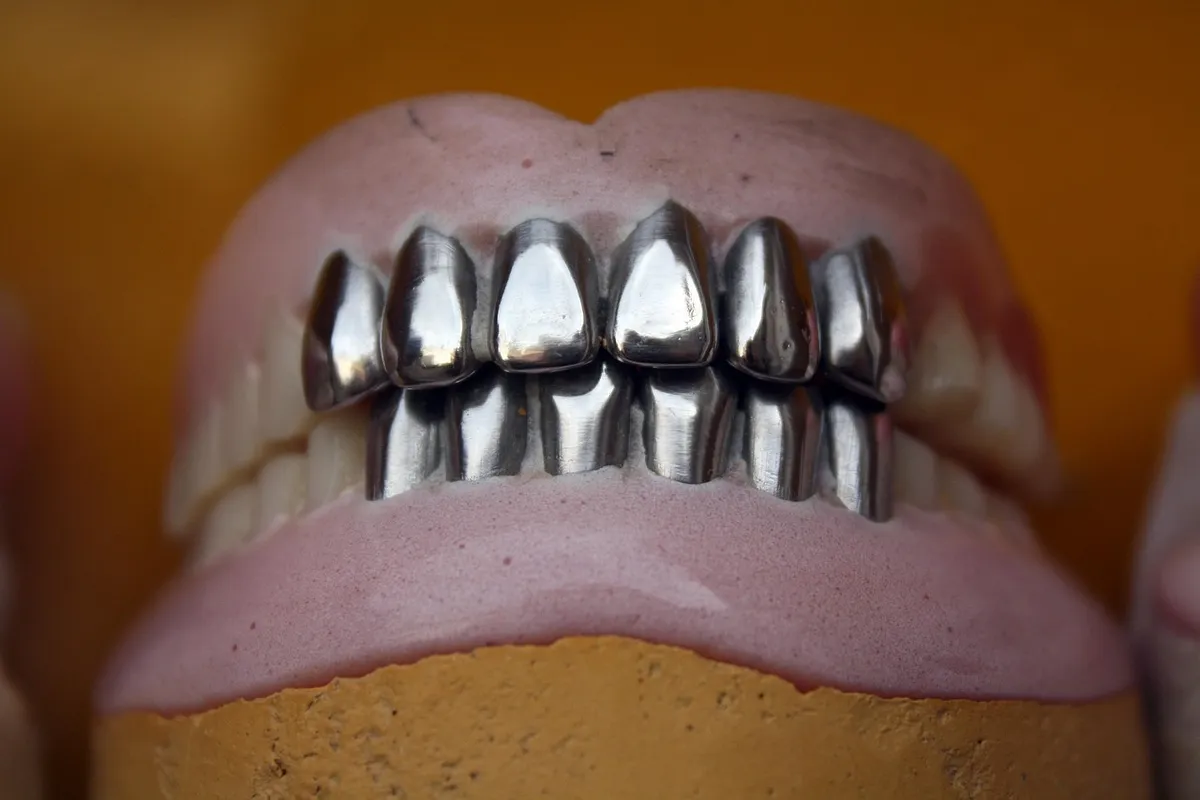
- Porcelain-fused-to-metal. Strong with a natural appearance, a long-established option
At Fusion Dental Implants, we typically recommend all-ceramic or zirconia crowns for the best combination of strength and natural aesthetics, with no metal and no dark lines at the gumline.
What Is a Dental Bridge?
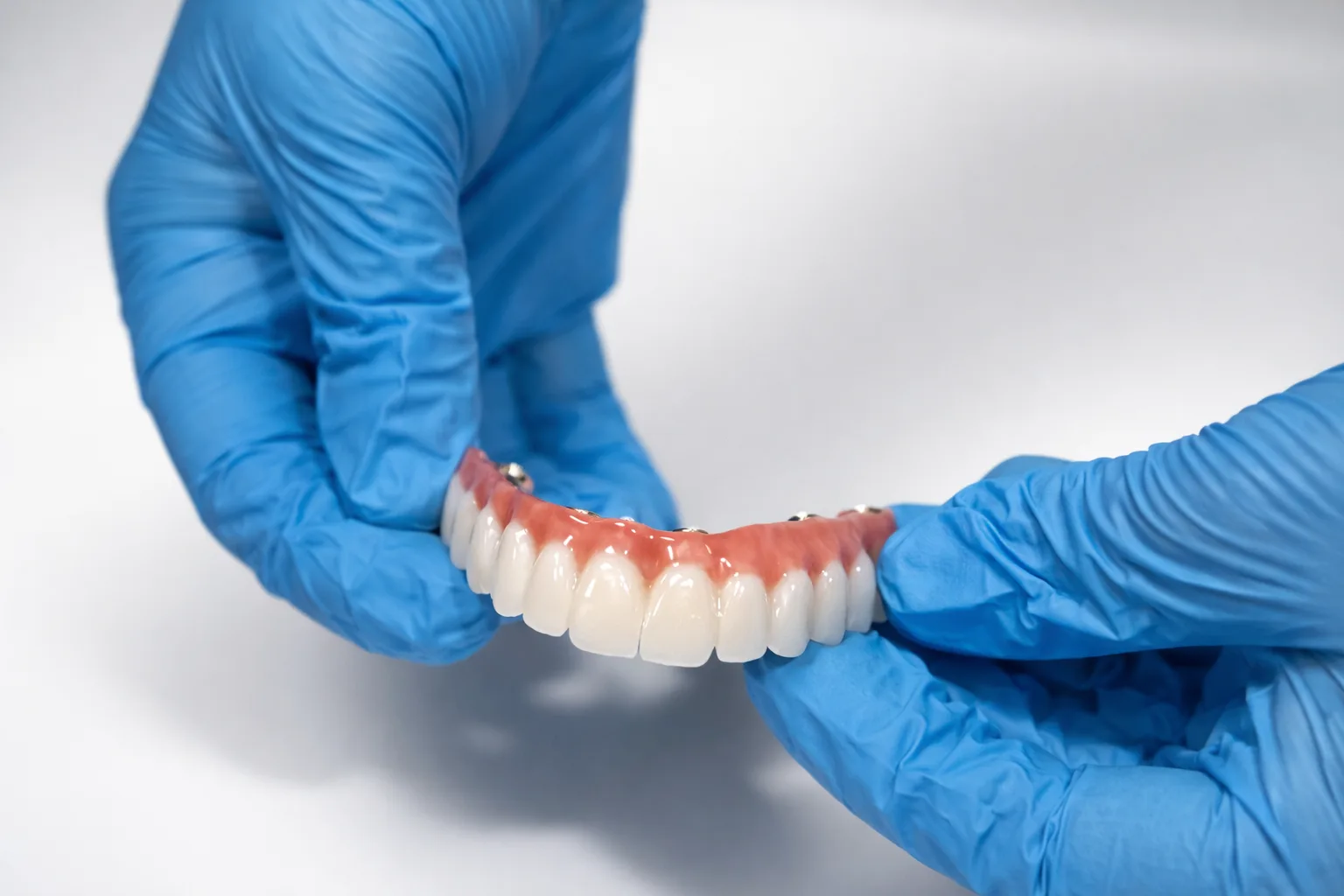
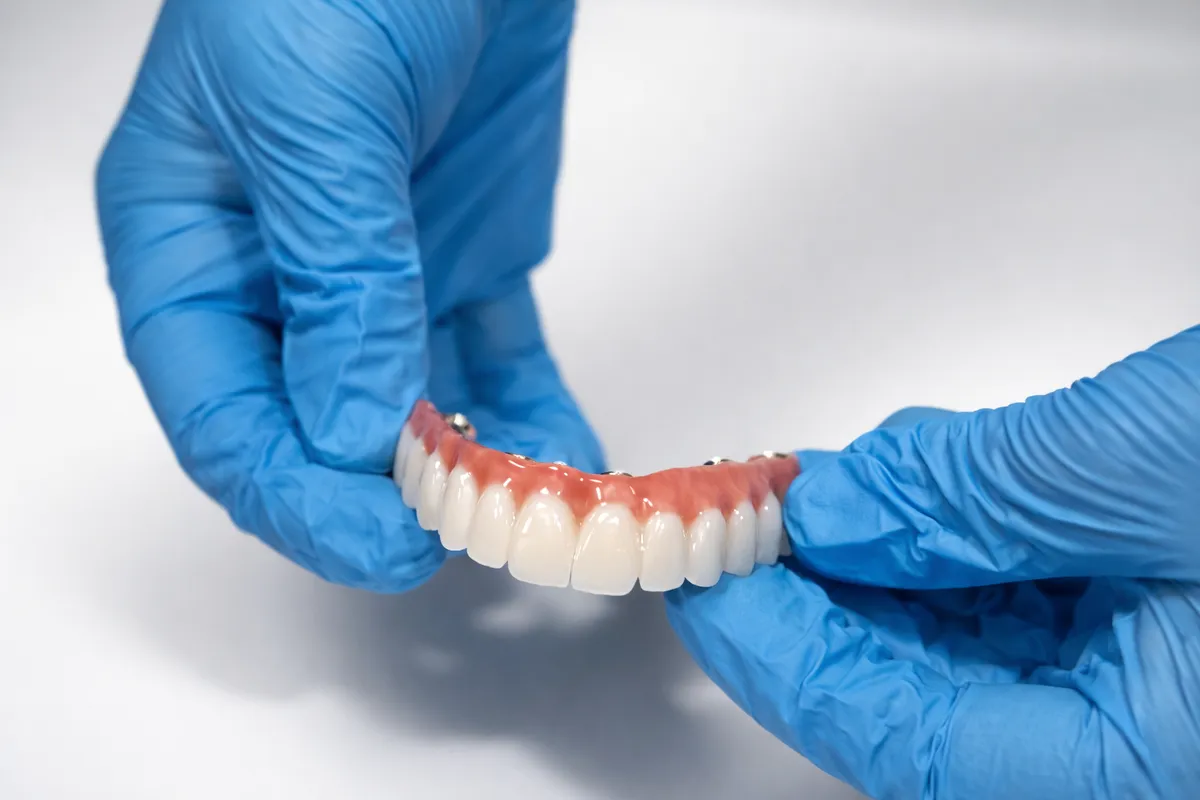
A dental bridge literally bridges the gap created by one or more missing teeth. A traditional bridge consists of one or more artificial teeth (called pontics) held in place by crowns on the natural teeth on either side of the gap (called abutment teeth).
When Do You Need a Bridge?
A bridge is an option when you have:
- One or more missing teeth in a row
- Healthy teeth on both sides of the gap to serve as anchors
- A preference for a fixed (non-removable) restoration
- A situation where dental implants are not the chosen path
Types of Bridges
- Traditional bridge. Pontic held by crowns on both neighboring teeth (most common)
- Cantilever bridge. Anchored on only one side (used in specific situations)
- Maryland bridge. Bonded to the back of adjacent teeth with metal or porcelain wings (conservative, often for front teeth)
- Implant-supported bridge. Anchored by dental implants rather than natural teeth, ideal when several teeth in a row are missing
Crowns and Bridges vs. Dental Implants
Because dental implants are our specialty, we want to give you an honest comparison. There is no single right answer, only the right answer for your specific situation.
| Traditional Bridge | Implant | |
|---|---|---|
| Affects neighboring teeth | Yes (must be crowned) | No |
| Preserves jawbone | No | Yes |
| Treatment time | 2 to 3 weeks | 3 to 6 months |
| Upfront cost | Lower | Higher |
| Typical lifespan | 10 to 15 years | Designed to last a lifetime |
| Best for | Faster, lower-cost fixed solution | Long-term, bone-preserving solution |
The most important difference: a traditional bridge requires grinding down the two healthy teeth next to the gap to serve as anchors, and it does nothing to stop the bone loss that occurs where a tooth is missing. An implant stands alone, leaves neighboring teeth untouched, and preserves the bone. For a deeper comparison, read our guide on implants vs. bridges over the long term.
That said, bridges remain an excellent, time-tested solution in many situations, especially when the neighboring teeth already have crowns, when treatment time is a priority, or when budget is a deciding factor. We will walk you through the tradeoffs honestly so you can make the best decision for you.
The Crown and Bridge Process
Step 1: Preparation
The tooth (or teeth) receiving a crown is gently reshaped to make room for the restoration. For a bridge, the two anchor teeth are prepared to receive crowns.
Step 2: Impressions
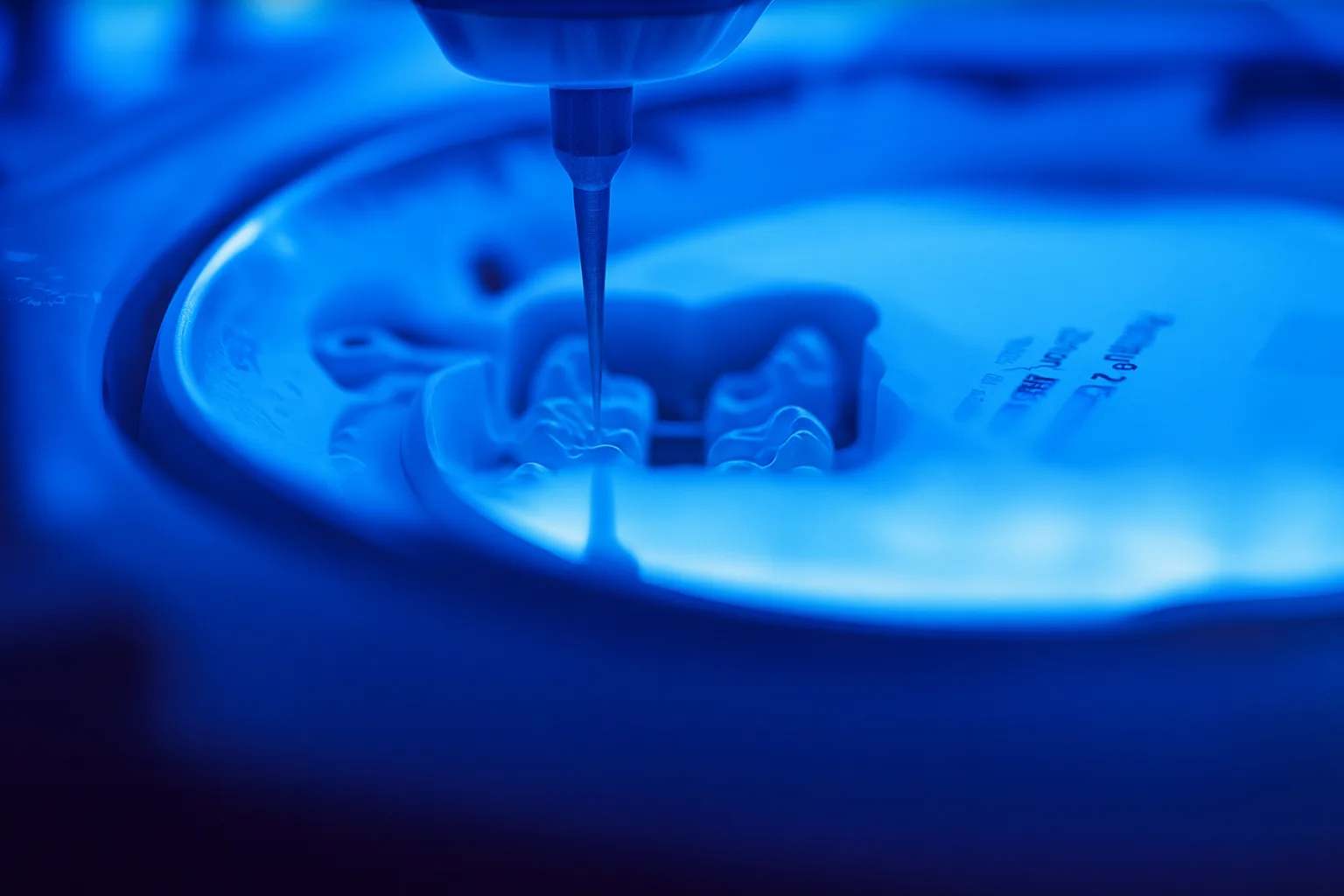
We take a precise digital scan or impression of the prepared teeth, which is used to fabricate your custom restoration for an exact fit and natural appearance.
Step 3: Temporary Restoration
A temporary crown or bridge protects your prepared teeth while your final restoration is being made.
Step 4: Final Placement
At your second visit, the temporary is removed and your permanent crown or bridge is fitted, adjusted for a comfortable bite, and cemented into place. You leave with a fully restored, natural-looking smile.
How Much Do Crowns and Bridges Cost?
In the Roseville and Sacramento region, typical costs are:
- Single crown: $1,000 to $1,800
- Traditional three-unit bridge: $3,000 to $5,000
- Implant-supported bridge: Varies by number of implants and teeth
Fusion Dental Implants offers flexible financing and provides exact, itemized pricing at your consultation.

How Long Do Crowns and Bridges Last?
With good oral hygiene and regular dental visits, crowns and bridges typically last 10 to 15 years, and often longer. Their lifespan depends on how well you care for them, your bite forces, and the health of the underlying tooth (for crowns) or anchor teeth (for bridges). Avoiding hard foods, treating teeth grinding, and keeping up with cleanings all extend their life.
The Fusion Dental Implants Advantage
Because we specialize in implants and offer comprehensive general dentistry, we can give you the complete picture. We will recommend a crown or bridge when it is genuinely the best option for you, and we will recommend an implant when that serves you better, always with a clear, honest explanation of the tradeoffs.
Schedule your appointment today
Frequently Asked Questions
What is the difference between a dental crown and a bridge?
A crown is a cap that covers and restores a single damaged tooth. A bridge replaces one or more missing teeth by anchoring artificial teeth to crowns on the neighboring teeth or to dental implants.
How much do dental crowns and bridges cost?
In the Sacramento region, a single crown typically costs $1,000 to $1,800, and a traditional three-unit bridge costs $3,000 to $5,000. Fusion Dental Implants provides exact pricing at your consultation and offers financing.
How long do dental crowns and bridges last?
With good care, crowns and bridges typically last 10 to 15 years or longer. Their lifespan depends on oral hygiene, bite forces, and the health of the underlying and supporting teeth.
Should I get a bridge or a dental implant?
Implants preserve bone and do not require altering neighboring teeth, but cost more and take longer. Bridges are faster and less expensive but rely on adjacent teeth. The right choice depends on your situation. Fusion Dental Implants will help you decide.
Where can I get a dental crown or bridge near Roseville or Sacramento?
Fusion Dental Implants offers crowns and bridges at our Roseville and El Dorado Hills offices, serving the greater Sacramento region. Call (916) 292-9998.
About Fusion Dental Implants: We specialize in advanced dental implant solutions with locations in Roseville and El Dorado Hills, California. Call (916) 292-9998 to schedule your appointment.
Ready to Transform Your Smile?
Schedule your free consultation today and discover how dental implants can change your life.