Gum Health with Dental Implants: What to Know in 2026
Healthy gums around dental implants need daily cleaning and professional monitoring, even when the implant feels comfortable. Persistent bleeding, swelling, discharge, or a change in fit should be assessed rather than treated as normal.
Could a dental implant feel comfortable while the gum tissue around it still needs attention? It can be hard to tell which changes are part of healing and which deserve a closer look, especially if you’re concerned that inflammation could affect implant stability. Protecting gum health with dental implants starts with consistent, gentle daily care and knowing when to seek professional guidance.
Healthy gums support the tissues around an implant. Brushing carefully matters, but so does cleaning between the implant and nearby teeth. Redness, swelling, bleeding, tenderness, or changes that persist shouldn’t be ignored. Some soft-tissue inflammation can be reversible, while inflammation involving bone loss needs more involved care. An examination is needed to understand what’s happening. This article explains how to clean around implants, which symptoms to watch for, and how regular professional assessments can guide care. You’ll find practical steps for your daily routine and guidance on when to arrange an implant-focused evaluation.
Key Takeaways
- Learn what healthy tissue around an implant can look like and why the surrounding gum and bone need ongoing care.
- Understand the difference between inflammation limited to soft tissue and problems involving supporting bone, without assuming every symptom means implant failure.
- Build a gentle daily routine for gum health with dental implants, using cleaning tools suited to your restoration and individual needs.
- Recognize changes worth discussing with a dental professional, especially if they persist or make cleaning difficult.
- See how an implant-focused evaluation can consider your symptoms, restoration, health history, and any clinically appropriate examination or imaging.
Gum Health with Dental Implants: What Healthy Tissue Looks Like
Receiving an implant doesn’t end the need to care for the tissues around it. The gums and supporting bone, known together as peri-implant tissues, help protect and support the restoration over time. Paying attention to how the area feels during everyday brushing can help you notice changes, but a mirror alone can’t confirm whether the tissues are healthy.
A stable implant site generally feels comfortable during routine cleaning, without ongoing tenderness, swelling, or bleeding. Gumline shape and appearance vary from person to person, and the restoration’s design can affect what you see. A change in color or contour, or an isolated spot of bleeding, doesn’t by itself prove there’s a problem. Persistent or worsening changes deserve attention, particularly if they make brushing uncomfortable or occur with swelling or tenderness.
Peri-implant health describes the condition of the gum and bone around an implant; implant survival only means the implant remains in place. An implant can still be present even when the surrounding tissue needs assessment. That’s why comfort, tissue condition, and professional monitoring matter alongside whether the restoration feels secure.
What does healthy gum tissue around an implant look and feel like?
Healthy tissue is generally comfortable with gentle brushing and doesn’t show persistent bleeding or swelling. These are useful observations, not a home diagnosis. Natural differences in gum shape, color, and thickness mean there’s no single appearance that proves an implant site is healthy. If an area repeatedly bleeds, becomes increasingly sore, or looks swollen, note how long the change has been present and discuss it with a dental professional.
How do implant-supporting tissues differ from natural teeth?
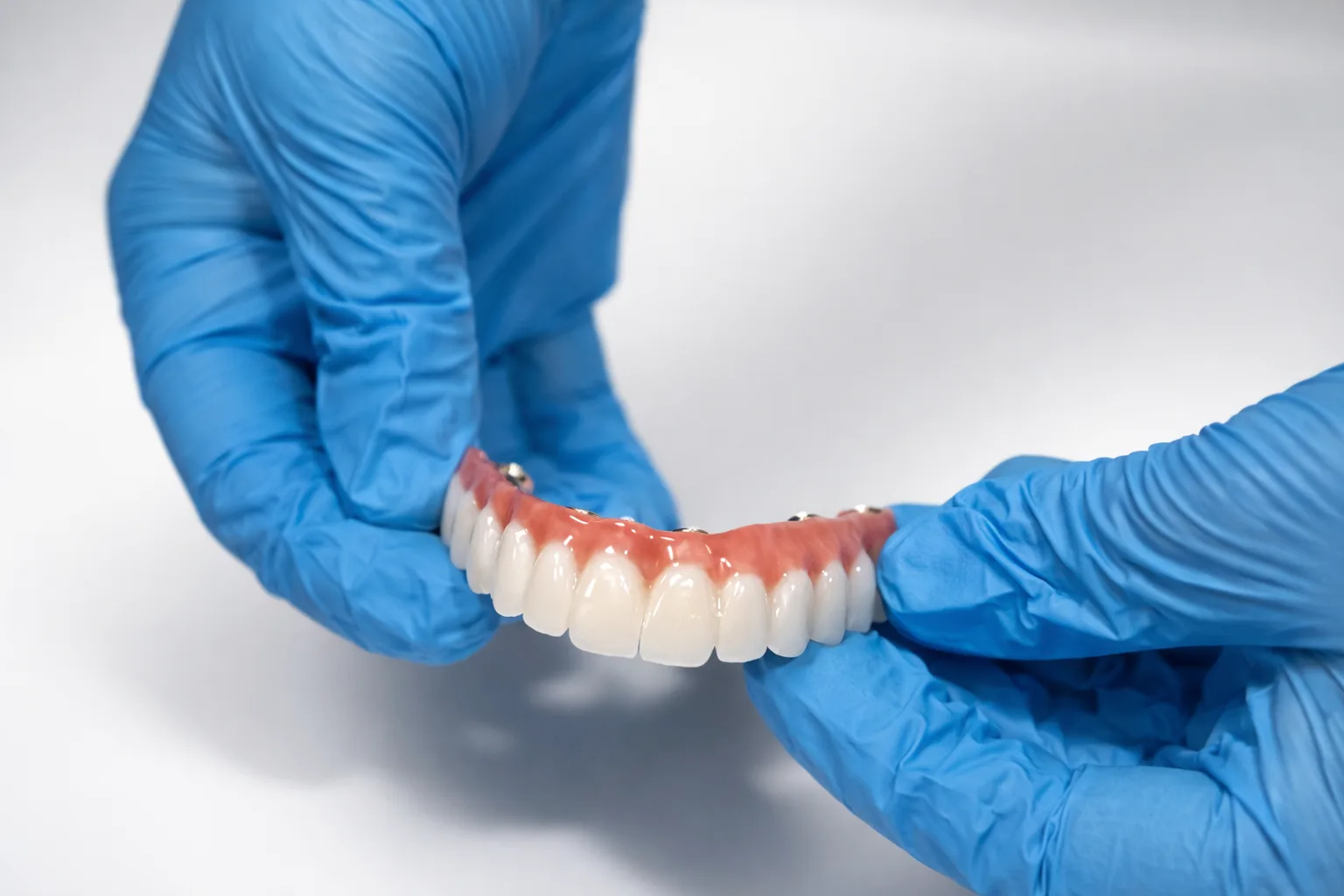
A natural tooth is attached to the jaw through its root and a thin layer of connective tissue called the periodontal ligament. An implant has no natural root or periodontal ligament. Instead, it sits in supporting bone, while gum tissue forms a protective interface around the portion connected to the restoration. This difference affects how the site responds to forces and how clinicians assess the tissues.
That anatomy doesn’t make implants immune to inflammation. Plaque can collect near the gumline and restoration, irritating the surrounding tissue. The Dental implant Wikipedia overview also describes the role of healthy gingiva and bone around implants, along with conditions that can affect them. For gum health with dental implants, the practical takeaway is simple: treat new or ongoing changes as a reason to pay attention, not as proof that an implant has failed. An implant-focused examination can assess the tissue in the context of your restoration and determine whether further evaluation is appropriate.
Peri-Implant Mucositis and Peri-Implantitis: How Problems Develop
Plaque can collect where the restoration meets the gum, irritating the tissue around an implant. That inflammation doesn’t automatically mean the implant is failing. The key distinction is whether inflammation is limited to soft tissue or whether assessment also finds changes in the supporting bone. Understanding the difference can help you respond thoughtfully instead of trying to diagnose the problem from one symptom.
Peri-implant mucositis and peri-implantitis are related but distinct: one involves inflammation of the soft tissue around an implant, while the other also involves disease-related changes in supporting bone.
Peri-implant mucositis: inflammation around the implant
Peri-implant mucositis is inflammation in the gum tissue around an implant, without established supporting-bone loss attributed to the condition. Possible signs include redness, tenderness, or bleeding during cleaning. These symptoms can have different causes, so none confirms mucositis on its own. A clinician considers the tissue findings and other relevant information before identifying what may be happening.
Peri-implantitis: when supporting bone may be involved
Peri-implantitis involves inflammation around the implant along with progressive changes in the supporting bone. Assessment therefore looks beyond how the gums appear. A clinician may compare current findings with previous records and select imaging if appropriate. Persistent inflammation, recurring bleeding, discomfort, or a change in how stable the implant feels are reasons to seek timely evaluation, not proof of peri-implantitis.
Here’s a simple comparison:
| Condition | What it involves | What assessment considers |
|---|---|---|
| Peri-implant mucositis | Inflamed soft tissue around the implant | Gum findings, such as redness or bleeding, and clinical examination |
| Peri-implantitis | Inflammation with disease-related supporting-bone changes | Gum findings and evidence of changes in the bone around the implant |
Both conditions can be associated with plaque, but individual risk also matters. A history of periodontitis, smoking, and poorly controlled diabetes can affect the body’s response to inflammation. The FDA guidance on dental implants and gum health discusses implant risks and the importance of being able to clean around the restoration. If its shape makes plaque control difficult, mention that during an evaluation. The restoration itself can inform how a clinician assesses the area.
For gum health with dental implants, early assessment can clarify whether changes are confined to soft tissue or require closer evaluation of supporting structures. A dental professional can examine the implant site and decide whether additional assessment is warranted. If you’ve noticed persistent changes, an implant-focused evaluation can consider them in the context of your restoration and oral health history.
Implant Gum Problems vs. Gum Disease Around Natural Teeth
Gum concerns around an implant can resemble problems around a natural tooth: plaque can irritate nearby tissue, and daily cleaning and professional monitoring matter in both cases. But the supporting structures aren’t identical. A natural tooth is held by its root and periodontal ligament, while an implant is supported by bone and surrounded by gum tissue. That difference means an implant site needs assessment that accounts for its anatomy and restoration.
Neither comparison should cause alarm. Implants aren’t immune to inflammation, but a change around one doesn’t automatically mean it’s failing. The American Dental Association’s information on dental implant care discusses implants and the importance of overall health. For gum health with dental implants, consistent plaque control is a shared priority, while clinical assessment should be specific to the site.
What’s similar: Plaque control at home and regular professional monitoring help clinicians follow the health of gums around both natural teeth and implants.
What’s different: Implants have distinct supporting anatomy. An implant-aware assessment considers the restoration and surrounding tissues rather than assuming a natural-tooth approach applies in exactly the same way.
Which risk factors can affect gum health around implants?
Clinicians may consider how effectively plaque is removed, a history of periodontal problems, smoking, and overall health, including conditions that can affect healing or the body’s response to inflammation. These factors don’t predict a specific outcome for an individual. They help put examination findings into context and shape useful guidance.
- Tell your dental team about past gum disease or treatment.
- Share relevant health conditions, medications, and smoking history.
- Describe any areas around the restoration that are difficult to clean.
Why should bleeding or tenderness be interpreted in context?
A single episode of bleeding or short-lived tenderness can have several possible explanations, including irritation from cleaning. It isn’t enough on its own to identify a condition. Notice whether the change settles or keeps returning, becomes more noticeable, or appears with swelling or discomfort. No pain doesn’t prove the surrounding tissue is healthy, either. Some changes may not cause obvious discomfort.
If bleeding, swelling, or discomfort persists or worsens, arrange a professional assessment rather than trying to diagnose the cause at home. A clinician can consider how long the symptom has been present, examine the gum and restoration, and decide whether the supporting structures need further evaluation. Sharing what you’ve noticed, along with relevant health history, helps make that assessment more useful.
A Practical Daily Routine for Healthier Gums Around Implants
Good home care doesn’t need to be complicated, but it should reach the places plaque can collect around your restoration. Brush twice a day with a soft-bristled toothbrush and non-abrasive toothpaste, and clean between implants daily. A single implant crown, a bridge, and a full-arch restoration have different shapes, so the best way to clean around them may differ too. Ask your dental team to demonstrate an approach that fits your restoration and feels comfortable.
How to clean around an implant restoration
Use gentle pressure at the gumline and clean all accessible surfaces of the restoration. Avoid scrubbing hard or forcing a cleaning aid into a tight space. Your dental team can help you choose between floss, a floss threader, an interdental brush, or a water flosser based on the restoration’s design and your needs. The goal is thorough daily plaque removal without irritating the tissue.
Use this simple routine as a starting point:
- Brush morning and evening. Choose a soft-bristled brush and non-abrasive toothpaste. Angle the bristles toward the gumline and use gentle, controlled movements around the restoration.
- Clean between teeth and around the implant daily. Use a cleaning aid suited to the space and restoration. Move carefully, especially where the implant meets the gum, and don’t force floss or a brush where it doesn’t fit comfortably.
- Check the area as you clean. Notice whether a spot is becoming harder to reach or whether you see recurring bleeding, swelling, or tenderness. These observations can guide a conversation with your dental team, but they don’t establish a diagnosis.
- Keep up with professional follow-up. Maintenance visits let a clinician monitor the tissue and restoration and respond to changes. The American College of Prosthodontists recommends professional maintenance at intervals of 2 to 6 months, based on individual risk. Your schedule may depend on your oral health and history.
Consistency matters more than force. If your cleaning aid catches, causes discomfort, or leaves you uncertain about how to reach beneath or around a restoration, ask for personalized instruction rather than changing tools at random. The right fit can make daily gum health with dental implants easier to maintain and help you clean thoroughly without unnecessary irritation.
When to schedule a professional evaluation
Arrange an evaluation for persistent bleeding, swelling, tenderness, drainage, or a change in how the restoration fits or feels. Don’t wait for pain to appear before mentioning a recurring change. A clinician can assess the restoration and surrounding tissue, and may evaluate supporting bone when appropriate. Examination findings guide whether further assessment or care is needed.
Professional follow-up is also useful when your restoration changes, cleaning becomes difficult, or your health history changes. An implant-focused evaluation can consider those details together, rather than treating a symptom in isolation. For guidance that takes your restoration into account, explore implant care with Fusion Dental Implants.
How an Implant-Focused Evaluation Can Support Gum Health
A change around an implant can be unsettling, especially if you’re unsure whether it’s related to the gum tissue, the restoration, or something else. An implant-focused evaluation gives a clinician a chance to consider these parts together. It doesn’t mean a particular diagnosis or treatment is inevitable. It’s a way to understand what you’re noticing and what, if anything, needs attention.
What to expect when discussing gum concerns around an implant
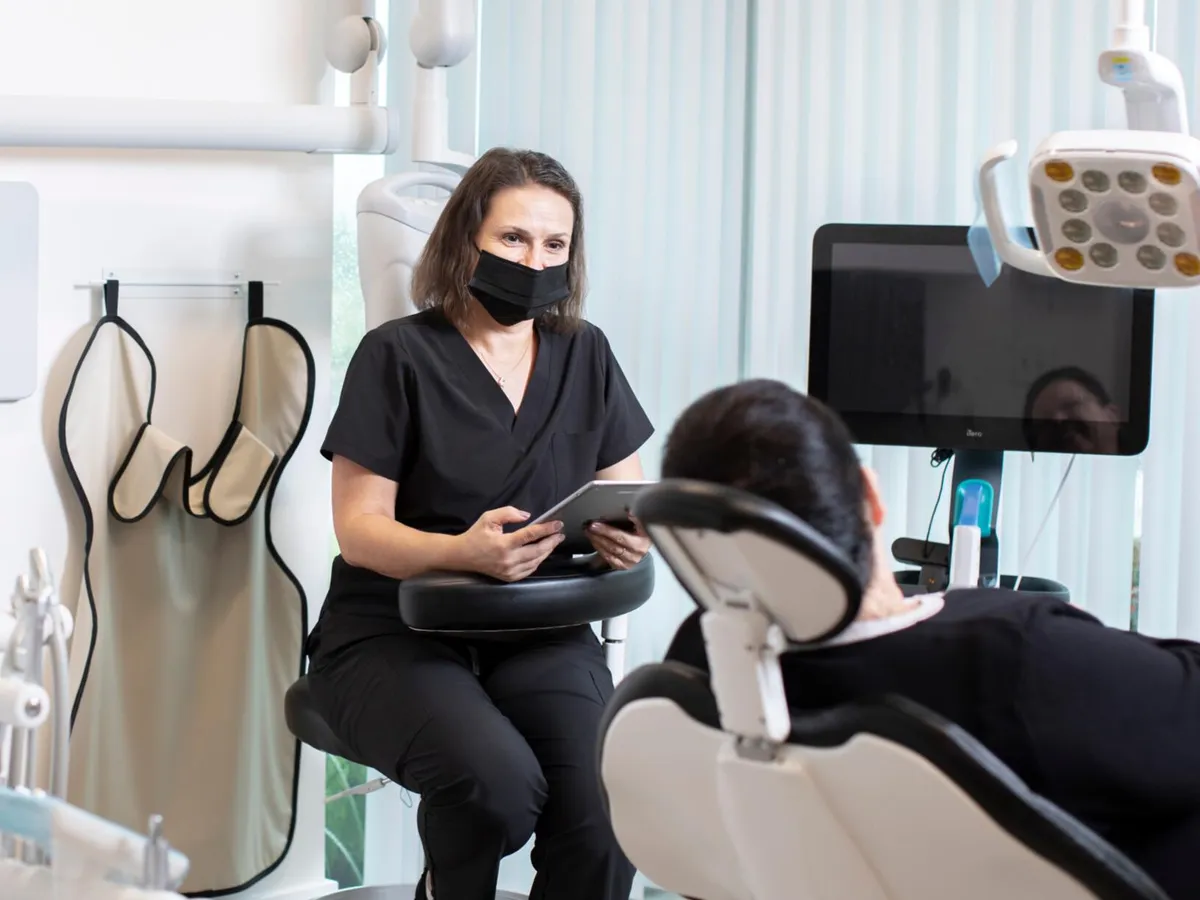
Before your appointment, note when you first noticed the change and whether it has improved, stayed the same, or worsened. Mention bleeding, swelling, tenderness, drainage, changes in fit, or cleaning difficulties, even if they seem minor. It can also help to describe which brushes or other cleaning aids you use and whether a particular spot is hard to reach.
The clinician may ask about your restoration type, previous gum problems, and relevant health history. Assessment is individualized to your implant, restoration, and surrounding tissues. An examination can help evaluate the area, while imaging may be considered if it would provide useful information about supporting structures. Neither a particular test nor a specific treatment is automatic; decisions depend on clinical findings.
Clear details help make the visit more useful. For example, “it bleeds every time I clean under this part of my bridge” offers a more specific starting point than “my gums feel different.” You don’t need to determine the cause yourself. The purpose of an evaluation is to interpret your concerns alongside what the clinician observes.
Why implant experience matters for ongoing care
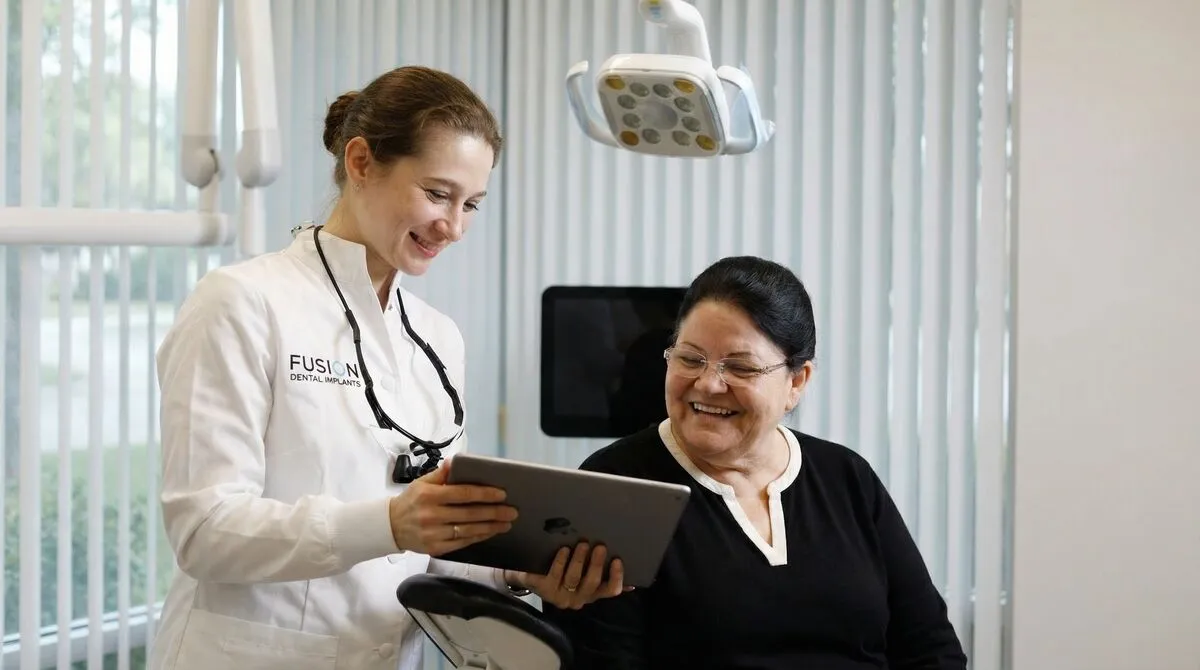
Implant restorations vary, and their shape can affect how tissue is assessed and how accessible areas are cleaned. Fusion Dental Implants’ board-certified surgeons work with single-tooth and full-arch implant solutions. That experience can inform an evaluation of gum concerns in the context of the restoration, while recommendations remain specific to the individual and examination findings.
For patients in Roseville and Sacramento, a professional assessment can help replace guesswork with a clearer understanding of the next step. Fusion Dental Implants also serves patients in Rocklin, El Dorado Hills, Loomis, Lincoln, and Elk Grove. Whether you’re noticing a new change or have questions about ongoing care, an implant-focused discussion can help you explain what’s happening and receive guidance tailored to your situation.
Protecting gum health with dental implants is a continuing part of caring for your restoration, and you don’t have to interpret every change on your own. If something around your implant concerns you, talk with Fusion Dental Implants about your implant concerns.
Take the Next Step Toward Confident Implant Care
Protecting gum health with dental implants is an ongoing part of caring for your smile, but you don’t have to interpret every change alone. Note what you’ve noticed and seek guidance instead of waiting for uncertainty to grow. An implant-focused discussion can put your concerns in context and help identify an appropriate next step based on your individual needs.
Fusion Dental Implants provides implant care ranging from single-tooth to full-arch restorations, with board-certified surgeons and same-day dental implant procedures at its Roseville and El Dorado Hills offices. Whether you have a question about your current restoration or want professional perspective on a change, patient-specific guidance can help you understand your options. Discuss your implant concerns with Fusion Dental Implants.
Planning your next step
For implant benefits, risks, and follow-up, review the FDA dental implant guidance and the American Dental Association’s patient implant overview. These explain why individual assessment and ongoing care matter. The NIDCR guide to gum disease provides background on inflammation and risk factors; implant-specific diagnosis still requires clinical assessment.
Fusion’s offices are in Roseville and El Dorado Hills. Use Find a Center to plan travel, and review the care team before your visit.
Request a free consultation to discuss a plan based on your examination.
Why patients choose Fusion: In-House Dental Lab | Same-Day New Teeth for Eligible Patients | Transparent All-Inclusive Pricing | Lifetime Full-Arch Warranty (terms apply) | Price Match Guarantee (terms apply)
This article is for general patient education and is not a substitute for personalized medical advice, diagnosis, or treatment. Every patient’s oral health, anatomy, and healing response are different. Consult your dental professional before making treatment decisions.
About Fusion Dental Implants: We specialize in advanced dental implant solutions with offices in Roseville and El Dorado Hills, California.
Related reading
- peri implantitis treatment how gum infection around implants is managed
- how to take care of dental implants
Frequently Asked Questions
Can dental implants get cavities?
No, an implant itself can’t develop a cavity because it isn’t a natural tooth. The crown or other restoration attached to it still needs daily cleaning, and the surrounding gum and bone can develop problems. Brush around the restoration and follow your recommended professional visit schedule. If you notice a persistent change, such as bleeding or swelling, contact your dental team rather than assuming the implant is cavity-free and needs no ongoing care.
Is bleeding around a dental implant always a sign of infection?
No. Bleeding can have several causes, including irritation during cleaning, and it doesn’t confirm infection by itself. Notice whether it happens repeatedly, which area is affected, and whether you also have swelling, tenderness, drainage, or a change in how the restoration fits. Sharing those details helps a dental professional assess the area and recommend next steps based on an examination, rather than symptoms alone.
Can gum problems around an implant develop without pain?
Yes. Pain isn’t a reliable way to judge gum health with dental implants, because some changes may not cause obvious discomfort. Pay attention to what you can observe during your usual routine, such as recurring bleeding or a restoration that feels different when you bite. If a change persists or worsens, arrange an evaluation even if the area doesn’t hurt. A clinician can assess findings that aren’t clear from sensation alone.
What should I do if the gum around my implant is swollen?
Contact your dental team for guidance, especially if the swelling continues, increases, or comes with bleeding, pain, or drainage. Keep cleaning gently, but don’t scrub harder or probe the area in an attempt to treat it yourself. Swelling has different possible causes, and an examination can help clarify what’s appropriate. If swelling spreads rapidly or makes breathing or swallowing difficult, seek urgent medical attention.
Can smoking affect gum health around dental implants?
Smoking or nicotine use may be relevant to your oral and implant health, but a general answer can’t predict your individual risk. Your dental team can consider it alongside your gum condition, overall health, and treatment history. Share this information openly, even if you’re unsure it matters. It can help your clinicians give guidance that fits your circumstances and coordinate care with your other health needs when appropriate.
Does diabetes affect the gums around dental implants?
Diabetes and blood-sugar management may be relevant when your dental team evaluates your oral health and implant tissues. They don’t determine an individual outcome on their own. Share your medical history and current medications, and continue following the care plan provided by your medical clinician. Your dental team can consider this context when assessing changes and discussing monitoring or care suited to your health situation.
When should I seek urgent help for symptoms near a dental implant?
Contact a dental professional promptly for worsening swelling, persistent drainage, significant pain, or a sudden change in implant or restoration stability. Rapidly spreading facial swelling, trouble breathing or swallowing, or feeling seriously unwell calls for urgent medical attention. If you’re in Roseville, El Dorado Hills, Sacramento, Rocklin, Loomis, Lincoln, or Elk Grove, don’t wait for a routine dental visit if severe symptoms arise. A clinician can determine appropriate next steps.
Can I prevent every implant gum problem with brushing?
No. Daily cleaning helps, but restoration design, general health, smoking, and other factors can affect tissue health. Professional monitoring remains important even when home care is consistent.
Ready to Transform Your Smile?
Schedule your free consultation today and discover how dental implants can change your life.