How to Remove Plaque From Teeth Safely—and When You Need a Cleaning
Remove soft dental plaque by brushing twice daily with fluoride toothpaste and cleaning between teeth daily with an appropriate tool. Once plaque hardens into tartar, it needs professional removal. Do not scrape your teeth with metal tools or use acids and harsh chemicals to try to remove deposits at home.
On this page
Plaque and tartar are not the same
Plaque is a sticky bacterial film that forms on teeth. It can contribute to cavities and gum inflammation when it is not regularly removed. Tartar is hardened deposit that a toothbrush cannot remove safely. Staining can also make teeth look dirty without being the same as plaque.
The NIDCR gum-disease guide explains the role of plaque and professional cleaning. Persistent bleeding, swollen gums, or bad breath warrants an assessment rather than simply brushing harder.
Build a practical daily routine
| Step | How it helps | Common mistake to avoid |
|---|---|---|
| Brush twice daily | Disrupts plaque on accessible surfaces | Scrubbing aggressively with a hard brush |
| Use fluoride toothpaste | Helps protect against decay | Replacing it with an unproven remedy |
| Clean between teeth daily | Reaches areas brushing misses | Snapping floss into the gums |
| Attend risk-based dental reviews | Checks gums and removes hard deposits | Waiting for pain before seeking care |
Use a soft-bristled brush and take time along the gumline and on all tooth surfaces. The ADA brushing guide recommends two minutes, twice daily. A powered brush may be useful if it helps you clean consistently, but technique and regular use matter.
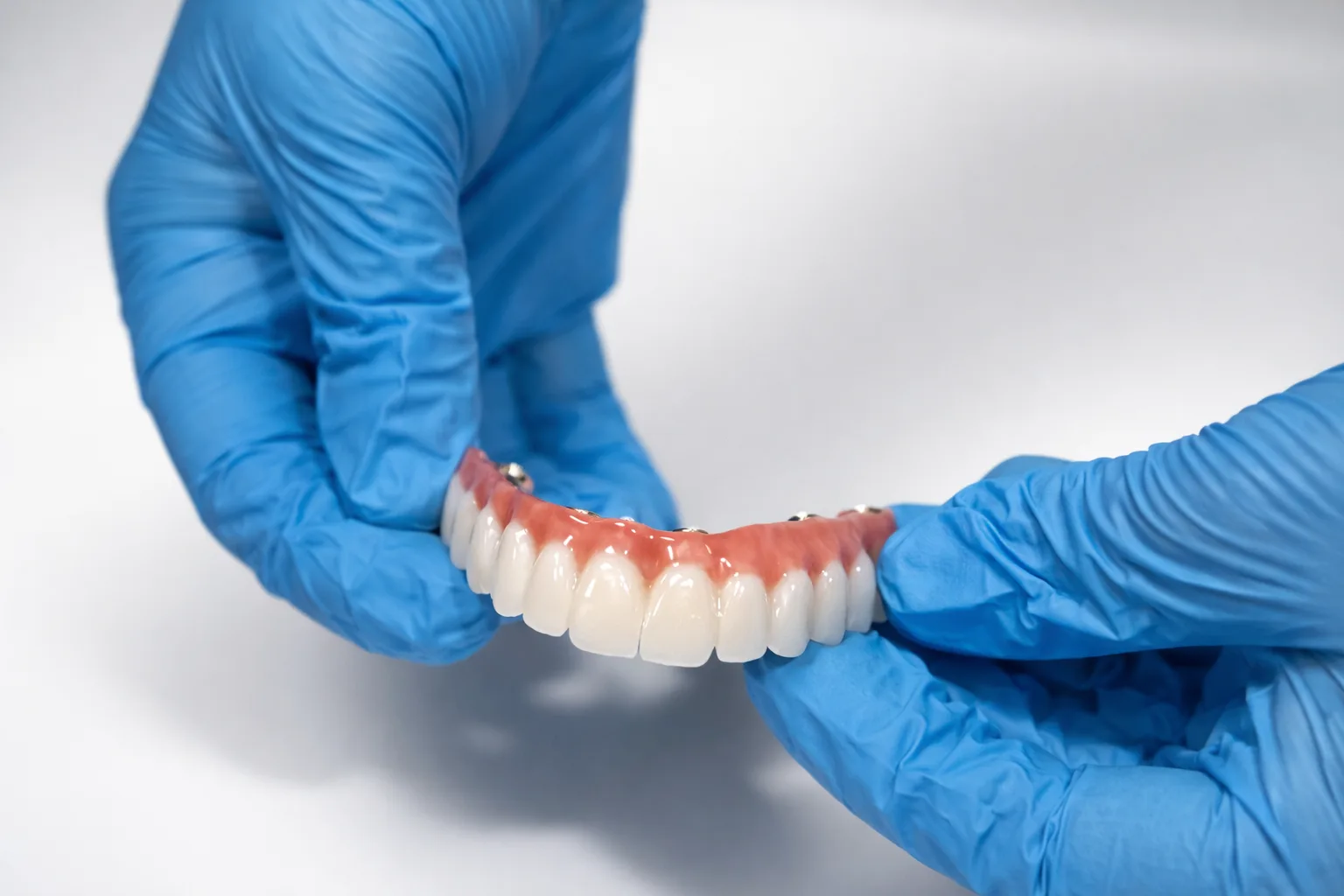
Choose floss, interdental brushes, or another appropriate aid based on the spaces and any restorations. Ask the team to demonstrate rather than guessing the size or force. Bridges and implant restorations may need a different cleaning technique beneath them.
Know the limits of rinses and home remedies
Mouthwash may be an adjunct for selected needs, but it is not a substitute for brushing and interdental cleaning. A rinse cannot remove hardened tartar. Follow product labeling and ask for advice if you have sensitivity, dry mouth, or medical concerns.
Do not use metal scrapers, household bleach, lemon juice, or abrasive powders as a cleaning shortcut. These can injure soft tissue or damage tooth surfaces. Whitening products are not a treatment for plaque or gum disease; our whitening guide explains their different purpose.
When a professional cleaning is needed
Visible hard deposits, persistent bleeding, loose teeth, or ongoing bad breath should prompt a dental visit. A clinician assesses gum health and determines whether a routine cleaning or periodontal treatment is appropriate. The same cleaning schedule is not right for every person.
Visit our teeth-cleaning service page for appointment information. If you have implants, read our implant-care guide and have the team show you safe access around the restoration. Good home care and professional review work together; neither should be sold as a one-time permanent cure.
Frequently Asked Questions
Can I remove plaque with a toothbrush?
Yes, regular brushing removes soft plaque from accessible surfaces. Daily cleaning between teeth is also needed.
Can I brush away tartar?
No. Hardened tartar requires professional removal. Do not try to scrape it off with household or metal tools.
Should I brush harder if my gums bleed?
No. Use a gentle technique and arrange assessment for persistent bleeding. Aggressive brushing can injure tissues.
Is mouthwash enough?
No. A rinse may supplement care but does not replace brushing, interdental cleaning, or professional removal of tartar.
Does whitening remove plaque?
Whitening changes tooth color and is not a substitute for plaque control or treatment of gum disease.
Can I use lemon juice to clean teeth?
No. Acidic remedies can damage tooth surfaces. Use appropriate dental products as directed.
How often do I need a cleaning?
The interval depends on your gum health, decay risk, restorations, and other factors. Your dental team should recommend a personalized schedule.
Do implants need plaque removal too?
Yes. Plaque around implants can affect surrounding tissues. Ask for cleaning instructions suited to your restoration.
Talk with Fusion about your next step
Bring your questions to our general dentistry team or explore our implant services. We see patients at our Roseville and El Dorado Hills offices. Review our providers, payment options, and first-visit information before your appointment.
Why patients choose Fusion: Care in two local offices | An individualized treatment plan | Clear discussion of options and follow-up
Request an appointment. For urgent symptoms, call (916) 292-9998 rather than waiting for an online reply. Appointment availability must be confirmed; we do not advertise 24-hour emergency coverage.
About Fusion Dental Implants: Dental implant and general dental care in Roseville and El Dorado Hills, California.
Related reading
Ready to Transform Your Smile?
Schedule your free consultation today and discover how dental implants can change your life.