
How to Take Care of Dental Implants: The Complete Guide
Dental implants are designed to last a lifetime, but only if they are cared for properly. The good news is that caring for implants is not complicated. In most ways, it is exactly like caring for natural teeth. But there are specific practices, tools, and habits that make a meaningful difference in the long-term success of your implants, and a few things to avoid that many patients do not know about.
At Fusion Dental Implants, serving patients across Roseville, Sacramento, El Dorado Hills, Folsom, Rocklin, and the broader Northern California region, we consider post-treatment education just as important as the procedure itself. This guide answers the most commonly searched questions about dental implant aftercare, for patients at every stage, from newly placed implants to long-term maintenance.
Why Implant Care Matters
Dental implants are made of titanium, a material that does not decay. But the tissues surrounding your implant absolutely can be affected by bacteria, inflammation, and disease. The most common cause of implant failure after the initial healing period is peri-implantitis, a bacterial infection of the gum and bone tissue surrounding the implant that, left untreated, destroys the bone holding the implant in place.
Peri-implantitis is largely preventable. The primary prevention is consistent, correct oral hygiene, the same habits that protect your natural teeth, applied with a few implant-specific considerations.
Daily Care for Dental Implants
Brushing
Brush at least twice daily, ideally after every meal. Use a soft-bristled toothbrush (manual or electric). Medium or hard bristles can scratch the surface of implant crowns and irritate gum tissue around the implant collar.
Electric toothbrushes are excellent for implant patients. Their consistent motion and pressure-sensing features tend to produce more thorough cleaning with less gum trauma than manual brushing.
What to use: A soft-bristled brush angled at 45 degrees to the gumline. Gentle circular motions. Two full minutes.
What to avoid: Hard-bristled brushes, abrasive whitening toothpastes (they can scratch implant crowns), and brushing too aggressively around the implant collar.
Toothpaste
Use a non-abrasive fluoride toothpaste. Most standard fluoride toothpastes are fine. Avoid highly abrasive formulas (many whitening toothpastes fall into this category) and any toothpaste containing baking soda, which can be too abrasive over time.
Flossing
Flossing around implants is essential, and it requires slightly different technique than natural tooth flossing. Standard floss works, but several specialized options make implant flossing easier and more effective:
- Implant-specific floss (such as Oral-B Superfloss) has a stiff end for threading under bridges and around implant collars, plus a spongy middle section that cleans the implant surface.
- Water flosser (oral irrigator) is highly effective for flushing bacteria from around implants, especially under full arch prosthetics where traditional flossing is difficult.
- Interdental brushes are small brush heads that slide between teeth and under bridges to clean around implant collars.
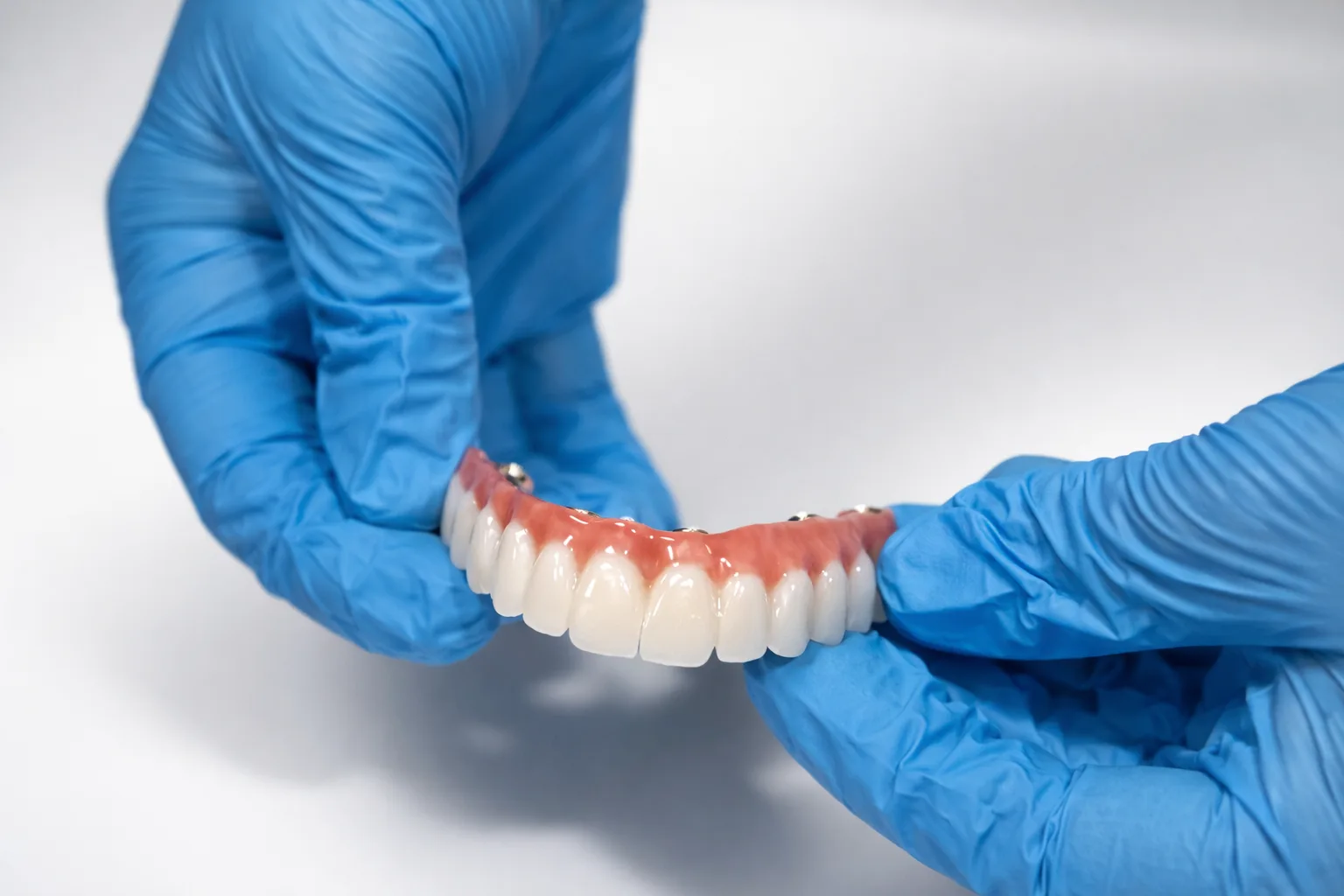
For patients with full arch restorations (All-on-4 or All-on-X), a water flosser is particularly recommended for cleaning under the prosthetic bar where traditional flossing cannot reach.
Mouthwash
An antimicrobial mouthwash (chlorhexidine or cetylpyridinium chloride based) used regularly can reduce bacterial load around implants and support gum health. Do not use alcohol-based mouthwashes excessively, as they can dry oral tissues over time. Your implant team will recommend a specific product based on your situation.

Foods and Habits to Avoid
Hard and Crunchy Foods
While implants are strong, excessive biting force on hard objects such as ice, hard candies, popcorn kernels, pen caps, and fingernails can crack or chip the porcelain crown on your implant over time. This is true for natural teeth as well.
Smoking
Smoking is the single most significant lifestyle risk factor for implant failure. Tobacco use restricts blood flow to gum tissue, impairs healing, promotes bacterial growth, and dramatically increases the risk of peri-implantitis. If you smoke, quitting significantly improves your implant's long-term prognosis.
Excessive Alcohol
Heavy alcohol consumption impairs healing and is associated with higher implant failure rates, particularly in the early post-surgical period.
Teeth Grinding (Bruxism)
If you grind your teeth at night, you must address this. It places extreme stress on implants and can loosen or fracture components over time. Ask your implant team about a custom night guard to protect your investment.
What to Expect During Healing (Newly Placed Implants)
If your implants were recently placed, your immediate aftercare is critical to successful osseointegration (the fusion of the implant with your jawbone).
First 24 to 48 hours:
- Avoid rinsing vigorously, spitting forcefully, or using straws, as these actions can disrupt the surgical site.
- Apply cold packs to the outside of the face in 20-minute intervals to manage swelling.
- Eat only soft foods (yogurt, mashed potatoes, scrambled eggs, smoothies).
- Take prescribed medications as directed.
First 1 to 2 weeks:
- Continue a soft diet.
- Begin gentle rinsing with warm saltwater after 24 hours.
- Brush carefully around the surgical site with a soft brush.
- Avoid strenuous exercise for several days.
Osseointegration period (3 to 6 months):
- Follow all care instructions from your implant team.
- Avoid placing excessive force on temporary restorations.
- Keep all follow-up appointments. This is when problems are caught early.
For a detailed timeline, see our week-by-week recovery guide.
Long-Term Maintenance: Professional Cleanings
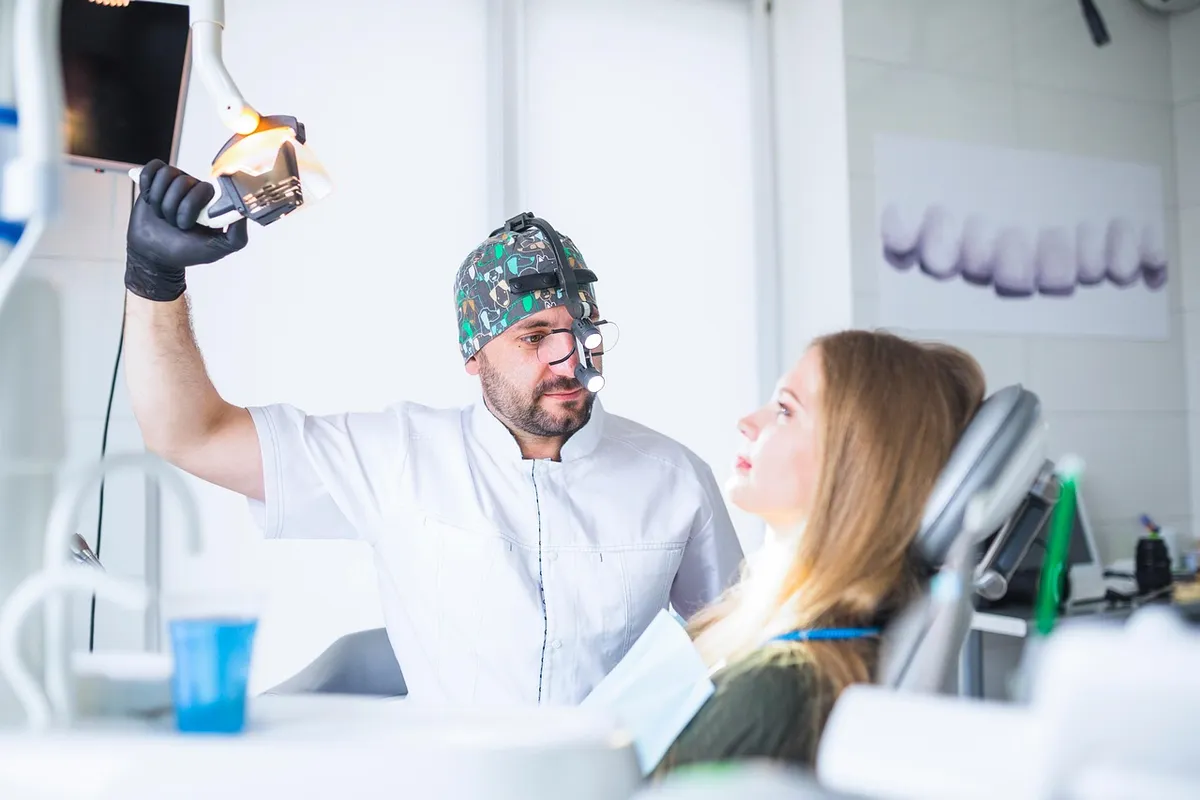
Dental implants require professional cleanings every 3 to 6 months, depending on your individual risk level. During these appointments, your hygienist will:
- Clean around implant collars with specialized non-metal instruments (metal scalers can scratch implant surfaces).
- Check for early signs of peri-implantitis.
- Evaluate bone levels with periodic X-rays.
- Check the fit and integrity of your prosthetic.
Do not skip these appointments. Early-stage peri-implantitis is highly treatable. Advanced peri-implantitis can lead to implant loss.
Signs of a Problem: When to Call Us
Contact Fusion Dental Implants immediately if you notice:
- Persistent pain or discomfort around the implant site
- Swelling, redness, or bleeding gums around the implant
- A loose or wobbly implant crown
- Any movement of the implant itself
- Pus or bad taste near the implant
- Difficulty chewing that was not there before
Early intervention almost always preserves the implant. Waiting makes treatment more complex and the outcome less predictable. Read more about the warning signs you should not ignore.
Schedule your free consultation today
Frequently Asked Questions
How do I clean dental implants?
Brush twice daily with a soft-bristled toothbrush, floss using implant floss or a water flosser, and use an antimicrobial rinse. Avoid abrasive toothpastes and hard foods. Professional cleanings every 3 to 6 months are essential.
Can dental implants get infected?
Yes. Peri-implantitis is a bacterial infection of the tissue surrounding an implant and is the most common cause of long-term implant failure. Consistent oral hygiene and regular professional cleanings are the primary prevention.
How long do dental implants last with proper care?
The implant post is designed to be permanent. With proper care, implants can last a lifetime. The crown or prosthetic may need replacement after 15 to 20 years.
Do dental implants need special care?
Mostly the same care as natural teeth: brushing, flossing, and regular cleanings. A few specific tools (implant floss, water flosser, soft bristles) and habits (avoiding hard foods, not smoking) make a meaningful difference in long-term success.
Where can I get dental implant aftercare support near Roseville or Sacramento?
Fusion Dental Implants provides ongoing aftercare and maintenance for implant patients at our Roseville and El Dorado Hills offices. Call (916) 292-9998 or visit fusiondentalimplants.com.
About Fusion Dental Implants: We specialize in advanced dental implant solutions with locations in Roseville and El Dorado Hills, California. Call (916) 292-9998 to schedule your free consultation.
Ready to Transform Your Smile?
Schedule your free consultation today and discover how dental implants can change your life.