Tooth Extraction: Why It May Be Needed and How to Plan Recovery
Tooth extraction removes a tooth when keeping it is not appropriate or when removal is part of a specific treatment plan. Reasons can include an unrestorable fracture, extensive decay, advanced loss of support, or an impacted tooth. Ask whether the tooth can be saved and what the alternatives involve before consenting.
On this page
Confirm why removal is being recommended
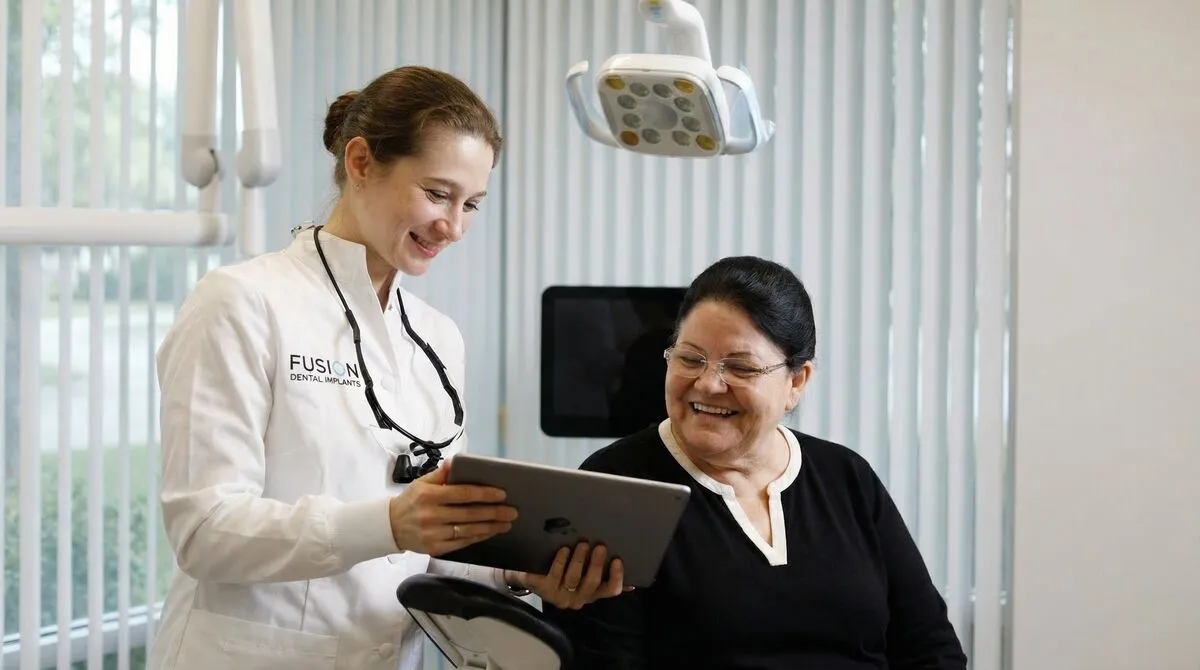
Pain alone does not prove a tooth needs extraction. A root canal, crown, gum treatment, or other care may be an option if the tooth has a reasonable prognosis. The clinician should explain the diagnosis, why alternatives may not fit, and what happens if treatment is delayed.
The ADA extraction guide explains general expectations. Our root canal article describes one tooth-preserving option. A second opinion can be useful before multiple or otherwise extensive extractions.
Prepare for the procedure
| Planning area | Question to ask | Why it matters |
|---|---|---|
| Anesthesia | Local anesthesia only or sedation? | Changes preparation and transport needs |
| Medical history | Which conditions and medicines affect care? | Supports bleeding and healing planning |
| Replacement | Will the gap need a temporary or final tooth? | Avoids surprises after removal |
| Aftercare | Who should I contact about concerns? | Makes follow-up practical |
Do not stop a blood thinner or other prescribed medicine yourself. Discuss medicines used for osteoporosis or cancer, and any history of radiation to the jaws, before treatment. The surgical team may coordinate with your medical clinician.
Protect early healing
The path at a glance: Assessment → Consent and preparation → Removal → Protect the healing site → Review and replacement planning.
Follow the written instructions for pressure with gauze, food, cleaning, activity, smoking or vaping, and medicines. Avoid disturbing the socket with fingers, tools, or forceful rinsing. Anesthesia can temporarily affect sensation, so take care not to bite numb tissues or burn them with hot food.
The AAOMS extraction resource provides general information, but your own instructions take priority. Soreness may occur; increasing pain after initial improvement, fever, drainage, or persistent numbness should be reported.
Plan the gap and know the warning signs
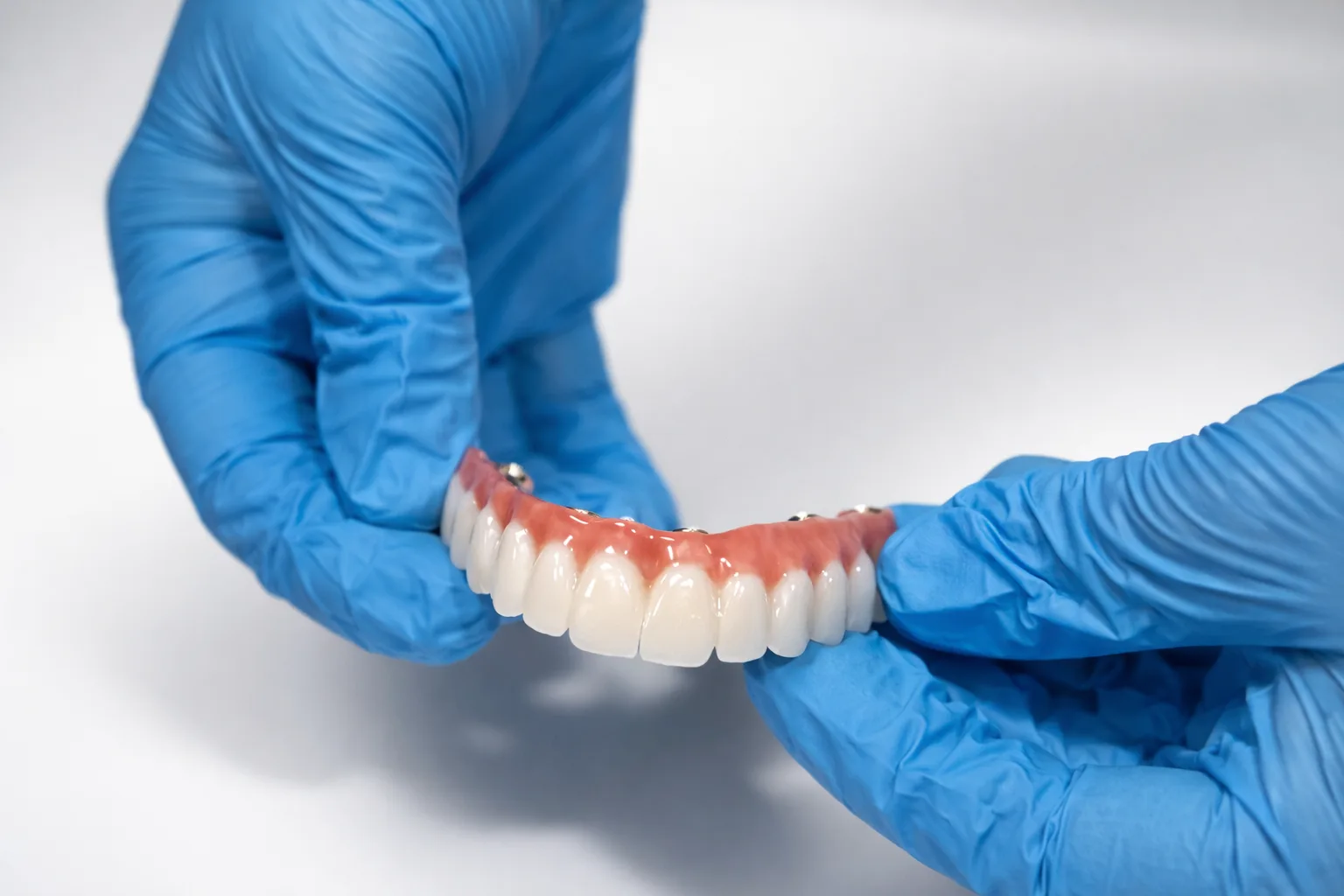
Not every extracted tooth requires replacement—for example, many wisdom teeth do not. For other teeth, discuss a bridge, partial denture, implant, or observation when appropriate. If you are considering an implant, ask whether socket preservation is recommended and how it affects timing. See our implant-after-extraction guide.
Persistent bleeding despite following instructions needs prompt advice. Breathing or swallowing difficulty, rapidly spreading swelling, or uncontrolled bleeding requires emergency medical care. Do not try to diagnose dry socket or infection at home or pack the socket with household remedies.
Frequently Asked Questions
Is extraction the only answer to tooth pain?
No. The cause and restorability must be assessed. Root canal treatment, restoration, or other care may be appropriate.
Should I stop blood thinners before extraction?
Do not stop prescribed medicines on your own. The dental team and prescribing clinician should guide any changes.
Will I need sedation?
Not necessarily. Local anesthesia may be sufficient; sedation depends on the procedure, health history, and preferences.
Can I drive after extraction?
It depends on the anesthesia and medicines used. Follow the team’s transport instructions, especially if sedation is planned.
Does every extracted tooth need replacement?
No. Tooth position and the treatment plan matter. Wisdom teeth commonly do not require replacement.
Can I get an implant immediately?
Sometimes, but infection, bone support, anatomy, and stability determine whether immediate placement is suitable.
What if pain gets worse after improving?
Contact the treating team. Dry socket, infection, or another problem may need examination and treatment.
Which symptoms are medical emergencies?
Breathing or swallowing difficulty, rapidly spreading swelling, or uncontrolled bleeding requires emergency medical care.
Talk with Fusion about your next step
Bring your questions to our general dentistry team or explore our implant services. We see patients at our Roseville and El Dorado Hills offices. Review our providers, payment options, and first-visit information before your appointment.
Why patients choose Fusion: Care in two local offices | An individualized treatment plan | Clear discussion of options and follow-up
Request an appointment. For urgent symptoms, call (916) 292-9998 rather than waiting for an online reply. Appointment availability must be confirmed; we do not advertise 24-hour emergency coverage.
About Fusion Dental Implants: Dental implant and general dental care in Roseville and El Dorado Hills, California.
Related reading
Ready to Transform Your Smile?
Schedule your free consultation today and discover how dental implants can change your life.