Fixed Implant-Supported Bridge Problems: Causes, Solutions, and Next Steps
On this page
What if a loose or uncomfortable bridge doesn’t mean an implant has failed? A change in how your restoration feels can be worrying, but fixed implant supported bridge problems have several possible causes. The issue may involve the bridge, a connecting screw, an implant, or the surrounding gum and bone. A symptom is a clue, not a diagnosis.
It’s understandable to wonder whether you need a simple repair or more involved treatment. A dental assessment can examine the parts separately and help identify what’s behind the change. This article covers common symptoms, possible causes, and how an evaluation can distinguish a bridge concern from an implant or tissue problem.
You’ll also learn what assessment, repair, maintenance, or replacement may involve. If your bridge feels loose, avoid chewing on that side and arrange a prompt dental assessment. Don’t try to tighten or repair it yourself. Identifying the source can help guide the response, whether that means adjusting or repairing the bridge or planning care for a more complex concern.
Key Takeaways
- A change in comfort, fit, or appearance can have different causes. An examination helps determine whether the bridge, its connection, the implant, or nearby tissue is involved.
- Fixed implant supported bridge problems may relate to wear, damage, fit changes, or bite forces, but symptoms alone can’t confirm the cause.
- Depending on the findings and the condition of the supporting implants, care may involve a repair, component replacement, a new bridge, or implant-focused treatment.
- If your bridge feels loose or uncomfortable, note what has changed, protect the area, and arrange an assessment. Don’t pull, tighten, glue, or modify it yourself.
- Daily cleaning and individualized professional follow-up help monitor your restoration, though maintenance can’t prevent every complication.
What problems can occur with a fixed implant-supported bridge?
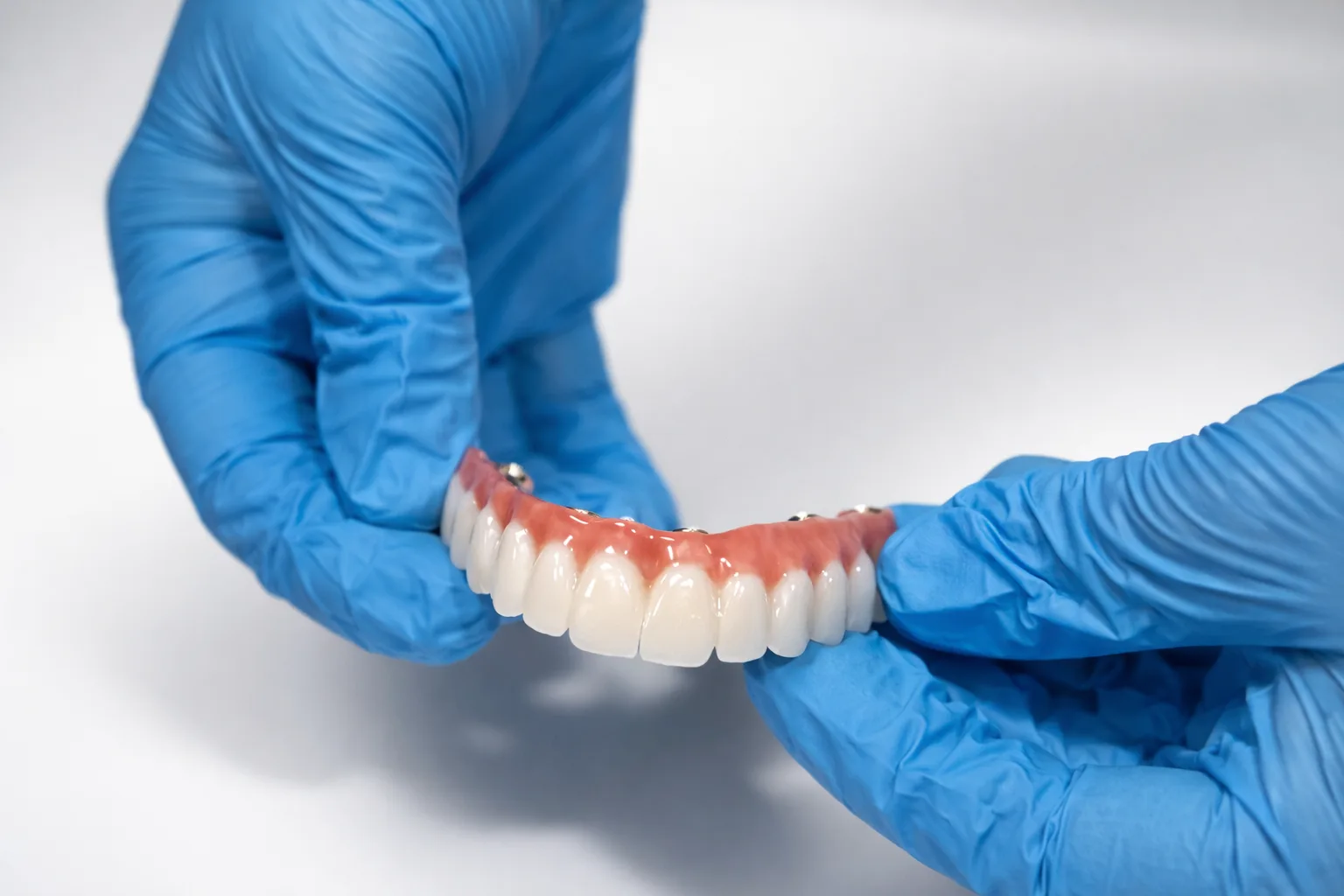
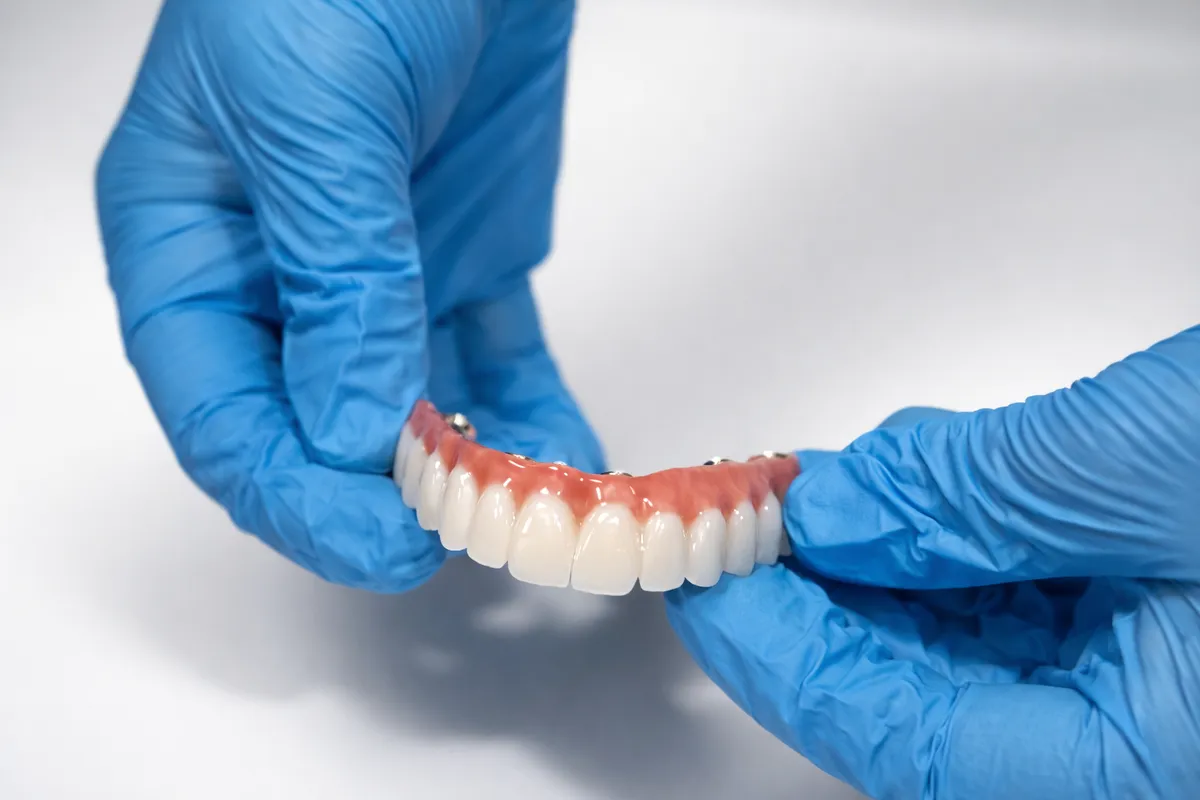
A change in comfort, fit, or appearance can be unsettling, especially when a restoration has felt stable for a long time. A fixed implant-supported bridge replaces one or more missing teeth and is secured to dental implants in the jaw. It isn’t meant to move during everyday use. For a foundational overview of how implants support this type of restoration, see Implant supported bridge.
Signs of fixed implant supported bridge problems may include a loose feeling, clicking, a changed bite, chipped or cracked material, soreness, difficulty chewing, or food getting trapped around the bridge. These symptoms need attention, but they don’t reveal the cause on their own. The concern could involve the bridge, a connecting component, an implant, or the surrounding gum and bone. An assessment helps distinguish between them before treatment is considered.
Which symptoms can signal a bridge or attachment problem?
Movement or clicking may relate to the bridge or the parts connecting it to the implants. A bite that suddenly feels uneven, visible damage, or trouble chewing can also signal a change that needs examination. Food trapping or tenderness may point to an area that needs closer assessment, but neither confirms a specific problem.
Don’t try to tighten, pull, glue, or adjust a loose-feeling restoration yourself. Force can cause further damage or make it harder to identify the original issue. Pain or swelling can have several causes, including concerns involving the restoration or nearby tissue, so a dental professional should evaluate what’s happening.
When should a bridge problem be assessed promptly?
Arrange a timely dental assessment if you notice new movement, persistent pain, swelling, or visible damage. If symptoms worsen rapidly, bleeding is significant, or swelling affects your face, seek urgent professional guidance. These signs need prompt attention, though they don’t establish by themselves whether an implant is affected.
- Note when the change began and what you’re noticing, such as clicking, soreness, or a bite that feels different.
- Avoid chewing hard foods on a damaged or unstable restoration, and don’t repeatedly test whether it moves.
- Arrange an assessment so the bridge, attachment, implant support, and surrounding tissue can be checked.
A symptom is a reason to investigate, not proof that an implant has failed. An examination can clarify which part needs attention and help guide the next step.
Why do fixed implant-supported bridges develop problems?
A bridge may develop a mechanical issue, a concern with the implant or its connection, or a change in the surrounding gum and bone. These parts work together, but they aren’t the same. Bridge complications don’t all indicate implant failure. Wear, damage, changing fit, bite forces, and tissue inflammation are possible factors. An examination is needed to identify what applies in an individual case.
Is the problem in the bridge, the attachment, or the implant?
The bridge is the visible tooth replacement. Separate connecting components, such as abutments or screws, secure it to implants placed in the jawbone. A concern may involve one part without affecting the others. The U.S. Food and Drug Administration discusses risks associated with dental implants, including issues such as abutment screw loosening and challenges with cleaning.
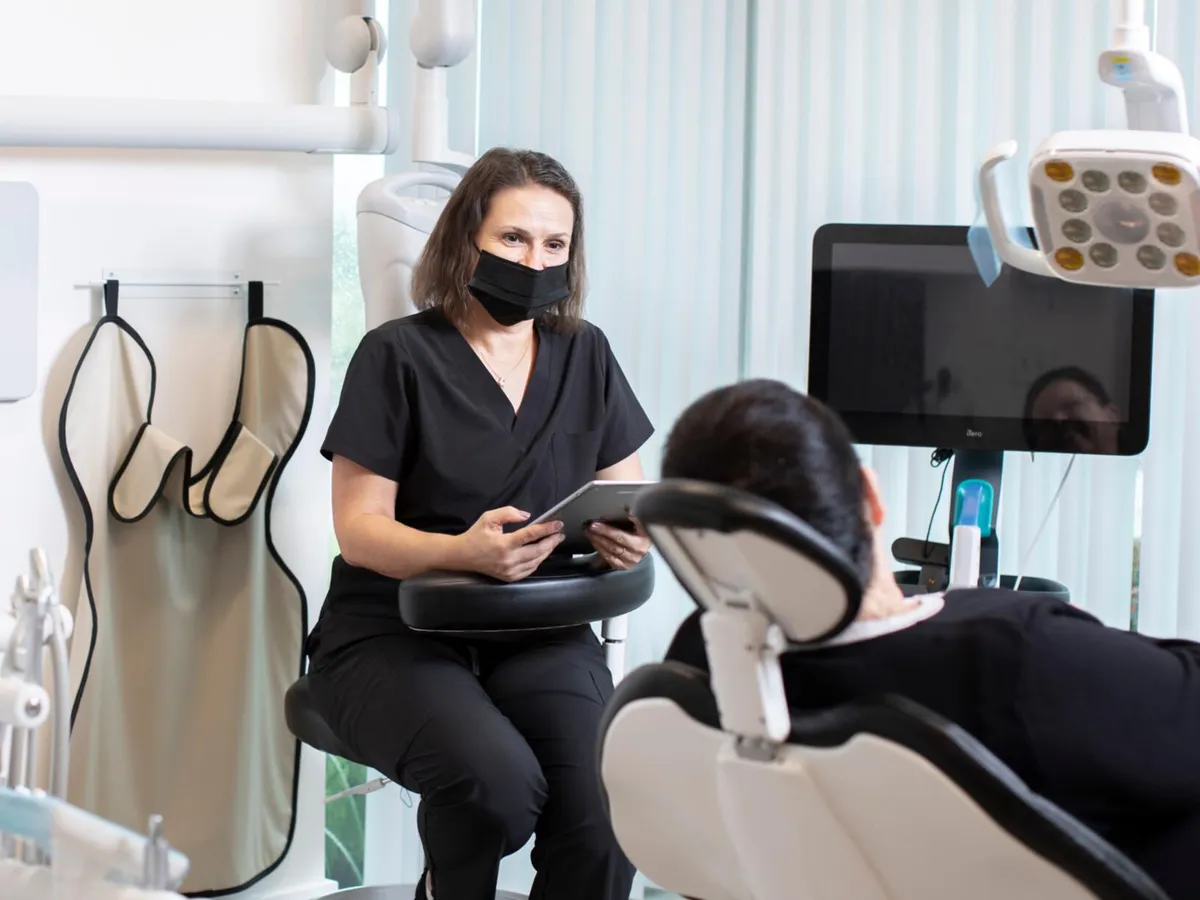
During an assessment, a clinician may check the bridge and its connections, evaluate how your teeth meet when you bite, and examine the gum tissue around the implants. Imaging may help assess supporting structures. Together, these findings can help distinguish a prosthetic concern from an issue involving the implant or surrounding tissue. Symptoms alone can’t reliably identify the affected component.
How can hygiene, bite forces, and wear contribute?
A fixed bridge can make some areas harder to reach with a toothbrush or floss, allowing plaque to collect around its edges or beneath it. If plaque isn’t adequately cleared, the gum tissue around an implant can become inflamed. Regular, effective cleaning and professional monitoring support implant maintenance, but can’t rule out every complication. Cleaning methods should suit the bridge’s design and the person’s needs.
Clenching, grinding, or uneven loading may place additional force on a bridge or its components. Material wear or damage may also occur over time, though how and when varies with the restoration and the individual. A clinician can consider bite patterns along with the condition of the bridge and tissue instead of assuming a cause from one symptom.
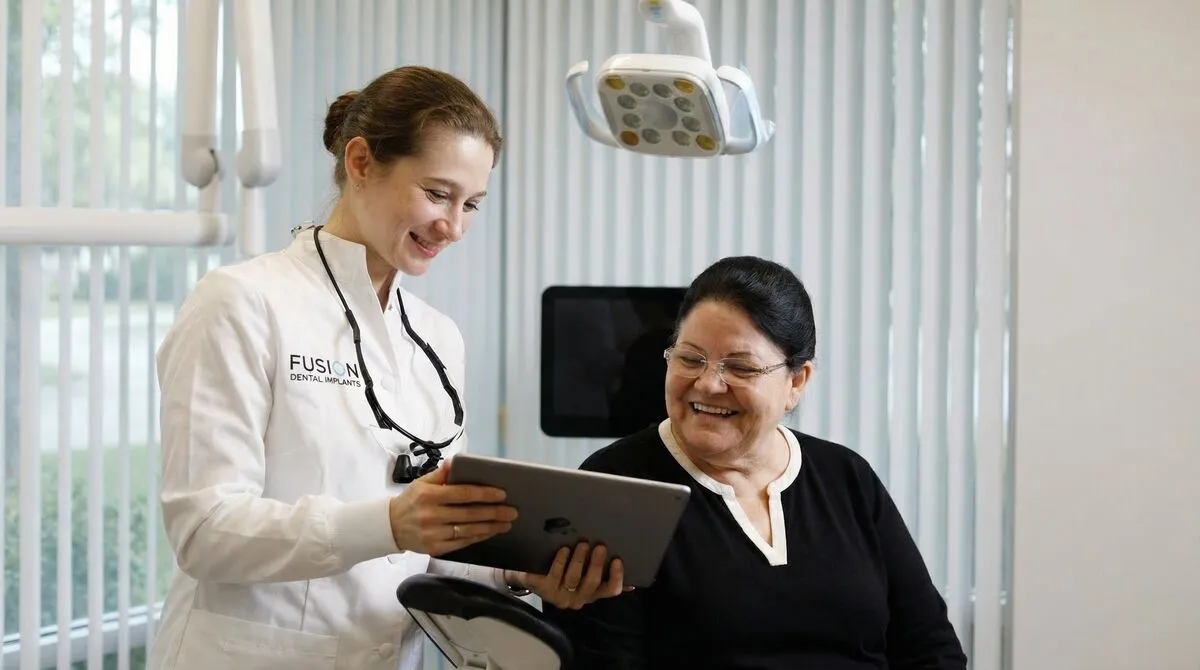
Concerns involving multiple components may call for individualized assessment and planning, particularly in complex or revision cases. For patients in Roseville, El Dorado Hills, Sacramento, Rocklin, Loomis, Lincoln, and Elk Grove, an implant evaluation with Fusion Dental Implants can help identify what’s contributing to a change and guide discussion of appropriate care.
Can a fixed implant-supported bridge be repaired, or does it need replacement?
A damaged or uncomfortable bridge doesn’t automatically mean every supporting implant must be removed. The right response depends on the assessment: the condition of the restoration and its connections, the health of the surrounding tissue, and the stability of the implant support. Fixed implant supported bridge problems can call for anything from a focused adjustment to a broader treatment plan.
| Possible approach | When it may be considered | What it may involve |
|---|---|---|
| Adjustment or repair | A limited fit, bite, or surface issue is identified. | The clinician may adjust the bite or repair a localized area, depending on the restoration and findings. |
| Component replacement | A connecting part is damaged or no longer functioning as intended. | A specific component may be replaced, with the bridge and supporting implants assessed as well. |
| Full bridge replacement | The restoration has damage or wear that can’t be appropriately addressed with a smaller repair. | A new bridge may be planned to suit the condition of the implants and the patient’s needs. |
| Implant-focused treatment | Assessment points to a concern involving an implant or nearby tissue, rather than only the visible bridge. | Care is planned around the specific implant and tissue findings; the approach varies by case. |
What may happen when the bridge itself is damaged?
A clinician checks the extent and location of chips or cracks, whether the bridge or its connections move, how it fits, and how the teeth meet when you bite. A small area of damage may call for a different response than a crack affecting the bridge’s function or fit. Repair or replacement is considered after the restoration and its support have been evaluated.
Don’t use household adhesives or try to reshape, tighten, or reposition the bridge. These attempts can complicate assessment or cause more damage. Protect the area and follow professional guidance while arranging an evaluation.
What if the concern involves an implant or surrounding tissue?
An implant-related concern needs its own assessment. Repairing the visible bridge alone may not address it. A clinician may examine the implant area and surrounding gums, assess the restoration and bite, and use appropriate imaging to evaluate supporting structures. The findings guide an individualized plan. A bridge problem alone doesn’t establish that an implant needs removal, and treatment shouldn’t be assumed before the cause is clear.
Feedback & Recreate
Delete
What should you do if your fixed implant-supported bridge feels loose or uncomfortable?
A loose or uncomfortable bridge needs professional assessment, but the sensation alone doesn’t tell you what’s wrong. Note what has changed, avoid putting extra pressure on the area, and arrange an evaluation. Don’t pull, tighten, glue, or otherwise modify the restoration yourself. An attempted fix can cause further damage or make it harder to identify the original concern.
- Note the symptoms. Record when they began, whether they’re getting better or worse, and what seems to trigger them.
- Protect the area. Choose foods that don’t put extra pressure on a damaged or moving bridge. Avoid hard or especially chewy foods if they make symptoms worse.
- Arrange an assessment. Share your observations with the dental team so they can evaluate the restoration and supporting structures.
What information should you bring to an implant evaluation?
A clear account of the change can help guide the assessment. Note pain, movement, clicking, swelling, bleeding, or changes in chewing or speech. Include when each symptom started and whether it has changed over time. Bring relevant medical history, a current medication list, and details about previous implant or bridge treatment if available.
The clinician may examine the bridge and its connections, check your bite, and assess the surrounding gum tissue. Depending on the findings, imaging may help evaluate supporting structures. This step-by-step review helps distinguish a restoration concern from an issue involving the implant or nearby tissue instead of relying on symptoms alone.
How can you care for the bridge while awaiting assessment?
Keep cleaning gently, following the instructions you’ve already received for your restoration. Don’t force floss, brushes, or other tools beneath the bridge if they catch or cause discomfort. If a cleaning method feels difficult or painful, don’t push through it. Mention the problem during your assessment.
Follow any individualized clinical instructions, and seek urgent professional guidance if symptoms worsen rapidly, bleeding becomes significant, or facial swelling develops. These changes call for prompt attention. Practical steps while you wait can help protect the area, but they don’t replace an examination to identify the cause of fixed implant supported bridge problems.
If you’re in Roseville, El Dorado Hills, Sacramento, Rocklin, Loomis, Lincoln, or Elk Grove and have noticed a change, arrange an implant evaluation to have the restoration and its support assessed.
How can ongoing care help protect a fixed implant-supported bridge?
Consistent home care and professional follow-up give your dental team opportunities to monitor the bridge and supporting tissues. They can’t prevent every complication, but may help identify changes before they become harder to address. Follow-up is tailored to your restoration and needs, rather than based on one schedule or cleaning method for everyone.
How do you clean around a fixed implant-supported bridge?
Brush the bridge and gumline regularly, and clean around and beneath the restoration as your clinician recommends. The bridge design affects which areas need attention, while dexterity and comfort influence which tools are practical. Your clinician may demonstrate options such as floss threaders or a water flosser, but neither is automatically right for everyone.
Don’t force a brush or cleaning tool into a space where it catches or causes pain. If you can’t reach an area comfortably, or food repeatedly gets trapped, mention it at follow-up. The dental team can review access and help adapt your routine to the restoration.
When should you seek a specialist evaluation?
Arrange an assessment if symptoms return, the bridge’s fit or appearance changes, or routine cleaning becomes difficult. At follow-up, a clinician can review the bridge, bite, surrounding tissues, and access for cleaning. These checks help track changes over time and clarify whether your care routine or restoration needs further attention. Daily maintenance is valuable, but it doesn’t replace professional monitoring.
Some implant concerns are more complex and may call for individualized planning, particularly in revision cases. Fusion Dental Implants provides implant care, including complex and revision cases. For patients in Roseville, El Dorado Hills, Sacramento, Rocklin, Loomis, Lincoln, and Elk Grove, learn about Fusion Dental Implants’ implant care and arrange an evaluation to discuss a change in your restoration.
Take the Next Step Toward a Clearer Answer
A change in your bridge’s comfort, fit, or appearance deserves attention, but it doesn’t automatically mean an implant has failed. Fixed implant supported bridge problems can involve the restoration, its connections, the implant, or nearby tissue. An assessment helps identify the source and whether repair, replacement, implant-focused care, or ongoing monitoring may be appropriate.
Until you’re evaluated, avoid modifying a loose or damaged bridge, protect it from extra pressure, and keep up gentle cleaning. Regular, individualized follow-up can help monitor fit, bite, and tissue health, though it can’t prevent every complication.
Fusion Dental Implants provides implant care, including complex and revision cases that may need individualized planning. Serving patients in Roseville, El Dorado Hills, Sacramento, Rocklin, Loomis, Lincoln, and Elk Grove, the practice offers a range of implant restorations. Arrange an implant evaluation with Fusion Dental Implants to discuss your concerns and next steps.
Frequently Asked Questions
Can a fixed implant-supported bridge be repaired?
Sometimes a clinician can repair or adjust a fixed implant-supported bridge, but the right option depends on what’s damaged and the condition of the implants and surrounding tissues. Assessment may include examining the restoration, checking your bite and gums, and taking imaging when appropriate. A chip or loose feeling doesn’t automatically mean every implant must be replaced. The findings guide the options, and no particular outcome can be promised before an examination.
Why does my implant-supported bridge feel loose?
A loose sensation may come from the bridge, a connecting component, a change in your bite, or an issue involving implant support. These fixed implant supported bridge problems can feel similar, so symptoms alone can’t identify the cause. Don’t pull, tighten, or glue the restoration yourself. A clinician can assess how the bridge moves, examine nearby tissues, and decide whether imaging or further evaluation is appropriate.
Is pain around an implant-supported bridge normal?
New, persistent, or worsening pain around an implant-supported bridge shouldn’t be dismissed, but pain alone doesn’t diagnose implant failure. Several causes are possible, so arrange a dental assessment and explain when the discomfort began and what seems to affect it, such as chewing or brushing. Marked swelling, significant bleeding, or rapidly worsening symptoms call for prompt professional guidance. A clinician needs to examine the area to determine what’s happening.
Can an implant-supported bridge break or chip?
Yes, bridge material can chip or become damaged. The significance depends on where the change is and how extensive it is. Avoid chewing hard foods on the affected side, and arrange an examination rather than trying to repair the bridge at home. A clinician can assess the damage, bite, and supporting components, then explain whether adjustment, repair, or replacement is appropriate based on the findings.
Does a loose fixed bridge mean the dental implants have failed?
No. A loose bridge doesn’t, by itself, establish that an implant has failed. The sensation may relate to the bridge or a connecting component, while some concerns involve implant support or surrounding tissues. A clinical examination, with imaging when indicated, can help distinguish these possibilities. A bridge problem doesn’t automatically mean every implant must be removed or replaced. The appropriate next step depends on the assessment.
How do you clean under a fixed implant-supported bridge?
Cleaning depends on the bridge design and your individual needs. Brush regularly, then clean around and beneath accessible areas with tools and techniques recommended by your dental team. Don’t force a tool into a tight or painful space. If cleaning becomes difficult, your gums bleed repeatedly, or food keeps getting trapped, arrange a professional review of the bridge’s fit and cleaning access so your routine can be tailored appropriately.
When should I contact a dentist about an implant-supported bridge problem?
Arrange an assessment for new movement, visible damage, persistent discomfort, repeated food trapping, or changes in chewing. Rapidly worsening symptoms, significant bleeding, or facial swelling warrant prompt professional guidance. Don’t modify the bridge yourself, and note when the issue began and how it has changed. Fusion Dental Implants serves patients in Roseville, El Dorado Hills, Sacramento, Rocklin, Loomis, Lincoln, and Elk Grove. An examination helps determine the appropriate response.
Related Reading and Next Steps
Read about implant revision signs, gum health around implants, and costs and financing. Request a consultation at our Roseville or El Dorado Hills office for advice based on your examination.
Ready to Transform Your Smile?
Schedule your free consultation today and discover how dental implants can change your life.