Wisdom Teeth Removal: Reasons, Planning, and Recovery
Wisdom teeth removal may be recommended for infection, decay, damage to nearby teeth, or other problems involving the third molars. Not every wisdom tooth must be removed. The decision depends on its position, health, cleaning access, symptoms, and the risks of leaving it versus removing it.
On this page
Why an examination matters even without pain
A wisdom tooth may be fully erupted, partly covered by gum, or impacted in the jaw. Some can be monitored; others cause recurring inflammation or affect the neighboring tooth. Lack of pain does not establish that a tooth is healthy, but it also does not justify surgery on its own.
The ADA wisdom-teeth guide explains common reasons for evaluation. Ask what the images show, what problem removal is intended to address, and whether monitoring is a reasonable alternative.
Compare monitoring and removal
| Situation | Discussion to have | Follow-up point |
|---|---|---|
| Healthy, accessible tooth | Whether monitoring is suitable | Cleaning and periodic review |
| Recurring gum inflammation | Infection control and removal options | Symptoms returning after temporary relief |
| Decay or nearby tooth damage | Restorability and surgical risks | Protecting the adjacent tooth |
| Impacted tooth near important anatomy | Imaging, referral, and alternatives | Nerve or sinus considerations |
Treatment should reflect your anatomy and health, not a fixed number of teeth to remove. Our wisdom-teeth service information provides a starting point for booking an assessment.
Plan anesthesia and your first days at home
The path at a glance: Assessment and imaging → Discuss options and consent → Removal if recommended → Early recovery → Review.
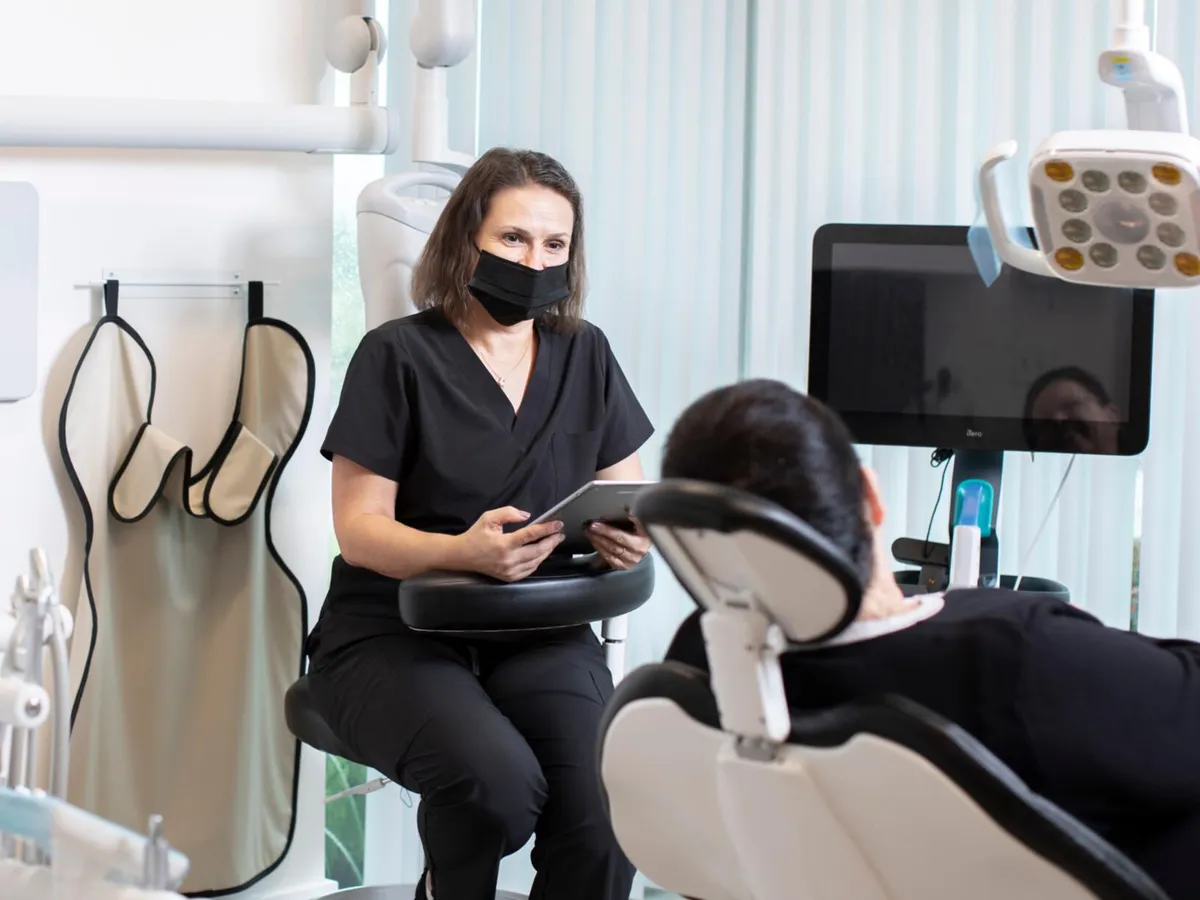
Ask about local anesthesia, whether sedation is appropriate, and the exact fasting, escort, and driving instructions for your plan. Tell the clinician about medicines, allergies, pregnancy, medical conditions, and prior anesthesia problems. Do not stop prescribed medicines without instructions from the appropriate clinician.
Prepare suitable soft foods and follow the written instructions about bleeding control, cleaning, activity, and smoking or vaping. The American Association of Oral and Maxillofacial Surgeons patient resource provides background on wisdom-tooth management. Recovery varies with surgical complexity.
Know when recovery needs a review
Some soreness and swelling can follow surgery, but symptoms should be assessed in context. Increasing pain after initial improvement, fever, drainage, or persistent altered sensation needs a call. Our dry-socket article explains one possible cause of delayed pain; it is not the only one.
Uncontrolled bleeding, rapidly spreading swelling, or trouble breathing or swallowing requires urgent medical care. Ask for the treating team's aftercare contact details before the procedure. A routine online booking is not an adequate response to an urgent post-operative problem.
Frequently Asked Questions
Does everyone need wisdom teeth removed?
No. Tooth health, position, symptoms, cleaning access, and risk determine whether removal or monitoring is appropriate.
Can an impacted tooth be painless?
Yes. Imaging and examination can identify issues that are not painful. The findings should still be explained before surgery.
Will I be asleep for removal?
Not necessarily. Local anesthesia and any sedation options depend on the case, health history, and treatment plan.
Can I drive home?
Follow the instructions for your anesthesia plan. Sedation may require an escort and restrictions on driving afterward.
How long does recovery take?
It varies with the procedure and individual healing. Ask about expected limits on eating, work, exercise, and follow-up.
What is dry socket?
It is a painful healing complication after extraction. A dentist should assess worsening pain rather than relying on symptoms alone.
Should I stop my usual medicines?
Do not stop prescribed medicines on your own. Review them with the surgical team and prescribing clinician when needed.
What symptoms need urgent help?
Uncontrolled bleeding, breathing or swallowing difficulty, or rapidly spreading swelling needs urgent medical care. Worsening pain or fever requires a prompt call.
Talk with Fusion about your next step
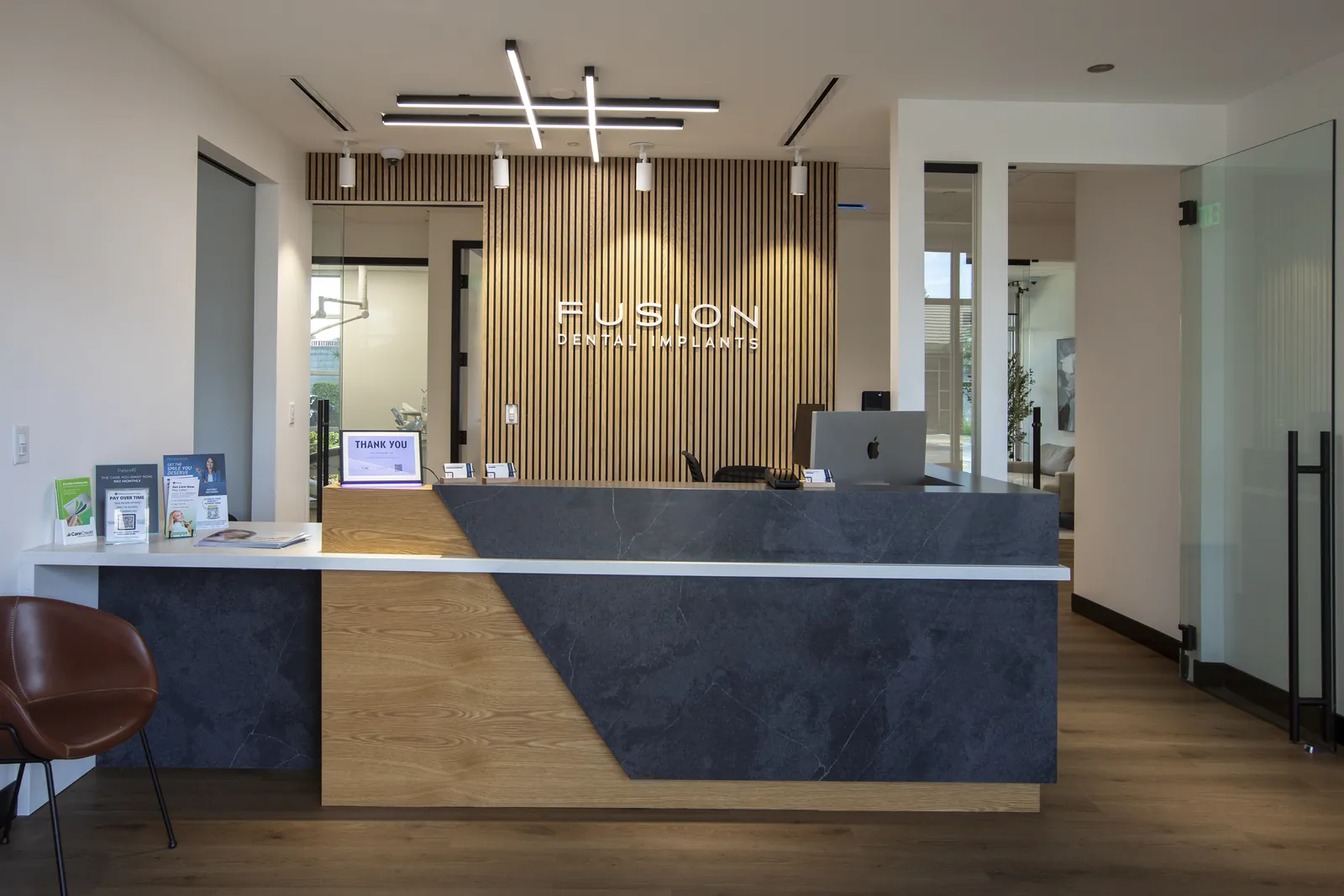
Bring your questions to our general dentistry team or explore our implant services. We see patients at our Roseville and El Dorado Hills offices. Review our providers, payment options, and first-visit information before your appointment.
Why patients choose Fusion: Care in two local offices | An individualized treatment plan | Clear discussion of options and follow-up
Request an appointment. For urgent symptoms, call (916) 292-9998 rather than waiting for an online reply. Appointment availability must be confirmed; we do not advertise 24-hour emergency coverage.
About Fusion Dental Implants: Dental implant and general dental care in Roseville and El Dorado Hills, California.
Related reading
Ready to Transform Your Smile?
Schedule your free consultation today and discover how dental implants can change your life.