The Real Cost of Waiting to Get Dental Implants: How Delay Can Turn a Simple Case Into a Complex One
Medically reviewed byDr. Alexander Antipov— 2026-08-17
The cost of waiting to get dental implants usually isn't a price increase — it's a case change. The treatment that would have been a straightforward single implant can, after years of delay, become an implant plus bone grafting, or a sinus lift, or a plan involving neighboring teeth that drifted while the gap sat open. Prices at a transparent practice stay published; what moves is how much treatment your mouth eventually needs. That's the honest math behind "sooner is generally simpler."
The path: Free consultation + 3D CBCT scan (shows what delay has or hasn't changed) → written all-inclusive quote → treatment matched to today's anatomy — from a single implant to full-arch
What actually changes while you wait
A missing tooth isn't a static problem. Three slow processes commonly get underway once a tooth is gone:
- The bone begins to resorb. Jawbone generally stays dense in response to chewing forces transmitted through roots. Remove the root and the body gradually reclaims the mineral — often starting within the first year, with the socket area typically changing fastest early on. Our guide to bone loss and dental implants covers the mechanism in detail.
- Neighboring teeth drift. The teeth on either side can tilt into the gap, and the opposing tooth can migrate out of its socket (supra-eruption). Shifted teeth can complicate implant placement and sometimes need treatment of their own — a pattern we see often with missing back teeth, where gaps hide from view for years.
- Chewing load redistributes. Work migrates onto teeth that weren't built for it, which can accelerate their wear — potentially expanding the eventual restoration.
None of this is meant to alarm; the timescale is years, not weeks. But these changes tend to progress over time — at a pace that varies by patient — which is why the same mouth often presents a more involved case at year ten than it did at year one.
The escalation ladder: how delay adds line items
Here is how delay commonly translates into treatment steps — and what each stage generally means for cost and timeline at Fusion's published, all-inclusive prices:
| Situation | Typical plan | What delay added |
|---|---|---|
| Recent tooth loss, healthy bone | Single implant — starts at $1,850 | Nothing — often the simplest version of the case |
| Ridge has narrowed or lost height | Bone graft, then implant | A grafting procedure plus months of healing before placement |
| Upper back tooth, thinned sinus floor | Sinus lift, then implant | An additional procedure and healing stage |
| Several teeth lost or drifted | Implant bridge (commonly two implants supporting three teeth) | More teeth to replace than the original gap |
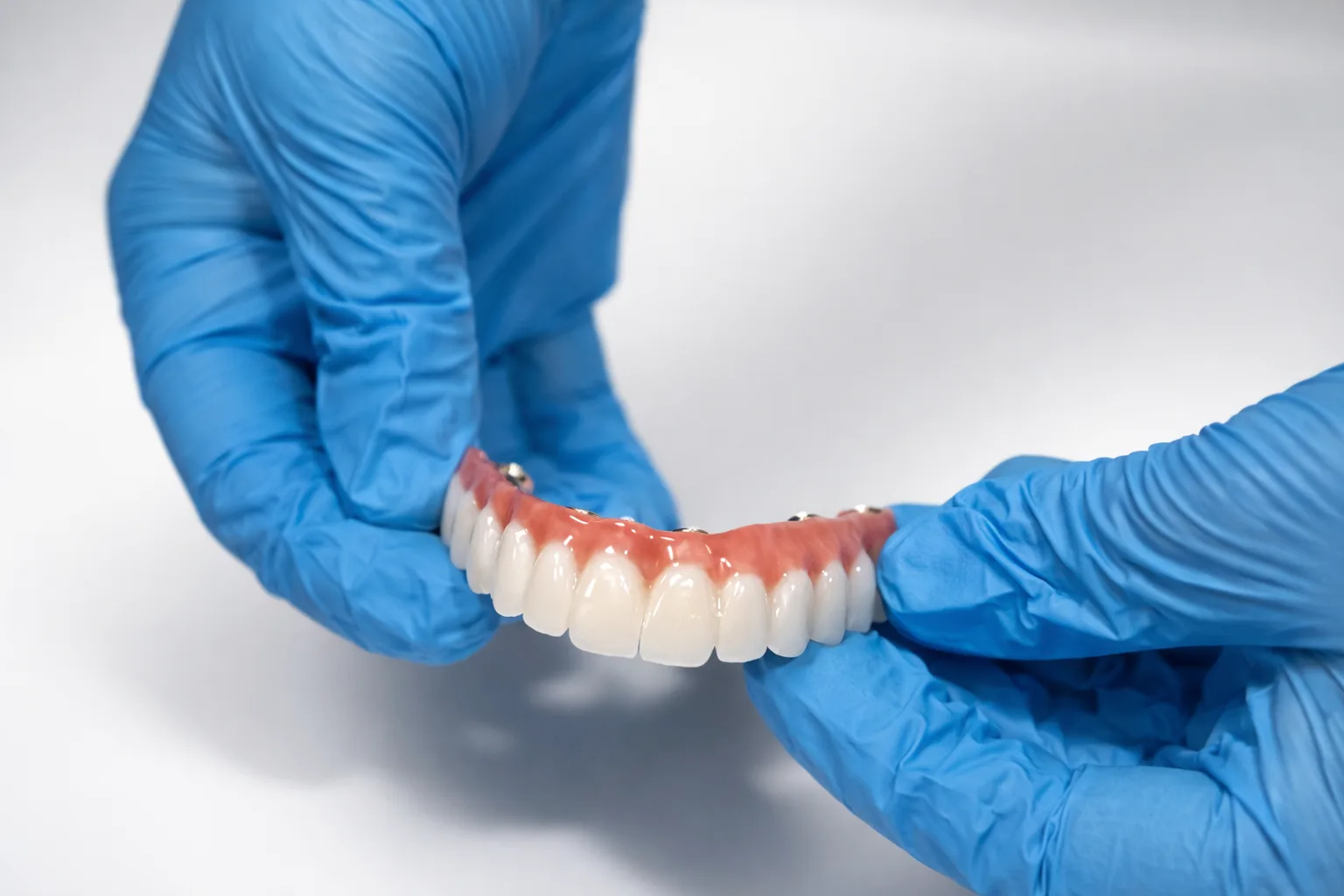
| Extensive loss across an arch | Snap-On Dentures — $9,999/arch — or fixed full-arch All-on-4 — $17,999/arch | A full-arch decision instead of a single-tooth one |
Two things worth noting. First, the ladder isn't inevitable — plenty of people who waited years still land on the top rows; anatomy varies, and a 3D CBCT scan is how the surgical team assesses it rather than assuming. Second, even the bottom row has established treatment paths: full-arch protocols were developed with exactly the situations long delays create in mind, and severe upper-jaw resorption has dedicated techniques like zygomatic implants.
Why "right after extraction" is often the cheapest window
The period around tooth removal is frequently the best-value moment to plan a replacement, because the socket's bone is still largely intact and grafting (when needed at all) can sometimes happen in the same visit. If you're at that decision point now, our guide to implant timing after tooth extraction walks through the options — including when immediate placement can help preserve the site.
If that window has already passed, the takeaway isn't regret — it's simply that an assessment sooner rather than later lets you decide with current information, whatever you choose to do with it.
Already waited years? Get measured, not discouraged
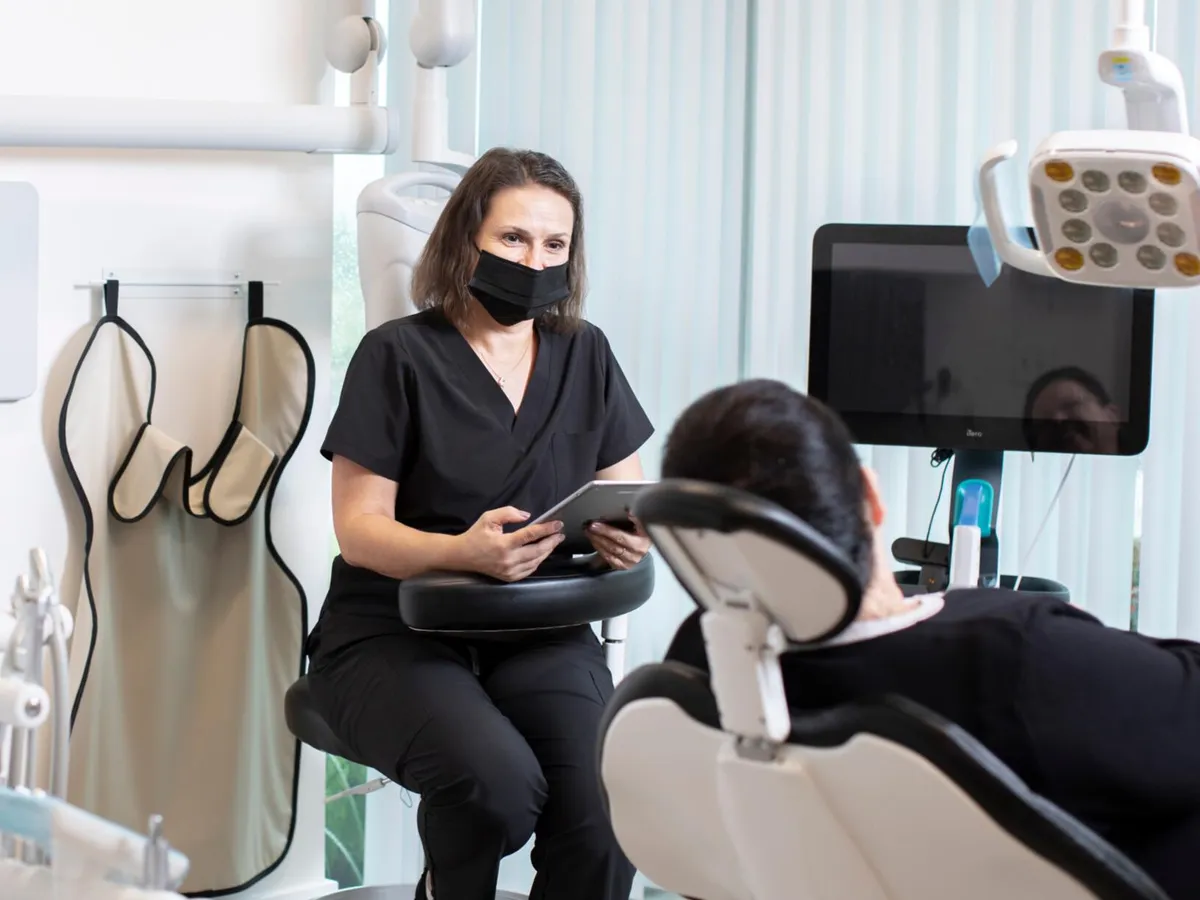
Long-term gaps and long-term denture wear both tend to come with some resorption — the same process behind the facial changes covered in our guide to dentures and facial aging. But how much bone remains is an individual question, best answered with imaging and a clinical exam. At Fusion Dental Implants, the free consultation includes a 3D CBCT scan, and you leave with a written all-inclusive quote — so whether your case is still simple or may need rebuilding first, you'll have a concrete proposed number rather than a worst-case guess. A price match guarantee applies to comparable local quotes, and 0% financing is available for qualified patients through third-party lenders.
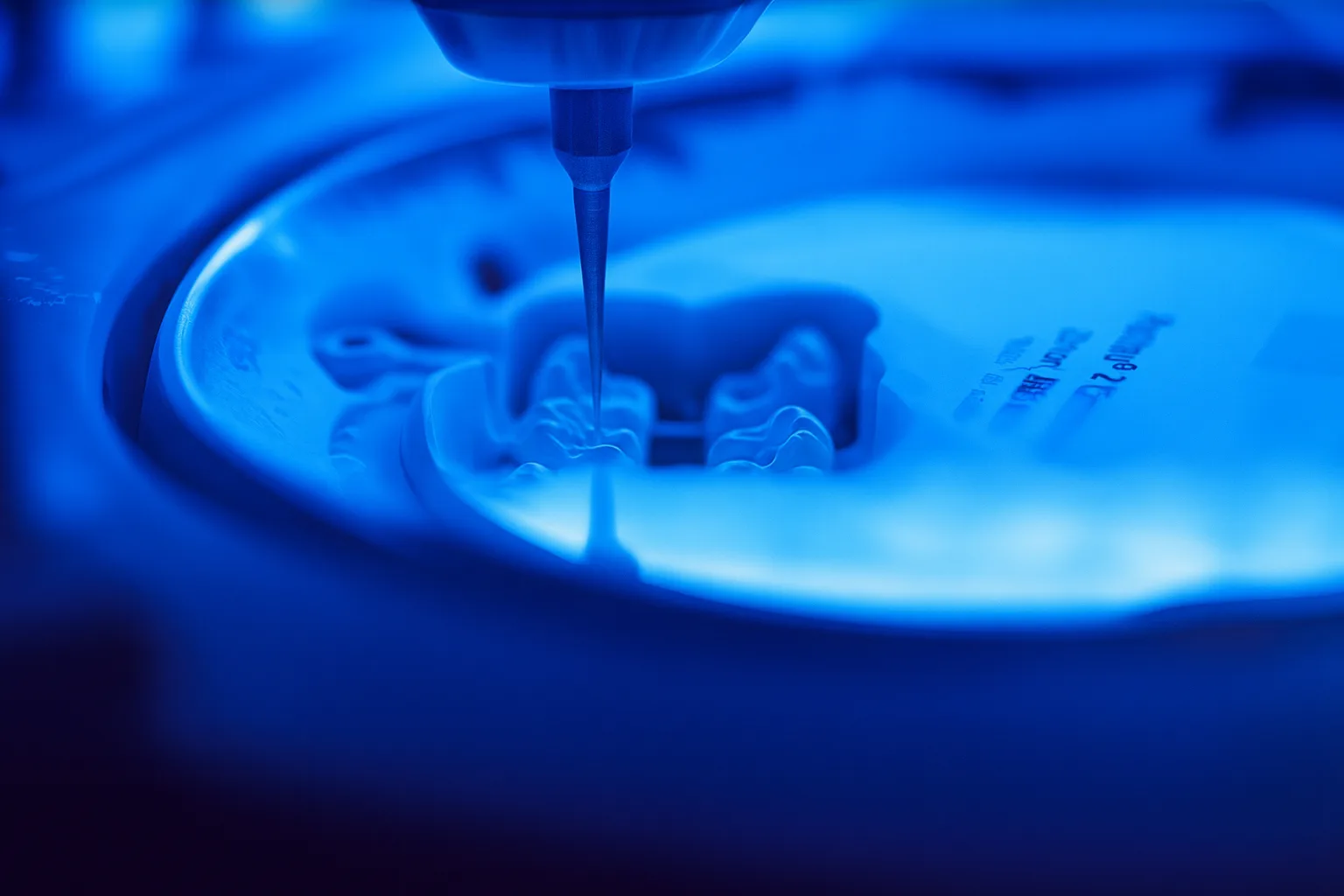
In-House Dental Lab | Same-Day New Teeth | Transparent All-Inclusive Pricing | Lifetime Full-Arch Warranty | Price Match Guarantee
Timing decisions, made with data
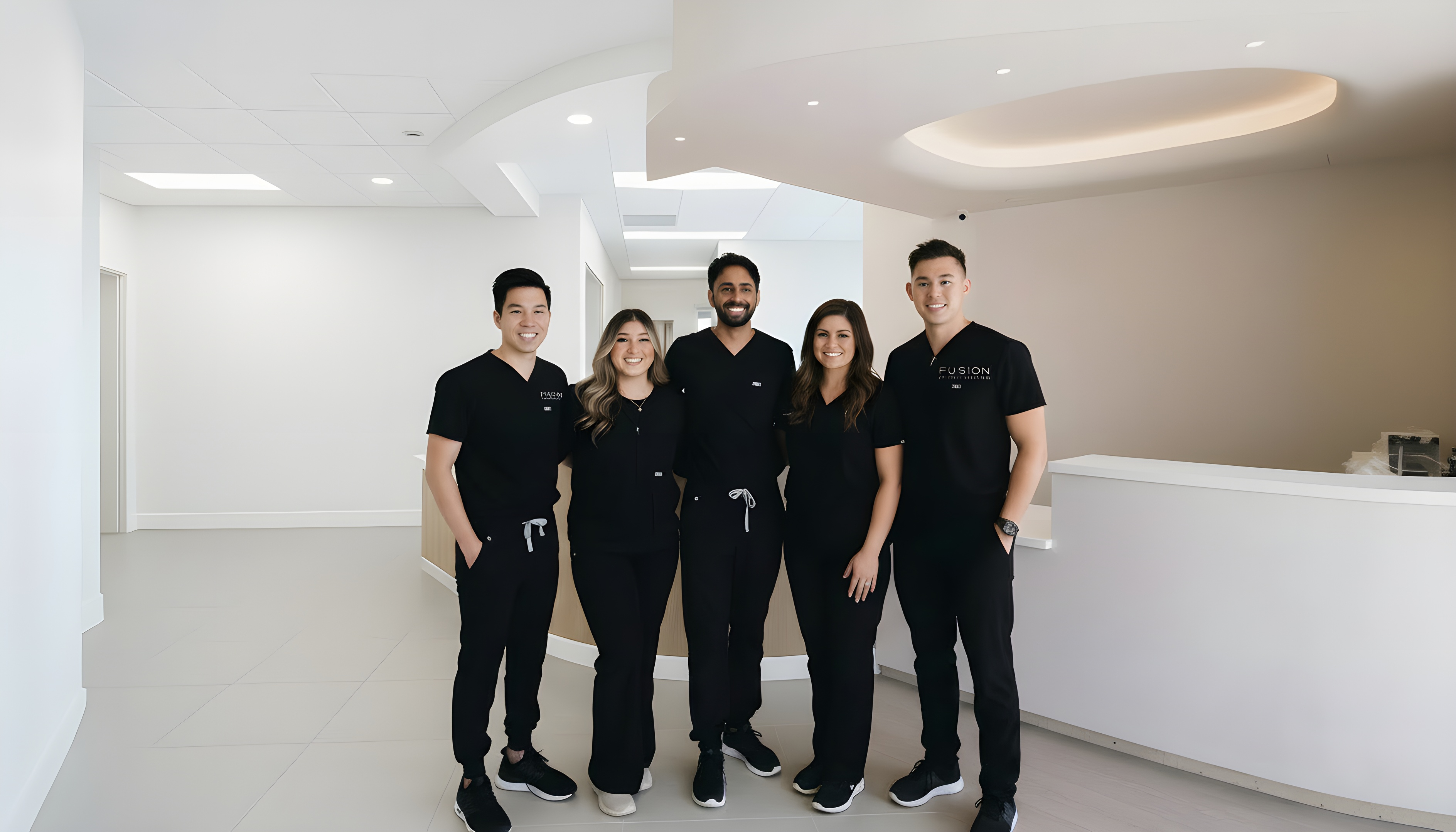
Fusion Dental Implants provides surgeon-led implant care at offices in Roseville and El Dorado Hills — 3D CBCT planning, IV sedation, bone grafting, and restorations from an in-house dental lab, all under one roof. If a gap has been sitting on your "eventually" list, a free consultation replaces the eventually with a measured plan — and often, the news is better than years of waiting led you to expect.
Frequently Asked Questions
Does waiting to get a dental implant really cost more?
Often, yes — not because prices rise, but because the case itself can change. After a tooth is lost, the jawbone in that area typically begins to resorb, neighboring teeth can tilt into the gap, and the opposing tooth can drift out of its socket. Each of those changes can add steps to the eventual treatment plan, such as bone grafting, which add cost and time that an earlier, simpler placement may not have needed.
How soon after losing a tooth does bone loss start?
Resorption often begins within the first year after tooth loss, and the early months typically see the fastest change as the socket remodels. The process then generally continues slowly for as long as the area lacks stimulation from a root. The pace varies from person to person, which is why the practical question isn't the calendar — it's what a 3D CBCT scan shows about your bone today.
What extra procedures can delay make necessary?
The most common addition is bone grafting, to rebuild width or height the ridge has lost. For upper back teeth, a sinus lift may be needed when the bone between the ridge and sinus has thinned. Long delays can also mean treating shifted neighboring teeth, or moving from a single-tooth plan to a bridge or larger restoration if adjacent teeth have deteriorated. Each addition tends to extend both the budget and the timeline.
Is it ever too late to get dental implants?
Rarely in absolute terms — but the path changes. Even significant bone loss can often be addressed with grafting, and techniques such as zygomatic implants were developed for severe upper-jaw resorption. What a long delay usually costs is simplicity: more steps, more healing stages, and a larger budget. A 3D CBCT scan helps the surgical team assess what your jaw may support today and whether any rebuilding is worth considering first.
What does a single implant cost if I act while the site is still simple?
At Fusion Dental Implants, a single implant starts at $1,850 — an all-inclusive figure covering the implant, abutment, and crown, quoted in writing after a free consultation and 3D CBCT scan. A price match guarantee applies to comparable local quotes, and 0% financing is available for qualified patients through third-party lenders.
I've already waited years. What should I do now?
Get measured rather than discouraged. Many people who waited a decade or more still qualify for standard implant treatment; others need a graft-first plan or, for extensive loss, full-arch options. The 3D CBCT scan included in a free consultation helps the clinical team assess where you stand, and a written all-inclusive quote lays out what the proposed path costs — so the decision is grounded in your anatomy rather than guesswork.
Does waiting affect more than the implant site?
It can. A missing tooth commonly shifts chewing load onto other teeth, which can accelerate their wear, and people often chew around the gap, which can limit food choices. Neighboring and opposing teeth can drift, changing the bite. None of this is instant — but it's why dentists generally treat a missing tooth as a structural issue to plan for rather than a cosmetic one to ignore.
What if I need more than one tooth replaced after waiting?
Options scale with the situation: an implant bridge can replace several adjacent teeth (commonly two implants supporting three teeth), Snap-On Dentures at $9,999 per arch anchor a removable overdenture on implants, and fixed full-arch All-on-4 treatment at $17,999 per arch replaces an entire arch — backed by a lifetime warranty on full-arch restorations. The CBCT scan and consultation determine which fits your case.
This article is for educational purposes only and is not a substitute for professional medical advice, diagnosis, or treatment. Always consult a qualified dental professional about your specific situation.
Sources:
- U.S. Food & Drug Administration — Dental Implants: What You Should Know
- National Institute of Dental and Craniofacial Research — Oral Health Information
About Fusion Dental Implants: Fusion Dental Implants provides surgeon-led dental implant care at offices in Roseville and El Dorado Hills, California — including single implants, implant bridges, Snap-On Dentures, and full-arch All-on-4 restorations. With an in-house dental lab, 3D CBCT imaging, IV sedation, transparent all-inclusive pricing, and a lifetime warranty on full-arch restorations, patients can complete every phase of treatment under one roof. Free consultations include a 3D CBCT scan. Call (916) 292-9998 or book online.
Related reading:
Ready to Transform Your Smile?
Schedule your free consultation today and discover how dental implants can change your life.