Most adults with failing teeth or loose dentures qualify for All-on-4 — including many who were told years ago they "don't have enough bone" for implants. Candidacy comes down to three things: the state of your mouth, your general health, and what a 3D scan shows about your jawbone. Age is not on the list.
This checklist walks through each factor the way a surgical team actually evaluates it, so you know where you stand before you ever sit in a consultation chair.
The quick self-check
You are likely a candidate if you can say yes to these:
- Most or all teeth in an arch are missing or failing — from decay, gum disease, fractures, or a denture you have worn for years.
- You are tired of removable dentures — the slipping, the adhesives, the food restrictions that come with loose dentures.
- You are in stable general health — well enough for a routine oral surgical procedure under sedation.
- You want fixed teeth — a bridge that stays in permanently, rather than a removable snap-in system.
None of these need to be perfect. The factors below explain the nuances — and why the final answer always comes from imaging, not a checklist alone.
The candidacy path at a glance: Health History Review → 3D CBCT Scan → Bone & Anatomy Mapped → Personalized Yes/No With a Plan
Factor 1: Bone — the "not enough bone" myth
Years of missing teeth or denture wear shrink the jawbone, because bone needs the stimulation of tooth roots to maintain itself. Many patients were told a decade ago that implants would require extensive grafting.
All-on-4 was engineered for exactly this situation: the two rear implants are tilted to anchor in the densest bone you still have, often bypassing the areas that resorbed most. That is why many patients with significant bone loss qualify without grafting — and when bone truly is insufficient, grafting can rebuild it. Our guide to implant eligibility with bone loss unpacks the common myths. Only a 3D CBCT scan — never a flat X-ray or a guess — settles the question.
Factor 2: Your health profile
The genuinely harder cases — uncontrolled systemic disease, certain medications, heavy untreated infection — are covered in our honest guide to who is not a candidate for dental implants. Even there, "not yet" is more common than "never."
Factor 3: What you want your teeth to do
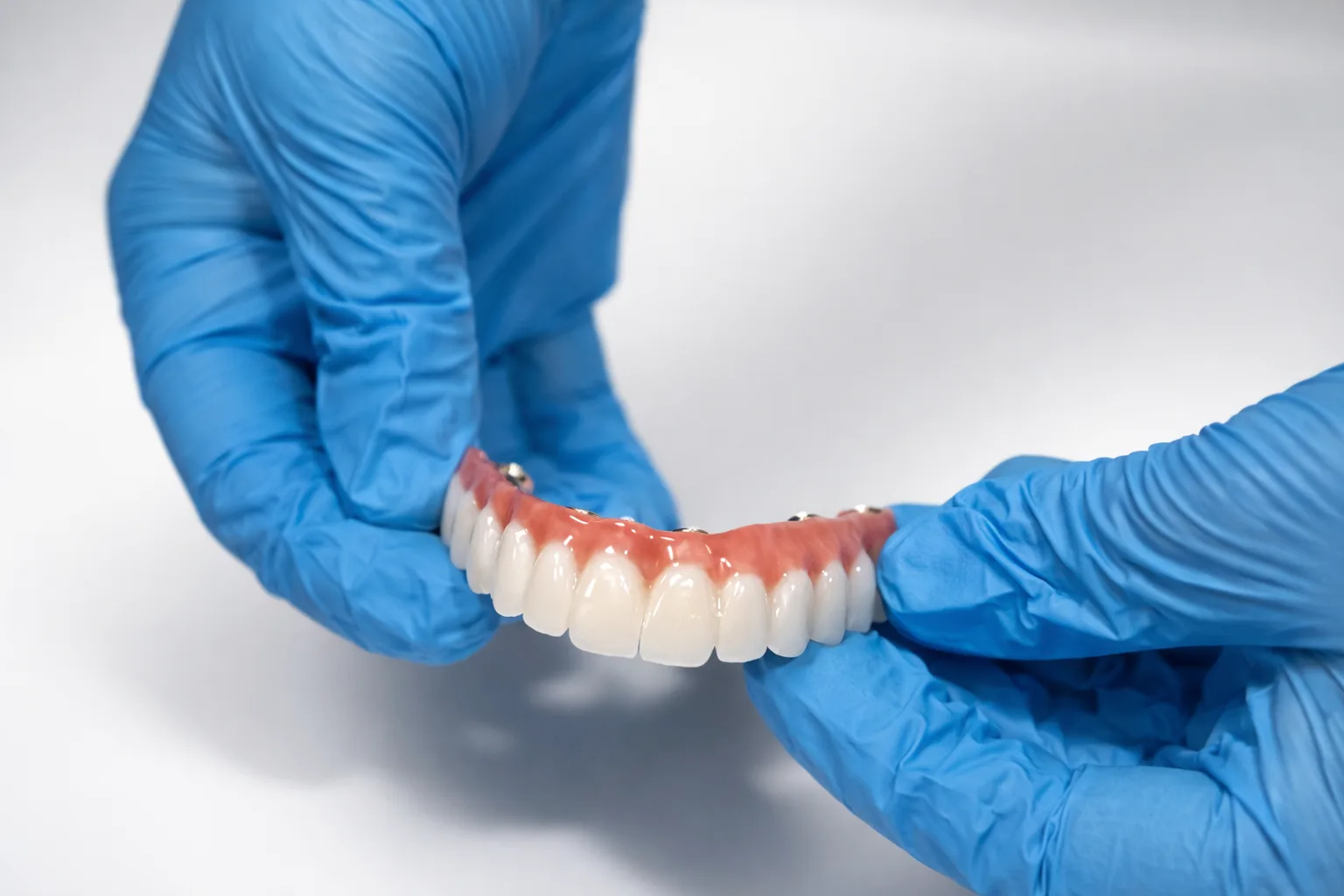
All-on-4 is a fixed solution: a full bridge bolted to four implants that stays in around the clock and restores the large majority of natural chewing power — a different daily experience from a snap-in overdenture you remove nightly. If you are still weighing removable against fixed, start with how many implants each option needs and the fixed vs snap-in comparison. Patients with very heavy bite forces or softer upper-jaw bone are sometimes better served by All-on-6 — the scan decides.
Beyond function, a full-arch restoration restores the vertical facial support lost with the teeth — the reason long-term denture wearers develop a sunken look. Our article on how All-on-4 changes your face shows what that support means in practice, and the FDA's dental implant overview explains how implant systems themselves are regulated.
What the consultation actually determines
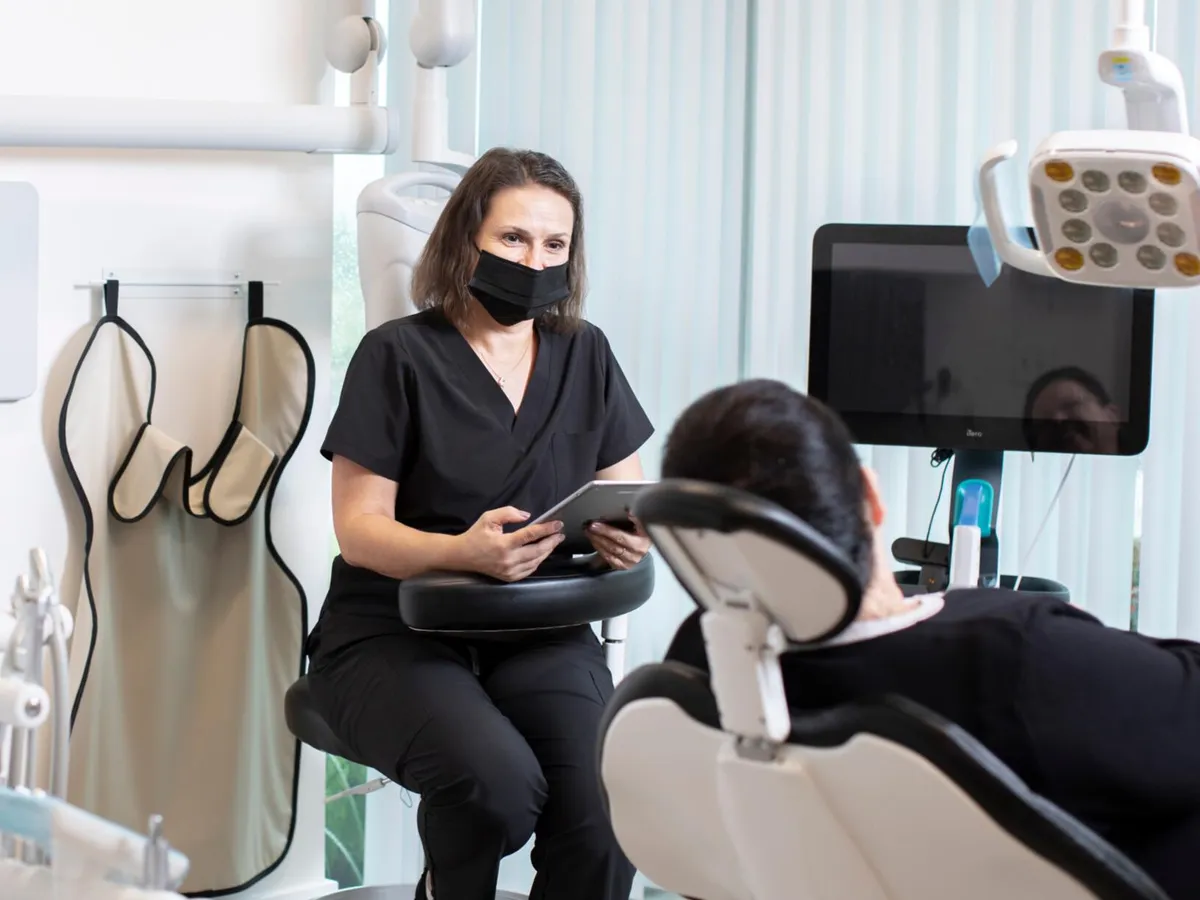
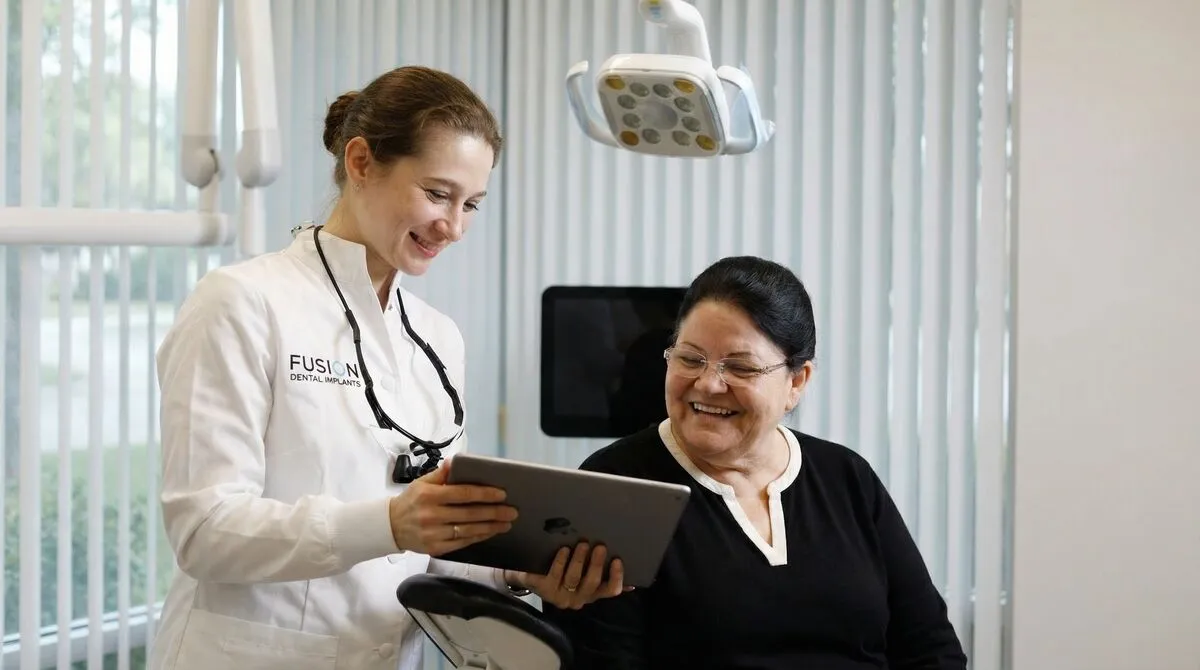
A candidacy visit at our Roseville or El Dorado Hills office includes a clinical exam and a free 3D CBCT scan that maps bone volume, density, sinus position, and nerve pathways in minutes. From that, our board-certified surgical team can tell you:
- Whether All-on-4 works with your existing bone, or whether grafting or All-on-6 is the better route
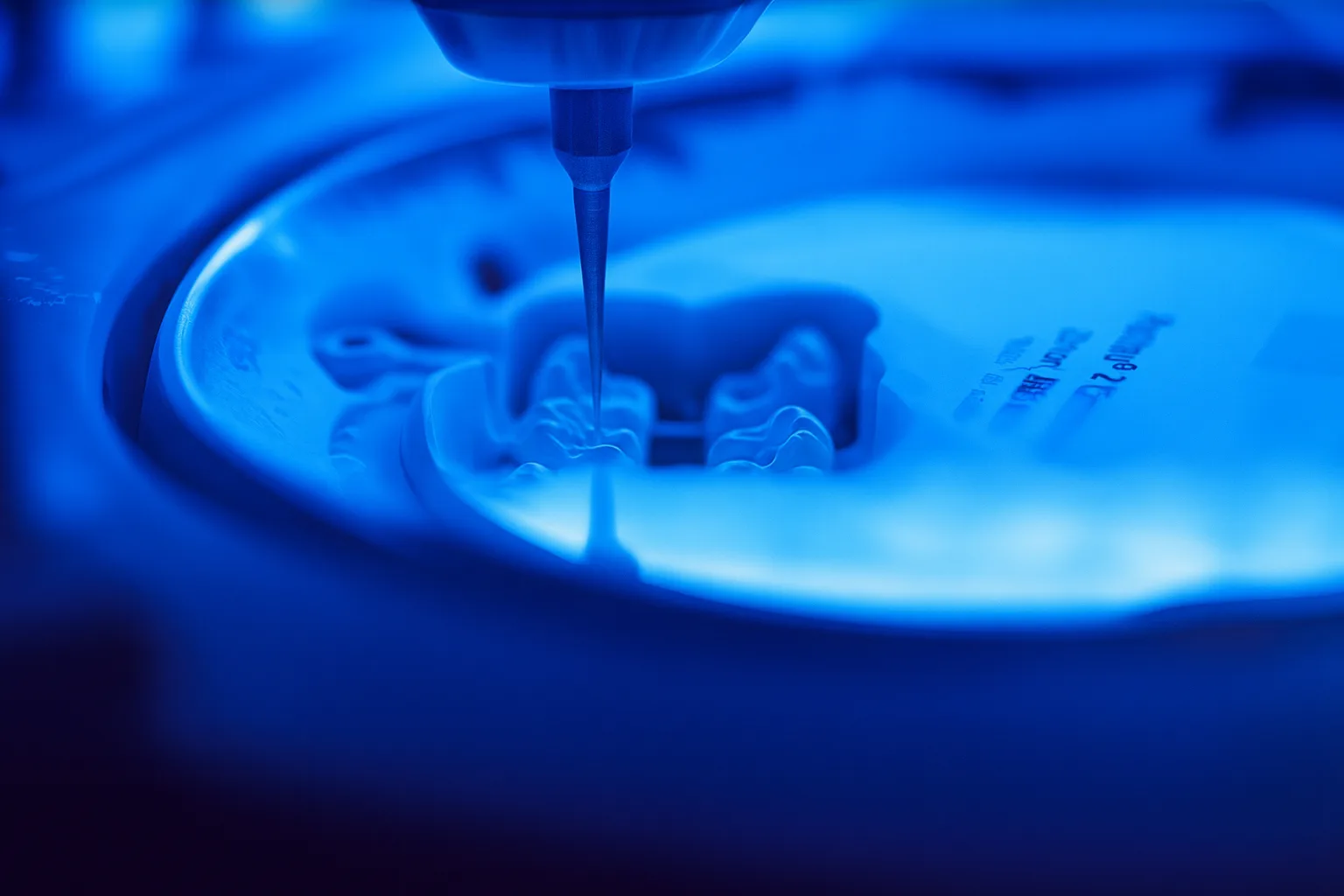
- Whether you qualify for same-day teeth — implants and a provisional bridge in one visit, supported by our in-house lab
- An itemized plan: fixed All-on-4 at $17,999 per arch, with 0% financing options and a price match guarantee on comparable local quotes
The NIH's oral health resources are a good independent primer on tooth loss and jaw health if you want to read further before your visit.
Find out where you stand
The most common thing we hear from full-arch patients is that they waited years longer than they needed to — usually because of an outdated "no" about bone. A free consultation with a 3D CT scan replaces guesswork with a definitive answer and an itemized plan, in one visit.
Schedule your free consultation
Why patients choose Fusion: In-House Dental Lab | Same-Day New Teeth | Transparent All-Inclusive Pricing | Lifetime Full-Arch Warranty | Price Match Guarantee
Frequently Asked Questions
Who is a good candidate for All-on-4 dental implants?
Typical candidates are adults with failing teeth, loose dentures, or most teeth missing in an arch, who are in stable general health. Because the rear implants are tilted to maximize existing bone, many people previously told they lack bone for implants still qualify — a 3D CBCT scan gives the definitive answer.
Can I get All-on-4 if I was told I don't have enough bone?
Often, yes. All-on-4 places the two rear implants at an angle to anchor in the densest available bone, which frequently avoids the grafting traditional implants would require. Patients with significant resorption from years of denture wear are regularly approved after a CT scan confirms usable bone volume.
Does gum disease disqualify me from All-on-4?
Not permanently. Active periodontal disease must be treated before implant surgery, because infection undermines healing. In full-arch cases where the remaining teeth are failing from gum disease, those teeth are removed at surgery — which itself eliminates much of the infection source.
Can smokers get All-on-4 implants?
Smoking does not automatically disqualify you, but it raises the risk that implants fail to fuse with the bone. Surgeons typically ask patients to stop or significantly reduce smoking before surgery and during healing. Being honest about tobacco use lets the team plan realistically.
Can diabetics get All-on-4 dental implants?
Yes — well-managed diabetes is compatible with successful implant treatment. What matters is blood sugar control, because uncontrolled diabetes slows healing and raises infection risk. Your care team may coordinate with your physician before scheduling surgery.
Is there an age limit for All-on-4?
There is no upper age limit — candidacy depends on health and bone, not birthdays. Patients in their 70s and 80s are treated routinely. The main age restriction is at the other end: implants are placed only after jaw growth is complete, typically from the late teens onward.
What happens at an All-on-4 candidacy consultation?
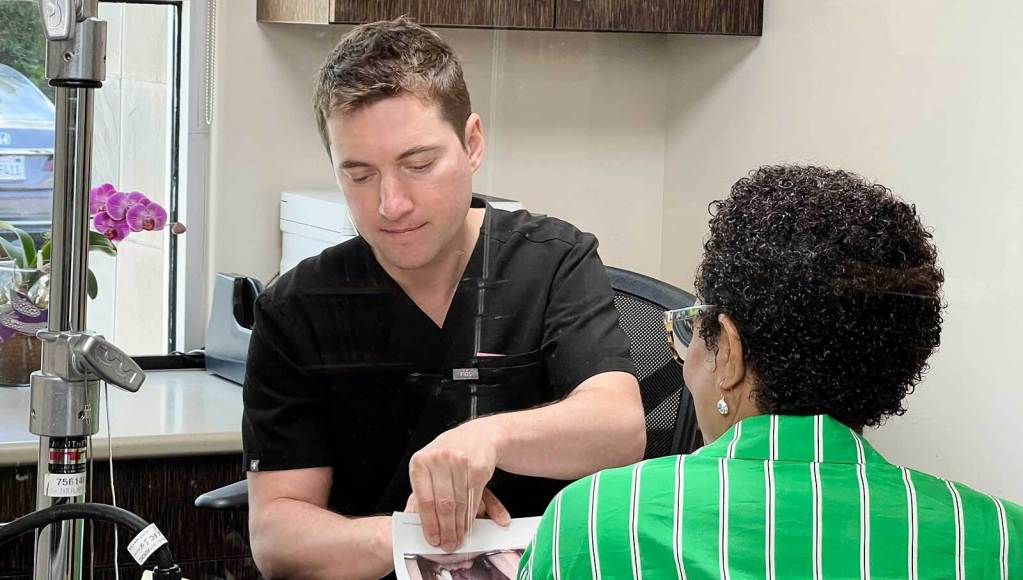
You receive a clinical exam and a 3D CBCT scan that maps your bone volume, density, and nerve positions. The surgical team reviews your health history and medications, then shows you which configurations your anatomy supports, with an itemized treatment plan and pricing.
How much does All-on-4 cost if I qualify?
At Fusion Dental Implants, fixed All-on-4 bridges are $17,999 per arch, itemized and transparent, with 0% financing options and a price match guarantee on comparable local quotes. The candidacy consultation and 3D CT scan are free.
This article is for general patient education and is not a substitute for personalized medical advice, diagnosis, or treatment. Every patient's oral health, anatomy, and healing response are different. Consult Dr. Antipov or your dental professional before making treatment decisions.
Sources: FDA: Dental Implants — What You Should Know · NIH/NIDCR: Oral Health Topics
About Fusion Dental Implants: We specialize in advanced dental implant solutions with locations in Roseville and El Dorado Hills, California.
Related reading: