Dental Implant Eligibility with Bone Loss: Myths vs. Reality
Medically reviewed byDr. Alexander Antipov— 2026-07-13
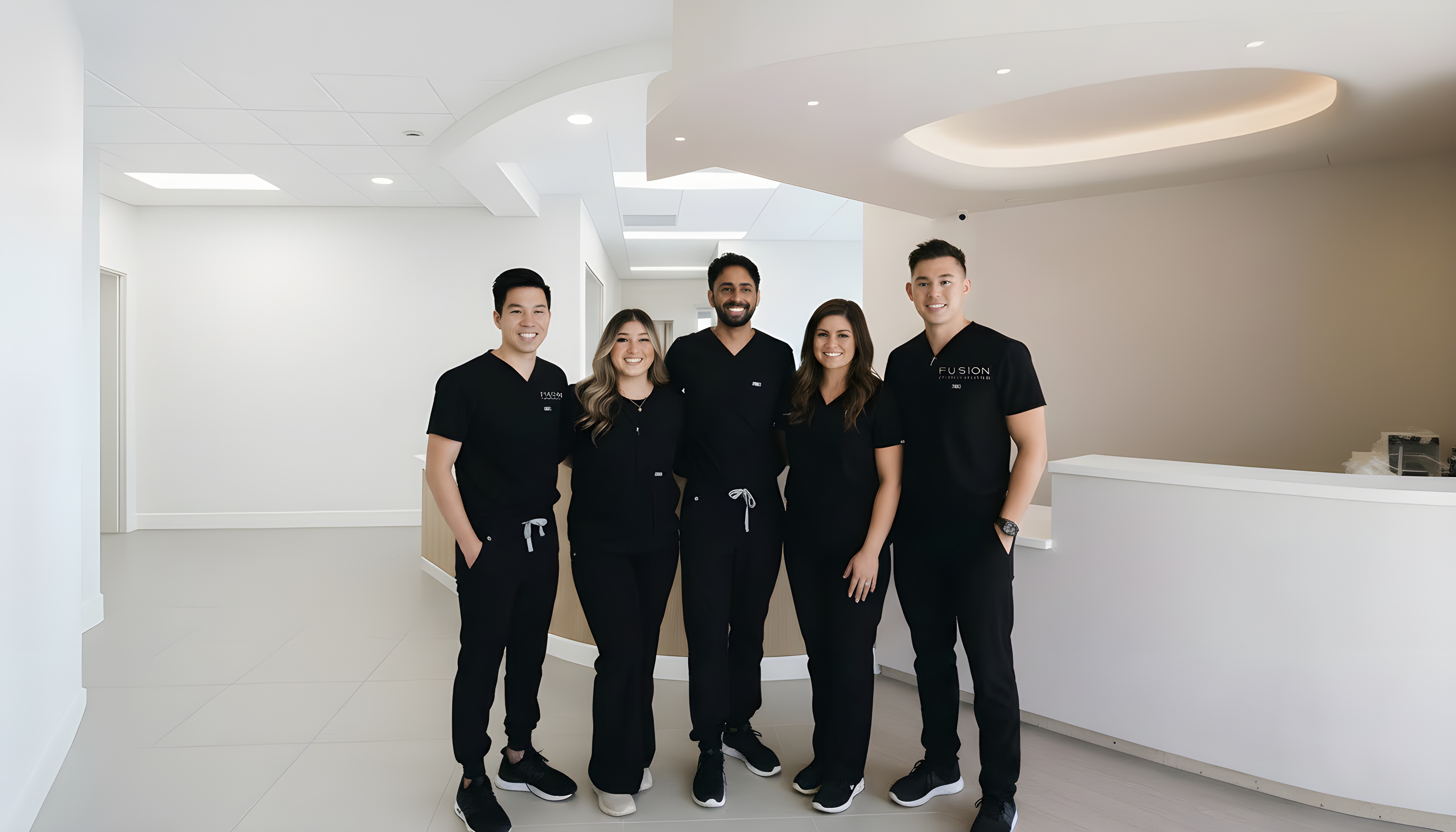
Being told you lack the jawbone for dental implants is rarely a final verdict. Modern eligibility depends less on how much bone you have and more on how strategically it is used: 3D imaging finds bone that flat X-rays miss, All-on-4 anchors implants in the densest part of the jaw, and zygomatic implants bypass the jawbone entirely in severe cases. At Fusion Dental Implants in Roseville and El Dorado Hills, we regularly treat patients who were told "no" elsewhere.
This article is for general information and does not replace a clinical evaluation. Your options depend on your imaging, health history, and goals. Consult a qualified implant surgeon for a personalized plan.
Here are the most common eligibility myths, and what is actually true:
| Myth | Reality |
|---|---|
| "Not enough bone" means no implants, ever | Angled placement, grafting, and zygomatic implants cover nearly every level of bone loss |
| A regular dental X-ray shows whether I qualify | 2D X-rays show bone height only; 3D CBCT scans reveal hidden width and density |
| I should wait until the timing is better | Bone loss is progressive; waiting reduces your options |
| Dentures protect my jawbone | Conventional dentures accelerate bone loss by pressing unevenly on the gums |
| Bone grafts usually get rejected | Graft failure is uncommon and usually reflects integration issues, not rejection |
| I am too old for implant surgery | Age alone is rarely disqualifying; overall health matters far more |
Why "Not Enough Bone" Happens in the First Place
Jawbone exists to support teeth, and it needs the stimulation of a tooth root to maintain its density. When a tooth is lost, the body begins reabsorbing that bone. The medical term is jawbone resorption, and the greatest loss happens within the first year after an extraction.
Conventional dentures make this worse, not better. They sit on top of the gums and apply uneven pressure, which speeds up the thinning of the jaw. That is why dentures tend to fit worse every year: the bone underneath keeps shrinking. If you want the full picture of how resorption affects treatment planning, our guide to bone loss and dental implants covers the biology in depth.
The key point for eligibility: bone loss is progressive. It does not pause while you wait for the perfect time. The bone you have today is likely the most you will ever have.
Why One Office Says No and Another Says Yes
The difference is usually imaging and experience, not your jaw.
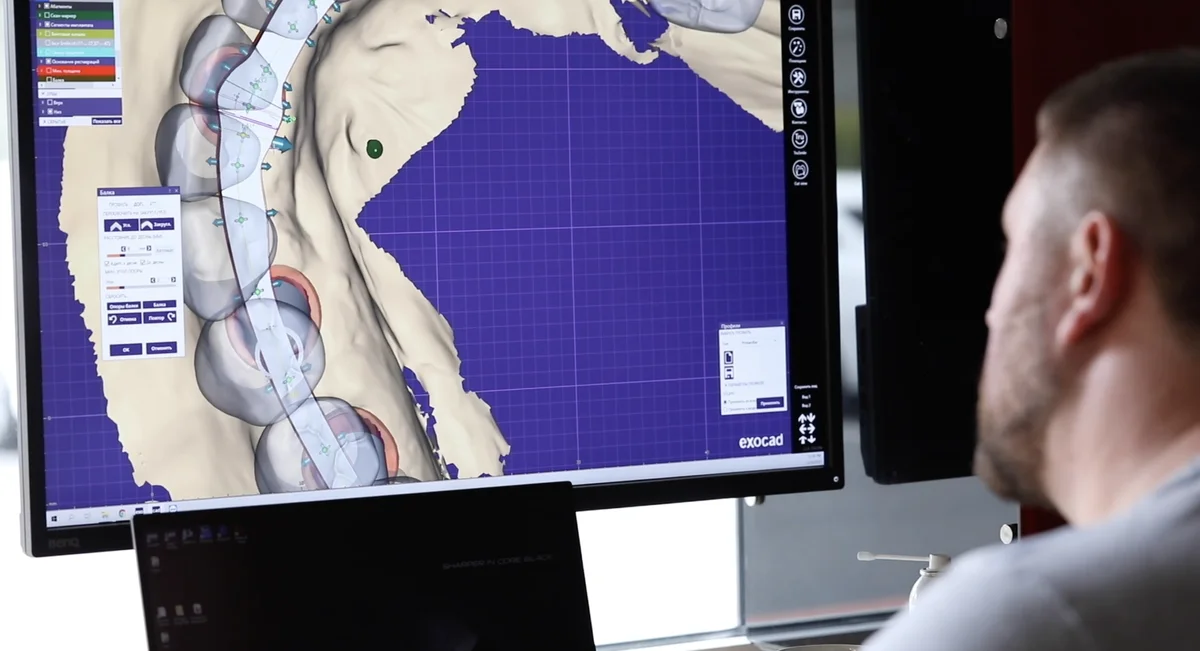
Many general practices rely on standard 2D X-rays, which show the height of the bone but hide its width and density. It is like judging an object by its shadow. A 3D CBCT scan creates a complete digital map of your jaw with sub-millimeter precision, often revealing usable pockets of dense bone that a flat image cannot show.
With that map, a specialist can plan implant positions in the strongest available bone before surgery begins, sometimes avoiding the grafting that a general practice would assume is necessary. The long-term evidence supports this planning-first approach: a 20-year analysis of more than 10,000 implants found high survival rates even when augmentation procedures were part of treatment.
Three Paths Forward When Bone Loss Is Significant
1. All-on-4 and full-arch solutions
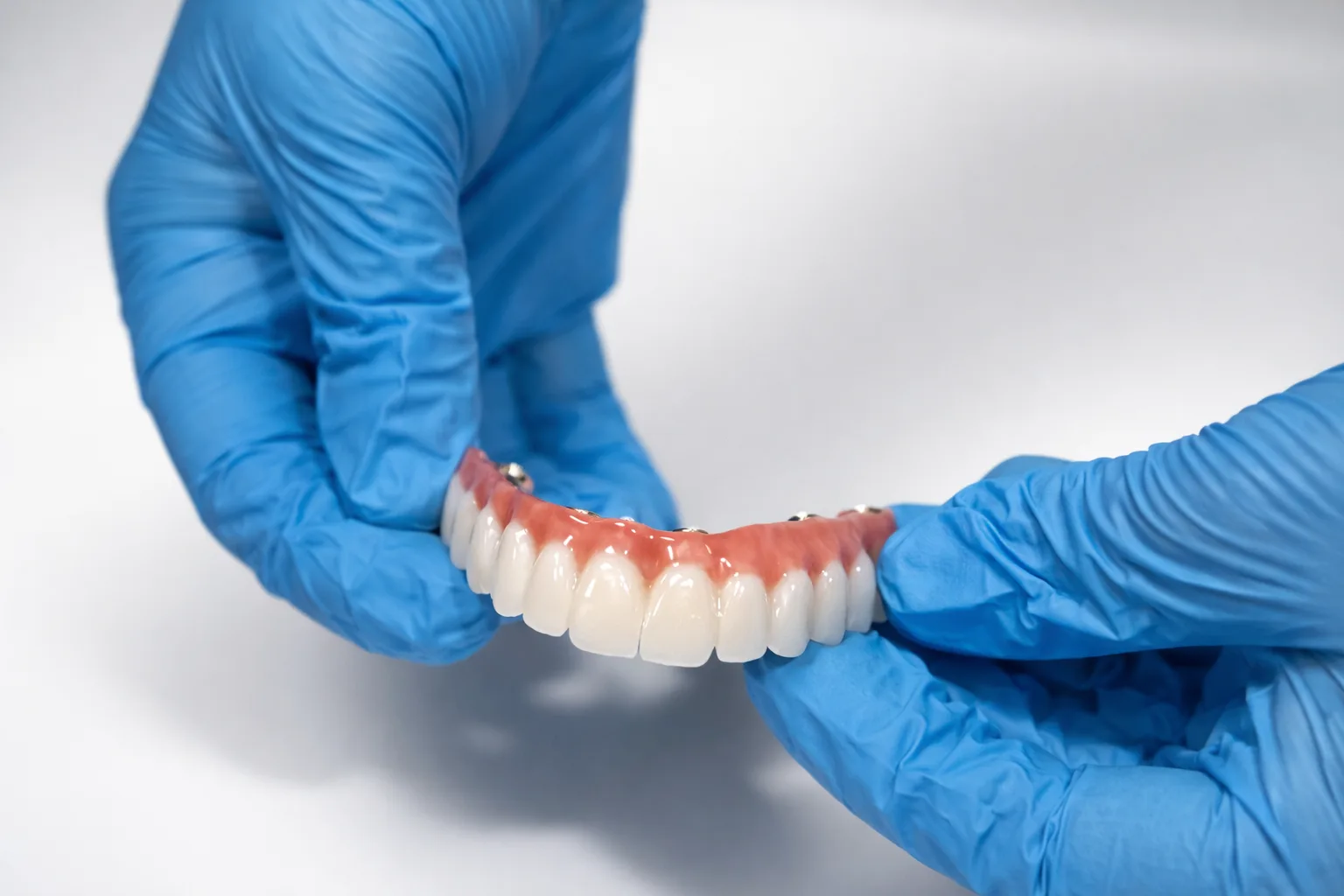
All-on-4 tilts the two back implants to anchor them in the naturally denser bone at the front of the jaw. Stability comes from geometry rather than grafted volume, which is why many patients with extensive bone loss qualify without grafting, and many are candidates for a fixed temporary set of teeth the same day.
2. Bone grafting and sinus lifts
When an individual implant site lacks bone, grafting rebuilds it. In the upper back jaw, a sinus lift creates room for graft material where the sinus has expanded into the space left by missing teeth. Healing typically adds four to nine months, but it gives a single implant a foundation built to last.
3. Zygomatic implants for severe upper jaw loss
When the upper jawbone is too resorbed for standard implants even with grafting, zygomatic implants anchor in the cheekbone instead. They are reserved for select complex cases and require an experienced surgical team, but they turn some of the most "hopeless" cases into fixed-teeth outcomes.
What a Complex-Case Consultation Looks Like
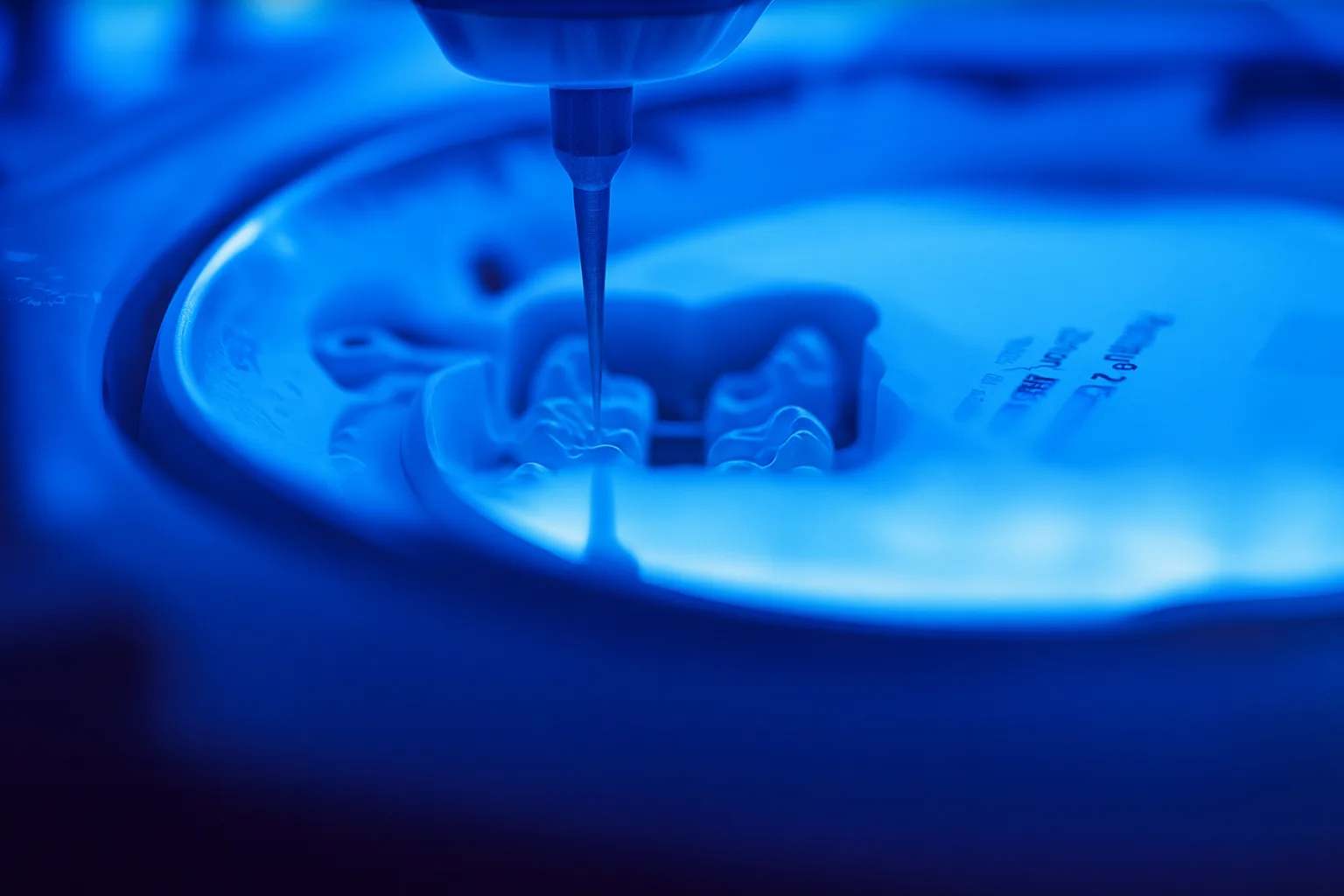
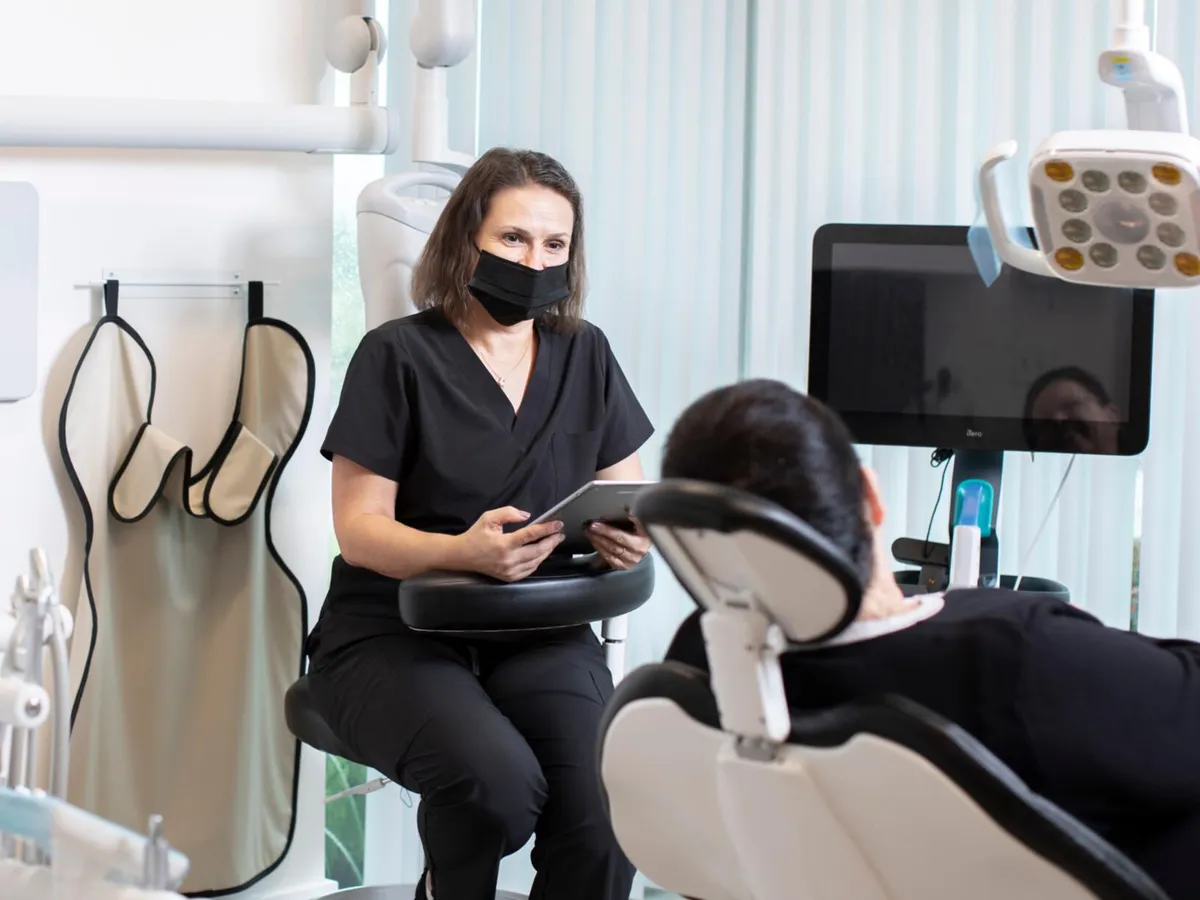
Determining your eligibility takes more than a quick look. At your consultation we take a 3D CBCT scan, review your full medical history with attention to factors that influence bone healing, and plan the surgery digitally on a model of your jaw before any decision is made. You see the options, the timeline, and the numbers before committing to anything.
We handle complex and revision cases regularly, including patients who experienced implant failure elsewhere. Every plan comes with an all-inclusive quote backed by our price match guarantee, and financing options are available.
Our offices are in Roseville and El Dorado Hills, serving Sacramento, Folsom, Rocklin, Lincoln, Loomis, Elk Grove, and the surrounding Northern California communities.
Schedule your free consultation
Frequently Asked Questions
Can I still get dental implants if I was told I don't have enough bone?
In most cases, yes. A no from one office often reflects the limits of 2D X-rays and traditional techniques rather than your actual anatomy. A 3D CBCT scan frequently reveals usable bone, and options like All-on-4, short implants, grafting, and zygomatic implants cover nearly every level of bone loss.
Is there a minimum amount of jawbone required for implants?
There is no single universal minimum. Eligibility depends on both the quantity and the quality of your bone at the specific sites where implants would go, which is why a 3D scan is required before anyone can give you a definitive answer.
Does wearing dentures for years disqualify me from implants?
No, but it usually means more bone loss to work around, because conventional dentures accelerate bone shrinkage by pressing unevenly on the gums. Long-term denture wearers are among the most common candidates for full-arch implant solutions.
Do I have to wait and see if my bone gets better before getting implants?
No, and waiting works against you. Bone loss is progressive and does not reverse on its own. The bone you have today is likely the most you will ever have, so an early evaluation preserves more options.
What if my body rejects a bone graft?
True rejection is rare because grafting materials are highly biocompatible. When a graft fails, it is usually because it did not integrate with the blood supply. The material is removed, the site heals, and the procedure can often be repeated with a modified approach.
How do I find out if I am eligible for implants with bone loss?
Schedule a consultation with an implant specialist who uses 3D CBCT imaging. The scan maps the exact height, width, and density of your jawbone, and the surgeon can show you which options fit your anatomy, from standard placement to full-arch or zygomatic solutions.
Are implants placed after bone grafting reliable long term?
Yes. Long-term clinical data, including a 20-year analysis of more than 10,000 implants, shows high survival rates for implants placed with augmentation procedures when they are properly planned and maintained.
About Fusion Dental Implants: We specialize in advanced dental implant solutions with locations in Roseville and El Dorado Hills, California. Call (916) 292-9998 to schedule your free consultation.
Related reading
Ready to Transform Your Smile?
Schedule your free consultation today and discover how dental implants can change your life.