Complex Dental Implant Cases in Sacramento: Expert Care When Treatment Is Challenging
On this page
If you’re researching complex dental implant cases Sacramento, a failed implant or another provider’s “not possible” recommendation may leave you wondering what options remain. Significant bone loss, a previous implant failure, or the need to rebuild a full arch can make planning more involved than replacing a single tooth. A clear explanation of the findings and possible next steps can help you make an informed decision.
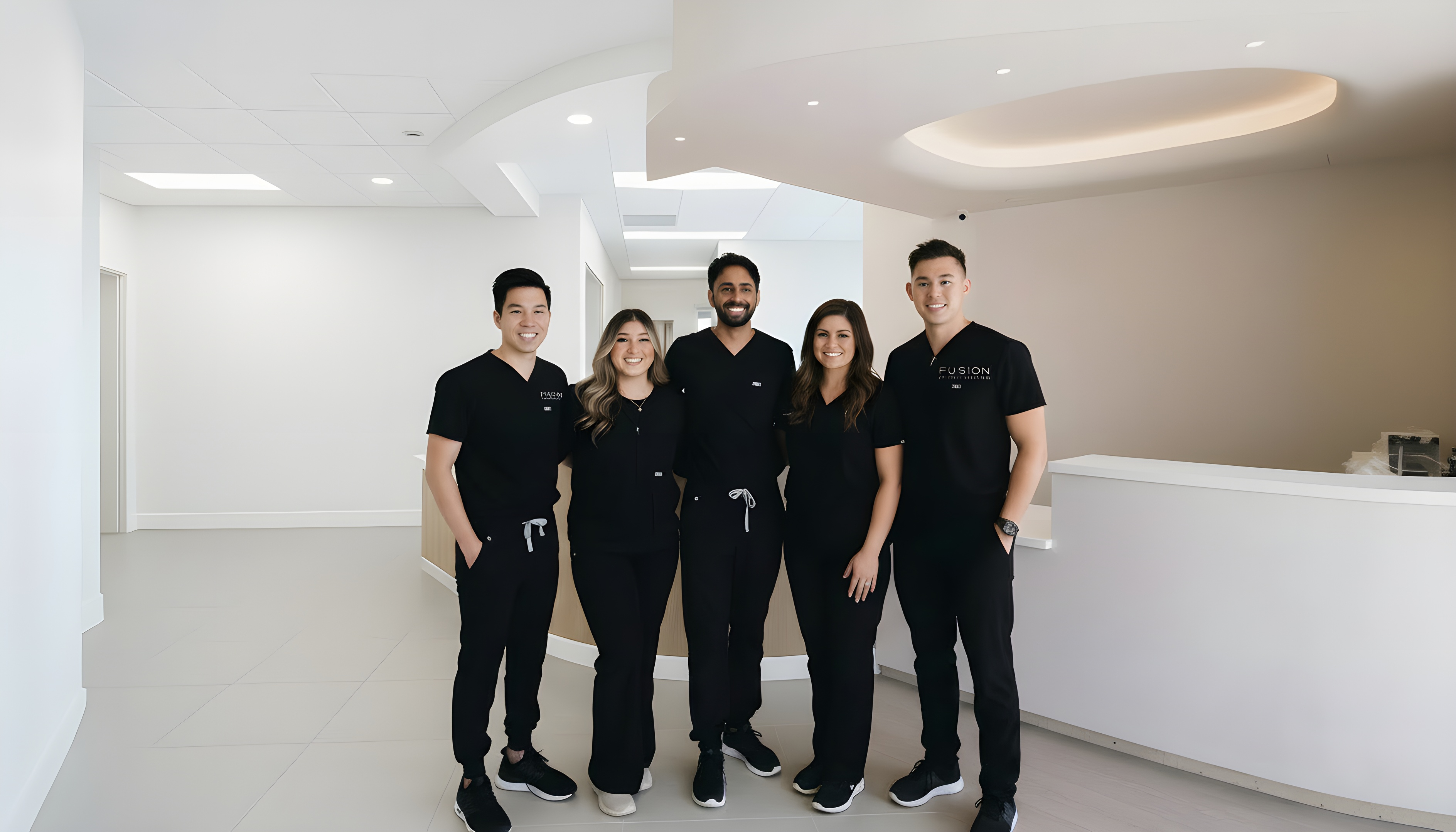
Fusion Dental Implants provides coordinated implant assessment, treatment planning, and restorative care. The care team who treat patients turned away by other providers assess challenging and revision cases, including complex bone loss and previous implant failure. Ask about a complimentary implant consultation and 3D scan at our Roseville or El Dorado Hills offices. This article explains what can make an implant case complex, how specialists plan individualized care, and how to prepare for a consultation.
Key Takeaways
- Complex dental implant cases Sacramento may involve prior implant failure, bone loss, or full-arch needs that call for an individualized assessment.
- A focused evaluation reviews your dental history and 3D imaging before outlining a treatment plan tailored to your needs.
- All-on-4, All-on-6, zygomatic implant procedures, and revision care are different paths. The right approach depends on your assessment.
- Bring relevant treatment records, a summary of your concerns, and questions about planning and the final restoration.
- Coordinating surgical and restorative expertise helps connect the implant plan with the prosthetic design.
When Is a Dental Implant Case Considered Complex in Sacramento?
A failed implant, significant bone loss, or a recommendation that implants aren’t an option can leave you unsure where to turn. These experiences are important to discuss, but they don’t by themselves determine what treatment may be possible. A complex case calls for an individualized assessment because the patient’s history, bone conditions, or tooth-replacement needs make planning more involved than routine implant placement.
Complex implant care is an individualized approach to cases where a patient’s history, bone conditions, or tooth-replacement needs require planning beyond routine implant placement. The word “complex” describes the planning challenge, not a final decision about candidacy. A specialist reviews the details before discussing a treatment path.
Which situations may call for a complex implant assessment?
Several circumstances can make implant planning more involved. With a previous implant failure, for example, the team needs to understand the treatment history and review the current situation before discussing next steps. Bring any available records and note what concerns followed the earlier treatment.
- Previous implant failure: The implant site and treatment history may need careful review before possible next steps are discussed.
- Complex bone loss: Changes in the jawbone can affect how an implant plan is developed, making a specialist assessment important.
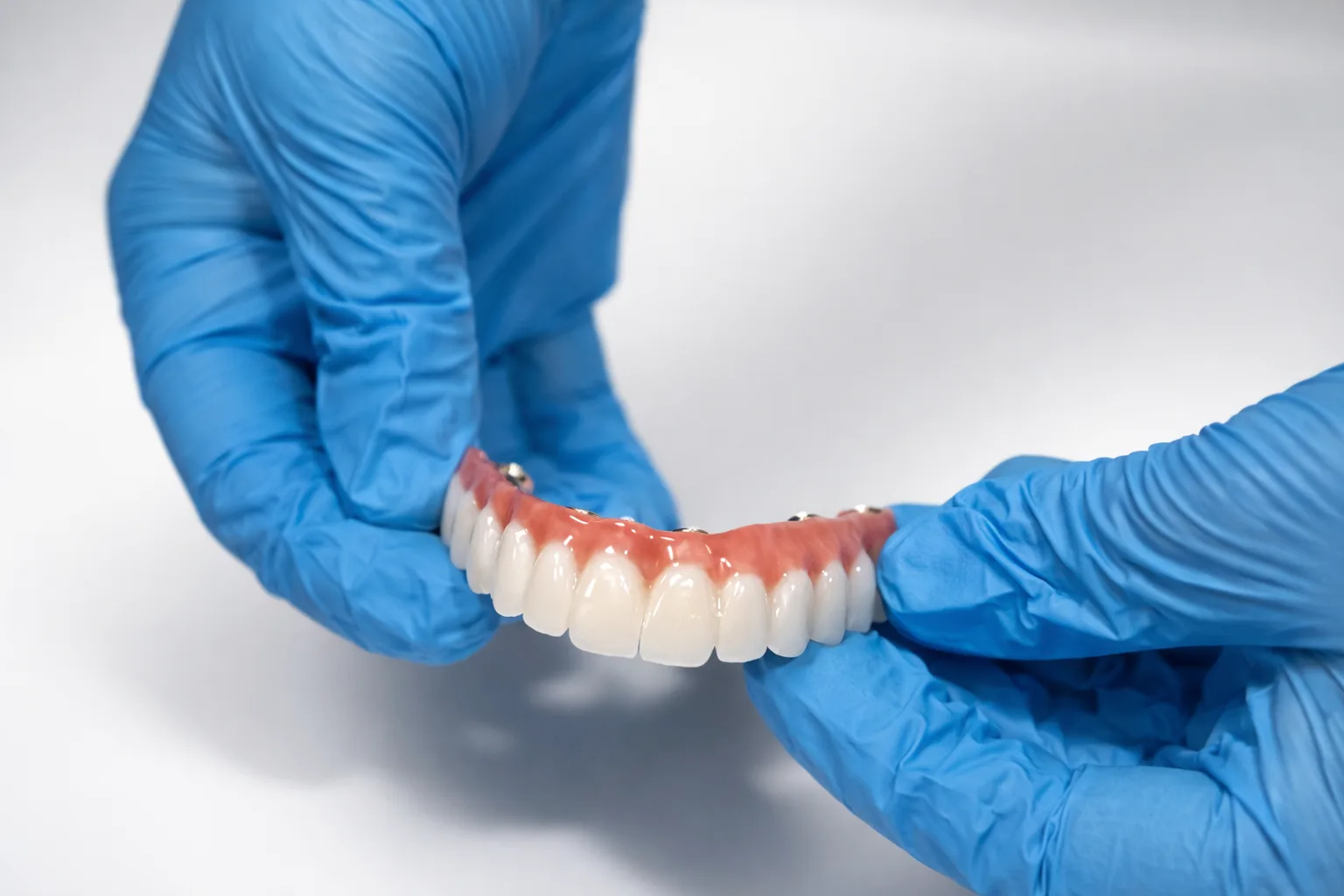
- Full-arch tooth replacement: Replacing many or all teeth involves broader planning than replacing a single tooth, including how the implants and final restoration work together.
These situations aren’t interchangeable, and no single approach fits every patient. A Dental implant overview describes how an implant integrates with bone and discusses factors related to success, failure, and complications. For an individual case, the clinical details guide the treatment discussion.
What if another provider said you are not a candidate?
Hearing that implants may not be suitable can be discouraging, especially after a failed treatment or ongoing tooth loss. It’s reasonable to want to understand the basis for that recommendation and whether a specialist review can provide more clarity. A new assessment isn’t a promise of treatment. It is an opportunity to examine your situation and explain the options or limitations clearly.
Fusion Dental Implants has The care team who treat patients turned away by other providers, including patients with complex bone loss and previous implant failure. The team reviews each case individually rather than assuming every challenging case can be treated.
For patients considering complex dental implant cases Sacramento, a useful starting point is understanding what makes the case challenging and what information can help assess it. Your history is an important part of the picture, but an individualized evaluation is needed to discuss a treatment plan.
How Do Specialists Assess a Complex Dental Implant Case?
A thorough assessment brings your treatment history, three-dimensional imaging, clinical findings, and restorative goals into one conversation. For complex dental implant cases Sacramento patients can expect the review to focus on understanding their needs and discussing an individualized plan, rather than assuming a particular procedure will be appropriate.
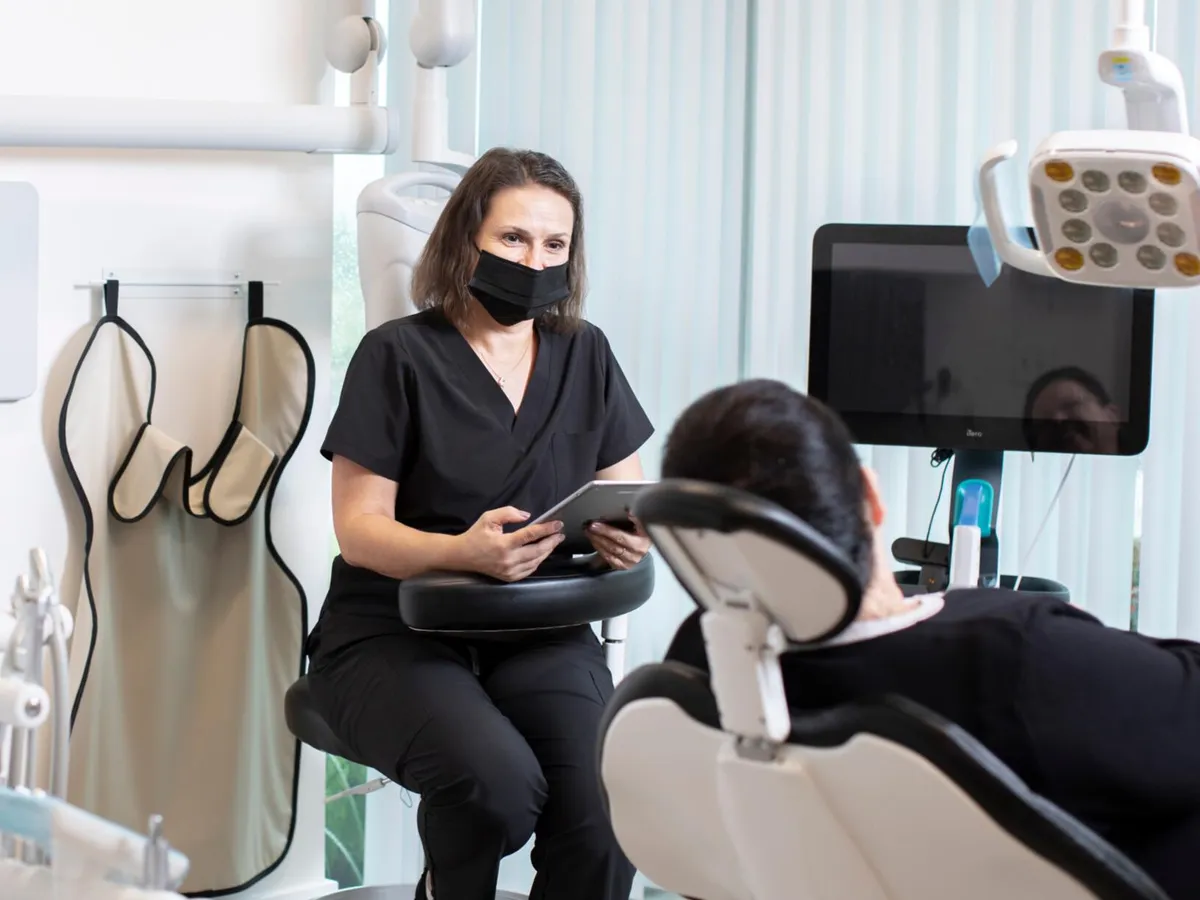
Ask about a complimentary implant consultation and 3D scan. The consultation follows a practical sequence:
- Discuss your history. Share previous implant treatment, concerns, relevant dental records, and what you hope to address. Details about earlier care help put the current situation in context.
- Complete 3D imaging. The cone-beam CT scan provides three-dimensional information and supports digital planning.
- Review the findings. The team considers the imaging alongside your history and treatment needs. A scan is one part of the assessment, not a decision on its own.
- Discuss an individualized plan. You can learn how the findings inform possible approaches and how the proposed restoration fits into the overall plan.
The scan doesn’t guarantee candidacy, a specific procedure, or a particular result. It gives the specialists additional information to consider as they explain the case and discuss possible next steps.
What does the 3D cone-beam CT help the team evaluate?
Three-dimensional imaging supports precise digital planning for implant care. In a complex case, it helps the team review the treatment area in context and consider how a proposed plan may fit your needs. The 3D cone-beam CT scan contributes detailed three-dimensional information to the assessment, supporting planning without determining candidacy or guaranteeing an outcome.
How does the team turn findings into a treatment discussion?
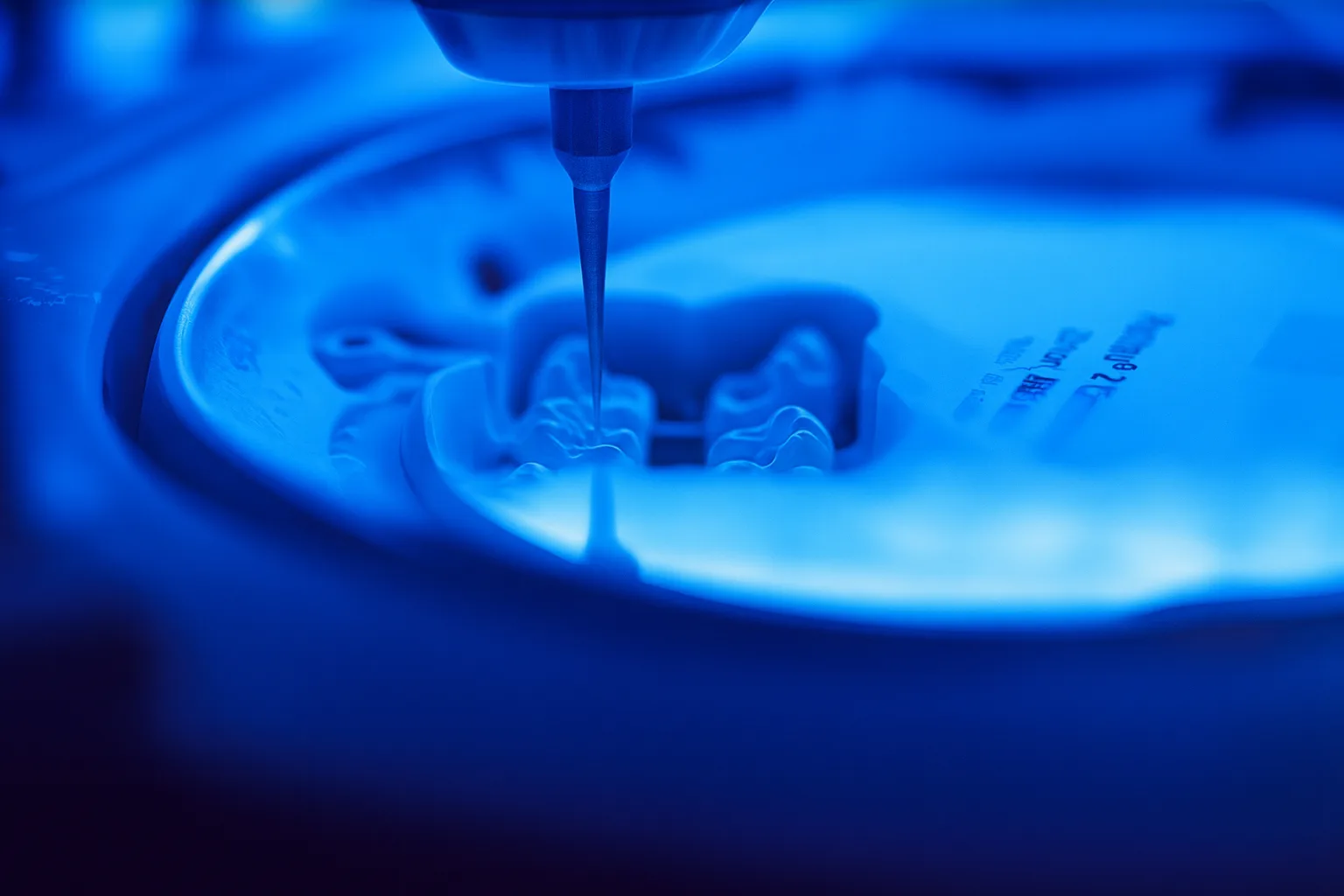
After reviewing your history and imaging, the team connects the clinical findings with your goal of restoring your teeth. The care team brings surgical and restorative expertise to the discussion. Fusion’s in-house dental laboratory is part of the process, with custom prosthetics fabricated on site to coordinate the restoration with the broader implant plan.
Use the discussion to clarify what the team learned, which approaches may be considered, and how the restoration relates to the surgical plan. You don’t need to arrive knowing which procedure to choose. Ask the team to explain the reasoning behind the options and identify any questions that remain. Patients exploring a complex implant consultation can use the assessment as a starting point for a more informed treatment conversation.
Which Complex Implant Treatment Paths May Be Considered?
A complex diagnosis doesn’t automatically point to one procedure. Depending on the individual assessment, the treatment discussion may include a full-arch approach, a zygomatic implant procedure, or revision care. These options address different planning needs, so the recommendation depends on your findings and treatment plan, not on any procedure being universally better.
For patients exploring complex dental implant cases Sacramento, it helps to understand what each option broadly involves and what the assessment is meant to clarify. The table below is a starting point for a conversation, not a way to determine candidacy on your own.
| Option | Broad purpose | What an individualized assessment determines |
|---|---|---|
| All-on-4 | A named procedure for full-arch restoration. | Whether this approach fits the patient’s needs and the overall treatment plan. |
| All-on-6 | Another named procedure for full-arch restoration. | Whether this approach is appropriate to discuss based on the assessment. |
| Zygomatic implant procedure | A specialized option within full-arch implant services. | Whether it belongs in the options considered for the individual case. |
| Revision care | Assessment and planning for a case involving prior implant treatment. | How the treatment history and current situation inform possible next steps. |
How do All-on-4 and All-on-6 fit full-arch restoration?
All-on-4 and All-on-6 are full-arch restoration procedures offered by Fusion Dental Implants. Their names identify different treatment approaches, but they don’t establish which one suits a particular patient. The specialist reviews your case and explains how each option under consideration relates to your goals and proposed restoration.
Rather than choosing based on a label or assuming one approach is best, use the treatment plan discussion to understand the surgeon’s recommendation and the reasoning behind it. The recommendation should reflect your assessment, not a general rule applied to every full-arch case.
When might zygomatic implants or revision care enter the discussion?
Zygomatic implant procedures are another option within Fusion Dental Implants’ full-arch services. Whether they’re discussed depends on the individual case. Revision care starts with reviewing previous implant treatment and the current situation. That history informs the plan, but doesn’t by itself determine what treatment will follow.
Ask the specialist which options are being considered, what findings shape the recommendation, and how the planned restoration fits. These questions can make a complex discussion easier to follow. The goal is to understand the reasoning behind an individualized plan, not to select a procedure from a list before the assessment. No option is automatically right for everyone.
Feedback & Recreate
Delete
How Can Sacramento-Area Patients Prepare for a Complex Implant Consultation?
Preparing a few details in advance can make a complicated treatment conversation easier to follow. If you’ve had an implant fail, received different recommendations, or been told implants may not be an option, bring the information you have and note what you most want clarified. You don’t need to arrive with a preferred procedure in mind. Focus on helping the team understand your history and on leaving with a clearer picture of the discussion.
Before your appointment, gather relevant dental records, previous treatment plans, and information about earlier implant treatment, if available. Make a short note of what happened, what concerns you now, and what you hope treatment could address. For complex dental implant cases Sacramento patients may find it useful to separate questions about the surgical plan from questions about the final restoration.
What questions can help clarify your treatment plan?
Writing questions down can help you focus on important details and remember to ask for explanations in everyday language. Consider bringing questions such as:
- What does the imaging and case review show about my individual treatment needs?
- Which treatment approaches are being considered, and what findings inform those options?
- How will the surgical plan connect with the design of my final restoration?
- What parts of the plan are clear now, and what may need further discussion?
Depending on the assessment, the discussion may address All-on-4, All-on-6, zygomatic implant procedures, or revision care. These are not interchangeable choices, and listing them doesn’t determine which one is appropriate for you. Ask why an option is being considered in your case and how the prosthetic approach fits with the surgical plan.
What should you expect from the first visit?
Ask about a complimentary implant consultation, 3D imaging, and a treatment-plan discussion. The scan provides information for the team’s assessment. The discussion gives you a chance to hear how the findings relate to possible approaches and your restorative goals. It’s also a good time to raise questions about previous treatment or recommendations that still feel unclear.
Fusion’s offices in Roseville and El Dorado Hills serve Sacramento-area patients. The practice also serves patients from Sacramento, Rocklin, Loomis, Lincoln, and Elk Grove. Bring your notes and available records so the conversation can focus on your case.
If you’re ready to take a more informed next step, explore the complex implant consultation pathway and prepare the questions you’d like to discuss.
Why Choose Fusion Dental Implants for Complex Cases Near Sacramento?
A challenging implant case benefits from a team that considers the surgical plan and the restoration together. Fusion Dental Implants is a care team focused on implant dentistry. If you’re facing a previous implant failure, complex bone loss, or extensive tooth replacement needs, the consultation centers on the details of implant treatment and what the final prosthetic plan needs to address.
How does coordinated implant care help with a complex case?
The team includes oral and maxillofacial surgeons, clinicians, and in-house dental laboratory technicians. Each brings expertise to a different part of implant care, including surgical planning, restoration planning, and custom prosthetics. The in-house laboratory is a core part of the practice’s process. Custom prosthetics are fabricated on site, helping coordinate the restoration with the broader treatment plan.
This coordinated perspective helps connect the proposed implant approach with the planned restoration. It doesn’t mean one treatment fits every patient. The team discusses your case in light of the assessment and explains how the plan is tailored to your needs.
Fusion brings 18+ years of experience and 17,000+ smiles transformed. The practice also has 740+ patient reviews with a 4.9/5 average rating. These figures offer context about the practice, while your consultation focuses on your history, goals, and treatment needs. Individual results vary.
How can patients take the next step with confidence?
Clarity matters, especially if you’ve received a difficult recommendation or had a previous implant concern. Ask about a complimentary implant consultation and 3D scan. You can review what the assessment shows, hear which treatment paths may be considered, and discuss how surgical and prosthetic planning fit together. The consultation helps you understand the plan, but doesn’t guarantee candidacy or a specific result.
Fusion Dental Implants offers transparent pricing. Single implants are available from $1,850; full arch from $17,999 per arch. Monthly options from $73 for single implants or $299 for full arch are subject to lender approval and terms. Understanding the proposed treatment plan alongside its price can support an informed decision.
Sacramento-area patients can choose between the Roseville and El Dorado Hills offices. Bring your treatment history, questions, and priorities so the team can focus the discussion on what matters to you. If you’re ready to talk through your case, Request a complex implant consultation at either office.
Take the Next Step Toward Clarity
A challenging implant history can make the path forward feel uncertain, but you don’t have to choose a procedure before understanding your options. Bring your questions, concerns, and goals to a focused conversation. A clear explanation of your case can help you consider the next step with more confidence, whether that means exploring a treatment plan or gaining a better understanding of your situation.
For patients considering complex dental implant cases Sacramento, a consultation is an opportunity to discuss what matters to you and receive an individualized perspective. You deserve to feel heard, understand the reasoning behind recommendations, and make decisions with clear information. Individual results vary.
Request a complex implant consultation and begin a conversation about your case.
Frequently Asked Questions
Does every complex dental implant patient receive temporary teeth on the day of surgery?
No. Same-day temporary teeth are not guaranteed for every patient. They depend on your individual clinical assessment and case eligibility.
Is a 3D cone-beam CT scan included with a new-patient consultation?
Ask about a complimentary implant consultation and 3D scan. The team will explain which imaging is appropriate and any applicable fees before proceeding.
Can I discuss a previous failed implant during my consultation?
Yes, discussing your previous treatment history is a vital part of our assessment. We encourage you to bring all relevant records and notes about your past treatment.
Where are your offices located?
We have two offices serving the Sacramento region, located in Roseville and El Dorado Hills.
Do you offer financing options for complex cases?
Yes, we provide financing options subject to credit approval and lender terms, with starting rates for single implants and full-arch procedures.
Who will be involved in my implant treatment plan?
Your treating clinicians coordinate the surgical and restorative plan. Ask who will perform each stage and which team member to contact during healing.
Related Reading and Next Steps
Read about implant revision signs, gum health around implants, and costs and financing. Request a consultation at our Roseville or El Dorado Hills office for advice based on your examination.
Ready to Transform Your Smile?
Schedule your free consultation today and discover how dental implants can change your life.